

The Critical Role of Custom Thermal Delivery Bags in Food Service
In the competitive landscape of modern food delivery, the “last mile” determines the customer’s final impression of a brand. Whether it is a piping hot pizza or a chilled gourmet salad, the temperature at the moment of arrival is a non-negotiable quality metric. For restaurant chains, ghost kitchens, and food-service distributors, sourcing the right custom thermal delivery bag is not just about logistics; it is about brand protection and food safety.
Wholesale procurement of thermal bags requires a deep understanding of material science, insulation properties, and manufacturing tolerances. This guide provides a technical deep dive into the specifications, customization options, and ordering processes for professional-grade thermal delivery solutions. As part of a comprehensive takeaway packaging strategy, these bags serve as mobile billboards while ensuring the integrity of the product inside.
Understanding Insulation Technology: How Thermal Bags Work
Thermal delivery bags operate on the principle of thermal resistance. The goal is to minimize the three types of heat transfer: conduction, convection, and radiation. For high-volume B2B buyers, understanding the layers within a bag is essential for selecting the right specification for their specific menu items.
Heat Retention vs. Cold Storage
While most thermal bags are marketed as being for both hot and cold items, the physical requirements differ slightly. Hot food delivery requires materials that can handle steam and moisture without losing structural integrity. Cold delivery often requires thicker insulation to combat high ambient external temperatures, especially during summer months. Professional manufacturers typically use a multi-layer composite structure to address these needs.
Material Specifications for High-Performance Delivery Bags
When ordering thermal delivery bag wholesale, the choice of materials directly impacts the bag’s lifespan, weight, and thermal efficiency. Here is a breakdown of the standard components used in professional manufacturing.
Exterior Fabrics: Durability and Weather Resistance
- Oxford Cloth (420D, 600D, 1680D): The most common choice for delivery bags. The “D” stands for Denier, which measures the thickness of the fibers. 600D is the industry standard for a balance of weight and durability, while 1680D is used for heavy-duty, long-range delivery backpacks.
- Non-Woven Polypropylene: Often used for lightweight, lower-cost thermal bags intended for grocery delivery or promotional use. While less durable than Oxford cloth, it is highly cost-effective for bulk distribution.
- PVC/Vinyl: These materials offer superior waterproofing and are easy to wipe clean. They are frequently used for the base of the bag or for the entire exterior in environments with high rainfall.
Insulation Layers: The Thermal Core
The middle layer is the engine of the bag. Common materials include:
- EPE (Expanded Polyethylene) Foam: A closed-cell foam that provides excellent thermal resistance and structural rigidity. Typical thicknesses range from 3mm to 10mm.
- Pearl Cotton: A softer insulation material that offers good flexibility, making it ideal for foldable or collapsible bags.
- Polyurethane (PU) Foam: Used in premium bags for maximum heat retention, though it adds significant bulk and cost.
Inner Linings: Food Safety and Hygiene
The interior must be food-grade and easy to sanitize. Standard options include:
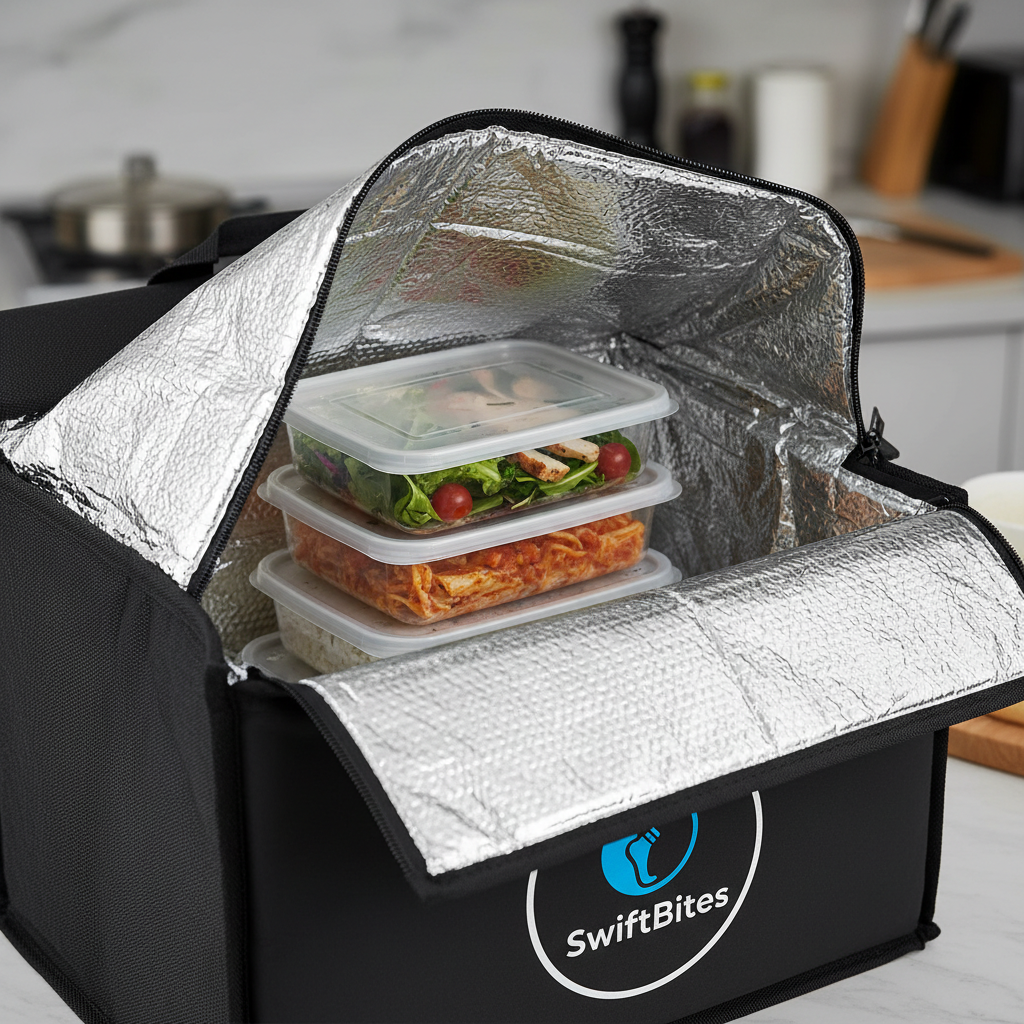
- Aluminum Foil: Reflects radiant heat back toward the food. It is the most common lining for hot food delivery.
- PEVA (Polyethylene Vinyl Acetate): A PVC-free, chlorine-free material that is waterproof and easy to clean. It is often preferred for cold storage and grocery bags.
- TPU (Thermoplastic Polyurethane): A high-end, extremely durable lining that is resistant to grease, oils, and punctures.
Coatings and Grease Resistance: Essential for Longevity
In the food service industry, spills are inevitable. A thermal bag that absorbs grease or moisture will quickly develop odors and bacteria, leading to a short service life. Professional-grade bags often feature specialized coatings:
- Water-Repellent (WR) Coating: Applied to the exterior fabric to ensure rain beads off rather than soaking into the insulation.
- Anti-Microbial Treatment: Some high-end linings are treated to inhibit the growth of mold and bacteria, which is critical for food safety compliance.
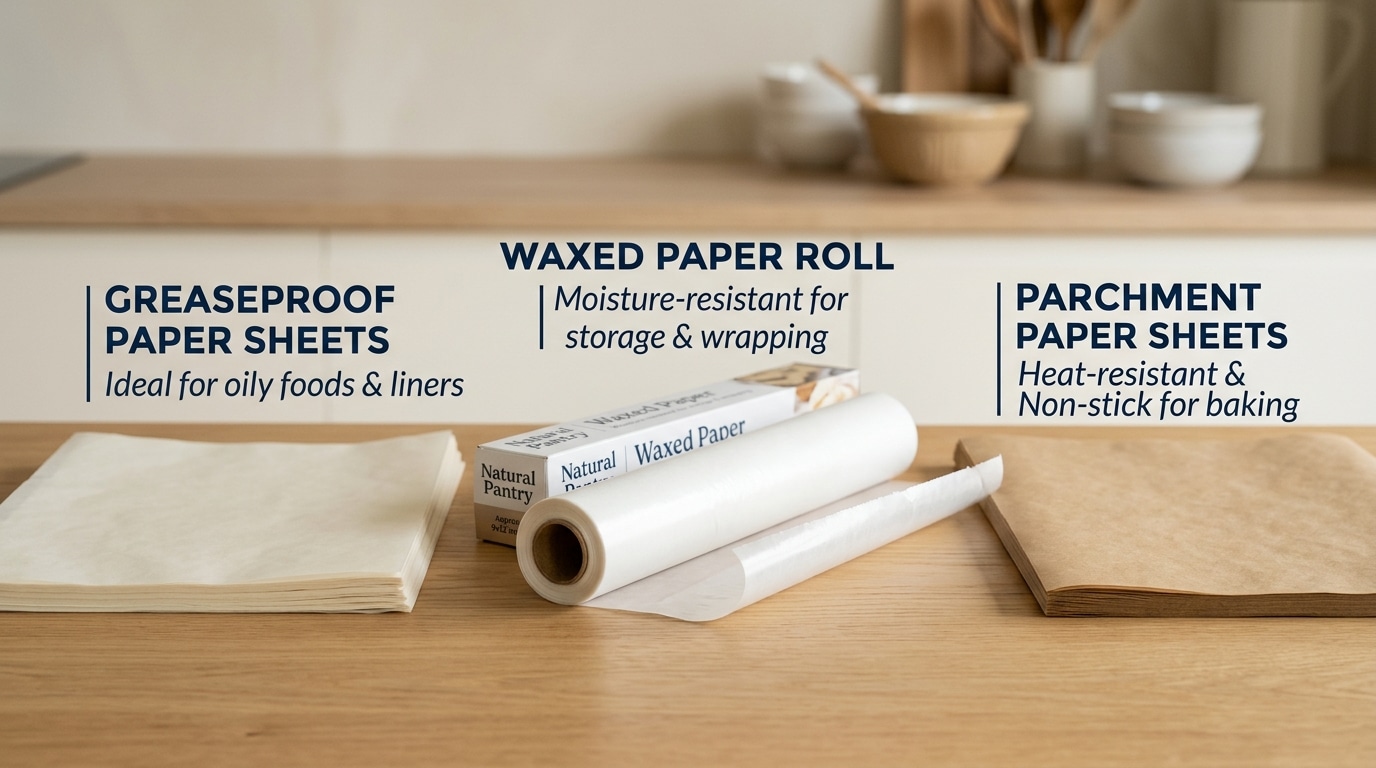
- Oil-Resistant Finishes: Essential for pizza and fried food delivery, preventing grease from staining the bag or compromising the thermal layers.
Size and Capacity Guidance: Matching Bags to Your Menu
Selecting the wrong size can lead to food shifting during transit or unnecessary heat loss due to excess air space. Below is a general guide for common delivery scenarios:
| Delivery Type | Typical Volume (Liters) | Dimensions (Example) | Common Use Case |
|---|---|---|---|
| Small/Courier Bag | 15L – 25L | 30 x 20 x 25 cm | Single meals, sandwiches, small cafe orders. |
| Medium Backpack | 35L – 45L | 40 x 30 x 40 cm | Standard third-party delivery (UberEats/DoorDash style). |
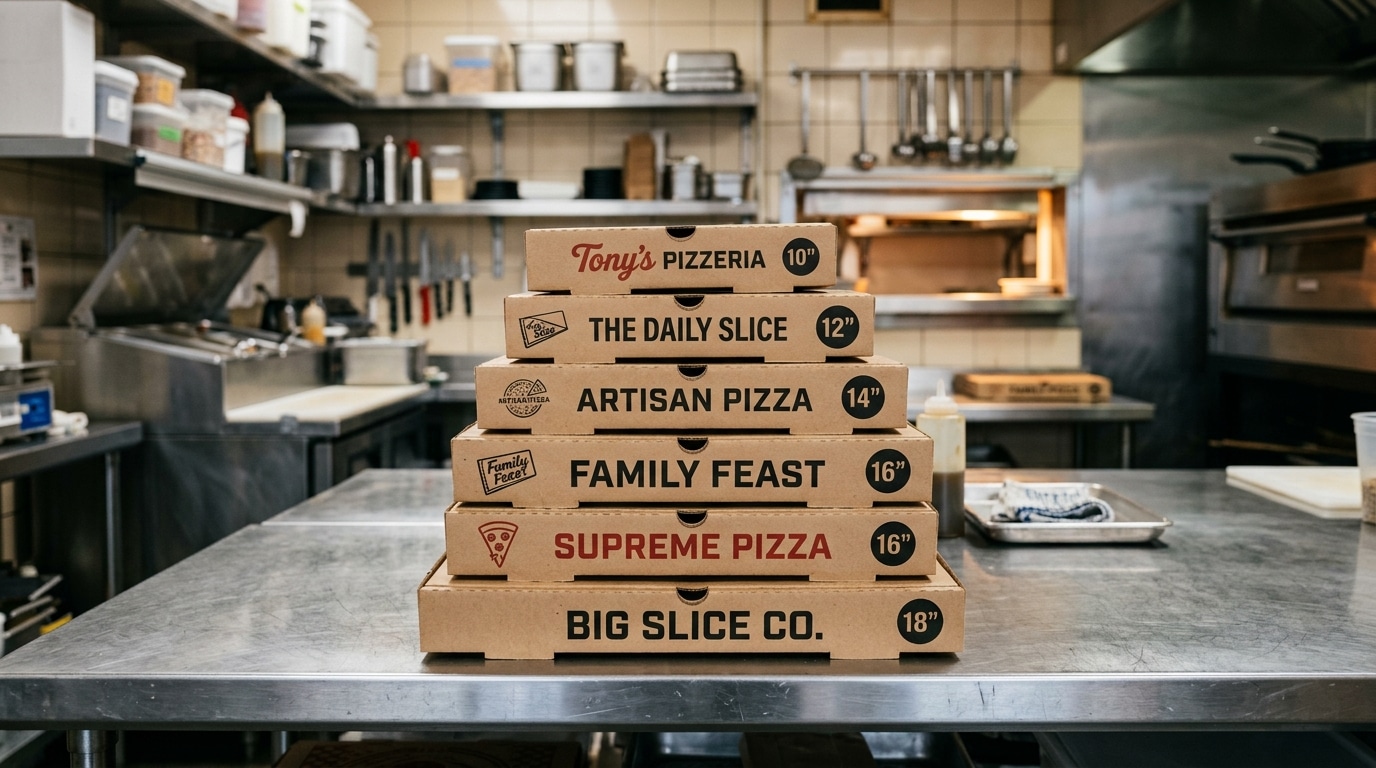
| Pizza Delivery Bag | 40L – 60L | 45 x 45 x 25 cm | Designed specifically for 12″ to 18″ pizza boxes. |
| Large Catering Bag | 70L – 100L+ | 55 x 40 x 45 cm | Bulk catering pans, large family orders, grocery delivery. |
Customization and Printing Options
A printed thermal delivery bag is a powerful marketing tool. When ordering wholesale, several printing technologies are available depending on the complexity of your logo and the bag material.
1. Silk Screen Printing
Best for simple logos with 1-3 solid colors. It is highly durable and cost-effective for large production runs. It is the standard choice for Oxford cloth bags.
2. Heat Transfer Printing
Ideal for complex, multi-color logos or photographic designs. While slightly more expensive than silk screen, it allows for high-detail branding that stands out on the street.
3. Digital Printing / Sublimation
Used for full-surface printing where the entire bag features a custom pattern or brand color. This is usually reserved for premium brand launches or specific promotional campaigns.
4. Reflective Printing
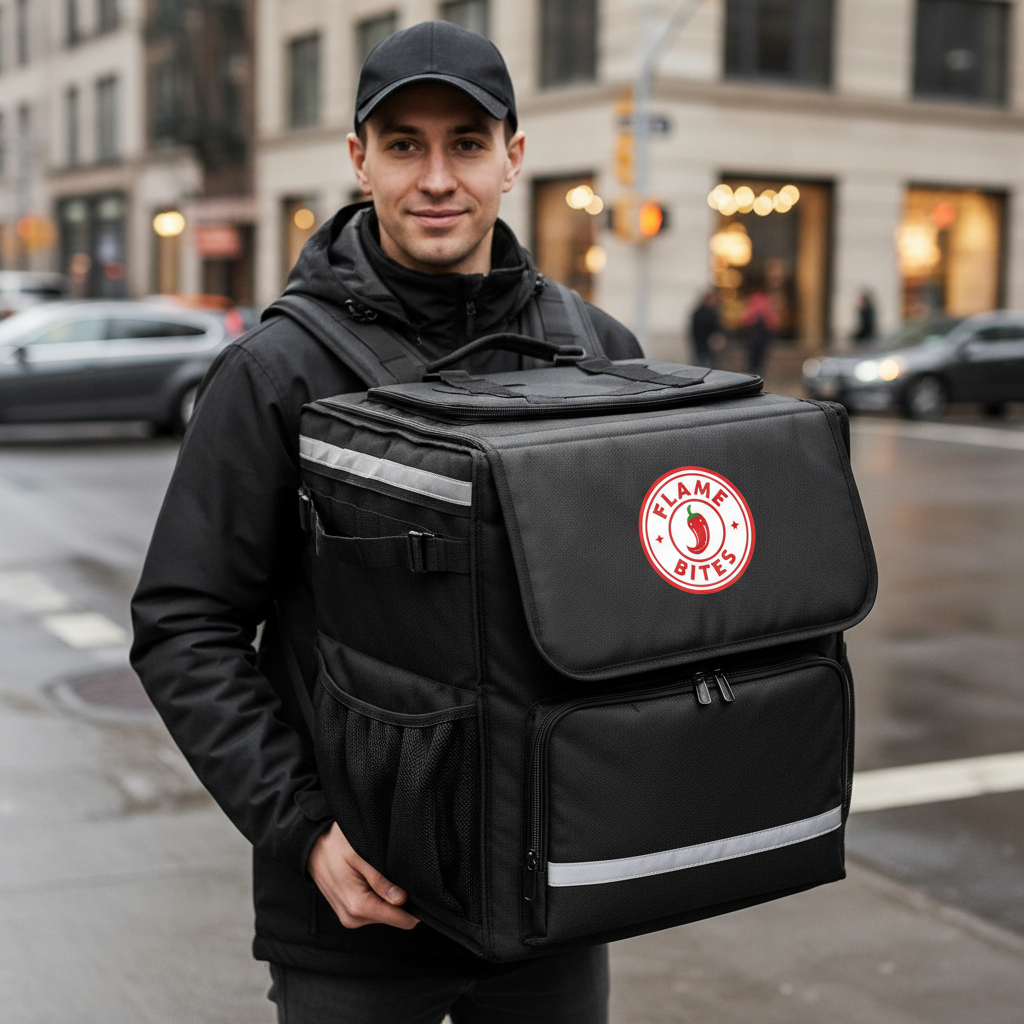
A safety-focused option where the logo or trim is printed using reflective ink. This is highly recommended for bike or scooter delivery personnel working during night shifts.
Manufacturing Quality and Structural Integrity
A bag is only as strong as its weakest point. When evaluating a thermal delivery bag manufacturer, pay close attention to the following construction details:
- Stitching: Look for reinforced “Box-X” stitching on handles and shoulder straps. These areas bear the most weight and are the most common points of failure.
- Zippers: Use heavy-duty nylon zippers (size #8 or #10). For high-frequency use, waterproof zippers with oversized pullers are preferred.
- Base Support: Professional bags include a removable PP (Polypropylene) board or hard plastic base to prevent the bag from sagging when loaded with heavy containers.
- Hardware: Metal buckles and D-rings are significantly more durable than plastic alternatives for bags intended for daily professional use.
The B2B Wholesale Buying Process
Procuring custom packaging at scale requires a structured approach to ensure quality and timeline adherence. If you are new to the process, reviewing how to order custom products can save significant time.
1. Design and Artwork Submission
Buyers must provide high-resolution vector files (AI, EPS, or PDF). Specify Pantone colors to ensure brand consistency across different manufacturing batches.
2. Sampling and Prototyping
Never skip the sampling phase. A physical sample allows you to test the insulation performance, check the fit of your food containers, and verify the print quality. Sampling lead times typically range from 7 to 14 days.
3. Minimum Order Quantities (MOQ)
For custom-printed thermal bags, MOQs generally start at 100 to 500 units depending on the complexity of the design and the material availability. Ordering in larger volumes (1,000+ units) significantly reduces the unit cost due to efficiencies in material cutting and printing setups.
4. Lead Times and Logistics
Standard production lead times are 25 to 40 days after sample approval. Logistics planning should account for sea freight (30-45 days) or air freight (7-10 days) depending on the urgency and budget.
Frequently Asked Questions (FAQs)
1. How long can a thermal bag keep food hot?
A high-quality 600D Oxford bag with 8mm EPE foam can typically maintain food at a safe temperature (above 60°C/140°F) for 45 to 90 minutes, depending on the initial food temperature and ambient conditions.
2. Are the materials used in these bags food-safe?
Yes, professional manufacturers use food-grade inner linings like Aluminum foil or PEVA that are compliant with international safety standards. It is always recommended to use primary packaging (boxes/containers) inside the bag.
3. Can the bags be washed in a machine?
Machine washing is generally not recommended as it can damage the thermal insulation layers and the waterproof coatings. Most bags should be cleaned with a damp cloth and mild detergent.
4. What is the best material for rainy climates?
PVC or 1680D Oxford cloth with a heavy TPU coating is best for rainy environments. Ensure the design includes a zipper flap to prevent water from seeping through the zipper teeth.
5. Do you offer different handle configurations?
Yes, wholesale orders can be customized with top handles, side handles for pizza boxes, or adjustable padded shoulder straps for courier comfort.
6. Can I get a sample before placing a bulk order?
Yes, providing a pre-production sample is a standard part of the process to ensure the specifications meet your requirements.
7. What printing method is best for a logo with many gradients?
Heat transfer printing or digital printing is the best choice for logos with gradients or complex color transitions.
Conclusion: Partnering with the Right Supplier
Choosing a thermal delivery bag supplier involves more than just comparing prices. It requires a partner who understands the rigors of the food service industry and can provide consistent quality across thousands of units. By focusing on material specs, structural integrity, and clear branding, you ensure that your delivery operations reflect the excellence of your kitchen.
If you are ready to upgrade your delivery fleet with high-performance, custom-branded solutions, please contact our team today to discuss your specific requirements and receive a detailed quote.