

In the competitive fast-food and catering industry, packaging is far more than a vessel for transporting food. It is a critical touchpoint for brand identity, food safety, and customer experience. For procurement managers and restaurant owners, selecting the right disposable hamburger box packaging manufacturers is a strategic decision that impacts operational costs and brand perception.
As consumers increasingly demand sustainability and convenience, the manufacturing standards for food cartons have evolved. This guide explores the technical considerations, material options, and customization possibilities when sourcing disposable hamburger boxes directly from manufacturers.
The Role of Professional Packaging in Food Service
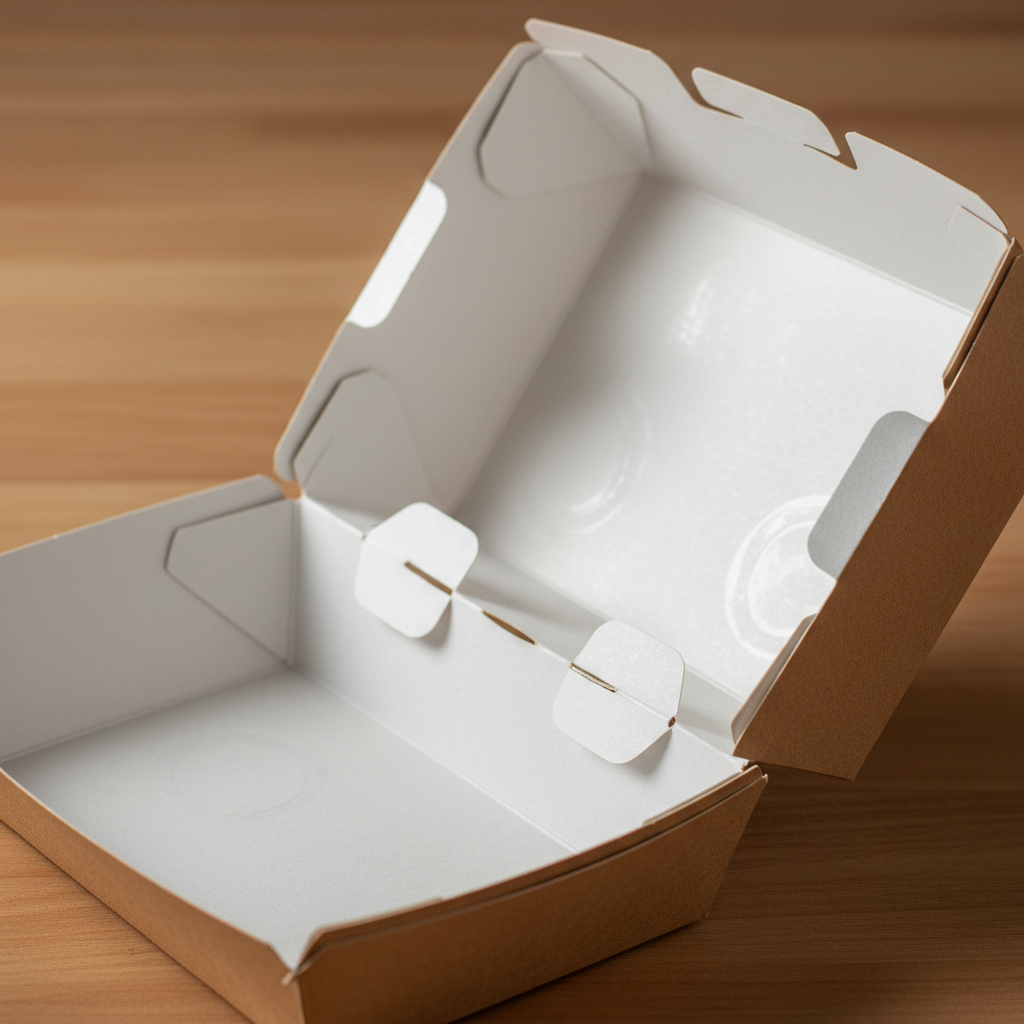
Food packaging serves three primary functions: protection, preservation, and promotion. A well-engineered hamburger box must withstand the physical rigors of delivery and takeout without collapsing, while also maintaining the temperature and integrity of the food inside. Unlike generic wholesale options, working directly with a manufacturer allows for structural optimization tailored to specific menu items.
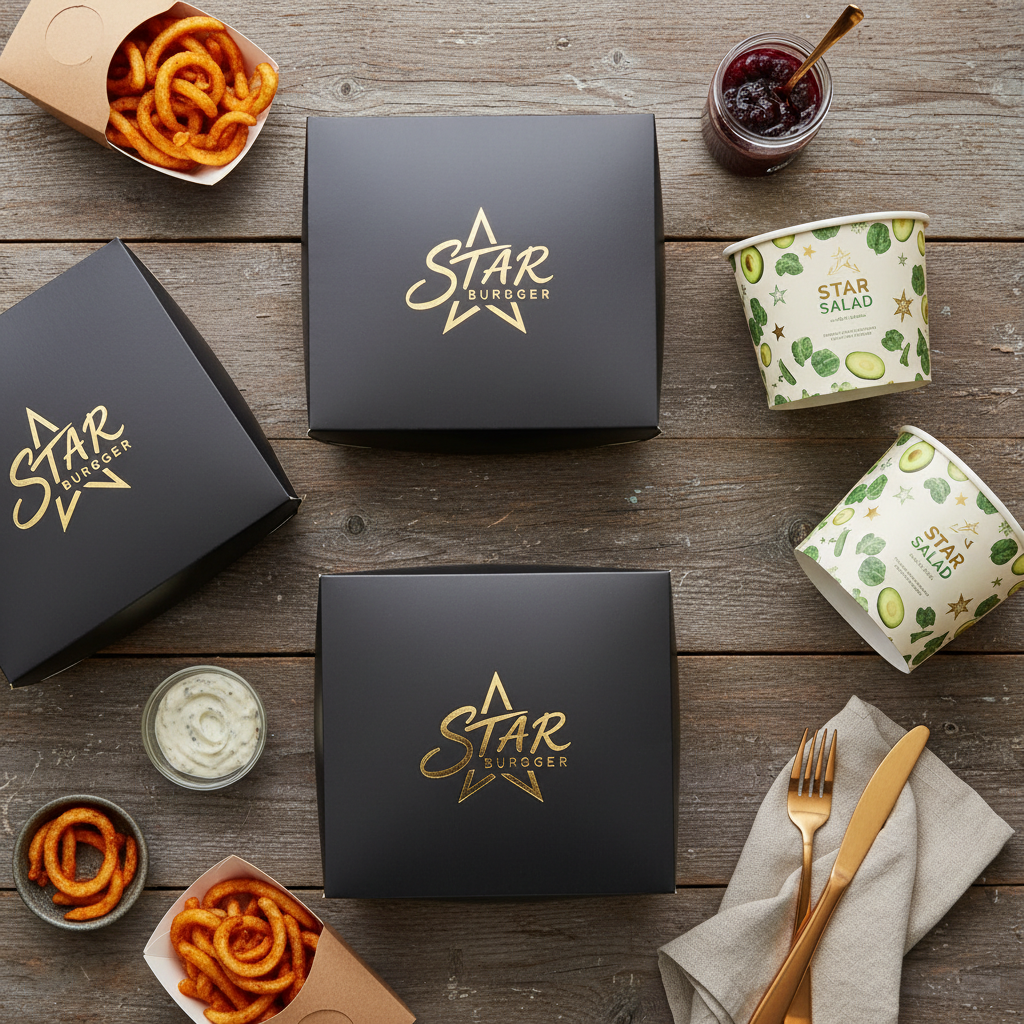
Furthermore, the box is a mobile billboard. High-quality printing transforms a simple disposable item into a marketing tool that travels with the customer. Whether you are launching a new gourmet burger line or scaling a franchise, the print quality and material feel reflect the quality of the food inside.
Material Selection: Choosing the Right Substrate
One of the first decisions in the sourcing process is selecting the base material. Most professional Disposable hamburger box packaging manufacturers utilize specific grades of paperboard designed for food contact.
White Cardboard (Ivory Board)
White cardboard is the premium choice for most fast-food chains. It offers a pristine, smooth surface that is ideal for high-definition offset printing. Key characteristics include:
- High Whiteness: Provides a clean, hygienic appearance that enhances appetite appeal.
- Printability: The smooth surface allows for excellent dot transfer, ensuring that complex logos and vibrant colors are reproduced accurately.
- Stiffness: High-quality white cardboard provides the structural rigidity necessary to stack boxes without crushing the product.
Kraft Paper
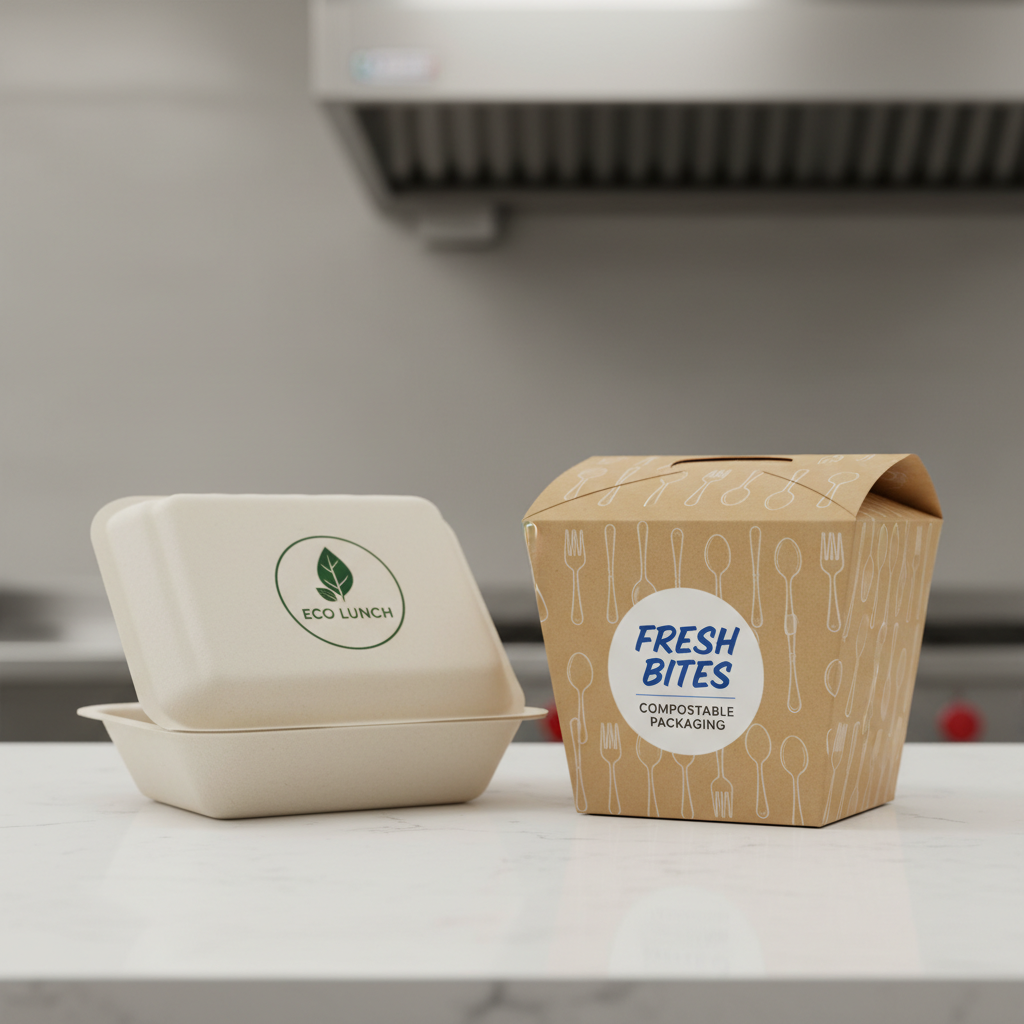
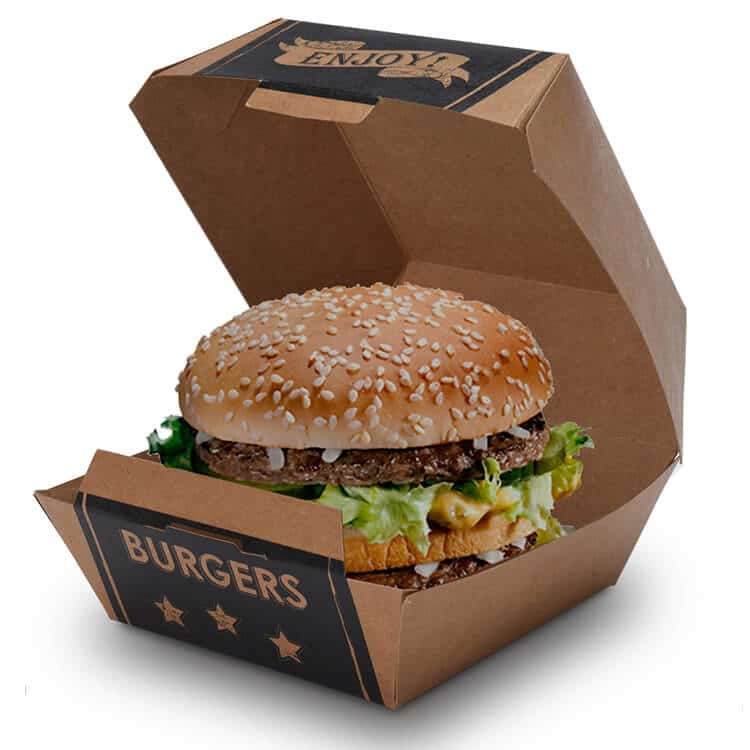
For brands focusing on an organic or rustic aesthetic, unbleached Kraft paper is a popular alternative. It conveys a natural, eco-friendly message. While it absorbs ink differently than white cardboard—resulting in more muted, matte colors—it is exceptionally strong and tear-resistant.
Corrugated Board
For larger meals or delivery-heavy business models, micro-flute corrugated board offers superior insulation and crush resistance. This is often used for premium “gourmet” burger boxes where heat retention is a priority.
Structural Design and Functional Features
Manufacturers can customize the physical design of the box to improve usability. When discussing specifications with your supplier, consider the following functional elements:
- Clamshell vs. Tuck-Top: Clamshells are faster for kitchen staff to close, essential for high-volume environments. Tuck-top boxes offer a more premium unboxing experience and are better for stacking during delivery.
- Venting: Steam vents are crucial for preventing soggy buns. A manufacturer can adjust the die-cut pattern to include discreet vents that release moisture while retaining heat.
- Grease Resistance: The interior must be treated to prevent grease spots. Common solutions include PE (polyethylene) coatings or newer water-based dispersion coatings that are easier to recycle.
Custom Printing and Brand Differentiation
The visual impact of your packaging depends heavily on the printing technology used. As a specialized provider of Printing Product, we understand that the clarity of the logo and the vibrancy of the brand colors are non-negotiable.
Offset Printing: Ideal for large runs requiring photographic quality and precise color matching (CMYK or Pantone). This is the standard for white cardboard boxes.
Flexographic Printing: Often used for simpler designs on Kraft paper. It is cost-effective for very high volumes but has lower resolution compared to offset.
Sourcing Guide: What to Ask Manufacturers
When vetting disposable hamburger box packaging manufacturers, asking the right questions ensures you find a partner capable of meeting your supply chain needs.
1. What are the Minimum Order Quantities (MOQs)?
Custom manufacturing typically requires a setup process (plate making, die creation). MOQs can range from 10,000 to 50,000 units depending on the complexity of the print and structure. Clarify these thresholds early to align with your storage capabilities.
2. What are the Lead Times?
Production timelines vary based on season and order volume. A typical cycle might involve 3-5 days for sampling and 15-30 days for mass production. Ensure your supplier can meet your restocking schedule to avoid operational disruptions.
3. Can you provide physical samples?
Never approve a mass production run based solely on a digital proof. Request a physical sample to test the box’s locking mechanism, material stiffness, and size fit with your actual food product.
Frequently Asked Questions (FAQs)
Q: Are disposable hamburger boxes recyclable?
A: This depends on the coating. Uncoated boxes are recyclable. Boxes with a PE lining are recyclable only in facilities equipped to separate the plastic layer. Water-based coatings are becoming a popular alternative for full recyclability.
Q: Can I get a custom size for a non-standard burger?
A: Yes, manufacturers can create custom die-cut molds for specific dimensions. This usually incurs a one-time tooling fee but ensures a perfect fit for unique menu items.
Q: What is the difference between food-grade and standard paperboard?
A: Food-grade paperboard is manufactured without harmful optical brighteners and is safe for direct contact with food. Reputable manufacturers will strictly use food-grade certified materials.
Q: How should I store paper hamburger boxes?
A: Paper products are sensitive to humidity. They should be stored in a dry, ventilated warehouse, off the ground on pallets, to prevent warping or mold.
Conclusion
Choosing the right packaging partner helps secure the quality of your food during transit and elevates your brand image. Whether you require high-gloss white cardboard for a premium look or sturdy Kraft options for eco-conscious branding, YBJ Packing offers diverse solutions tailored to the food industry. By understanding the nuances of material grades and printing options, buyers can secure packaging that offers both functionality and marketing value.
Ready to upgrade your food packaging? Request a quote or contact our team today to discuss custom samples and specifications.