

The Shift Toward Sustainable Food Packaging
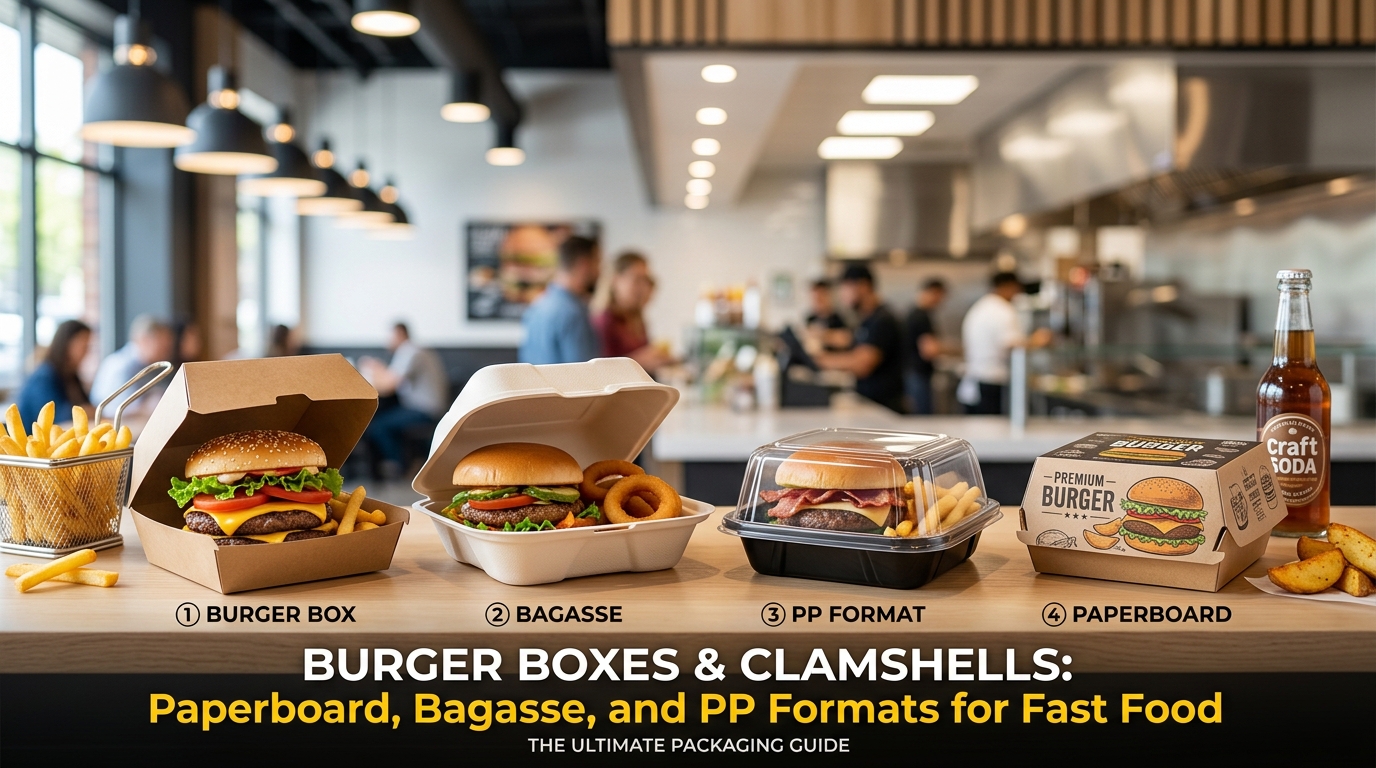
For international procurement managers and food service brand owners, the transition from expanded polystyrene (EPS) and traditional plastics to sustainable alternatives is no longer optional. Regulatory pressures and shifting consumer preferences have placed two materials at the forefront of the industry: bagasse and paperboard. While both are plant-based, their performance in high-heat environments, their structural integrity under stress, and their ultimate end-of-life pathways differ significantly.
Choosing the right material requires a deep understanding of the food application. A container that works perfectly for a dry salad may fail catastrophically when used for a heavy, sauce-laden pasta or high-heat fried chicken. This guide provides a technical comparison of bagasse and paperboard to help you make an informed decision for your supply chain.
Understanding Bagasse: The Sugarcane Byproduct
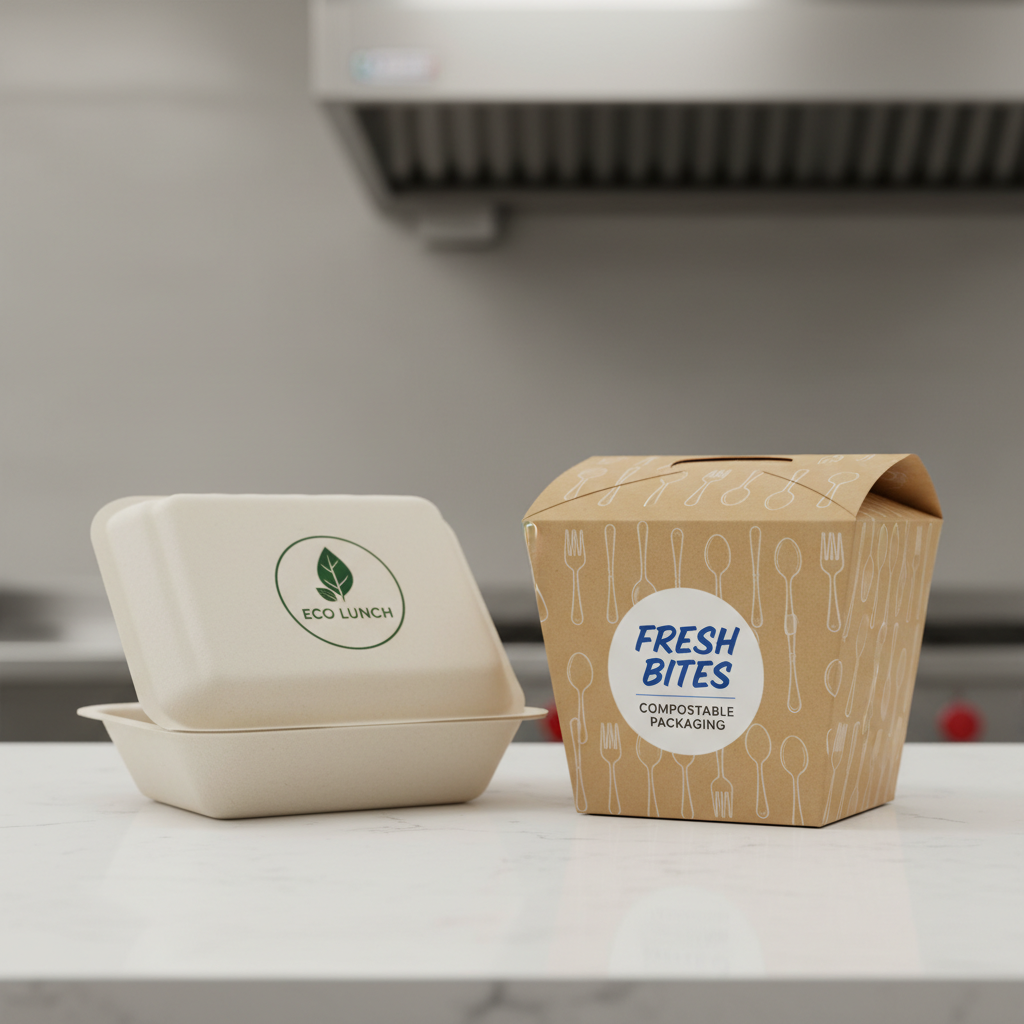
Bagasse is the fibrous residue remaining after sugarcane stalks are crushed to extract their juice. Historically treated as agricultural waste, this fiber is now upcycled into high-performance food packaging. The process involves pulping the fiber, refining it, and then using high-pressure thermoforming to mold it into specific shapes, such as food containers and plates.
Key Characteristics of Bagasse
- Resource Efficiency: Bagasse is a byproduct of an existing industry, meaning it does not require dedicated land use solely for packaging production.
- Molded Versatility: Because it is thermoformed, bagasse can be molded into complex shapes with multiple compartments without the need for folding or gluing.
- Natural Texture: It has a matte, slightly textured feel that communicates an “earth-friendly” aesthetic to the end consumer.
Understanding Paperboard: The Versatile Standard
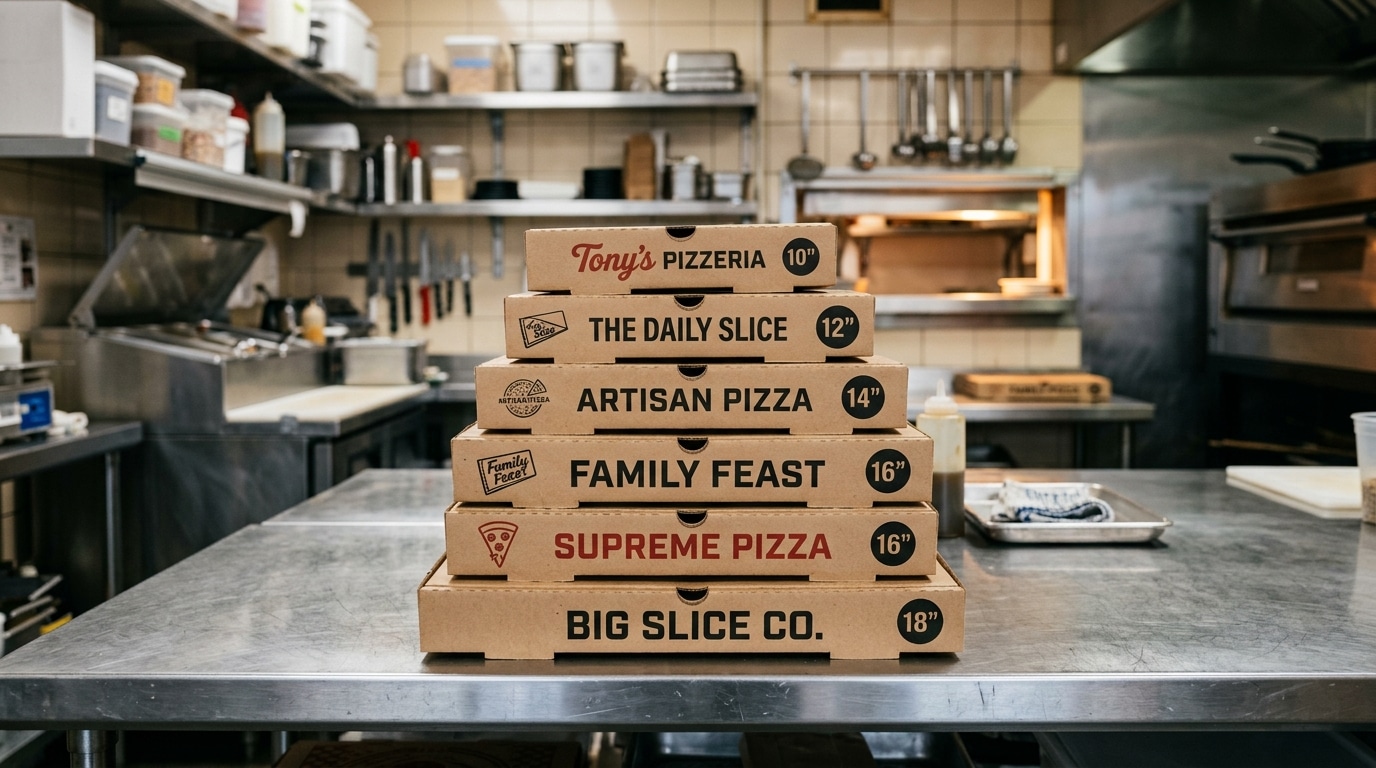
Paperboard is a thick, paper-based material, typically measured in points (pt) or grams per square meter (gsm). In the food industry, we primarily see Solid Bleached Sulfate (SBS) or Kraft paperboard. Unlike bagasse, paperboard is manufactured in flat sheets and then die-cut, folded, and glued to create a food packaging box.
Key Characteristics of Paperboard
- Printability: Paperboard offers a smooth surface ideal for high-resolution offset and digital printing, essential for brand consistency.
- Customization: It can be easily combined with various coatings (PE, PLA, or aqueous) to provide specific barrier properties.
- Rigidity: High-density paperboard offers excellent stacking strength, which is vital for delivery and logistics.
Heat Resistance: Performance Under Thermal Stress
Heat resistance is perhaps the most critical technical factor for hot-fill food applications. If a material loses its structural integrity when exposed to steam or high temperatures, it compromises food safety and the consumer experience.
Bagasse Heat Performance
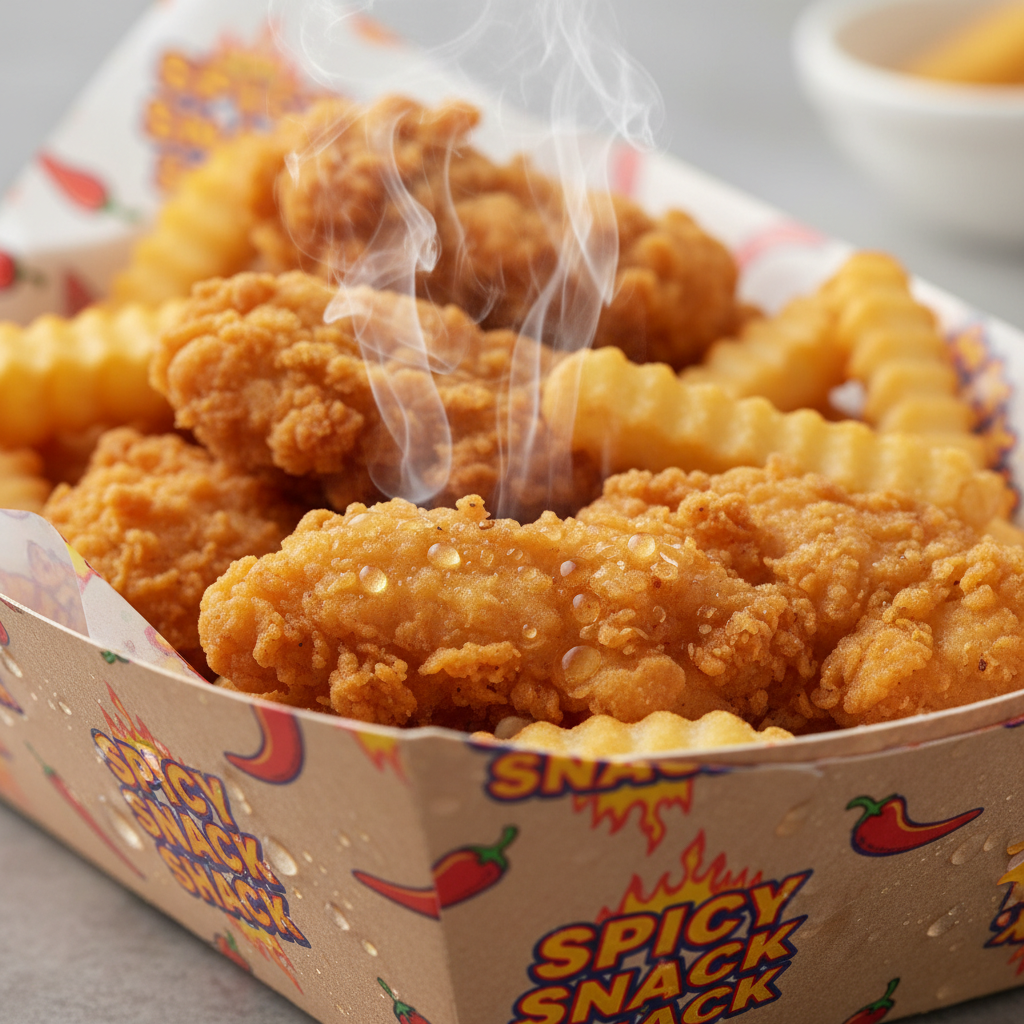
Bagasse is naturally resistant to high temperatures. Most high-quality bagasse containers can withstand temperatures up to 100°C (212°F) for water and up to 120°C (248°F) for oil. This makes them microwave-safe and, in some cases, oven-safe for short durations at moderate temperatures. Because the material is breathable, it allows steam to escape, which prevents fried foods from becoming soggy—a topic we explore further in our guide on Packaging for Fried Foods: Venting, Liners, and Grease Management.
Paperboard Heat Performance
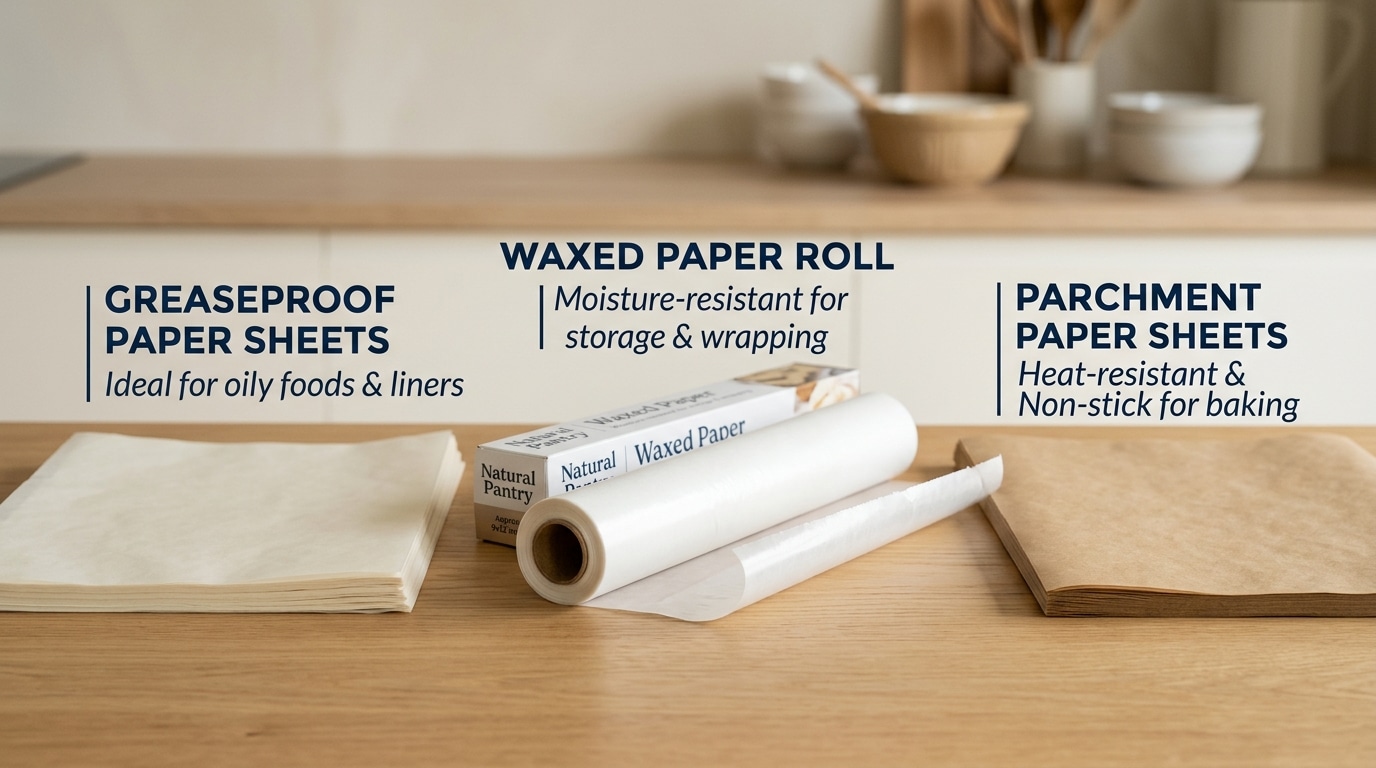
The heat resistance of paperboard is largely determined by its lining. Standard paperboard without a lining will absorb moisture and lose strength quickly.
- PE (Polyethylene) Lined: Suitable for hot foods but not recommended for microwave use as the plastic can soften or migrate.
- PLA (Polylactic Acid) Lined: Compostable but has a lower heat distortion temperature, often limited to 40°C-60°C.
- Aqueous Coated: Offers better thermal stability and is often microwave-safe, depending on the specific formulation.
For high-heat beverage applications, such as those discussed in our Coffee To-Go Packaging: A Comprehensive B2B Guide to Cups, Sleeves, Lids, and Carriers, double-wall paperboard construction is often necessary to protect the user’s hands while maintaining the container’s shape.
Strength and Structural Integrity: Wet vs. Dry
In a B2B context, strength is measured by a container’s ability to withstand the rigors of the “last mile”—the journey from the kitchen to the customer’s table.
Stacking Strength
Paperboard generally wins in terms of stacking strength. The rigid corners of a folded box provide vertical support that allows multiple units to be stacked without collapsing. This is a primary reason why many high-volume delivery brands prefer a food packaging box for heavy meals. Bagasse containers, while sturdy, are more prone to compression when stacked high, especially if the food inside is emitting steam.
Moisture and Grease Resistance
Bagasse is naturally fibrous and can absorb a certain amount of moisture without losing its shape, but for long-term storage of wet foods, a PFAS-free grease-resistant additive is usually incorporated during the pulping process. Paperboard requires a physical barrier (a coating) to achieve the same result. Without a coating, paperboard will wick oil and water, leading to unsightly stains and structural failure.
End-of-Life: Compostability vs. Recyclability
Sustainability is the driving force behind the bagasse vs. paperboard debate. However, “eco-friendly” can mean many things depending on local waste infrastructure.
Bagasse: The Composting Champion
Bagasse is inherently biodegradable and compostable. In an industrial composting facility, it typically breaks down within 60 to 90 days. It does not leave behind toxic residues. For brands prioritizing a “zero-waste” or circular economy image, bagasse is often the superior choice because it can be disposed of alongside food waste.
Paperboard: The Recycling Veteran
Paperboard is widely accepted in curbside recycling programs, provided it is not heavily contaminated with food or coated with non-separable plastic.
- Recyclability: Aqueous-coated paperboard is easier to recycle than PE-lined board.
- Compostability: Only PLA-lined or uncoated paperboard is truly compostable.
When selecting between these two, consider the waste habits of your target market. If your customers have easy access to recycling but not composting, paperboard might be the more practical environmental choice.
Manufacturing and Quality Considerations
When sourcing from a manufacturer like YBJ Packing, understanding the production nuances is key to ensuring consistent quality.
QA/Inspection Protocols
For bagasse, we monitor the pulp consistency and the pressure of the thermoforming molds. Inconsistent pressure can lead to “thin spots” in the container walls. For paperboard, we focus on the die-cutting precision and the adhesive strength of the side seams. For all food containers, we perform leak tests and load-bearing tests to ensure they meet the rigorous demands of commercial use.
Printing and Branding
Branding is where paperboard shines. The smooth surface allows for CMYK full-color printing, UV spot varnishes, and foil stamping. This is critical for Menu Engineering Meets Packaging: Matching Packaging to High-Margin Items, where the visual presentation of the packaging must match the perceived value of high-margin menu items. Bagasse printing is typically limited to simpler designs or embossed logos due to its textured surface, though high-quality pad printing and labeling are options.
Technical Comparison Table
| Feature | Bagasse Containers | Paperboard Containers |
|---|---|---|
| Material Source | Sugarcane Fiber (Agri-waste) | Wood Pulp (Virgin or Recycled) |
| Microwave Safe | Excellent | Depends on Coating (Aqueous/Unlined) |
| Oven Safe | Up to 120°C (Short duration) | Generally No (unless CPET lined) |
| Stacking Strength | Moderate | High |
| Custom Printing | Basic / Embossing | High-Resolution Full Color |
| End-of-Life | Compostable | Recyclable (if clean) / Compostable |
Buying Guide: Sourcing the Right Solution
As an international buyer, your procurement strategy should involve more than just comparing unit prices. Here are the factors to consider when placing an order:
- MOQ (Minimum Order Quantity): For custom-printed paperboard boxes, MOQs typically range from 10,000 to 30,000 units depending on the size. Bagasse containers often have similar MOQs for custom molds, though stock items can be ordered in smaller quantities.
- Lead Times: Production usually takes 15-25 days, with shipping adding another 3-5 weeks depending on your location. Always factor in a buffer for peak seasons.
- Sampling: Never skip the sampling phase. Test the containers with your actual food products to check for grease penetration and heat retention. You can request a sample through our contact page.
- Storage: Bagasse is more susceptible to humidity in a warehouse environment. Ensure your storage facility is dry and temperature-controlled to prevent the material from softening before use.
Frequently Asked Questions (FAQ)
1. Is bagasse really better for the environment than paper?
It depends on the context. Bagasse uses a byproduct that would otherwise be burned, giving it a lower carbon footprint in the raw material stage. However, if your region has a robust paper recycling system but no industrial composting, paperboard might be easier to process at the end of its life.
2. Can bagasse containers hold soup?
Yes, bagasse can hold hot liquids, but it is breathable. For long-duration transport of very hot soups, we recommend testing for “sweating” on the bottom of the container. For heavy liquid applications, a high-quality food packaging bag or a lined paperboard bowl might be more secure.
3. Are these materials PFAS-free?
At YBJ Packing, we prioritize safety and compliance. We offer PFAS-free bagasse options that use alternative grease-resistant agents to meet evolving international regulations. Always specify your regulatory requirements during the quoting process.
4. How do I choose between a hinge-lid bagasse container and a paperboard box with a separate lid?
Hinge-lid bagasse containers are excellent for fast-paced “grab-and-go” environments because they are a single piece. Paperboard boxes with separate lids (like those used for high-end sushi or pastries) offer a more premium unboxing experience and better visibility if a clear window is used.
5. What is the shelf life of bagasse containers?
When stored in a dry, cool environment, bagasse containers have a shelf life of up to two years. Exposure to high humidity can degrade the fibers over time, reducing their rigidity.
Conclusion: Making the Right Choice
There is no one-size-fits-all answer in the bagasse vs. paperboard debate. If your priority is a 100% compostable, microwave-safe container for hot, steamed foods, bagasse is likely your best option. If your brand relies on vibrant graphics, high stacking strength for delivery, and curbside recyclability, paperboard is the industry standard for a reason.
At YBJ Packing, we help our clients navigate these technical trade-offs every day. Whether you are looking for a custom-branded food packaging box or a bulk order of compostable food containers, our team is ready to assist with specifications, sampling, and logistics.
Ready to upgrade your packaging? Learn how to order or contact our specialists today.
Request a quote / Get a sample
Consult with our experts to find the perfect material for your menu.