

Introduction: More Than Just a Wrapper

In the competitive food service industry, the paper used to wrap a hamburger serves three critical functions: heat retention, grease control, and brand communication. For procurement managers and restaurant chain operators, choosing the right hamburger wrapping paper is not merely an aesthetic choice—it is an operational necessity.
While often collectively referred to as "hamburger paper," the specific materials vary significantly based on the food's moisture content, the serving environment, and budget constraints. This guide explores the technical specifications, material options, and customization factors relevant to B2B buyers sourcing packaging solutions.
Common Materials for Hamburger Packaging
Not all food wraps are created equal. The ideal choice depends on the balance between breathability and grease resistance. Here are the three most common categories found in professional kitchens:
1. Greaseproof Paper (The Standard)
Greaseproof paper is the industry standard for wrapping burgers, sandwiches, and subs. It is produced by refining the paper stock to reduce porosity, creating a physical barrier against oil without the need for chemical coatings.
- Appearance: Often translucent or semi-opaque.
- Pros: Breathable (prevents buns from getting soggy), cost-effective, and generally recyclable.
- Best For: Standard cheeseburgers, dry sandwiches, and basket liners.
2. PE-Coated or Wax-Coated Paper
For messier items with heavy sauces or high fat content, standard greaseproof paper may not suffice. Coated papers offer a stronger barrier.
- Poly-Coated (PE): Features a thin layer of polyethylene plastic. It provides excellent grease and moisture hold-out but is less breathable, which can sometimes cause "sweating" if the burger sits too long.
- Wax Paper: Treated with wax (dry or wet wax). It offers good release properties (non-stick) but cannot withstand high heat as well as greaseproof paper.
3. Foil-Laminated Paper (Honeycomb)
Often used for premium or large burgers, this material consists of paper laminated to aluminum foil. The foil layer reflects heat inward, keeping the product hot for delivery or takeout, while the paper layer absorbs excess moisture.
Form Factors: Sheets vs. Bags
When sourcing from a manufacturer, you will typically choose between flat sheets and pre-formed bags.
- Flat Sheets (L-Sheets): The most versatile option. Staff can fold them to fit any size burger. They are also used as What is the paper used to wrap the hamburger? or tray liners (plate paper).
- Burger Bags (L-Bags): Pre-glued on two sides to form a pocket. This speeds up service during peak hours as staff simply slide the burger in.
Technical Specifications for Procurement
To ensure you are buying high-quality packaging that performs well operationally, pay attention to the following technical details during the RFQ (Request for Quote) process.
Grammage (GSM) and Thickness
The weight of the paper is measured in Grams per Square Meter (GSM).
- Standard Range: 30gsm to 60gsm.
- Recommendation: A weight of 40gsm or higher is typically recommended for premium hamburger wraps. Thicker paper (50gsm+) feels more substantial to the customer and provides better heat retention.
Grease Resistance (Kit Levels)
Grease resistance is often measured on a "Kit" scale (usually 1 to 12). A higher Kit number indicates better resistance to aggressive oils. For hamburgers, a Kit level of 5–7 is usually sufficient, whereas fried chicken might require Kit 9+.
Transparency and Texture
High-quality greaseproof paper often has a translucent quality. This transparency is a visual indicator of the paper’s density and refinement. When evaluating samples, look for a smooth finish that allows the product to "breathe" while blocking oil.
Customization and Branding
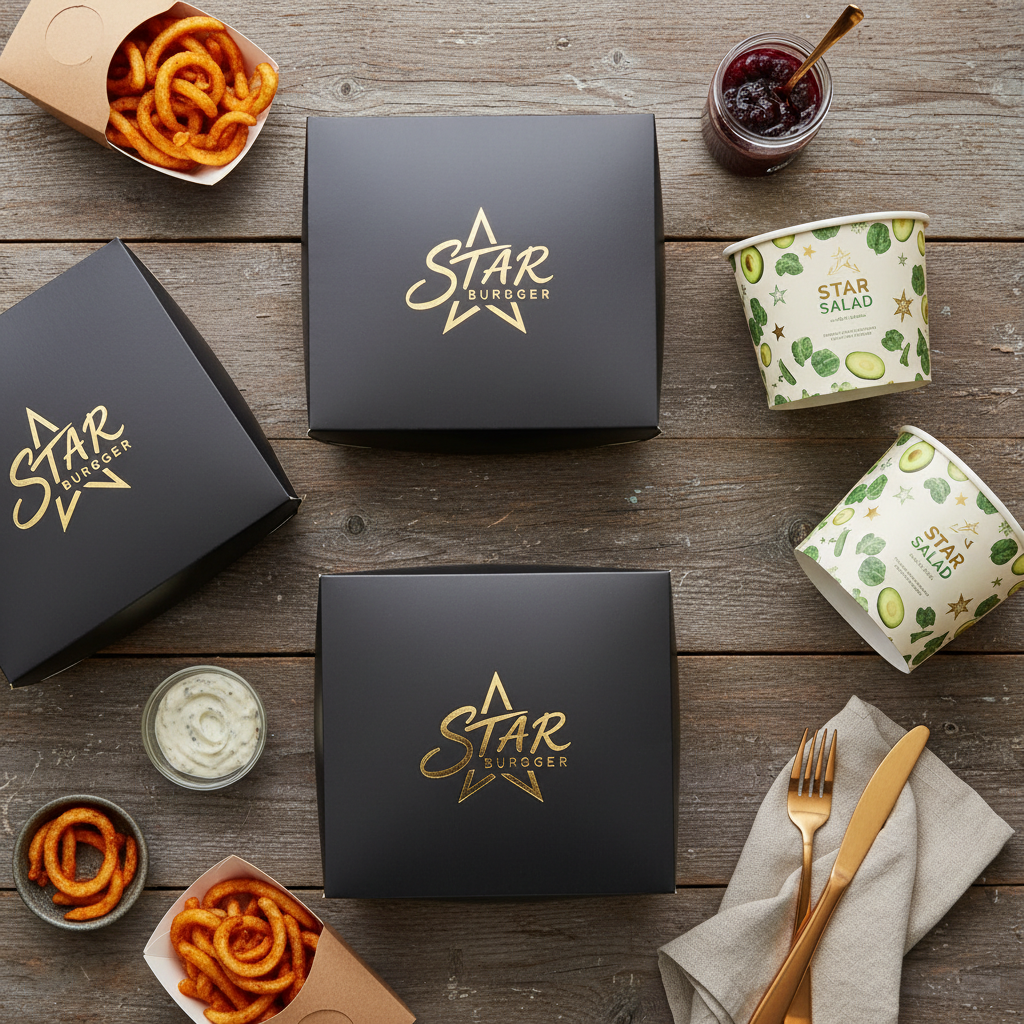
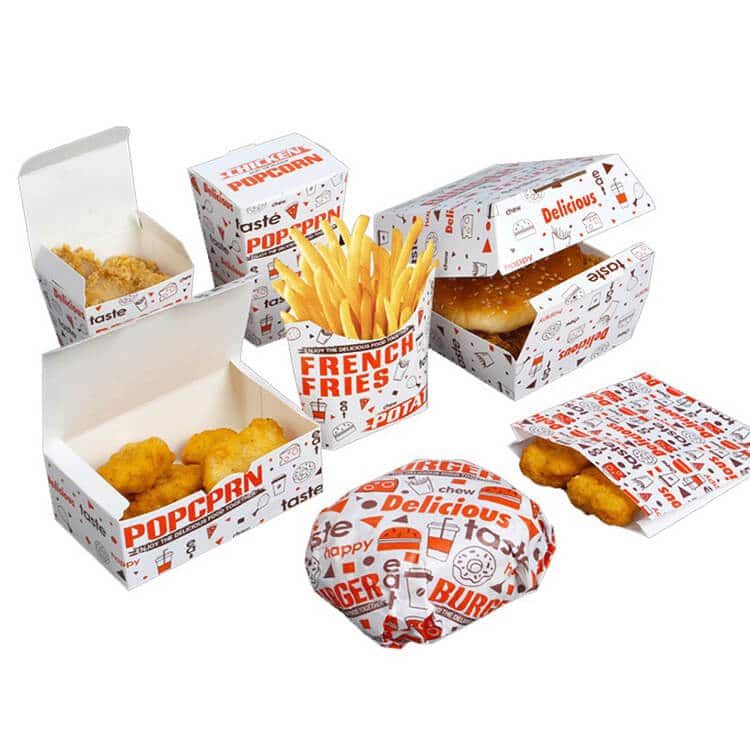
Packaging is the "walking billboard" of the food industry. Customizing your hamburger paper is a low-cost marketing strategy with high returns.
- Printing Methods: Flexographic printing is standard for food paper, using water-based, food-safe inks.
- Design Clarity: As mentioned in industry standards, bold colors and clear patterns are preferred. However, ensure the ink coverage does not compromise the food safety or smell of the wrapper.
- MOQ (Minimum Order Quantity): Custom printing usually requires higher MOQs (e.g., 30,000 to 50,000 sheets) compared to generic stock, due to plate setup costs.
Quality Control Checklist
Before finalizing a supplier, verify the following to ensure compliance and quality:
- Food Safety Compliance: The manufacturer must provide valid quality inspection reports and certificates (such as FDA compliance or local food safety standards).
- Ink Safety: Verify that no heavy metals or non-food-grade solvents are used in the printing process.
- Consistency: Check that the paper thickness is uniform across the batch and that the cutting dimensions are precise to avoid waste during wrapping.
Frequently Asked Questions (FAQs)
What is the difference between burger paper and deli paper?
They are often similar, but "burger paper" is specifically optimized for heat retention and grease resistance relevant to hot foods, whereas deli paper is often a lighter dry wax sheet used for cold cuts and dry sandwiches.
Is hamburger wrapping paper recyclable?
Uncoated greaseproof paper is generally recyclable and compostable. However, papers coated with polyethylene (PE) or laminated with foil are typically not recyclable in standard streams. Always check with your local waste management guidelines.
What is the typical lead time for custom-printed burger paper?
For custom orders, lead times typically range from 2 to 4 weeks after artwork approval, depending on the manufacturer’s production schedule and shipping logistics.
Can I use this paper for other fried foods?
Yes. High-quality What is the paper used to wrap the hamburger? is excellent for wrapping fried chicken, fries, or serving as a basket liner for appetizers.
Conclusion
Selecting the right paper for wrapping hamburgers involves balancing material performance, cost, and branding opportunities. Whether you opt for a translucent greaseproof sheet or a heavy-duty foil laminate, ensure your supplier meets strict food safety standards and offers the customization capabilities your brand requires.
Ready to upgrade your food packaging? Contact us today to request samples or a quote for custom-printed hamburger paper tailored to your specifications.