

Introduction: The Security Imperative in Modern Food Delivery
The rapid expansion of third-party food delivery services has fundamentally shifted the relationship between restaurants and their customers. In a traditional dine-in setting, the chain of custody is short: from the kitchen pass directly to the table. In the delivery ecosystem, however, food travels through uncontrolled environments, handled by third-party drivers, before reaching the consumer. This gap in control has created a critical demand for tamper-evident takeout packaging.
For B2B buyers, procurement officers, and restaurant operators, packaging is no longer just about heat retention or branding; it is about liability, hygiene, and consumer trust. A simple broken seal can result in a refunded order, a negative review, or significant reputational damage. Conversely, robust security packaging signals professionalism and care.
This comprehensive guide explores the technical and operational aspects of tamper-evident solutions—from high-tack security seals to structurally secure delivery bags and boxes—helping you choose the right specifications for your supply chain.
Defining Tamper-Evident vs. Tamper-Proof
Before selecting materials, it is essential to distinguish between industry terms that are often used interchangeably but mean different things in a manufacturing context.
- Tamper-Evident: Packaging designed to leave visible, irreversible evidence if unauthorized access has occurred. This includes stickers that tear when peeled, buttons that pop, or plastic rings that break. The goal is detection.
- Tamper-Proof (or Tamper-Resistant): Packaging designed to make unauthorized access difficult or time-consuming. While no disposable package is truly “proof” against a determined bad actor with tools, resistant packaging deters casual theft or sampling (e.g., a driver grabbing a fry).
For most food delivery applications, the industry standard is tamper-evident. The consumer must be able to verify at a glance that their meal is intact.
Category 1: Security Seals and Stickers
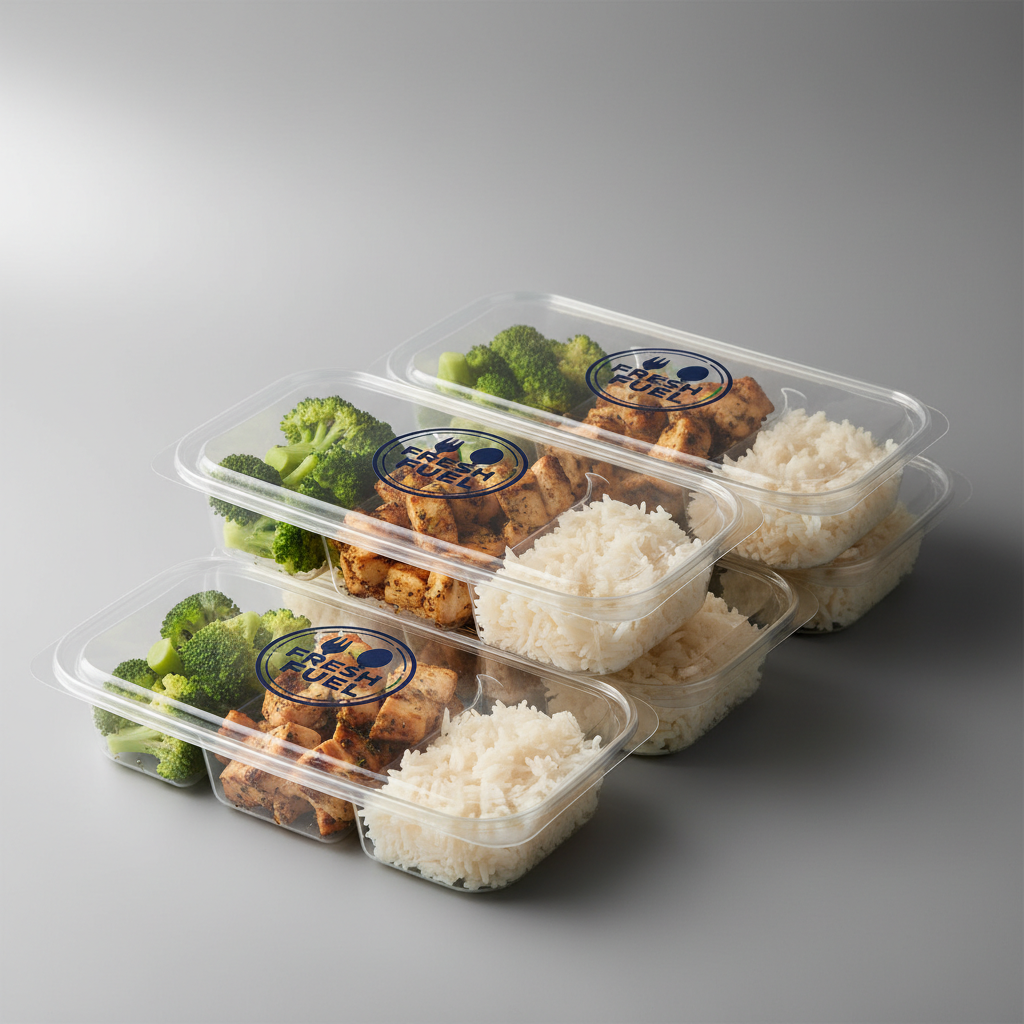
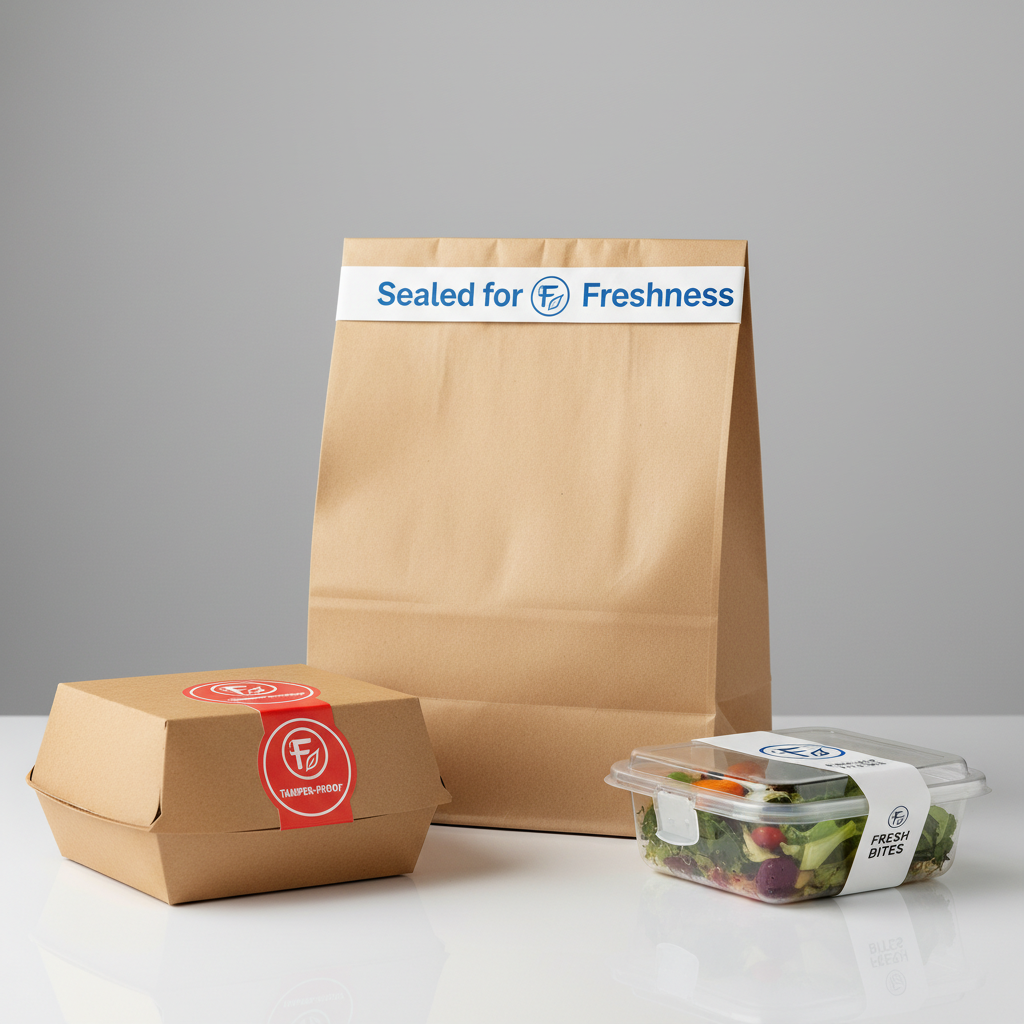
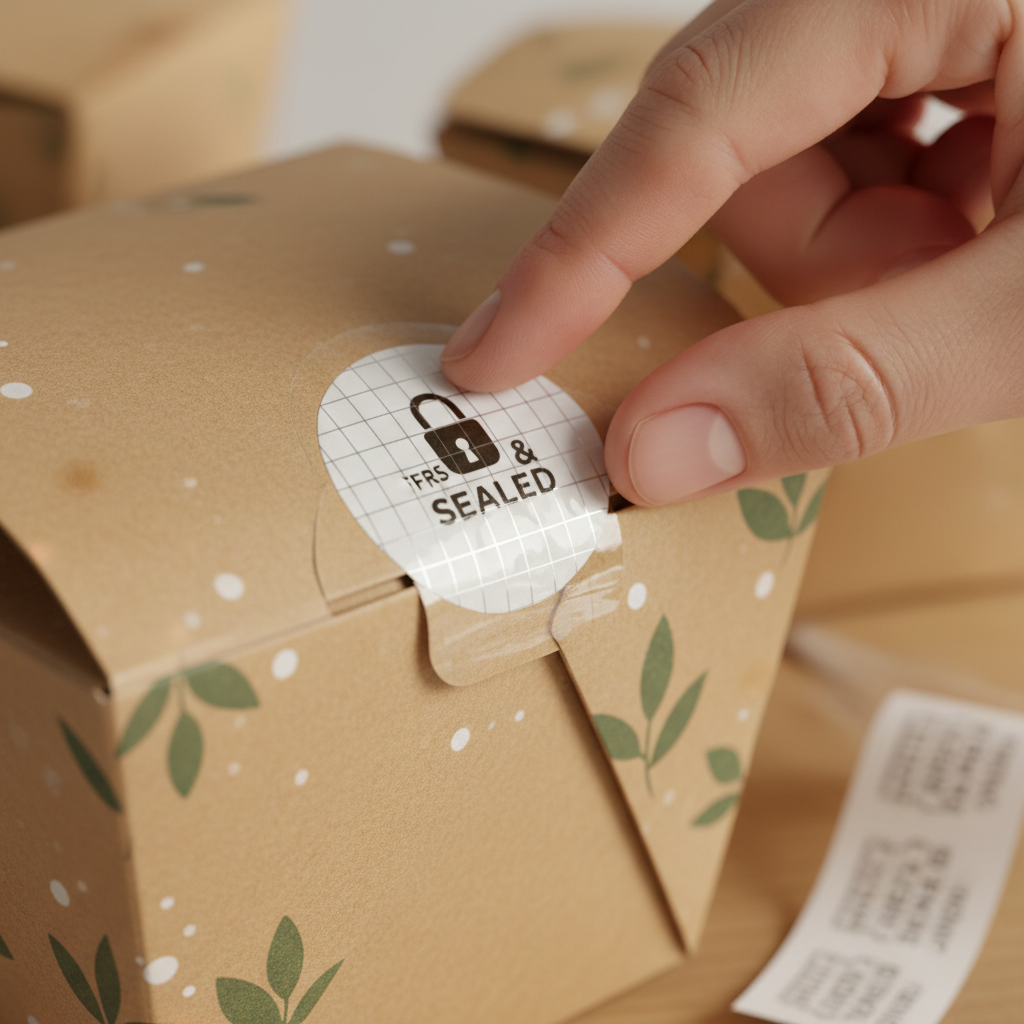
The most versatile and cost-effective solution for securing existing packaging inventory is the security seal. These are specialized labels applied over the closure points of bags, boxes, or wrapped sandwiches.
1. Material Specifications
Standard adhesive labels often fail in food environments due to heat and steam. Professional tamper-evident seals utilize specific substrates:
- Destructible Vinyl/Paper: These materials have low tensile strength. If someone attempts to peel the sticker, it fragments into tiny pieces rather than peeling off in one sheet.
- Semi-Gloss Paper with Security Cuts: A more sustainable option often used on food packaging boxes. The die-line includes strategic “security cuts” (slits) throughout the label. Any attempt to lift the label causes it to tear along these cuts.
- Void Material: When peeled, these plastic-based labels leave a residue pattern (typically saying “VOID” or “OPENED”) on the packaging surface. This is high-security but less common in low-cost food delivery due to the higher unit cost.
2. Adhesive Performance
The adhesive is the critical failure point. Food packaging surfaces vary—rough kraft paper, coated cardboard, or smooth plastic food containers. Furthermore, the packaging is often hot, emitting steam.
- Hot-Melt Rubber Adhesives: Generally preferred for food delivery. They offer high initial tack (stickiness) and perform well on recycled corrugated board and rough paper bags.
- Acrylic Adhesives: Better for clear plastic containers and cold chain items, but may struggle with condensation or hot, rough surfaces.
3. Operational Considerations
When sourcing seals, consider the application method. If kitchen staff are wearing gloves, the backing paper (liner) must be easy to remove. Rolls are typically preferred over sheets for high-volume assembly lines.
Category 2: Tamper-Evident Delivery Bags
While stickers secure individual items, the outer delivery bag is the first line of defense. Moving from stapled bags to purpose-built tamper-evident bags is a significant upgrade in operational efficiency and professional presentation.
1. Paper Delivery Bags with Integrated Seals
These are standard kraft or white paper bags modified with an adhesive strip at the mouth.
- Mechanism: The packer removes a liner strip and folds the top over. The adhesive creates a permanent bond with the bag fibers.
- Opening: To open, the customer must tear the bag, often along a perforated line. It cannot be resealed without obvious damage.
- Ventilation: High-quality food packaging bags often include die-cut vents. This allows steam to escape (preventing soggy food) without creating an opening large enough for a hand to enter.
2. Plastic Delivery Bags
Commonly used for heavy orders or liquids due to their tensile strength.
- Closure: Often feature a permanent tape closure similar to courier bags. Once sealed, the plastic stretches and distorts if pulled.
- Thickness: Measured in microns. For hot food delivery, a thickness of 40–60 microns is recommended to prevent melting or tearing under load.
Category 3: Tamper-Evident Structural Packaging
For premium brands, the packaging structure itself can provide security without needing extra stickers.
1. Tear-Strip Boxes
Common in pizza and bakery applications. The box is glued or locked by the manufacturer. The customer pulls a zipper-like tear strip to open the lid. This provides excellent tactile feedback and proof of hygiene.
2. Locking Tab Containers
Many rigid food containers now feature “break-away” tabs. The lid snaps on securely, but to remove it, a plastic tab must be snapped off. This is standard for deli items, dips, and salads.
Comparison: Stickers vs. Integrated Packaging
| Feature | Security Stickers/Seals | Integrated Tamper-Evident Packaging |
|---|---|---|
| Cost | Low (fractions of a cent) | Moderate to High (built into unit cost) |
| Flexibility | High (apply to any box/bag) | Low (specific to the container size) |
| Speed | Slower (requires manual application) | Faster (often peel-and-seal) |
| Security Level | Moderate (depends on application) | High (structural integrity) |
| Sustainability | Adds mixed materials (liner waste) | Can be mono-material (e.g., all paper) |
Customization and Branding Opportunities
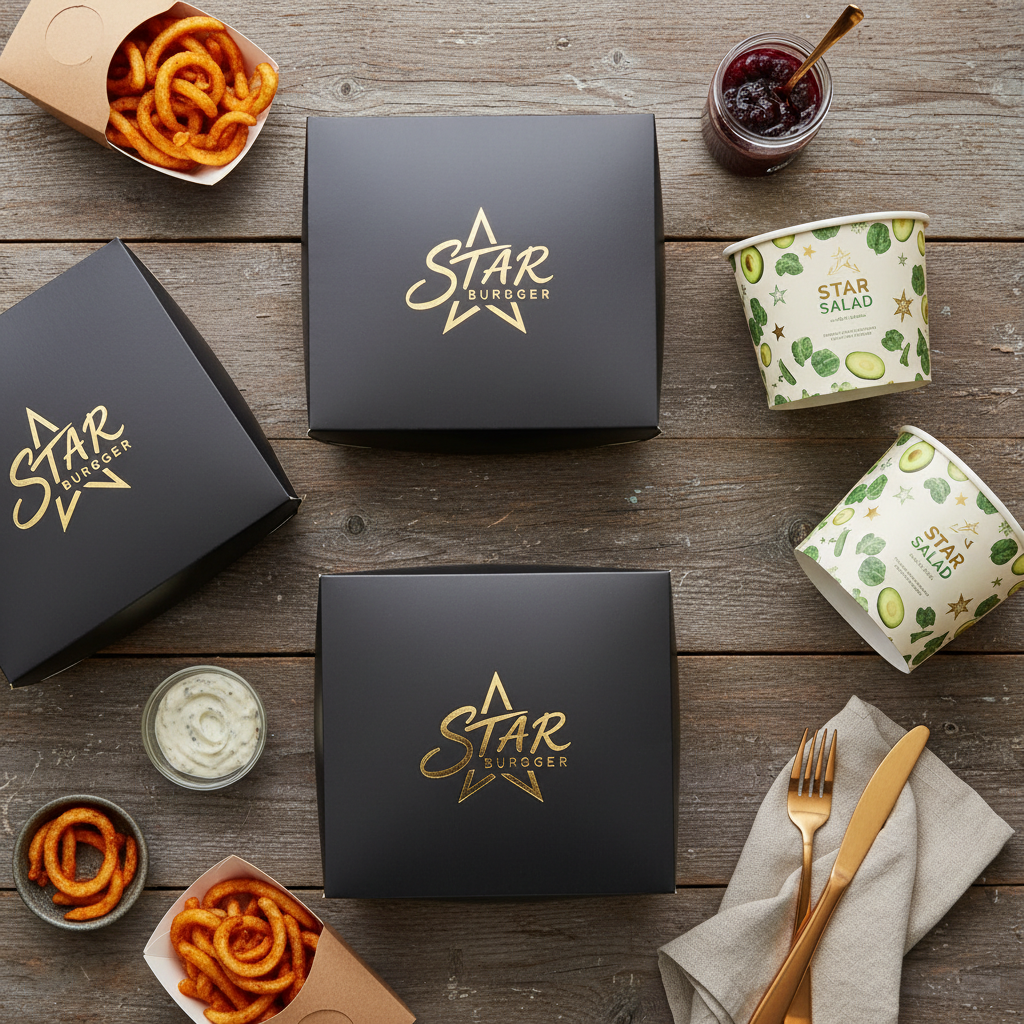
Security features should not disrupt your branding; they should enhance it. At YBJ Packing, we emphasize that every touchpoint is a marketing opportunity.
Printing on Seals
Do not settle for generic “Sealed for Freshness” stickers. Custom printing allows you to:
- Reinforce Brand Identity: Use your logo and brand colors.
- Communicate Values: Add phrases like “Locally Sourced” or “Chef Verified.”
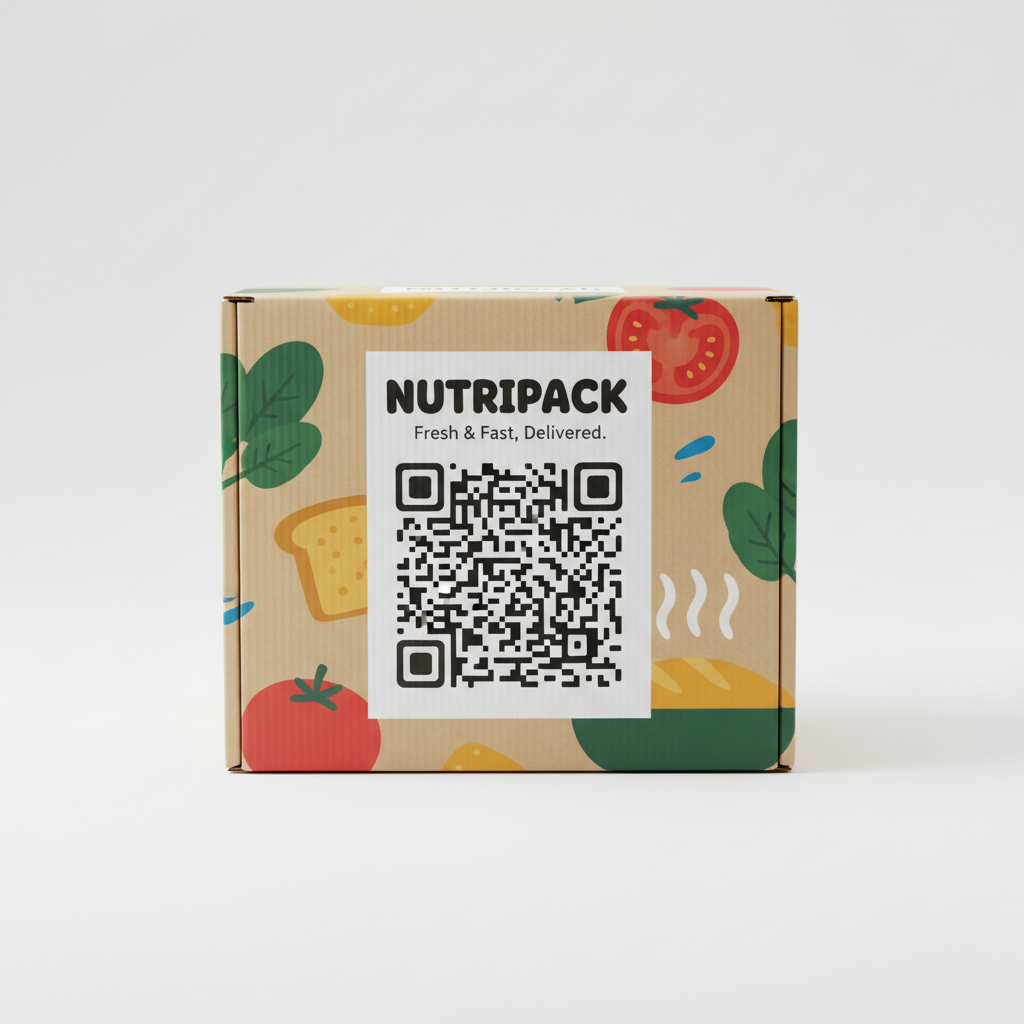
- Add Utility: Include QR codes that link to reordering pages, nutritional info, or customer feedback forms.
Printing on Bags and Boxes
For integrated solutions, flexographic and offset printing can cover the entire surface area. Ensure that the “tamper” area (where the bag is torn) contains clear instructions for the consumer, such as “Tear Here to Open,” so they don’t destroy the bag in a way that spills the food.
Technical Buying Guide: What to Ask Your Supplier
When sourcing tamper-evident packaging, specific questions will help you vet capabilities and ensure the product meets your operational needs.
1. Adhesive Temperature Range
Ask: “What is the service temperature range for this adhesive?”
If you are delivering hot soup or burgers, the adhesive must not soften and release at 60°C+ (140°F+). Conversely, if you are delivering ice cream, the adhesive must not become brittle and pop off in freezing conditions.
2. Substrate Compatibility
Ask: “Has this seal been tested on recycled kraft board?”
Recycled materials often have shorter fibers and dustier surfaces, which can challenge standard adhesives. Ensure your supplier matches the glue to your specific box material.
3. Minimum Order Quantities (MOQ)
Custom tamper-evident bags often have higher MOQs (e.g., 10,000+ units) due to the machine setup required for applying the adhesive strips. Stickers typically have lower MOQs. Understanding these thresholds helps in budget planning.
4. Lead Times and Logistics
With global shipping complexities, ensure you account for production plus transit time. Custom printed items generally require 2–4 weeks for production after artwork approval. For urgent needs, check if the supplier stocks generic tamper-evident items that can be shipped immediately.
Manufacturing and Quality Assurance
Reliable manufacturing involves strict QA processes. In the production of tamper-evident bags, the application of the adhesive strip is automated. Sensors on the production line should detect if a bag is missing its adhesive strip or release liner, rejecting it automatically.
For stickers, die-cutting precision is paramount. If the “security cuts” are too deep, the sticker might tear while staff are trying to peel it off the roll (a major frustration in busy kitchens). If they are too shallow, the sticker might peel off the box without tearing, defeating the security purpose.
Sustainability Considerations
Security does not have to come at the cost of the environment. Many brands are moving toward:
- Paper-based Tape: Using water-activated or pressure-sensitive paper tape instead of plastic tape for sealing bags.
- Compostable Adhesives: Ensuring the glue used on the sticker doesn’t contaminate the composting stream if the packaging is compostable.
- Right-Sizing: Using a properly sized tamper-evident bag eliminates the need for extra staples or excessive tape, reducing overall material usage.
How to Integrate Into Your Workflow
Successfully implementing tamper-evident packaging requires staff training:
- Designate a Sealing Station: Ensure the packing area is dry and clean. Grease on the exterior of a container will prevent seals from sticking.
- Standardize Placement: Train staff to place seals in the exact same spot (e.g., wrapping over the lid edge) to ensure consistency.
- Inventory Management: Treat seals like currency. If you run out of seals, you cannot ship secure food. Keep safety stock.
Frequently Asked Questions (FAQ)
Q: Can tamper-evident stickers be reapplied after opening?
A: No. High-quality security seals are designed to destroy themselves upon removal. They will shred, leave a residue, or lose their tackiness, making it impossible to re-seal the package invisibly.
Q: Are tamper-evident bags reusable?
A: Generally, no. To open the bag, the customer usually has to tear through the perforated top or the adhesive strip, rendering the bag open. This is intentional to prove single-use hygiene.
Q: Do I need special machinery to use tamper-evident packaging?
A: For most restaurant and catering applications, no. Peel-and-stick seals and bags are applied manually. However, high-volume food processors might use automated labeling machines for containers.
Q: What is the most cost-effective tamper-evident solution?
A: Security stickers (labels) are generally the most cost-effective as they can be applied to your existing generic packaging inventory. Switching to custom tamper-evident bags is more expensive but offers faster packing speeds.
Q: How do I submit artwork for custom seals?
A: Vector files (AI, PDF, EPS) are standard. Ensure you outline fonts and specify Pantone colors if strict color matching is required. Visit our how to order page for detailed file requirements.
Conclusion
Tamper-evident packaging is a critical component of the modern food delivery infrastructure. It bridges the gap between the kitchen and the dining table, ensuring that the food arrives exactly as the chef intended—safe, hygienic, and intact.
Whether you opt for versatile security seals, robust delivery bags, or integrated locking boxes, the investment pays dividends in customer trust and brand protection. At YBJ Packing, we specialize in customizing these solutions to fit your specific operational needs and brand aesthetic.
Ready to secure your deliveries? Contact us today to request a quote or get a sample of our tamper-evident solutions.