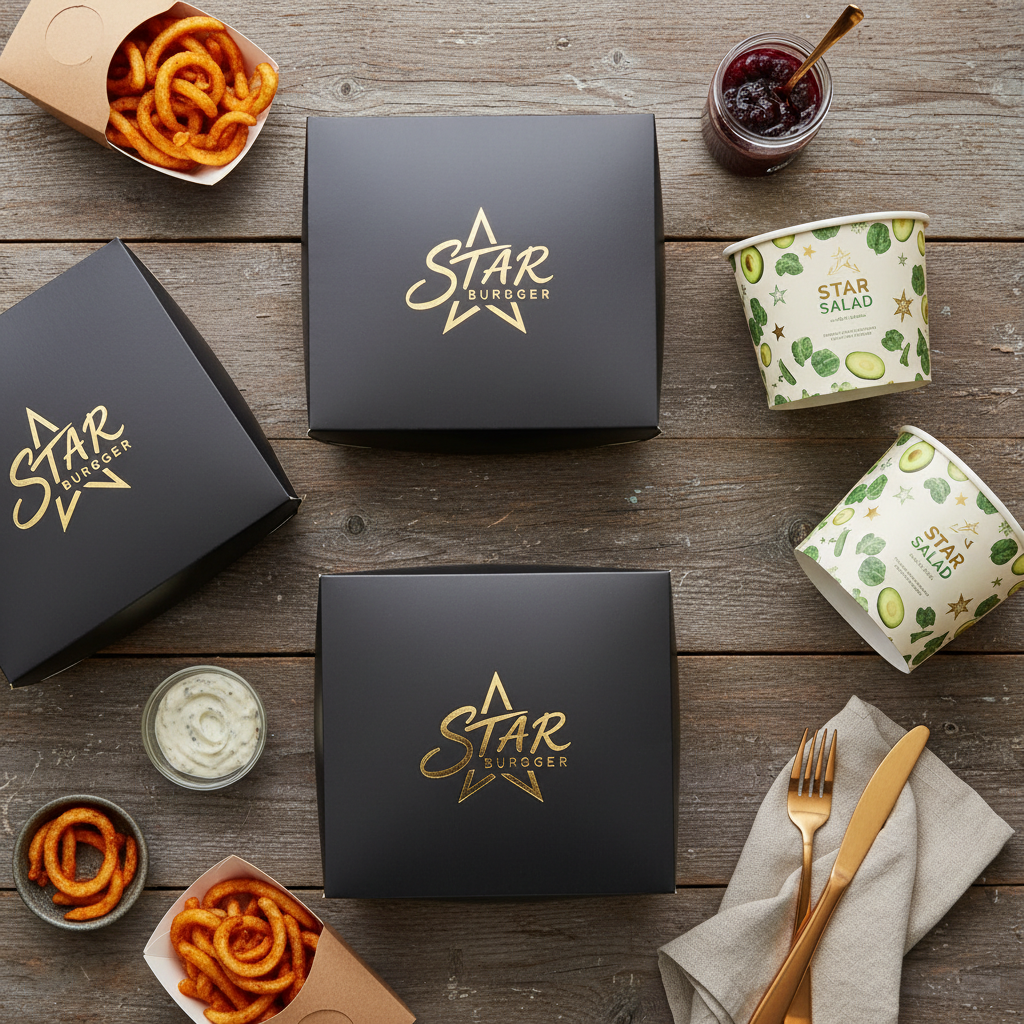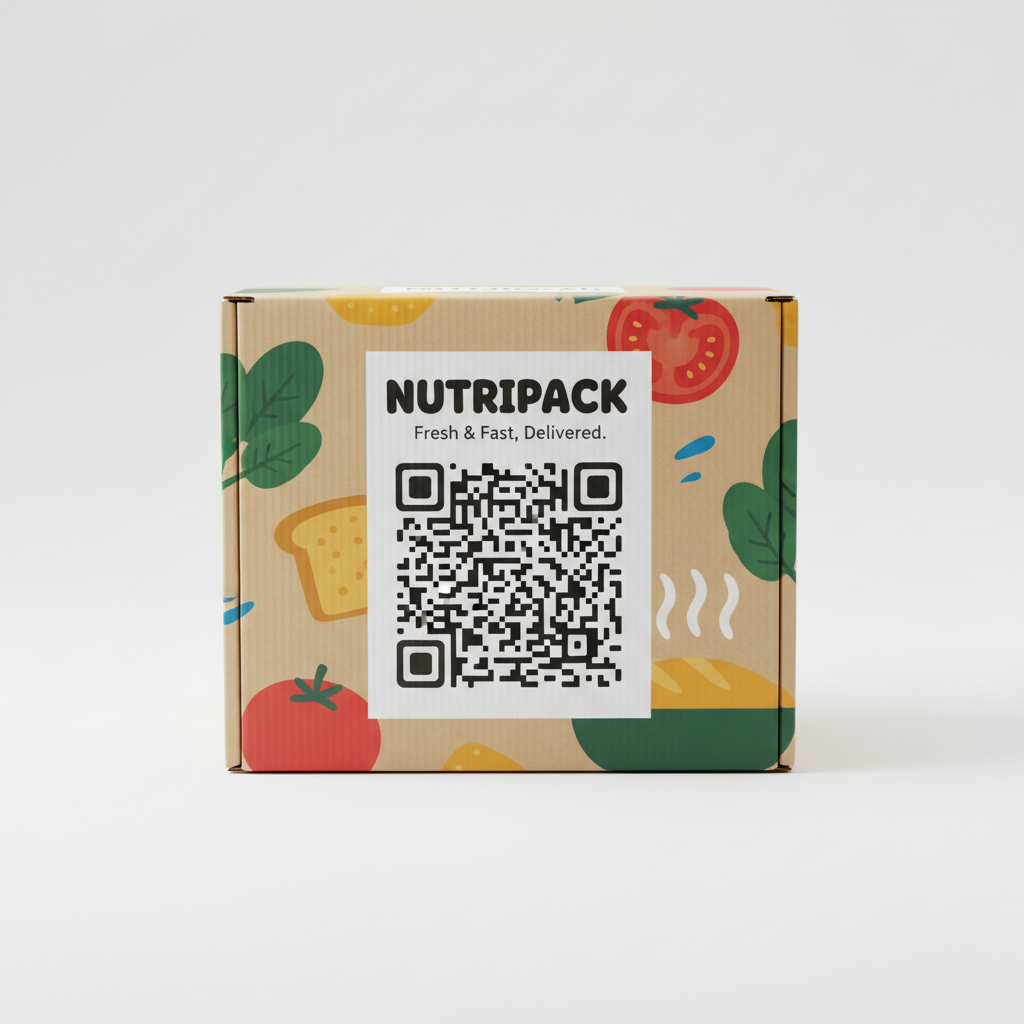


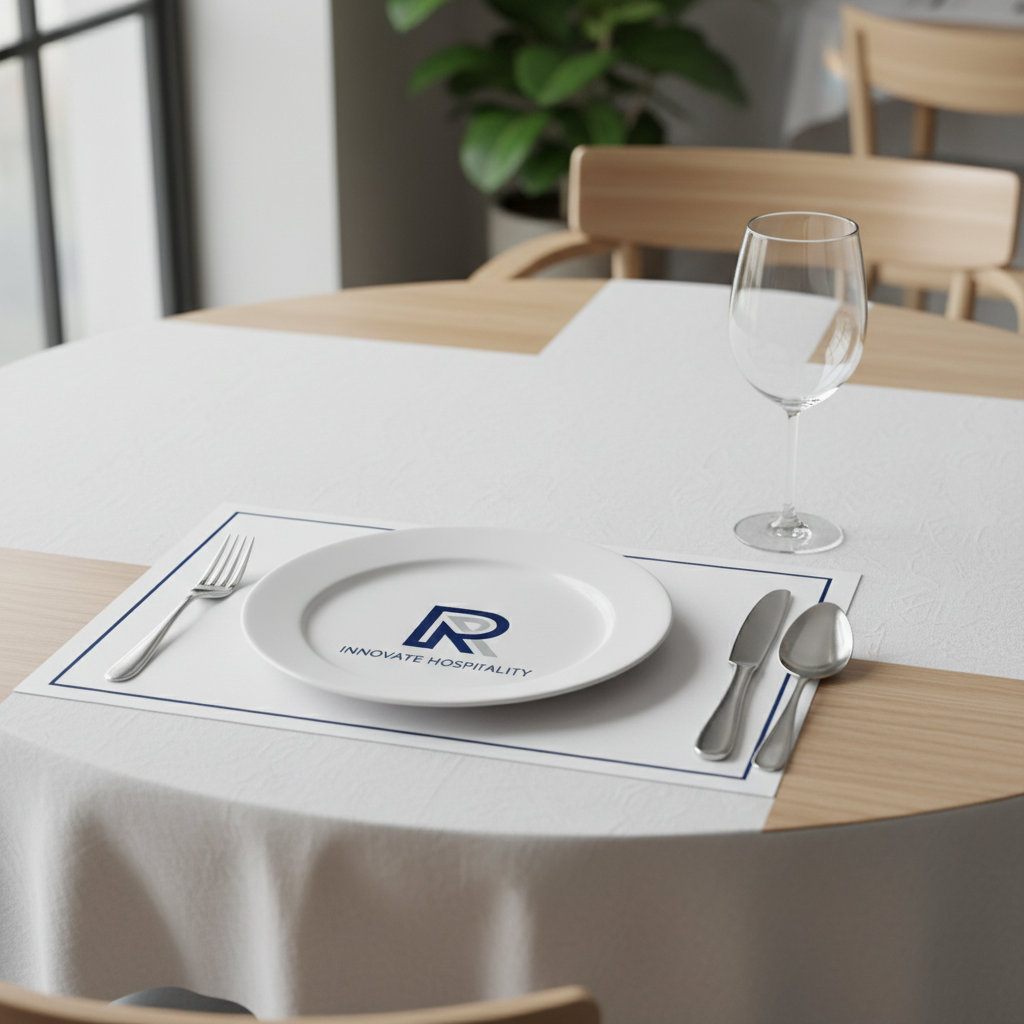
Introduction: The Strategic Role of Table Linens in Food Service
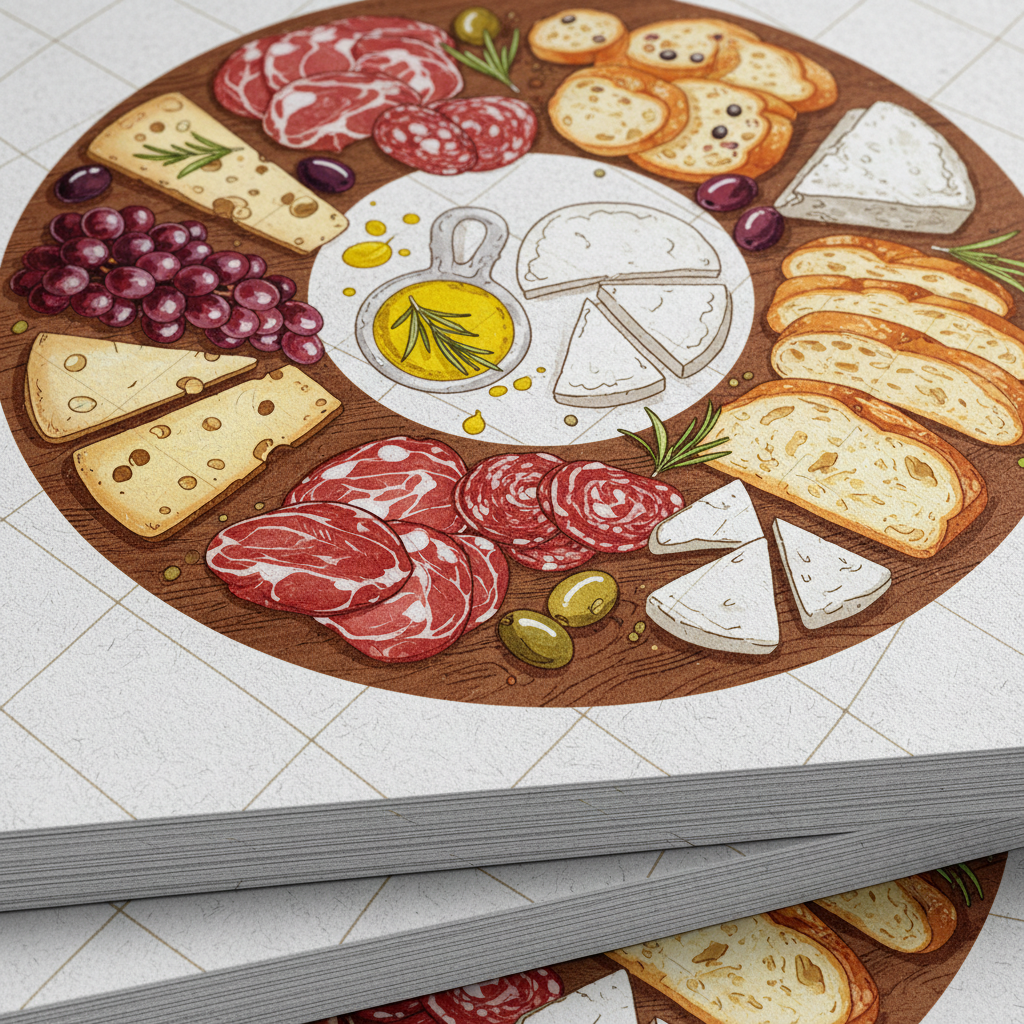
In the high-volume food service industry, disposable table coverings serve a dual purpose: they function as essential sanitary barriers and as powerful, low-cost marketing tools. For procurement managers, restaurant chain operators, and distributors, selecting the right custom tablecloths & placemats is not merely an aesthetic choice—it is an operational decision that impacts turnover times, laundry costs, and brand consistency.
Whether sourcing for a quick-service restaurant (QSR), a hotel banquet hall, or an airline catering service, understanding the technical nuances of materials, printing capabilities, and sizing is critical. This guide provides an exhaustive look at the manufacturing and selection process for wholesale tablecloths and placemats, helping B2B buyers navigate the trade-offs between cost, performance, and sustainability.
We will explore the specific substrates available—from standard offset paper to premium airlaid non-woven fabrics—and detail the printing technologies that ensure food safety compliance while delivering sharp branding. By the end of this article, you will have the technical knowledge required to issue precise RFQs and secure the best value for your supply chain.
1. Key Concepts and Market Overview
Before diving into material specifications, it is important to define the scope of disposable table linens in the current B2B market. The shift away from linen rentals towards high-quality disposables is driven by hygiene concerns and the rising costs of water, energy, and labor associated with laundering.
Disposable vs. Reusable: The Cost-Benefit Analysis
For high-traffic venues, disposable options offer predictable costs per unit. Unlike cloth linens, which degrade over time and require inventory management to account for loss and damage, disposable tablecloths & placemats wholesale orders provide a fresh, pristine surface for every guest. This is particularly vital in post-pandemic operational models where visible hygiene is a top consumer priority.
Primary Product Categories
- Tray Liners: Thin, often uncoated paper used in fast food and cafeterias to absorb minor spills and market promotions.
- Placemats: Heavier weight paper or non-woven fabric used in casual to fine dining to frame the plate and protect the table.
- Tablecloths (Rolls & Sheets): Full coverage sheets made from paper, plastic (PE), or hybrid materials for banquets and catering.
- Table Runners: Narrow strips used for decorative accents, often printed with seasonal themes or logos.
2. Material Specifications: Choosing the Right Substrate
The core of your purchasing decision lies in the material. The choice of substrate dictates the tactile feel, ink absorption, grease resistance, and disposal method.
Paper-Based Options
Paper is the most common substrate for placemats and tray liners due to its cost-effectiveness and printability.
- Offset / Bond Paper (60gsm – 120gsm): The standard for most restaurant placemats. It offers a smooth surface for high-resolution printing. A 70-80gsm weight is typical for single-use placemats, providing enough opacity to hide the table surface without excessive bulk.
- Kraft Paper (Brown/White): Preferred for brands emphasizing sustainability or a rustic aesthetic. Unbleached brown kraft paper has high tear resistance and excellent eco-credentials, though color matching for logos requires careful adjustment due to the darker base.
- Greaseproof Paper (Kit 3 – Kit 7): Essential for baskets or messy foods (burgers, wings). These papers are treated to resist oil penetration, preventing unsightly grease spots from soaking through to the table.
- Newsprint / Groundwood: A lower-cost, slightly off-white option often used for “fish and chip” style branding or highly economical tray liners.
Plastic and Polymer Options
For tablecloths requiring waterproofing and durability, polymers are the standard.
- LDPE (Low-Density Polyethylene): The most common material for disposable banquet tablecloths. It is waterproof, wipeable, and available in various thicknesses (typically 0.03mm to 0.08mm). It drapes well but has a distinctly plastic feel.
- PE-Coated Paper: A hybrid option often used for premium placemats. A layer of paper provides the print surface and stiffness, while a thin poly coating on the bottom prevents spills from reaching the table.
Non-Woven and Premium Fabrics
For venues that want the feel of linen without the laundry costs, non-woven materials are the superior choice.
- Airlaid Paper: A textile-like material made from fluff pulp. It is bulky, soft, and highly absorbent. Airlaid napkins and table runners are popular in premium catering and business class travel.
- Spunbond Polypropylene (Non-woven): Durable and water-resistant, often used for reusable tote bags but also applicable for heavy-duty table covers that might be used for longer durations (e.g., multi-day conferences).
3. Size Guide and Customization Formats
Standardization helps reduce waste and cost, but custom sizes are frequently necessary for specific table dimensions or tray sizes. When ordering custom tablecloths & placemats, consider the following dimensions.
Standard Placemat Sizes
| Format | Dimensions (Inches) | Dimensions (mm) | Typical Use Case |
|---|---|---|---|
| Standard Rectangular | 10″ x 14″ | 254 x 355 mm | Cafeteria trays, compact tables |
| Large Rectangular | 11″ x 17″ | 279 x 432 mm | Full-service dining, kids’ activity mats |
| A3 Format | 11.7″ x 16.5″ | 297 x 420 mm | International standard, fine dining |
| Square / Round | Custom (e.g., 12″ x 12″) | 305 x 305 mm | Under centerpieces or pizza stands |
Tablecloth Formats
- Roll Stock: Sold in continuous rolls (e.g., 100 meters long) allowing staff to cut to length. Ideal for long banquet tables or varying table setups.
- Pre-Cut Sheets: Manufactured to specific table sizes (e.g., 54″ x 54″ or 54″ x 108″). This reduces setup time but requires precise knowledge of your table inventory.
- Folded vs. Flat: Bulk shipments usually require tablecloths to be folded. Ensure your supplier uses a folding method that minimizes deep creasing, or choose rolled packaging for premium applications.
4. Printing Technologies and Ink Safety
The quality of the print reflects the quality of the brand. However, in the food service industry, safety is paramount. Ink migration and odor are critical quality control points.
Flexographic Printing (Flexo)
Flexo is the industry standard for high-volume printed tablecloths & placemats. It uses flexible relief plates and is highly efficient for large runs (10,000+ units).
- Pros: Low unit cost, fast production, supports water-based inks.
- Cons: Higher initial plate costs; gradients can sometimes be less smooth than offset.
- Best For: Logos, patterns, and 1-4 color designs on napkins and placemats.
Offset Printing
Offset lithography is used for paper placemats requiring photographic quality or complex artwork (e.g., kids’ menus with intricate coloring lines).
- Pros: Superior image quality, sharp text, vibrant colors.
- Cons: Generally higher cost per unit for short runs compared to digital; slower drying time for heavy ink coverage.
- Best For: Marketing placemats with detailed menus, QR codes, or third-party advertisements.
Food-Grade Inks
Regardless of the printing method, all table linens that may come into incidental contact with food must use food-safe inks. Ensure your manufacturer utilizes:
- Water-Based Inks: Free from volatile organic compounds (VOCs) and heavy solvents.
- Soy or Vegetable-Based Inks: A sustainable alternative that offers excellent color vibrancy.
- Low-Migration Inks: Specifically formulated to prevent ink components from transferring to food or skin.
5. Use Cases and Industry Applications
Different sectors of the hospitality industry have distinct requirements for their table settings. Aligning the product specifications with the use case is essential for customer satisfaction.
Quick Service & Fast Casual
Requirement: Speed, low cost, marketing space.
Solution: 60-70gsm paper tray liners. These are single-use and often printed with seasonal promotions or limited-time offers (LTOs). The paper absorbs minor condensation from cold drinks, preventing the tray from becoming slippery.
Family Dining & Chains
Requirement: Engagement, durability.
Solution: 80-100gsm uncoated paper placemats. The uncoated surface is crucial for “kids’ menus” to allow coloring with crayons. The slightly heavier weight prevents the paper from tearing easily when wet.
Outdoor Catering & Events
Requirement: Weather resistance, coverage.
Solution: LDPE or Non-woven tablecloths. Plastic options protect rental tables from spills and rain. Non-woven options offer a more upscale look for weddings or corporate galas while still being disposable.
Fine Dining (Casual)
Requirement: Aesthetics, hygiene.
Solution: Airlaid placemats or high-GSM embossed paper. These provide a tactile experience similar to cloth and can be printed with subtle, elegant branding (e.g., gold foil stamping or monochromatic logos).
6. Manufacturing and Quality Assurance
When working with a tablecloths & placemats manufacturer, understanding the production workflow helps in anticipating lead times and potential defects.
The Production Process
- Material Sourcing: Large rolls of raw paper or plastic are sourced. Quality checks are performed for brightness, thickness, and tensile strength.
- Printing: The raw material is fed through the printing press (flexo or offset). In-line cameras often monitor color consistency.
- Cutting/Sheeting: The printed rolls are cut into individual sheets or wound into smaller consumer rolls. Precision cutting is vital to ensure centered designs.
- Embossing (Optional): For paper tablecloths and napkins, an embossing roller adds texture and increases softness.
- Packaging: Products are shrink-wrapped or boxed. Bulk orders are palletized for export.
Quality Control Checklist
Buyers should define acceptable quality limits (AQL) for:
- Color Matching: Adherence to Pantone (PMS) codes.
- Dimensions: Tolerance levels (typically +/- 2mm for placemats).
- Ink Rub: Resistance of ink to smudging when rubbed (dry and wet rub tests).
- Odor: Ensuring no solvent smell remains on the finished product.
7. Sustainability and Eco-Friendly Options
Sustainability is no longer a niche requirement; it is a standard expectation in B2B procurement. To align with corporate social responsibility (CSR) goals, consider the following:
- FSC-Certified Paper: Ensures the wood pulp comes from responsibly managed forests.
- Recycled Content: Paper containing post-consumer waste (PCW). Note that high PCW content may affect the brightness of the paper.
- Compostable Coatings: Instead of traditional PE lining, look for PLA (polylactic acid) or water-based barrier coatings if grease resistance is needed. These allow the product to be industrially composted.
- Biodegradable Inks: Using inks that do not contaminate the recycling stream.
Explore our wider range of eco-conscious disposable tableware to complete your sustainable packaging strategy.
8. Buying Guide: How to Order Wholesale
Navigating the ordering process for bulk tablecloths & placemats requires preparation. Here is a step-by-step guide to streamlining your procurement.
1. Define Your Specifications
Be specific. Instead of asking for “placemats,” specify: “100,000 units, A3 size, 80gsm offset paper, 4-color print, bulk packed.”
2. Artwork Preparation
Most manufacturers require vector files (AI, PDF, EPS) for the best print quality. Convert all fonts to outlines and ensure images are at least 300 DPI. If you are printing a full-bleed design (ink reaching the edge), ensure your artwork includes a bleed margin (usually 3-5mm).
3. Minimum Order Quantities (MOQ)
MOQs vary by manufacturing process:
- Digital Printing: Low MOQ (500-1,000 units), high unit cost. Good for testing.
- Offset/Flexo: Higher MOQ (10,000 – 50,000 units), low unit cost. The most economical choice for chains and distributors.
4. Sampling
Always request a physical sample before mass production. A digital proof shows the layout, but only a physical proof (or a pre-production sample) shows the actual paper feel and color accuracy.
5. Logistics and Lead Times
Factor in production time (typically 2-4 weeks) and shipping time (4-6 weeks for sea freight). If you have a firm deadline for a store opening or holiday event, communicate this early. Visit our How to Order page for details on our workflow.
9. Frequently Asked Questions (FAQ)
What is the difference between uncoated and coated paper for placemats?
Uncoated paper has a natural texture and is best for writing or coloring (kids’ menus). Coated paper (gloss or matte) offers better ink hold-out for vibrant photos but can be slippery and harder to write on.
Can I order custom shapes for placemats?
Yes, custom die-cutting is possible. While rectangular is standard, we can produce round, oval, or unique shapes to match your brand theme. This requires a one-time die mold fee.
Are your inks food safe?
Absolutely. We strictly use food-grade, low-migration inks suitable for indirect food contact. We can provide safety data sheets (SDS) upon request.
How do I prevent paper placemats from curling?
Curling can happen due to humidity changes. We recommend storing paper products in their original packaging in a cool, dry place until use. Choosing a slightly heavier paper weight (80gsm+) also reduces curling.
What is the lead time for a custom printed order?
Typically, once artwork is approved, production takes 15–25 days depending on the quantity. Shipping times vary by destination.
Do you offer grease-resistant placemats?
Yes, we can apply a grease-resistant coating or use treated paper stock, which is ideal for restaurants serving fried foods where oil spots might otherwise ruin the presentation.
Conclusion
Selecting the right custom tablecloths & placemats involves balancing aesthetics, functionality, and budget. From the crisp snap of a paper placemat to the protective durability of a poly tablecloth, these items are fundamental to the dining experience and your brand’s image.
At YBJ Packing, we specialize in helping international buyers navigate these choices, delivering high-quality, custom-printed solutions that meet the rigorous demands of the food service industry. Whether you need a container-load of tray liners or a specialized run of airlaid table runners, our team is ready to assist.
Ready to elevate your table setting? Contact us today to request a quote or get a sample kit tailored to your business needs.