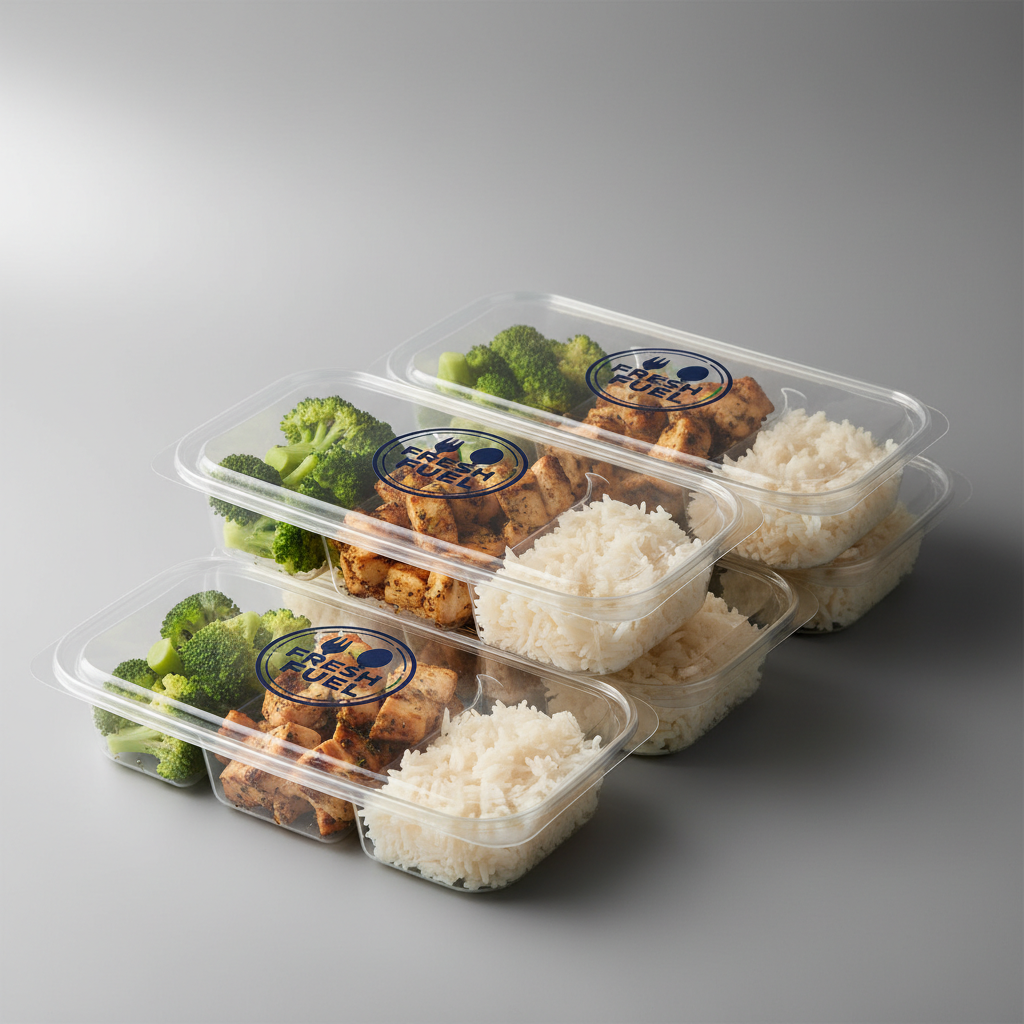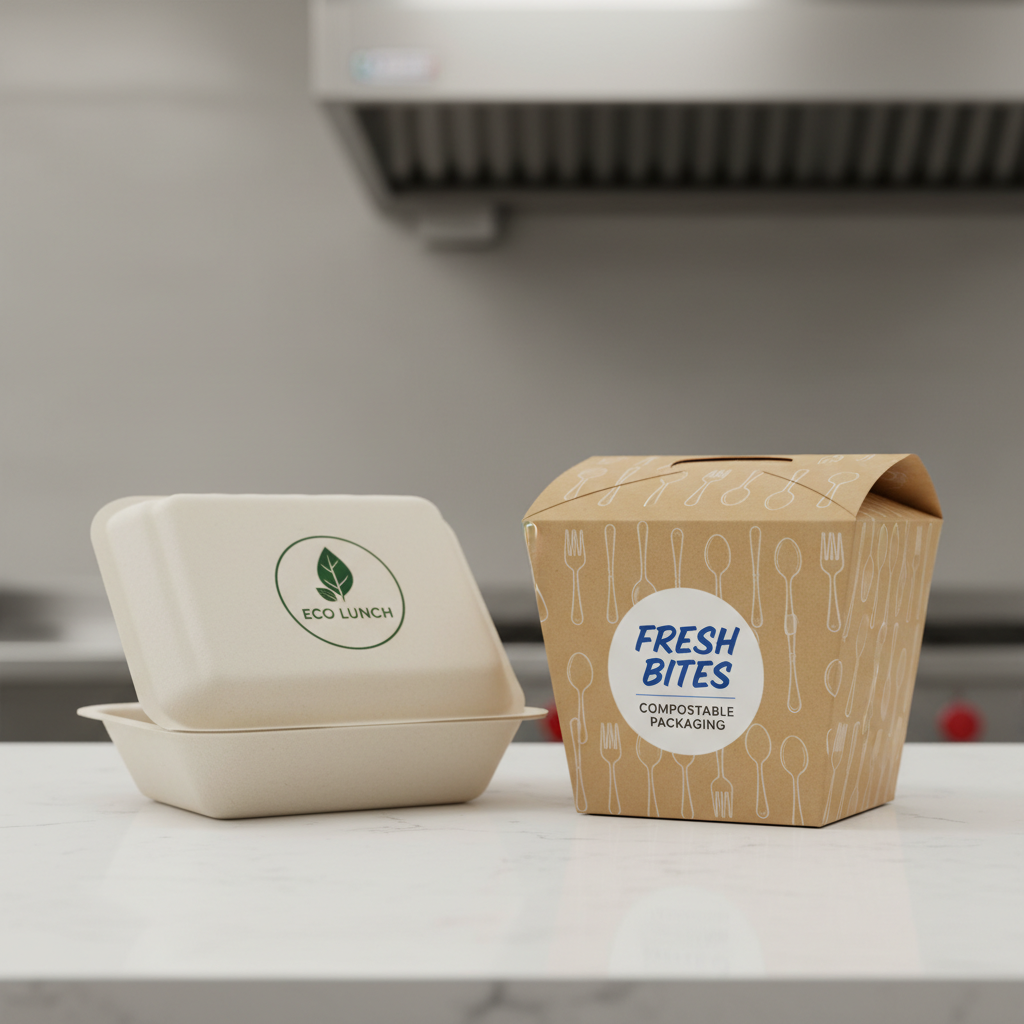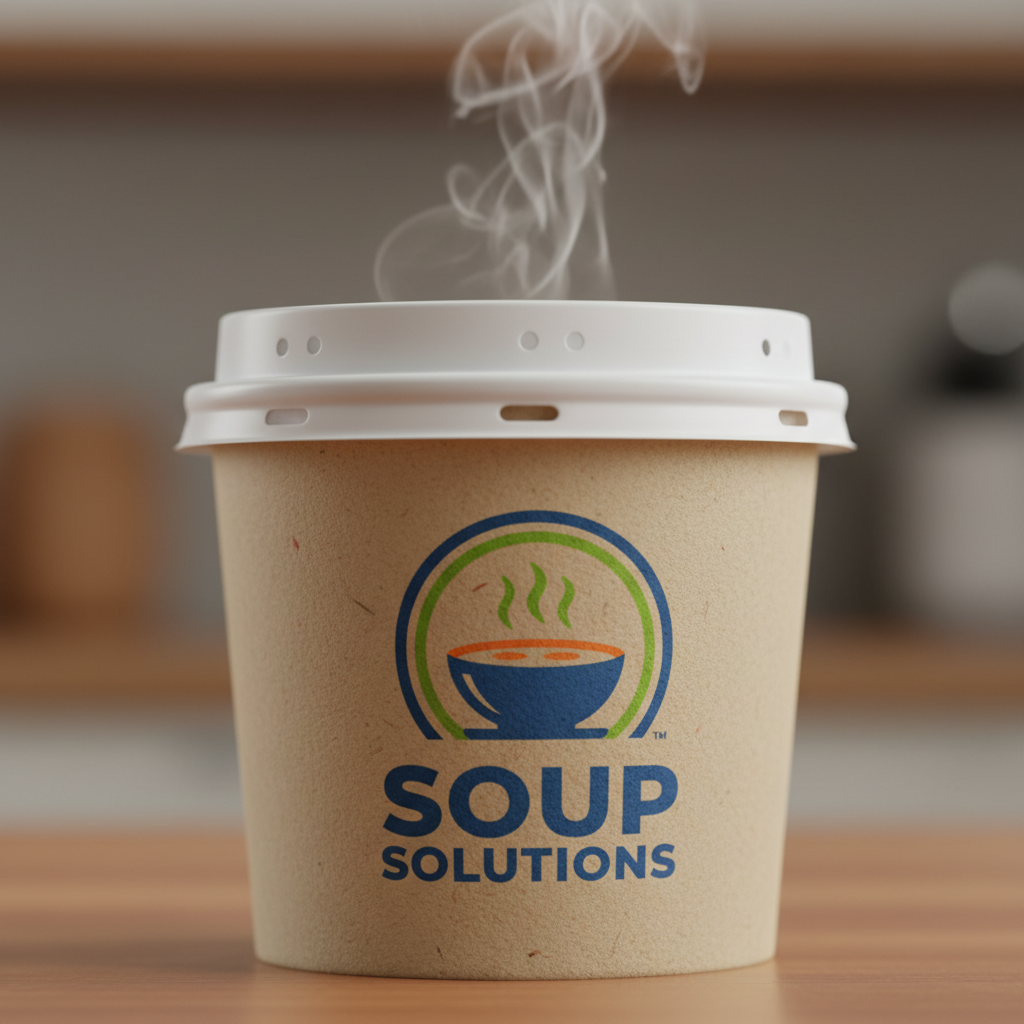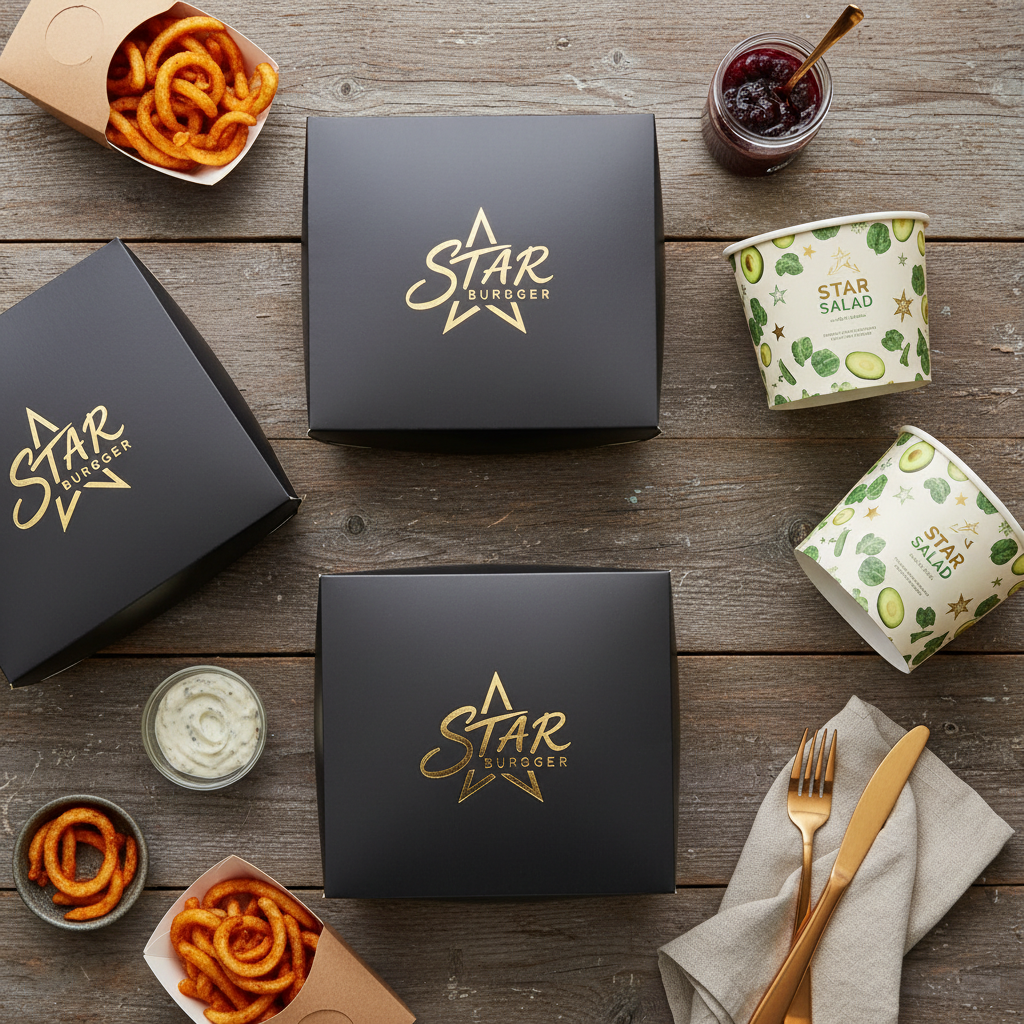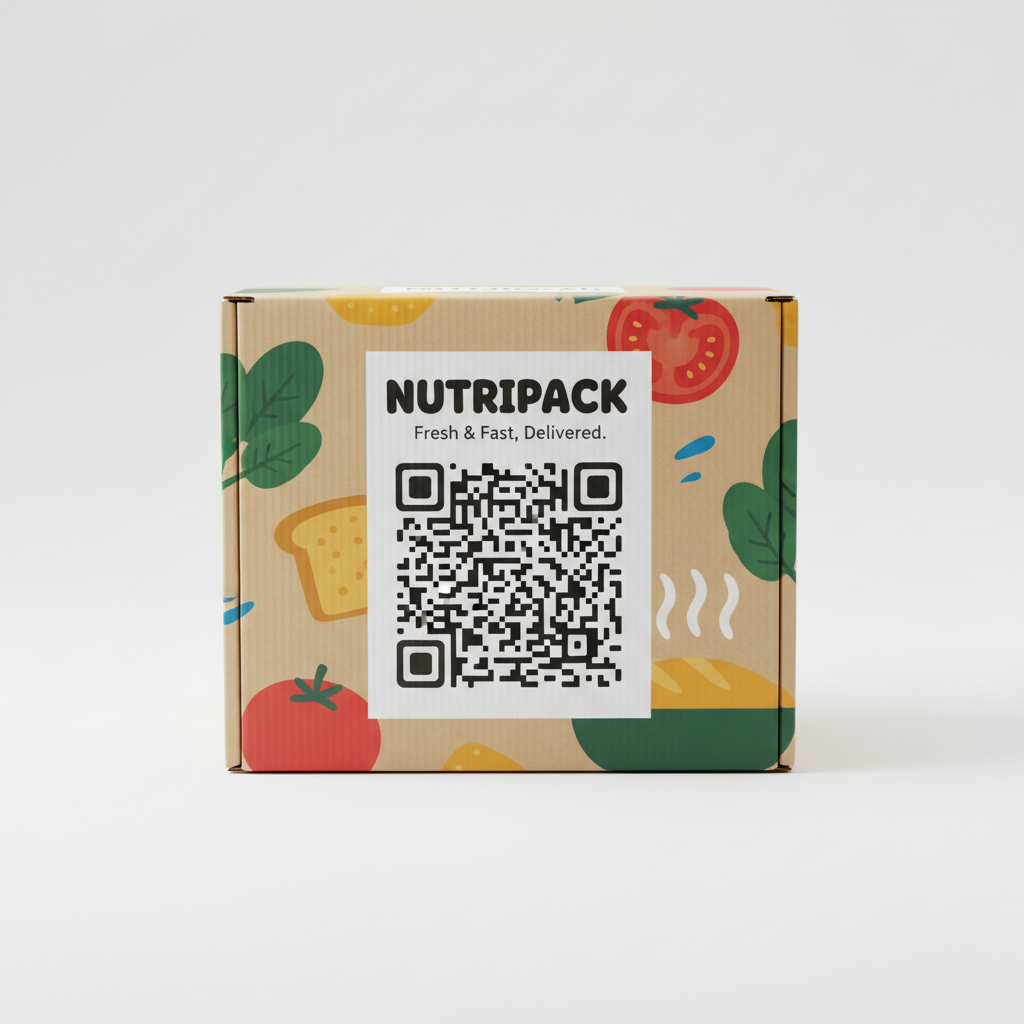


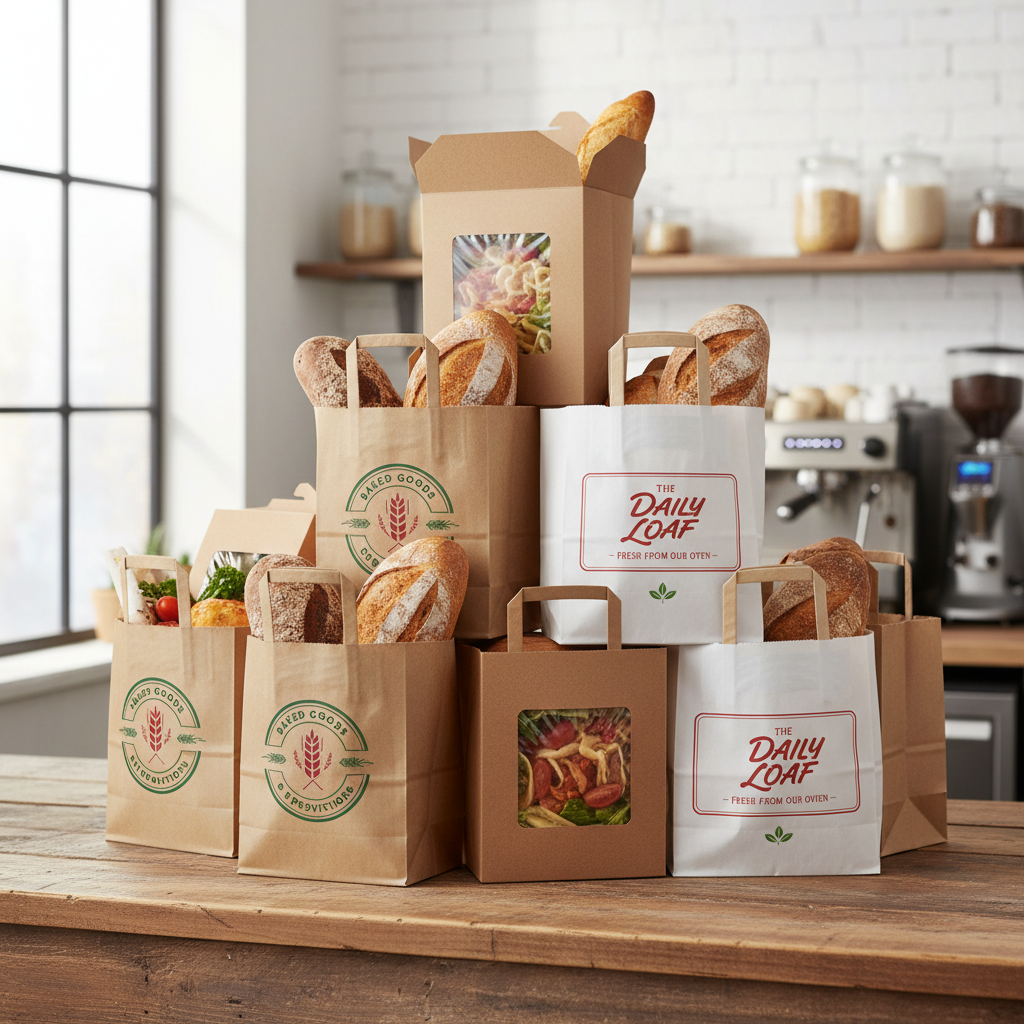
In the fast-paced world of food service and retail, the packaging you choose is more than just a vessel—it is a critical component of brand identity, operational efficiency, and customer satisfaction. Among the most versatile and widely used packaging solutions is the SOS paper bag (Self-Opening Sack). From bustling quick-service restaurants (QSR) to artisanal bakeries and grocery chains, the SOS bag is the workhorse of the industry.
For B2B buyers, procurement managers, and brand owners, selecting the right SOS bag involves navigating a complex matrix of material specifications, grease-resistance levels, sizing constraints, and printing capabilities. A bag that fails during delivery can damage a brand’s reputation, while over-engineered packaging can unnecessarily inflate costs.
This comprehensive guide explores the technical aspects of SOS paper bags, offering a deep dive into materials, manufacturing processes, and customization options. Whether you are sourcing for a multinational franchise or a regional distributor, this guide provides the insights needed to make informed purchasing decisions with YBJ Packing.
What Exactly is an SOS Paper Bag?
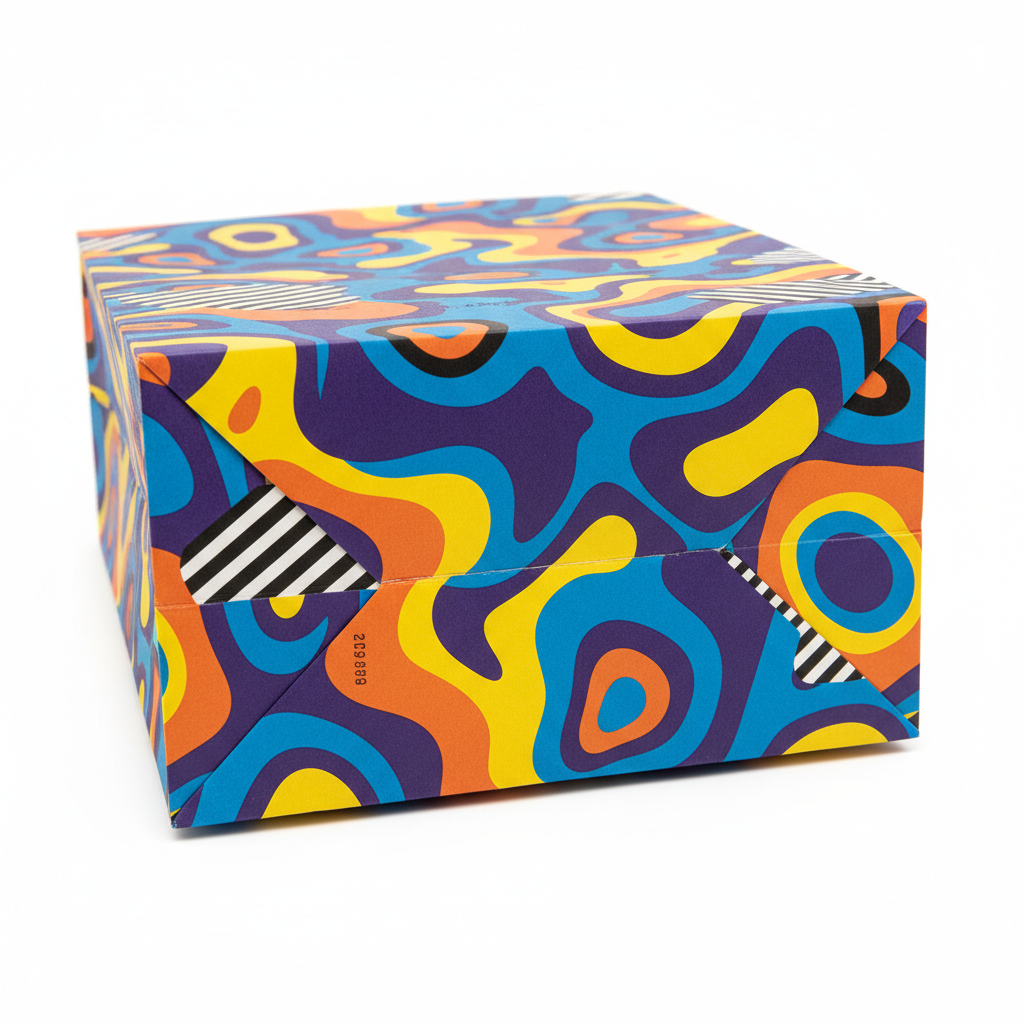
The term SOS stands for Self-Opening Sack. It refers to a specific style of paper bag designed with a rectangular block bottom and side gussets. This construction allows the bag to stand upright on its own when opened, making it incredibly efficient for rapid filling in high-volume environments.
The Mechanics of the “Self-Opening” Feature
Unlike flat bags or pinch-bottom bags, the SOS bag is engineered for speed. When a server or packer snaps the bag open, the bottom unfolds instantly to create a flat base. This structural integrity is achieved through precise folding and gluing during the manufacturing process. The ability to stand upright without support frees up the packer’s hands, significantly reducing the time required to load takeout containers, groceries, or retail items.
Block Bottom vs. Pinch Bottom
It is essential to distinguish SOS bags from other varieties:
- SOS (Block Bottom): Has a flat, rectangular base. It maximizes volume and stability. It is the standard for fast food, grocery, and heavy retail items.
- Pinch Bottom: The bottom is sealed flat (like an envelope). These bags do not stand up on their own and are typically used for smaller, flatter items like cookies, cards, or pretzels.
For most food service applications involving meal kits, burger boxes, or multiple items, the SOS design is the superior choice due to its volumetric efficiency and stability during transport.
Material Selection: The Foundation of Quality
The performance of an SOS bag is dictated primarily by the paper substrate used. Manufacturers offer several grades of paper, each suited to different aesthetic preferences and strength requirements.
Virgin Brown Kraft Paper
Virgin Brown Kraft is the industry standard for strength and durability. Made from unbleached wood pulp, it retains the natural long fibers of the wood, providing exceptional tensile strength and tear resistance. It gives a rustic, natural, and eco-friendly appearance that resonates well with consumers prioritizing sustainability.
White Bleached Kraft Paper
For brands that require vibrant, high-contrast printing, White Bleached Kraft is the preferred substrate. The bleaching process removes the natural brown hue, creating a pristine white canvas. This allows colors—especially lighter shades and gradients—to pop accurately. While slightly more expensive than brown kraft, it offers a premium look often favored by pharmacies, high-end bakeries, and cosmetic retailers.
Recycled Kraft Paper
Recycled paper is an excellent choice for brands with strict sustainability mandates. However, buyers should note that recycled fibers are shorter than virgin fibers, which can result in slightly lower tensile strength. To compensate, manufacturers may recommend a slightly higher GSM (Grams per Square Meter) to achieve the same load-bearing capacity as a virgin kraft bag.
Understanding GSM (Paper Weight)
Paper thickness is measured in GSM. Choosing the right GSM is a balance between cost and performance:
- 40–60 GSM: Lightweight. Suitable for small bakery bags (cookies, croissants) where the load is light.
- 70–90 GSM: Medium weight. The standard for most fast-food takeout bags holding a meal and a drink.
- 100–120+ GSM: Heavyweight. Required for large grocery bags or luxury retail bags carrying heavy items like wine bottles or bulk produce.
Barrier Coatings and Grease Resistance
For the food service industry, paper strength is not enough; the bag must also contain the food without leaking oil or grease. Grease stains on a bag not only look unappealing but can also compromise the paper’s structural integrity, leading to tears.
PE (Polyethylene) Lining
A thin layer of PE plastic extruded onto the inner surface of the paper provides a robust barrier against oil, grease, and moisture. This is the traditional solution for fried chicken, burgers, and oily pastries. However, PE-lined bags can be more challenging to recycle in standard paper streams depending on local infrastructure.
Greaseproof Paper and Kit Levels
An alternative to plastic linings is using chemically treated greaseproof paper. The level of oil resistance is measured by the “Kit Test,” typically ranging from Kit 1 to Kit 12.
- Kit 3–5: Suitable for dry baked goods with low fat content (e.g., bread, muffins).
- Kit 6–8: Moderate resistance, suitable for sandwiches and pastries.
- Kit 9–12: High resistance, necessary for fried foods, french fries, and oily items.
Eco-Friendly Alternatives
Innovations in SOS paper bag manufacturing have led to water-based coatings and compostable linings (like PLA) that offer grease resistance without compromising biodegradability. Buyers should discuss specific sustainability goals with their manufacturer to select the right barrier technology.
Sizing Guide: Finding the Right Fit
Standardizing bag sizes helps streamline inventory and reduce costs. SOS bags are defined by three dimensions: Width (W) x Gusset (G) x Height (H).
The Importance of the Gusset
The gusset (side depth) determines how wide the bag opens. This is the most critical dimension for food service, as it dictates what size takeout containers can sit flat at the bottom of the bag. If the gusset is too narrow, containers may tilt, leading to spills.
Common Standard Sizes
While custom sizes are always possible, sticking to industry standards can reduce lead times. Common designations include:
- #4 to #12 Bags: Smaller sizes typically used for single items, pastries, or small sides.
- #20 to #25 Bags: Medium sizes, often used for meal combos (burger + fries).
- 1/6 Barrel (roughly 12x7x17 inches): The standard grocery sack size, capable of holding significant volume.
When requesting a quote, it is helpful to provide the dimensions of your primary food containers to ensure the bag manufacturer recommends a size with an appropriate bottom footprint.
Custom Printing and Branding Options
An SOS bag is a walking billboard. In high-traffic urban areas, a branded bag generates thousands of impressions. Effective printing transforms a commodity item into a marketing asset.
Flexographic Printing
The vast majority of bulk SOS bags are printed using flexography (flexo). This process uses flexible relief plates to transfer ink onto the paper. It is fast, cost-effective for high volumes, and produces consistent results.
- Spot Colors (Pantone/PMS): Best for logos and bold text. Flexo excels at printing 1 to 4 specific spot colors with high precision.
- CMYK Process: Used for photographic images or complex gradients. While possible on flexo, it requires high-quality coated paper for the best resolution.
Ink Safety Considerations
For food packaging, ink safety is non-negotiable. Reputable manufacturers use:
- Water-Based Inks: The standard for food packaging. They are non-toxic, low-odor, and environmentally friendly.
- Soy/Vegetable-Based Inks: Offer excellent color vibrancy and are derived from renewable resources, aligning with green brand values.
Artwork Preparation Checklist
To ensure a smooth production process, buyers should prepare their artwork files correctly:
- Format: Vector files (AI, EPS, PDF) are required for crisp lines. Raster images (JPG, PNG) will pixelate.
- Colors: Specify Pantone (PMS) codes to ensure brand color consistency across different production runs.
- Die-Lines: Request a die-line template from the manufacturer to visualize where the folds and gussets will fall, ensuring your logo isn’t hidden in a crease.
Advanced Customization Features
Beyond size and print, several functional customizations can enhance the user experience.
Handle Options
While standard SOS bags do not have handles, adding them converts the bag into a premium carrier (often called a “shopping bag” style SOS).
- Twisted Paper Handles: Strong and economical, made from twisted kraft paper.
- Flat Paper Handles: Folded paper strips, often used for takeout.
- Die-Cut Handles: A reinforced cutout in the top of the bag itself, offering a sleek look.
Tamper-Evident Solutions
With the rise of third-party delivery apps, food safety during transit is a priority. SOS bags can be designed with specific adhesive strips or designated areas for tamper-evident stickers, giving customers peace of mind that their food hasn’t been touched.
Manufacturing and Quality Assurance
Understanding how your bags are made can help you appreciate lead times and quality metrics. The production of SOS bags involves a continuous, high-speed automated process.
The Production Line
Large rolls of kraft paper are fed into a machine that prints, tubes, cuts, and forms the bottom in one pass. The “tubing” stage forms the gussets, while the bottoming section folds and glues the square base. Because this is a high-speed process, setup times are significant, which influences Minimum Order Quantities (MOQs).
Quality Control Checkpoints
Reliable suppliers implement strict QC protocols:
- Load Testing: Random samples are filled with weights to ensure the bottom glue holds under stress.
- Handle Strength Test: If handles are applied, they are tested for tensile strength to prevent detachment.
- Print Registration: Cameras monitor the alignment of colors to ensuring the branding is sharp and positioned correctly.
Procurement and Logistics
When you are ready to order, several logistical factors come into play. Being prepared with this information will speed up the quoting process.
Minimum Order Quantities (MOQ)
Due to the complexity of setting up flexographic presses and bag-forming machines, manufacturers typically set MOQs. For custom-printed bags, MOQs often start around 10,000 to 30,000 units, depending on the size and number of print colors. Unprinted (stock) bags usually have much lower minimums.
Lead Times
Lead times vary based on seasonality and order complexity. Generally, a custom order may take 3–5 weeks from artwork approval to shipment. Buyers should factor in shipping transit times, especially for international orders.
Storage and Inventory Management
Paper is hygroscopic, meaning it absorbs moisture from the air. It is crucial to store bulk paper bags in a dry, climate-controlled environment. High humidity can weaken the paper and affect the glue, while extremely dry conditions can make the paper brittle. Pallets should be kept off the floor and wrapped until use.
Frequently Asked Questions (FAQ)
1. Can SOS bags be used for hot and cold foods?
Yes. However, for hot foods that generate steam, breathable paper is preferred to prevent sogginess. For cold items that sweat (condensation), a bag with higher wet strength or a moisture barrier is recommended.
2. Are your inks food-safe?
Absolutely. We strictly use water-based or soy-based inks that comply with international food safety standards for indirect food contact.
3. What is the difference between a “grocery bag” and an “SOS bag”?
Technically, a grocery bag is a type of SOS bag. The term “SOS” refers to the block-bottom construction. Grocery bags are simply large SOS bags, typically made from heavier kraft paper.
4. How do I choose the right size for my takeout containers?
Measure the length and width of your largest container. The gusset (width) of the bag must be slightly larger than the width of your container to allow it to sit flat. Contact us for a sizing consultation.
5. Can I get a sample before placing a bulk order?
Yes, sampling is a standard part of our process. We can provide stock samples to check material quality or produce a digital proof for artwork verification. Contact our team to request a sample kit.
6. Are SOS bags compostable?
Standard uncoated kraft bags are fully compostable. If you require grease resistance, ask for PLA-lined or clay-coated options that meet compostability standards, rather than traditional PE-lined bags.
Conclusion: Choosing the Right Partner
The humble SOS paper bag is a sophisticated piece of engineering that protects your product and promotes your brand. By understanding the nuances of paper grades, coatings, and print technologies, you can optimize your packaging spend and enhance your customer’s experience.
At YBJ Packing, we specialize in high-volume, custom-manufactured food packaging solutions. Whether you need a simple kraft bag for a bakery or a high-spec, grease-resistant sack for a fried chicken franchise, our engineering team is ready to assist.
Ready to upgrade your food packaging? Visit our Food Packaging Category to explore options, or click here to learn how to order and request a custom quote today.