

For food service brands and distributors, the shift toward delivery-first models has exposed a critical vulnerability in packaging: liquid containment. While solid foods are forgiving, hot soups, curries, and broths demand rigorous structural integrity. A single leak during transit not only ruins the customer experience but can also damage other items in the order, leading to refunds and reputational harm.
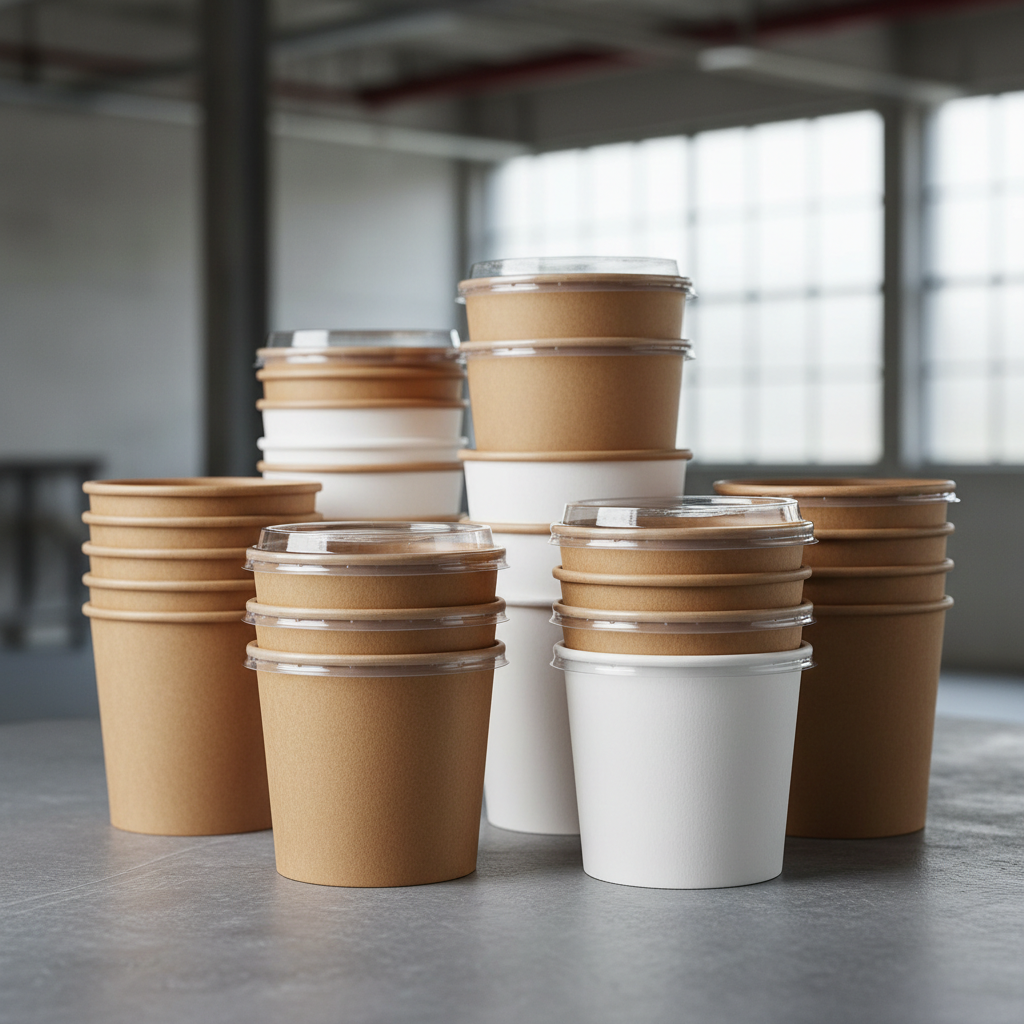
Selecting the right paper soup containers is not merely about aesthetics; it is an engineering decision. This guide examines the technical specifications required for leak-proof performance, focusing on PE coatings, rim mechanics, and lid compatibility for hot food delivery.
The Structural Challenges of Hot Liquid Delivery
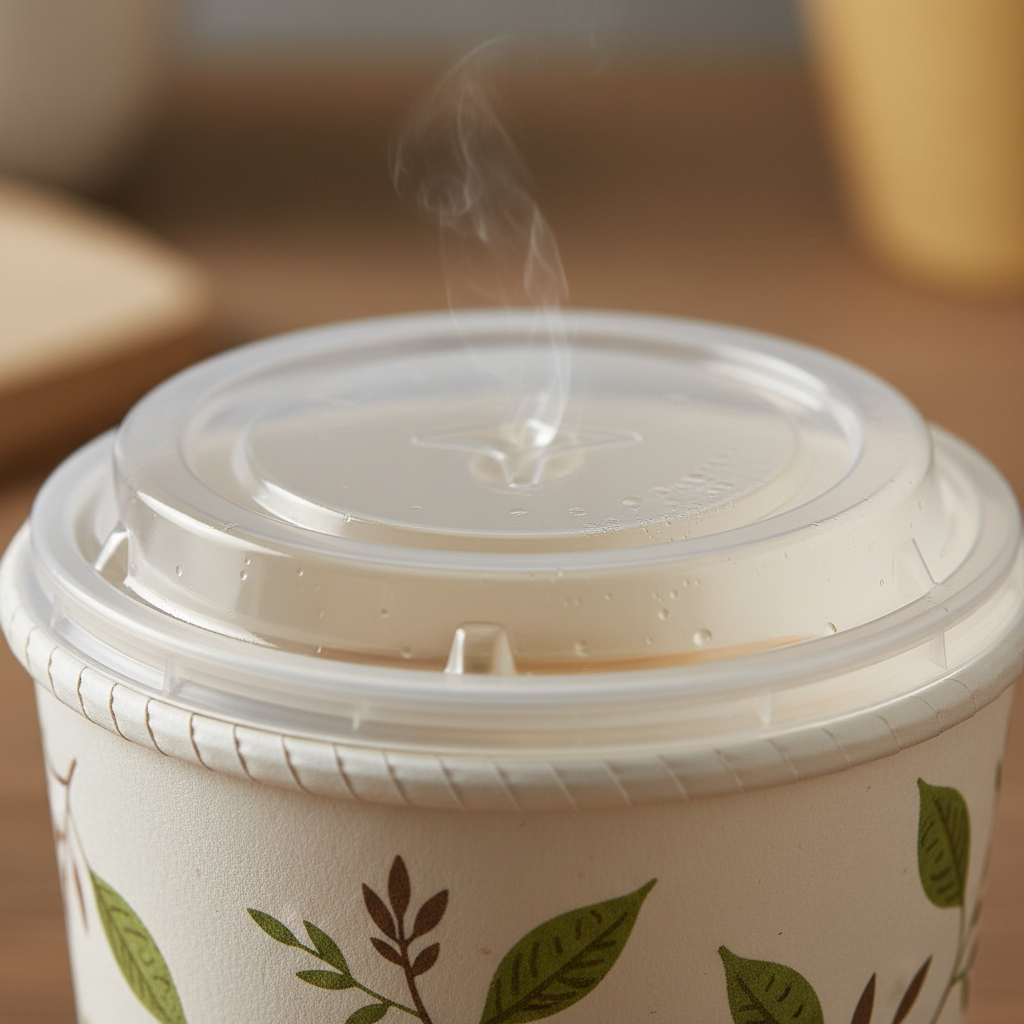
Hot liquids pose unique challenges to paper packaging. High temperatures increase the solubility of adhesives and can soften paper fibers if not adequately protected. Furthermore, steam generation creates internal pressure, which can force lids open or compromise the seal if the container lacks appropriate venting.
To mitigate these risks, procurement officers must evaluate containers based on three primary factors: coating barriers, base construction, and lid-to-rim tolerance.
Critical Features for Leak Resistance
1. Polyethylene (PE) Coatings: Single vs. Double
Paper is naturally porous and absorbent. To hold liquids, it must be lined with a moisture barrier, typically Polyethylene (PE) or a biodegradable equivalent like PLA. The application of this coating largely determines the container’s suitability for hot soups.
- Single PE Coating (Inside only): Standard for coffee cups and some dry foods. For hot soups, a single inner coating is the minimum requirement. It prevents the liquid from saturating the paper board from the inside.
- Double PE Coating (Inside and Outside): For high-humidity environments or extremely hot liquids, double PE coating is superior. The outer coating prevents condensation (sweating) from softening the paper wall from the outside, maintaining structural rigidity during long delivery routes.
For heavy, hot soups delivered over 30+ minutes, a double-coated bowl often retains its shape better, ensuring the lid remains securely fitted.
2. Heavy-Duty Paper Weight (GSM)
The grammage (GSM) of the paper board dictates the container’s stiffness. Thin walls can buckle under the weight of the liquid or the grip of a courier, causing the rim to distort and the lid to pop off. Industrial-grade soup containers typically utilize high-GSM board to ensure the sidewalls remain rigid even when filled with near-boiling liquid.
3. The Rim Roll and Sealing Mechanics
The most common failure point is the interface between the container rim and the lid. The "rolled rim" of a paper bowl must be perfectly round and uniform in thickness. Variations in the rim roll—caused by inconsistent manufacturing machinery—create microscopic gaps where liquids can seep out through capillary action.
At YBJ Packing, precision forming ensures that the rim diameter maintains tight tolerances, allowing the lid to snap on with an audible click, signaling a secure closure.
Lid Selection: The First Line of Defense
Even the most robust bowl will fail with an incompatible lid. Buyers must choose lids specifically engineered for hot applications.
Vented Lids for Steam Release
Hot food releases steam. In a completely sealed container, this steam builds pressure. Without a release valve, the pressure will eventually force the weakest point of the seal to break, leading to a "pop-off" event or leakage.
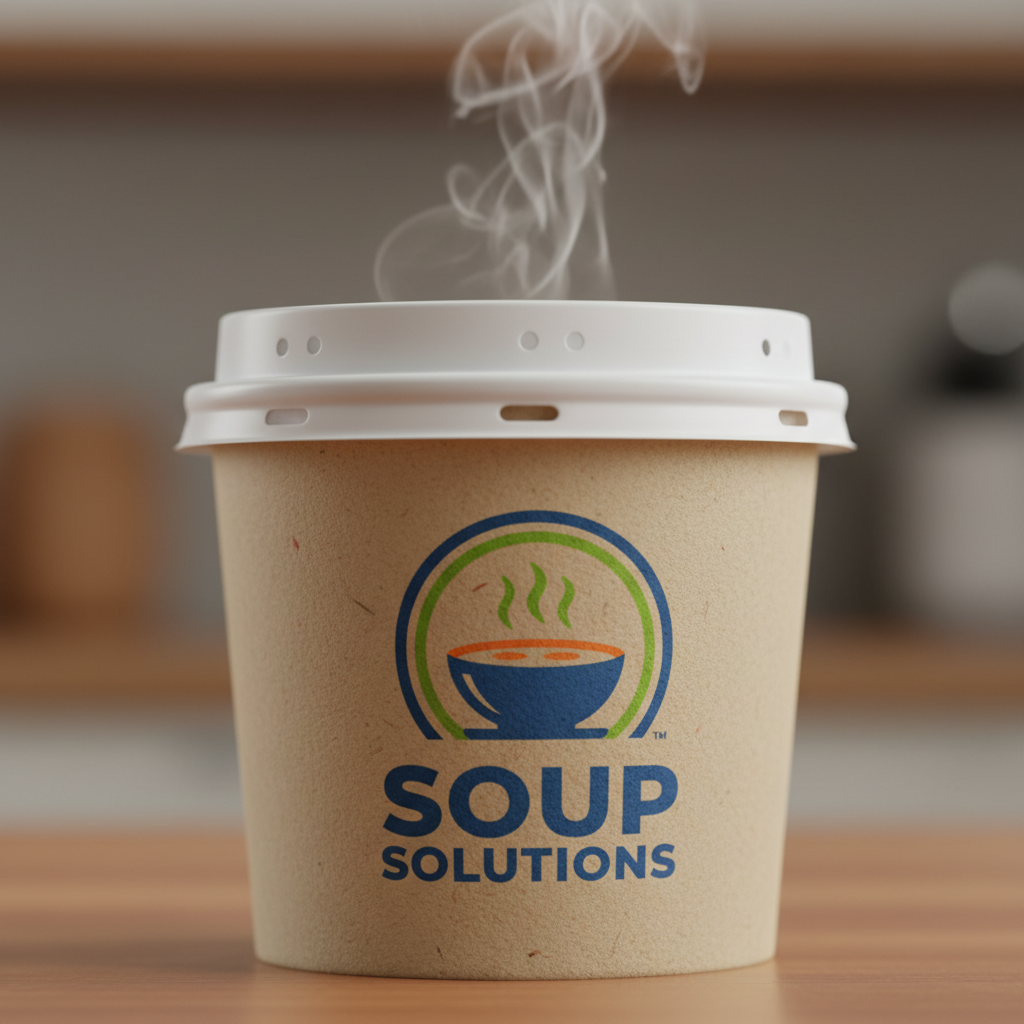
Vented lids feature small, precision-punched holes designed to release steam without allowing liquid to splash out. This equalization of pressure is essential for safety and spill prevention.
Material Options: PP vs. Paper Lids
| Lid Type | Best Application | Pros | Cons |
|---|---|---|---|
| Polypropylene (PP) | Hot soups, oily curries | High heat resistance, tightest snap-fit, translucent (visibility) | Plastic usage (though recyclable) |
| Paper Lids | Eco-conscious brands, warm foods | Fully recyclable with the bowl, premium look | Can soften with extreme steam if not double-coated; looser fit than PP |
| PET Lids | Cold salads only | High clarity | Deforms under high heat (not for soup) |
Manufacturing Quality and Testing
When sourcing paper soup containers, verify the manufacturer’s quality assurance protocols. Consistent leak-proof performance relies on automated inspection and batch testing.
- Cup Seam Integrity: The side seam and bottom seal are bonded using heat or ultrasonic welding. If the temperature during manufacturing is too low, the bond is weak; if too high, the PE coating burns. Precise control is vital.
- Leak Testing Standards: Reliable manufacturers perform batch tests using a dye solution (like methylene blue) to detect pinhole leaks in the bottom seal within seconds.
- Lid Fit Testing: Random samples should be tested for "lid retention force"—the amount of force required to dislodge the lid.
Sourcing and Customization Guide
For B2B buyers looking to order custom-branded soup containers, consider the following logistics:
- MOQ (Minimum Order Quantity): Custom printing typically requires higher MOQs (e.g., 10,000 to 50,000 units) due to plate setup costs. Plain stock is usually available in lower quantities.
- Printing Methods: Flexographic printing is standard for food packaging, using food-safe, odorless inks. Ensure your supplier uses water-based or UV-curable inks compliant with food safety regulations.
- Lead Times: Account for tooling times if requesting custom sizes. Standard sizes usually have shorter production cycles.
Frequently Asked Questions
Can paper soup containers be used in the microwave?
Generally, yes, if they are marked microwave-safe. However, the lid (especially if it is PET) must often be removed. PP lids are usually microwave-safe. Always confirm specific heat tolerances with the manufacturer.
What is the difference between a soup cup and a salad bowl?
Soup cups are typically taller with a smaller diameter to retain heat, while salad bowls are wider and shallower for presentation. Soup cups also require more robust sealing against hot liquids compared to cold dressings.
Why do some paper bowls get soft at the bottom?
This usually indicates a failure in the bottom sealing process or insufficient paper weight for the liquid’s temperature. Switching to a double-PE coated bowl or a higher GSM board usually resolves this.
How do I know if a lid fits the bowl securely?
You should feel resistance when applying the lid and hear a distinct "snap." Once applied, the lid should not rotate freely. We recommend requesting samples to test the fit with hot water before placing a bulk order.
Ready to secure your deliveries?
Prevent spills and protect your brand reputation with high-performance packaging. Contact YBJ Packing today to request samples of our leak-proof paper soup containers or get a quote for your custom branding needs.