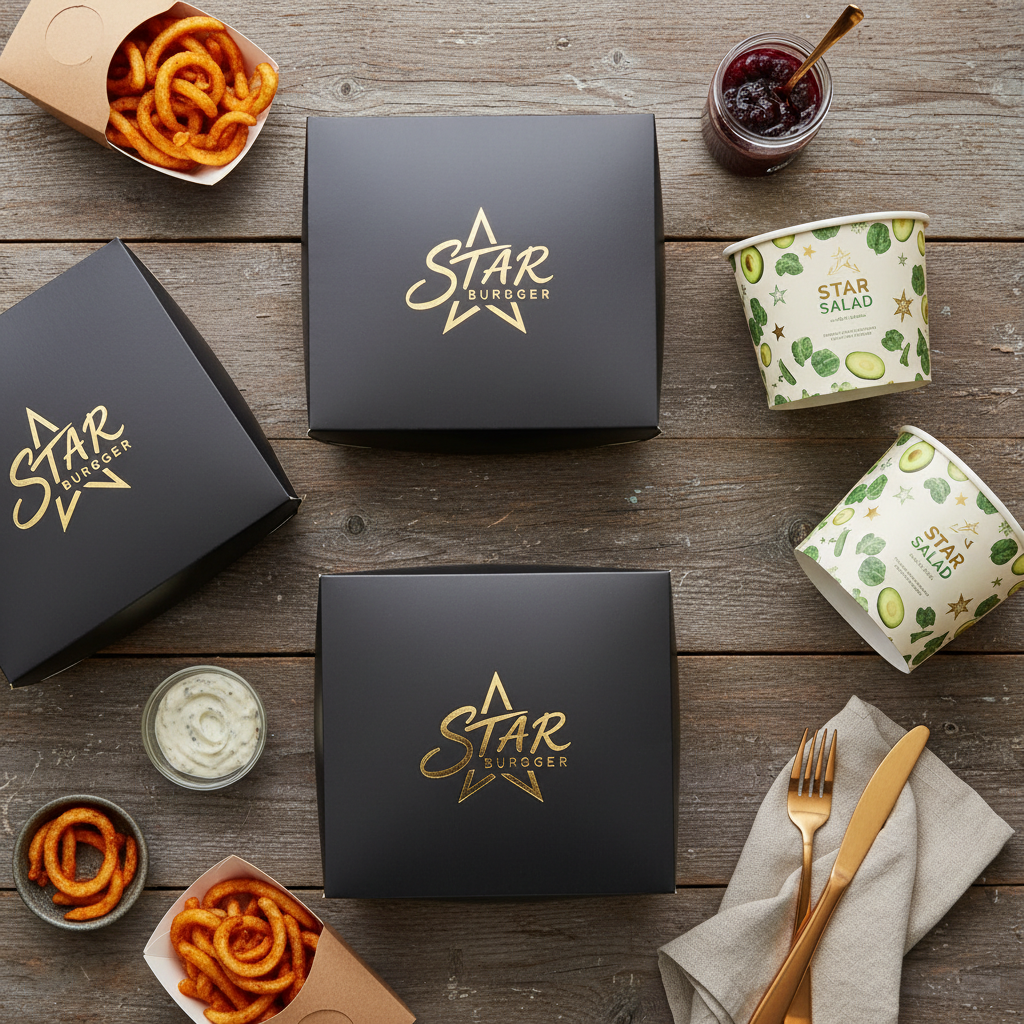


In the competitive landscape of the food service industry, packaging is far more than a mere vessel for transport. It is a critical touchpoint for brand identity, a guardian of food quality, and a key factor in operational efficiency. For procurement managers, restaurant owners, and packaging distributors, selecting the right sandwich paper bags involves navigating a complex matrix of material specifications, grease resistance levels, sizing standards, and sustainability requirements.
Whether you are packaging hot paninis, artisanal baguettes, or grab-and-go deli sandwiches, the structural integrity and aesthetic appeal of your packaging directly influence customer satisfaction. A bag that leaks grease or collapses under heat can tarnish a brand’s reputation, while a well-designed, custom-printed bag enhances the dining experience and serves as a mobile billboard.
This comprehensive guide explores the technical and practical aspects of sourcing high-quality sandwich paper bags. We will examine material differences, print technologies, and the logistical considerations necessary for making informed bulk purchasing decisions.
Why Material Selection Matters for Sandwich Bags
The foundation of any effective sandwich bag is the paper substrate. Choosing the wrong material can lead to grease spots, torn packaging, or soggy food. Industrial buyers must weigh the trade-offs between cost, durability, and presentation.
Brown Kraft vs. White Bleached Kraft
The two primary paper types used in the industry are natural brown Kraft and white bleached Kraft. Both offer distinct advantages depending on your brand positioning.
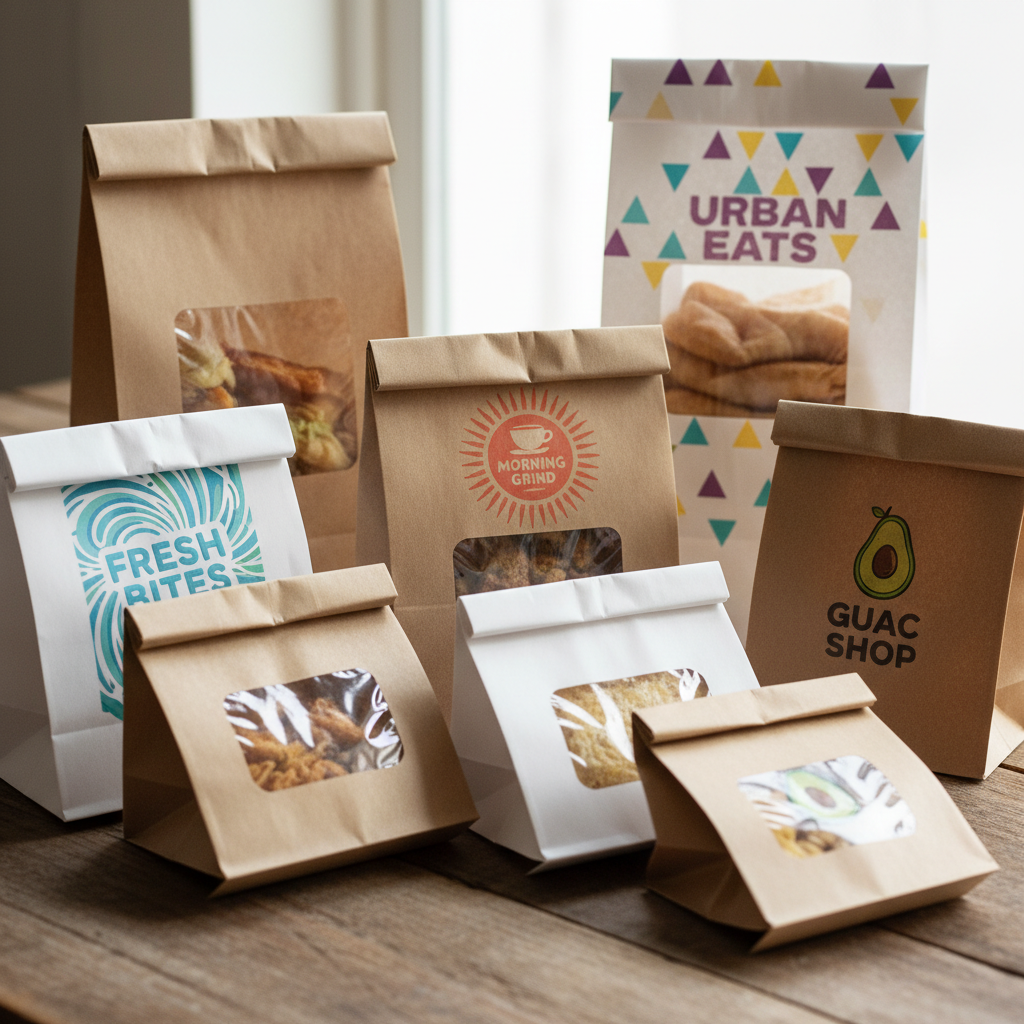
- Brown Natural Kraft: This material is unbleached and retains the natural wood pulp color. It is widely favored by brands emphasizing organic ingredients, sustainability, and rustic charm. Brown Kraft is generally strong and tear-resistant due to its long fibers. It provides an excellent backdrop for dark, bold printed logos (black, dark green, navy).
- White Bleached Kraft: Processed to remove the natural brown color, white Kraft paper offers a pristine, clean canvas. It is ideal for brands that require vibrant, multi-color printing or precise color matching (Pantone). The white background ensures that yellow, red, and light blue inks appear true to color without the interference of a brown substrate.
Paper Weight (GSM) Considerations
Paper thickness is measured in Grams per Square Meter (GSM). For sandwich bags, the GSM must be balanced to ensure the bag is flexible enough to fold but sturdy enough to hold the sandwich without ripping.
- 30–40 GSM: typically used for lightweight wrappers or very small snack bags. This is often too thin for heavy sandwiches loaded with fillings.
- 45–60 GSM: The industry standard for most single-serving sandwich bags. It offers good opacity and structural strength for standard burgers, bagels, and toasties.
- 70+ GSM: Reserved for premium, heavy-duty bags, or larger multi-item sacks. If your sandwiches involve heavy artisan breads or significant moisture, opting for a higher GSM is a prudent investment to prevent bottom-out failures.
Grease Resistance and Barrier Coatings
Sandwiches often contain mayonnaise, melted cheese, oily dressings, or buttery crusts. Standard paper is porous and will absorb these oils, leading to unsightly stains and potential leakage onto customers’ hands or clothing. To combat this, manufacturers employ various barrier technologies.
Greaseproof Paper vs. Coated Options
Greaseproof Paper (Kit Levels): True greaseproof paper is manufactured by refining the paper pulp to reduce porosity. It is categorized by “Kit levels” (typically Kit 1 to Kit 12), which indicate the paper’s resistance to oil penetration. A Kit level of 3–5 is standard for dry bakery items, while Kit 7+ is recommended for oily foods like fried chicken sandwiches or buttery croissants.
PE (Polyethylene) Coating: For superior resistance against both grease and moisture, a thin layer of Polyethylene (PE) is laminated onto the paper (usually 10gsm to 15gsm). This plastic lining creates a complete barrier, preventing sauces from leaking through. PE-coated bags are essential for hot, steamy sandwiches, as they also help retain heat.
When selecting your specific sandwich paper bags, consider the moisture content of your food product. If the sandwich is hot and steamy, a PE coating prevents the paper from disintegrating, whereas a simple greaseproof paper might suffice for a cold deli sub.
Structural Designs and Size Configurations
The geometry of the bag dictates how easy it is to load (operational efficiency) and how well it displays the product (merchandising). There are several standard configurations used in the B2B food packaging sector.
Flat Bags vs. Gusseted Bags
- Flat Bags: These are simple envelopes with no side or bottom expansion. They are cost-effective and space-saving, ideal for thin sandwiches, cookies, or flatbreads. However, they have limited volume.
- Gusseted Bags: These bags feature expandable pleats on the sides (side gusset) or the bottom (bottom gusset). When opened, they provide significant internal volume, accommodating thick multi-layer sandwiches or baguettes without crushing the bread. For most substantial menu items, a gusseted design is necessary.
Window Bags for Display
For grab-and-go environments like supermarkets, gas stations, or cafeterias, visibility is a key sales driver. Sandwich bags with integrated windows allow customers to see the freshness of the ingredients.
The window material is typically BOPP (Biaxially Oriented Polypropylene) or PET. High-quality window bags often feature anti-fog technology to ensure clarity is maintained even if the sandwich is warm or if the bag is placed in a refrigerated display case. Without anti-fog coating, condensation can obscure the product, making it look unappealing.
Open-on-Two-Sides (L-Shape)
Often referred to as “pocket bags” or “L-bags,” these are sealed on two sides and open on the other two. This design is extremely popular for street food and immediate consumption. It allows the customer to slide the sandwich out easily while using the paper to hold the food, keeping hands clean. This style reduces the time staff spend packaging the item, increasing throughput during peak hours.
Custom Printing and Branding Strategies
In the B2B sector, packaging is a marketing asset. Custom printed sandwich bags transform a generic commodity into a brand ambassador. When ordering food packaging bags wholesale, understanding the printing process is vital for achieving the desired aesthetic.
Flexographic Printing
Flexography (Flexo) is the standard printing method for high-volume paper bag production. It uses flexible relief plates and fast-drying, water-based inks. Flexo is cost-efficient for large runs and can achieve high-quality results with sharp lines and solid colors.
- Ink Safety: Reputable manufacturers use food-grade, water-based inks that are free from heavy metals and volatile organic compounds (VOCs). This ensures that the packaging is safe for direct food contact and does not impart any chemical odors to the sandwich.
- Color Management: Most designs utilize Spot Colors (Pantone) rather than CMYK process printing for paper bags. This ensures brand color consistency across different batches. If your logo uses specific corporate colors, provide the Pantone (PMS) codes to your supplier.
Design Best Practices
When designing artwork for sandwich bags, keep the substrate in mind. Fine gradients and photographic images can be challenging on porous Kraft paper. Bold logos, geometric patterns, and clear typography generally yield the best results. Additionally, consider the “safe zone”—avoid placing critical text too close to the seams or gussets where it might be cut off or distorted during the folding process.
Common Use Cases and Recommendations
Different food items impose different demands on packaging. Here is a quick guide to matching the bag to the application:
- Hot Paninis & Toasties: Require heat retention and grease resistance. Recommendation: PE-coated white Kraft bag or foil-lined paper bag.
- Cold Deli Sandwiches & Baguettes: Focus on freshness and visibility. Recommendation: Window bag with anti-fog film, side gussets for volume.
- Burgers & Sliders: Need grease protection and ease of eating. Recommendation: L-shape (open two sides) greaseproof paper or a square gusseted pocket.
- Artisan Bakery Bread: Needs breathability to keep the crust crispy. Recommendation: Micro-perforated paper or uncoated brown Kraft with a strip window.
Manufacturing, Quality, and Compliance
Sourcing from a reliable manufacturer involves more than just comparing prices. It requires verifying their production capabilities and quality assurance protocols.
Production Tolerances
In high-speed paper bag manufacturing, slight variations can occur. Standard industry tolerances for dimensions are typically ±2mm to ±5mm. Buyers should be aware of these tolerances when designing custom inserts or secondary packaging to ensure fit.
Food Safety Compliance
Any material in direct contact with food must adhere to local and international safety standards (such as FDA regulations or EU food contact directives). Suppliers should be able to confirm that their paper, coatings, and inks are certified food-safe. This includes ensuring the glue used for seams is non-toxic and odorless.
Buying Guide: Logistics and Ordering
Successful procurement requires planning. Here are the key logistical factors to consider when placing a wholesale order.
Minimum Order Quantities (MOQ)
Custom manufacturing involves setup costs (making printing plates, calibrating machines). Consequently, manufacturers set MOQs. For custom printed bags, MOQs are typically higher (e.g., 30,000 to 50,000 units) compared to plain stock items. High-volume orders significantly reduce the unit cost, making bulk purchasing the most economical strategy for chains and distributors.
Lead Times and Seasonality
Production lead times generally range from 2 to 4 weeks after artwork approval, plus shipping time. It is crucial to account for peak seasons (such as holidays or summer festivals) when factories may be at capacity. Planning your inventory 3–4 months in advance ensures you never run out of critical packaging.
Storage Requirements
Paper is hygroscopic—it absorbs moisture from the air. Bulk orders should be stored in a cool, dry environment, away from direct sunlight and humidity. Improper storage can lead to the paper curling or the bags sticking together, causing issues during operational use.
Frequently Asked Questions
Q: Can sandwich paper bags be recycled?
Yes, uncoated Kraft paper bags are widely recyclable. Bags with plastic windows or PE coatings may need to be separated or processed at specialized facilities, depending on local recycling infrastructure. Some manufacturers offer compostable coating alternatives (like PLA) to enhance sustainability.
Q: How do I determine the right size for my sandwich?
Measure your sandwich’s length, width, and height. Add approximately 10-15mm to the width and height to allow for easy insertion. For gusseted bags, ensure the gusset width matches the thickness of your sandwich.
Q: What is the difference between spot printing and full-coverage printing?
Spot printing places the logo or design in specific areas, leaving much of the paper visible. Full-coverage printing coats the entire exterior of the bag in ink. Full coverage is more expensive due to higher ink consumption and may require higher GSM paper to prevent saturation.
Q: Can I get samples before placing a bulk order?
Absolutely. Reviewing a physical sample is critical to verify paper quality, size, and print finish. You can learn how to order samples or full production runs to ensure the product meets your specifications.
Q: Do you offer design services for the artwork?
Most manufacturers require you to provide print-ready vector files (AI or PDF). However, they can often assist with minor adjustments to ensure the design fits the die-line correctly.
Conclusion
Selecting the right sandwich paper bag is a balance of engineering and marketing. It requires understanding the physical needs of your food product—grease resistance, heat retention, size—and aligning them with your brand’s aesthetic and sustainability goals. By working with an experienced manufacturer, you can secure packaging that not only protects your product but also elevates your brand in the eyes of the consumer.
At YBJ Packing, we specialize in delivering high-quality, custom-printed food packaging solutions tailored to the needs of the global food service industry. Whether you need high-volume production for a franchise or specialized packaging for a distribution network, our team is ready to assist.
Ready to upgrade your food packaging? Contact us today to request a quote or get a sample of our premium sandwich paper bags.