

The Shift Toward Interactive Food Packaging
In the modern food industry, packaging is no longer just a vessel for protection and transport; it is a critical digital touchpoint. As global supply chains become more complex and consumers demand greater transparency, the integration of QR (Quick Response) codes has transitioned from a marketing “extra” to a functional necessity. For procurement managers and brand owners, understanding the technical nuances of QR code implementation is essential to ensuring scannability, compliance, and consumer engagement.
Whether you are developing a new food packaging box or updating a product line, the QR code serves as a bridge between the physical product and a wealth of digital data. This guide explores the strategic use cases, technical design requirements, and manufacturing considerations for integrating QR codes into food packaging.
Strategic Use Cases for QR Codes in the Food Sector
Before diving into the technical specifications, it is vital to define the objective of the QR code. The use case will dictate the code’s size, placement, and data density.
1. Supply Chain Traceability and Transparency
Modern consumers, particularly in the organic and specialty food sectors, want to know the origin of their ingredients. A QR code can link to a batch-specific landing page that details the farm of origin, harvest date, and quality certifications. This build trust and helps brands justify premium pricing models.
2. Nutritional Information and Allergen Alerts
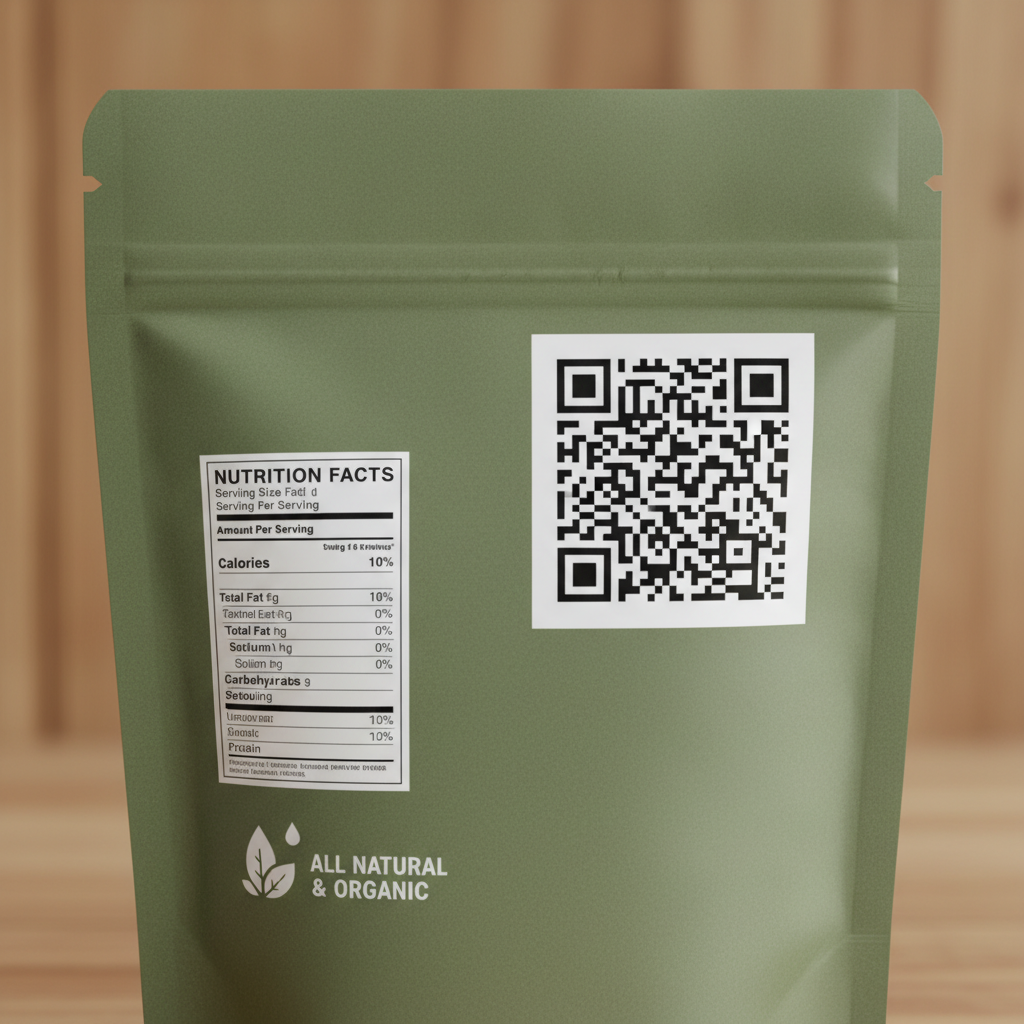
With limited real estate on a food packaging bag, QR codes allow brands to provide comprehensive nutritional data that exceeds what can be printed on the physical label. This is particularly useful for complying with international regulations that require multi-language ingredient lists or detailed allergen warnings.
3. Sustainability and Disposal Instructions
As circular economy regulations tighten, brands use QR codes to guide consumers on how to properly recycle or compost the packaging. For example, if you are using specialized food containers, the code can explain which components are recyclable in specific regions.
4. Marketing and Consumer Loyalty
QR codes are highly effective for Direct-to-Consumer (DTC) engagement. They can lead to cooking tutorials, recipe suggestions, discount codes for future purchases, or social media contests. This data also provides brands with valuable insights into consumer demographics and scan locations.
Technical Anatomy: Static vs. Dynamic QR Codes
For B2B buyers, choosing between static and dynamic codes is a critical decision that affects the long-term utility of the packaging.
- Static QR Codes: The URL or data is encoded directly into the pattern. Once printed, it cannot be changed. These are suitable for permanent information, such as a company’s main website. However, if the URL breaks, the packaging becomes obsolete.
- Dynamic QR Codes: These use a redirection URL. The printed code stays the same, but the destination content can be updated at any time. This is the industry standard for food packaging as it allows for seasonal promotions or updates to nutritional info without reprinting the entire batch of boxes or bags.
Design and Placement Guidelines for Maximum Scannability
A QR code that doesn’t scan is a failure in packaging design. Several technical factors influence scannability, especially when dealing with high-speed production lines and varied consumer environments.
The “Quiet Zone” Requirement
The quiet zone is the clear margin surrounding the QR code. It is essential for the scanning software to distinguish the code from the surrounding artwork. A typical rule of thumb is that the quiet zone should be at least 4 times the width of a single module (the small squares within the code). For most food packaging, a 2mm to 5mm margin is recommended.
Minimum Size and Resolution
While QR codes can be small, they must remain legible. For standard food packaging, the minimum recommended size is 1cm x 1cm (0.4″ x 0.4″). However, for codes intended to be scanned from a distance or on corrugated materials, 2cm x 2cm is safer. All QR code artwork should be provided in vector format (AI, EPS, or PDF) or high-resolution raster (at least 300 DPI) to prevent pixelation during the printing process.
Color Contrast and Substrate Interference
The highest scannability is achieved with a black code on a white background. While custom colors can be used to match brand aesthetics, the contrast ratio must remain high. Avoid using “knock-out” or “reverse” printing (white code on a dark background) unless the scanning app specifically supports it, as many older scanners will fail. Additionally, avoid placing codes over seams, folds, or highly reflective foil areas that can cause glare.
Printing Considerations for Different Substrates
The material of your packaging significantly impacts how the QR code is rendered. At YBJ Packing, we monitor these variables closely during the manufacturing process.
Corrugated and Cardboard Boxes
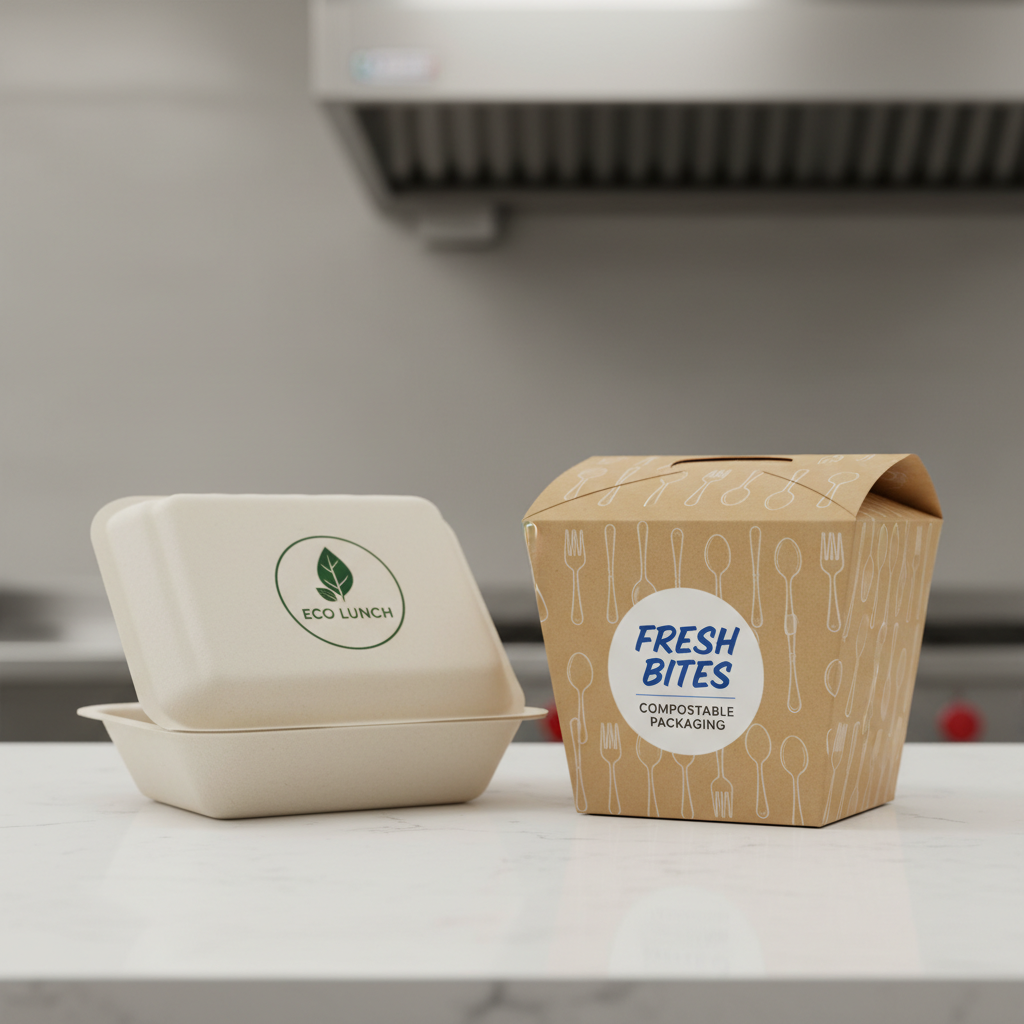
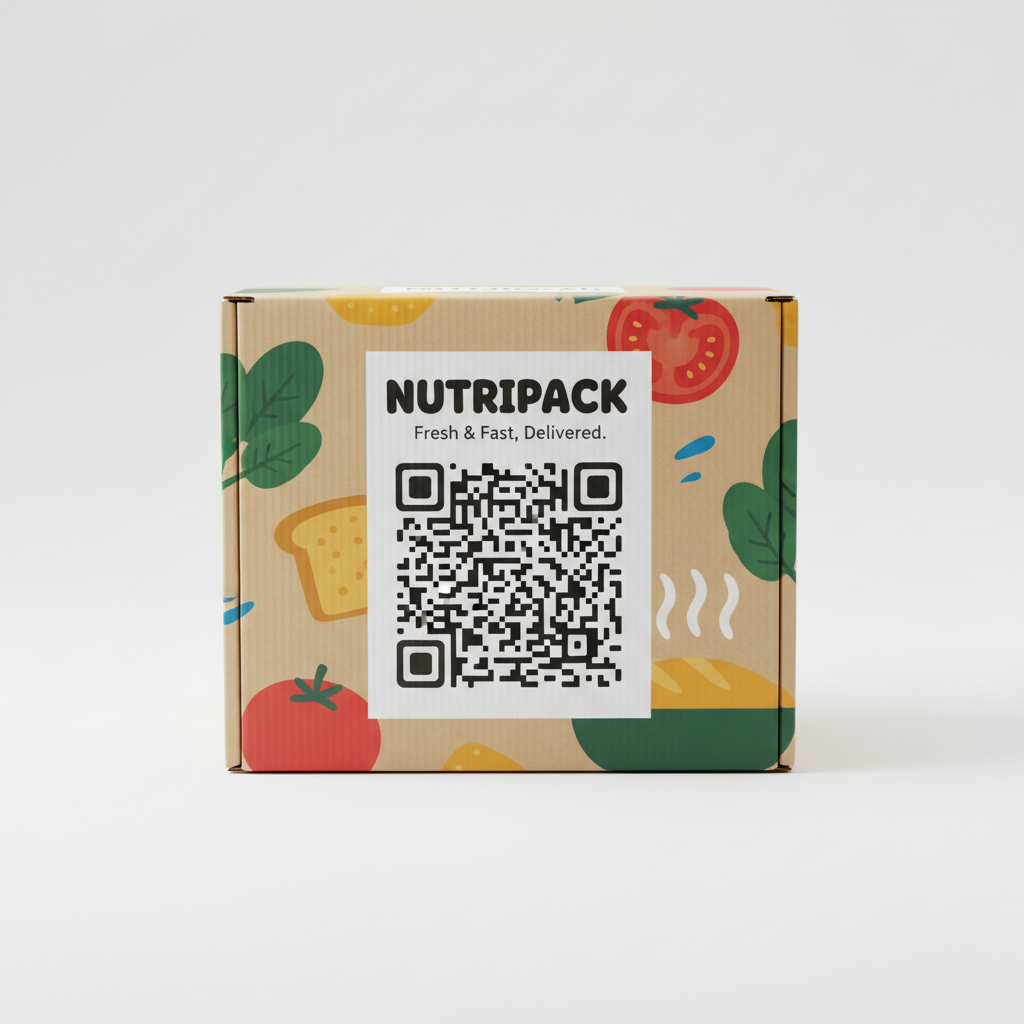
When printing on a food packaging box made of corrugated board, ink absorption (bleed) can be an issue. If the ink spreads too much, the modules of the QR code may merge. In these cases, we recommend slightly larger codes with lower data density (Version 1 or 2 QR codes) to maintain clarity.
Flexible Packaging and Bags
For a food packaging bag, the main challenge is surface tension and stretching. If the bag is filled with a bulky product, the QR code may distort. Placement should be on a flat, stable area of the gusset or the back panel to ensure the code remains planar during scanning.
Rigid Plastic and Paper Containers
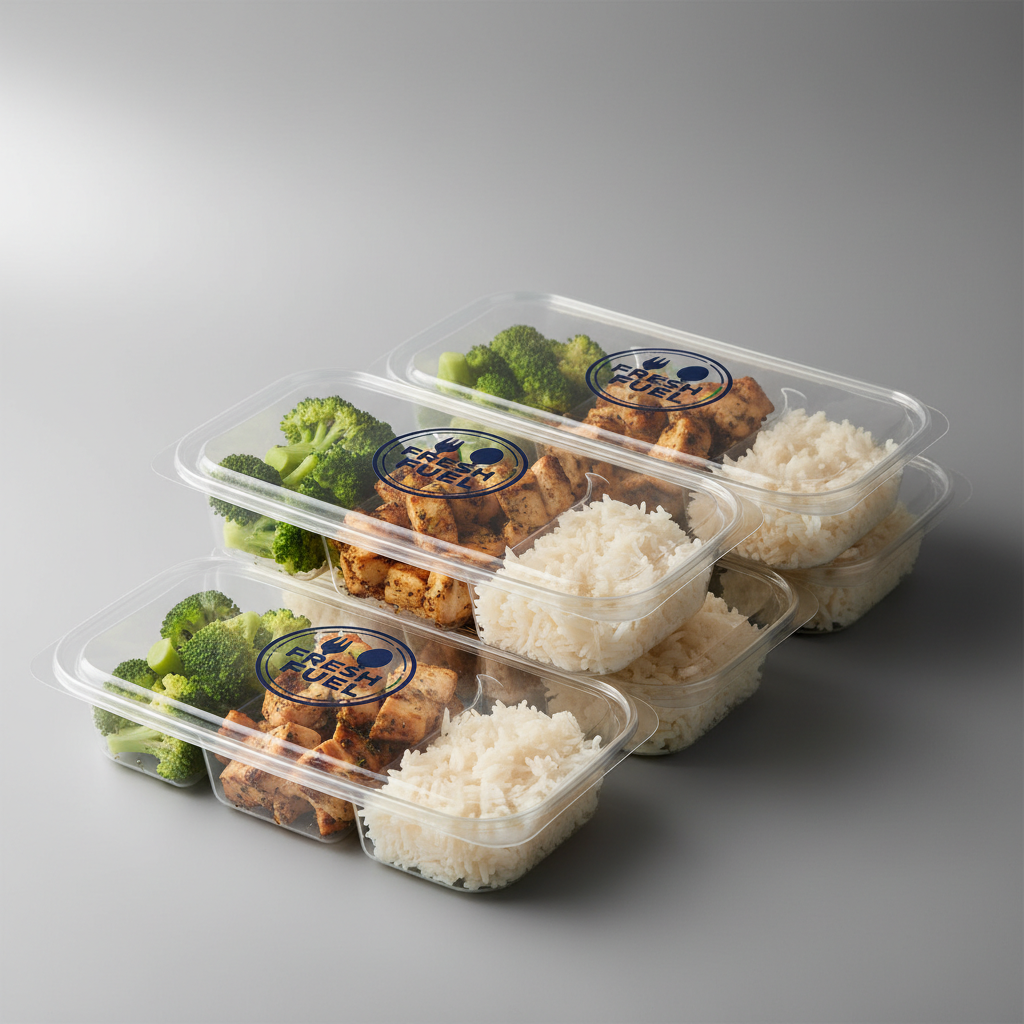
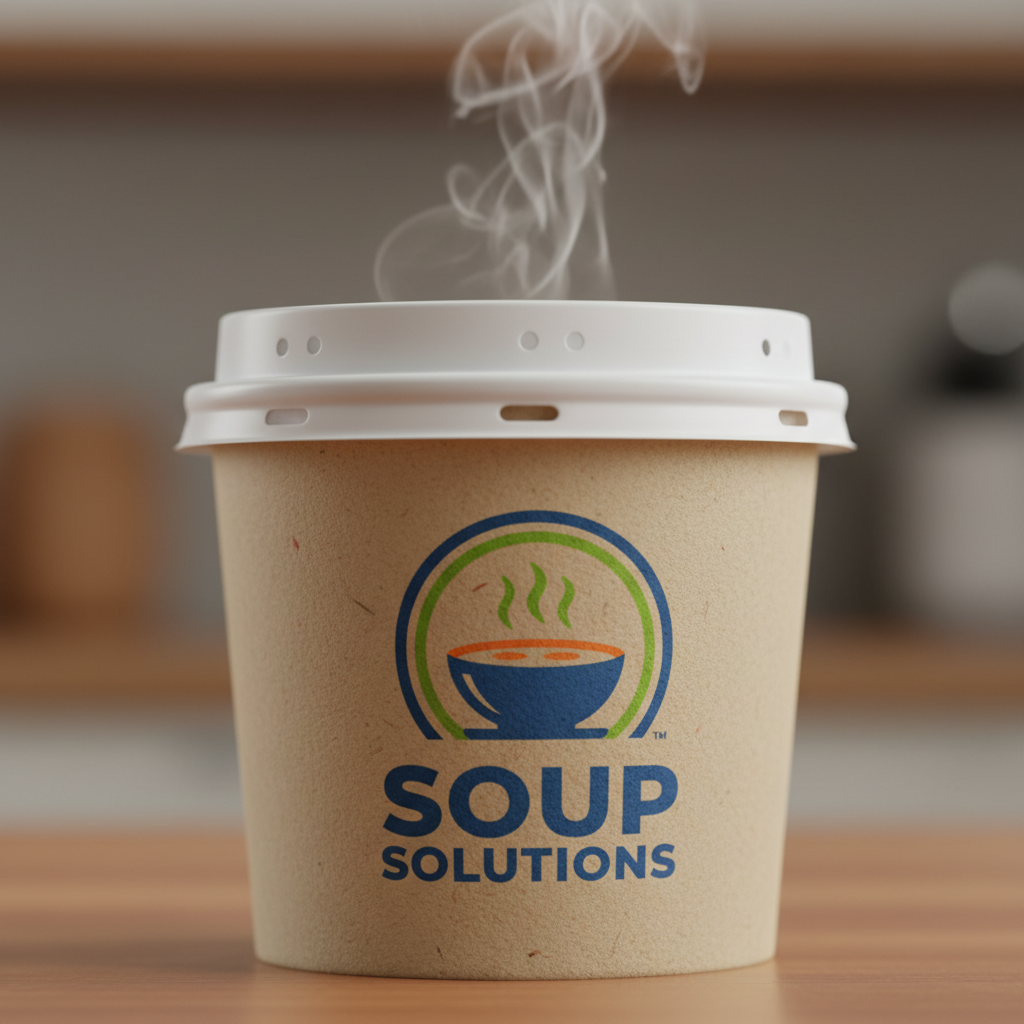
When dealing with food containers, curved surfaces present a geometric challenge. If a QR code is wrapped around a cylindrical container, the scanner may only see part of the code at a time. To solve this, the code should be kept small relative to the diameter of the container or placed on a flat lid or base.
Manufacturing and Quality Assurance (QA)
To ensure every unit delivered meets scannability standards, a robust QA process is required. This involves:
- Pre-press Verification: Using specialized software to check the error correction level (usually Level M or H for food packaging) and ensure the data is encoded correctly.
- Registration Checks: Ensuring that the printing plates are perfectly aligned so the QR code modules do not shift or blur.
- Scannability Testing: Random sampling during the print run using various mobile devices and OS versions to confirm the code triggers the correct URL in real-world conditions.
Buying Guide: How to Implement QR Codes with YBJ Packing
Integrating digital elements into your physical packaging requires coordination. Follow these steps for a smooth procurement process:
1. Define Your Data
Determine whether you need a static or dynamic code. If you are unsure, dynamic is usually the safer choice for marketing purposes. Ensure your landing page is mobile-optimized.
2. Prepare Your Artwork
Include the QR code in your final design files. Ensure it follows the quiet zone and size guidelines mentioned above. If you need assistance with placement, our design team can provide recommendations based on your specific container or bag template.
3. Request a Sample
Before proceeding with a full production run, we highly recommend a physical sample. This allows you to test the scannability on the actual substrate (e.g., Kraft paper vs. PET laminate). You can learn more about our process on our how to order page.
4. Confirm MOQs and Lead Times
Adding a QR code does not typically increase the Minimum Order Quantity (MOQ), but it does require careful plate setup. Standard lead times for custom printed food packaging range from 10 to 20 business days depending on complexity.
Frequently Asked Questions (FAQ)
Can I print a QR code on a dark-colored box?
It is possible, but you must ensure the code itself is printed in a light, high-contrast color or placed within a white “window.” We recommend testing the contrast ratio during the proofing stage.
What is the best error correction level for food packaging?
We generally recommend Level M (15%) or Level Q (25%). This allows the code to remain scannable even if the packaging is slightly scratched or smudged during transit.
Does a QR code work on textured paper?
Highly textured or “hammered” papers can break up the modules of the code. For textured materials, we recommend using a larger code size to ensure the scanner can read the pattern clearly.
Can I track how many people scan my packaging?
Yes, if you use a dynamic QR code, the service provider will usually offer analytics, including the number of scans, geographic location, and the type of device used.
Is there a limit to how much information I can put in a QR code?
Technically, yes. The more data you encode, the denser and more complex the pattern becomes. For packaging, it is best to encode a short URL that redirects to a webpage rather than trying to embed large amounts of text directly into the code.
Ready to Upgrade Your Food Packaging?
At YBJ Packing, we specialize in high-quality, custom-printed solutions that help your brand stand out and stay connected. Whether you need sophisticated boxes, durable bags, or functional containers, our team is ready to assist with your technical requirements.
For more information or to discuss your specific project needs, please contact us today to request a quote or a sample.