

The Shift from Plastic to Premium Paper Packaging
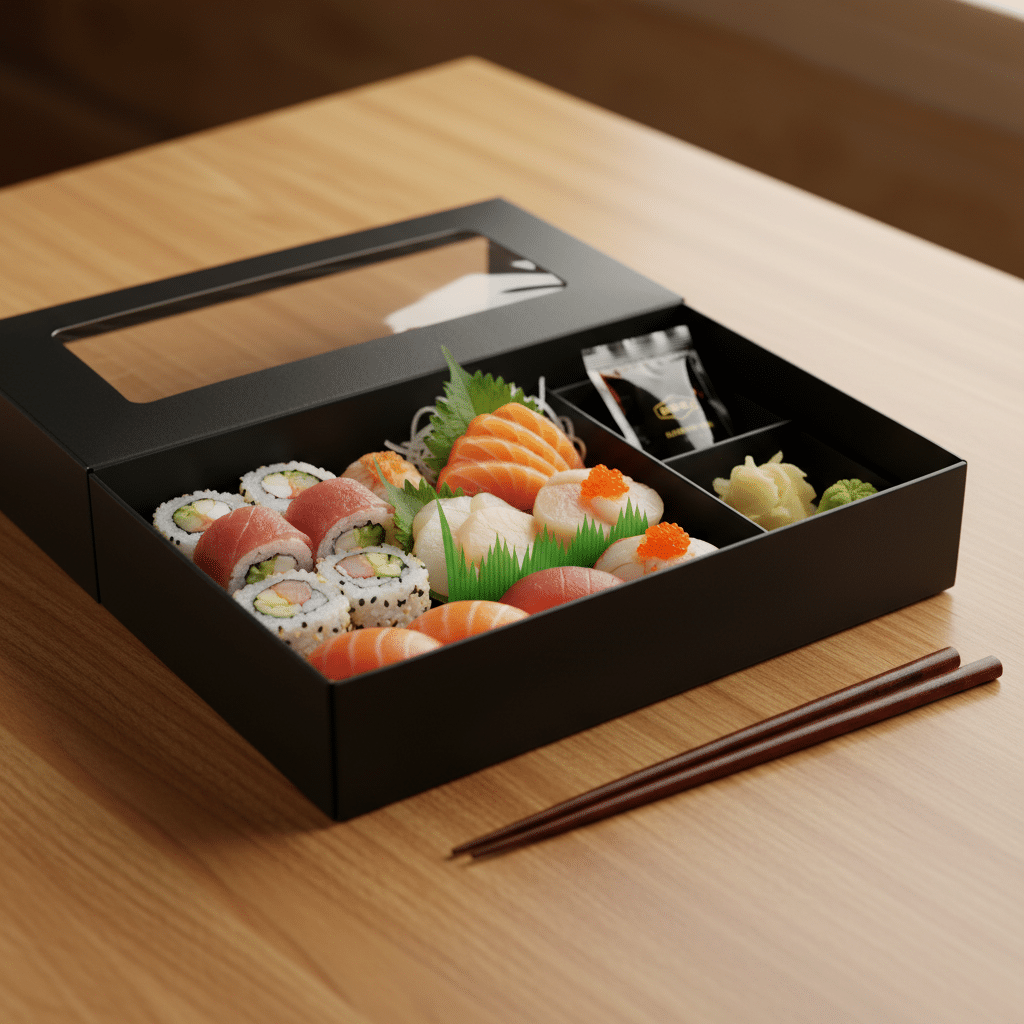
For decades, the standard for sushi takeout was the black plastic tray with a clear lid. While functional, generic plastic containers often fail to communicate the quality of the culinary artistry inside. As consumer preferences shift toward sustainability and premium branding, food service operators and retailers are increasingly adopting sushi paper boxes to elevate their product presentation.
This transition is not merely aesthetic; it represents a strategic move to increase perceived value. A well-engineered paper container offers a tactile experience that plastic cannot match, turning a simple takeout meal into a premium unboxing experience. For procurement managers and brand owners, understanding the technical specifications of these boxes—specifically grease resistance and structural integrity—is essential for selecting the right packaging partner.
Key Technical Requirements for Sushi Packaging
Sushi presents unique challenges for paper-based packaging. The combination of moist rice, oily fish, and sauces (soy, spicy mayo, eel sauce) requires materials that prevent absorption and structural failure. Standard cardboard will not suffice; specialized coatings and material grades are mandatory.
1. Grease and Moisture Barriers (PE vs. PLA)
To prevent the box from becoming soggy or staining, the interior surface must be coated. There are two primary options for industrial buyers:
- PE (Polyethylene) Coating: The industry standard for moisture resistance. It provides a robust barrier against oil and water, ensuring the box maintains its shape and appearance during transport. It is cost-effective and widely available.
- PLA (Polylactic Acid) Coating: Derived from renewable resources like corn starch. PLA offers similar grease-proof properties to PE but is compostable in industrial facilities. This is the preferred choice for brands positioning themselves as strictly eco-friendly.
2. Food-Grade Paperboard Selection
The base material determines the box’s rigidity and print quality.
- Virgin White Board (Ivory Board): Offers a smooth surface for high-resolution printing. Ideal for vibrant graphics and intricate branding.
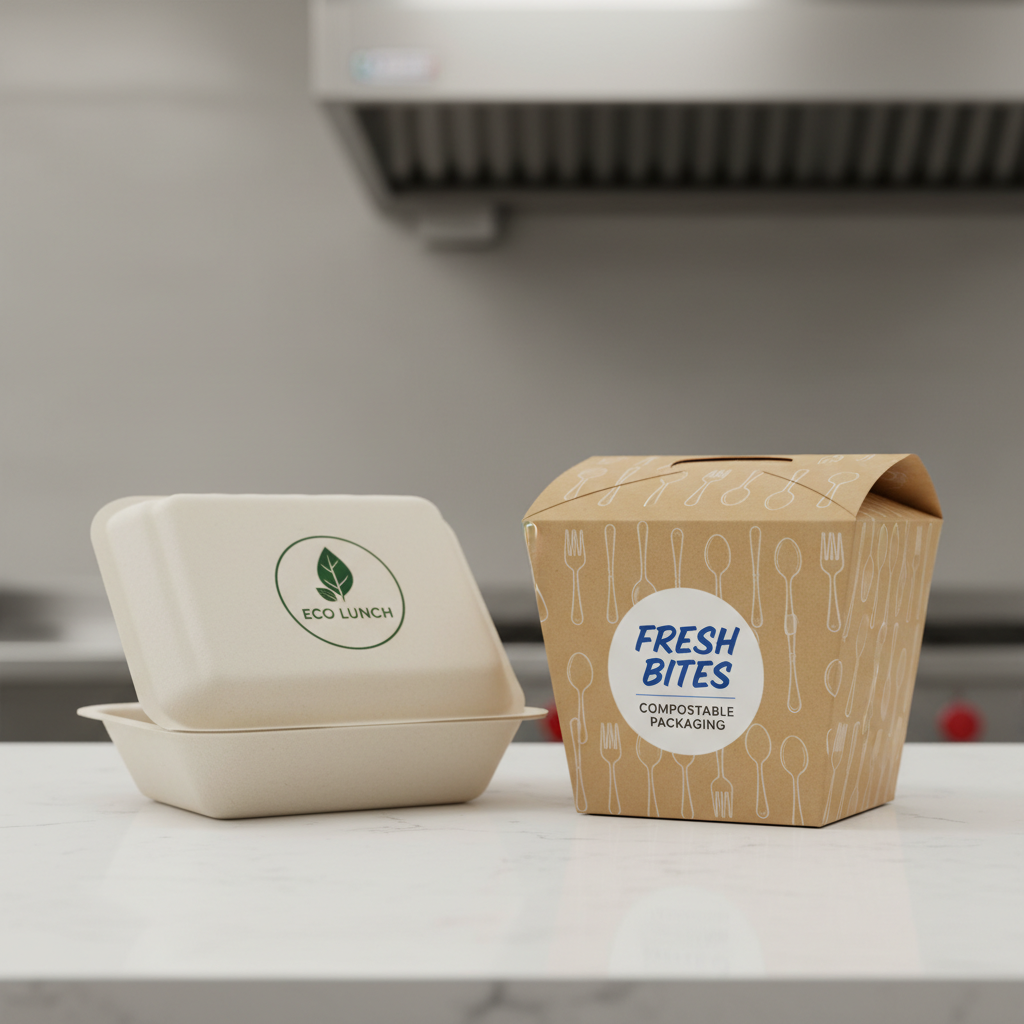
- Natural Kraft Board: Provides a rustic, organic look often associated with freshness and sustainability. While the print surface is more textured, it effectively communicates an eco-conscious brand identity.
Design Features: Balancing Aesthetics and Function
High-end sushi paper boxes are more than just containers; they are marketing tools. Customization options allow brands to differentiate themselves on the shelf.
Window Patching
Visibility is critical for fresh food. Customers eat with their eyes first. Premium boxes often feature a die-cut window covered with a clear film (PET or PLA).
- Anti-Fog Technology: High-quality windows should be treated to prevent condensation from obscuring the view of the sushi, especially if the product is placed in a refrigerated display case.
- Structural Integrity: The window placement must not compromise the box’s stacking strength. Manufacturers must ensure the glue lines around the window patch are secure to prevent leakage or detachment.
Finishing Techniques
To compete with high-end restaurant experiences, packaging designers utilize various finishing techniques:
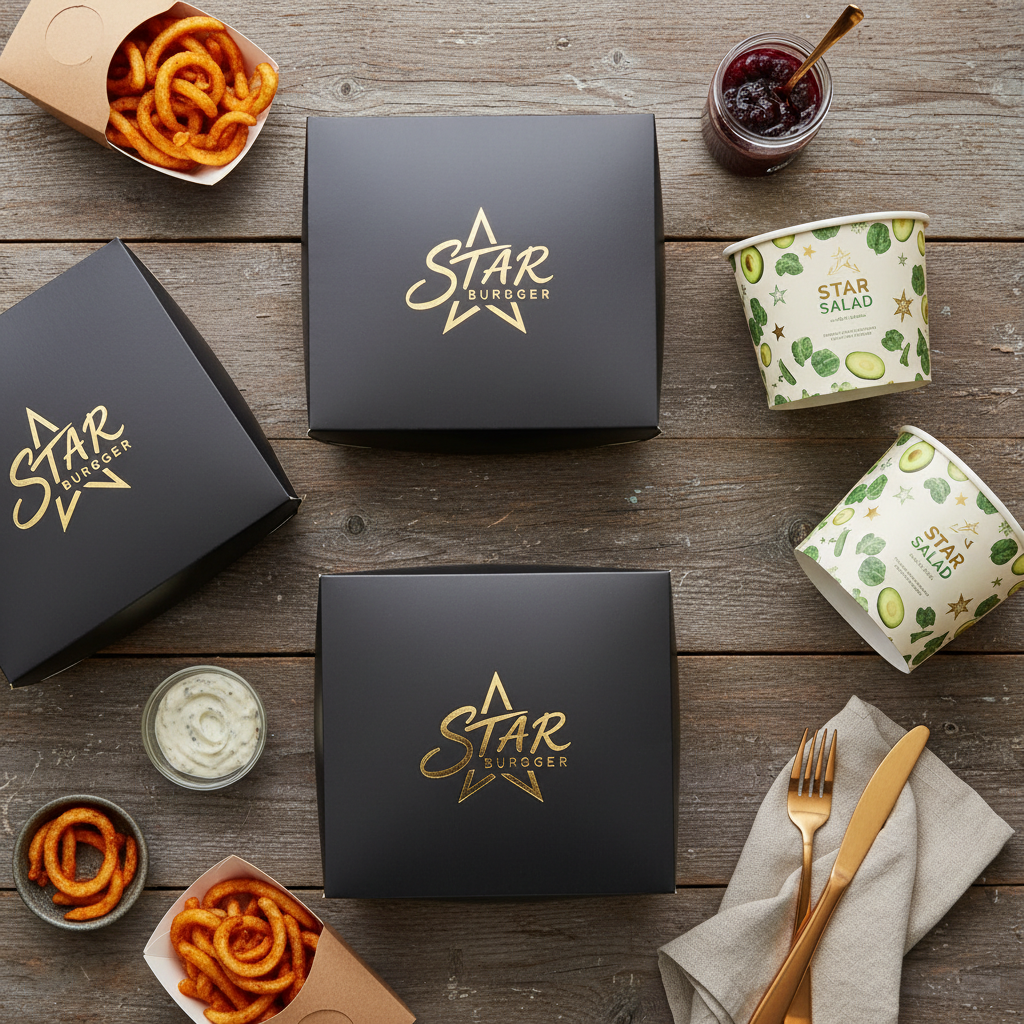
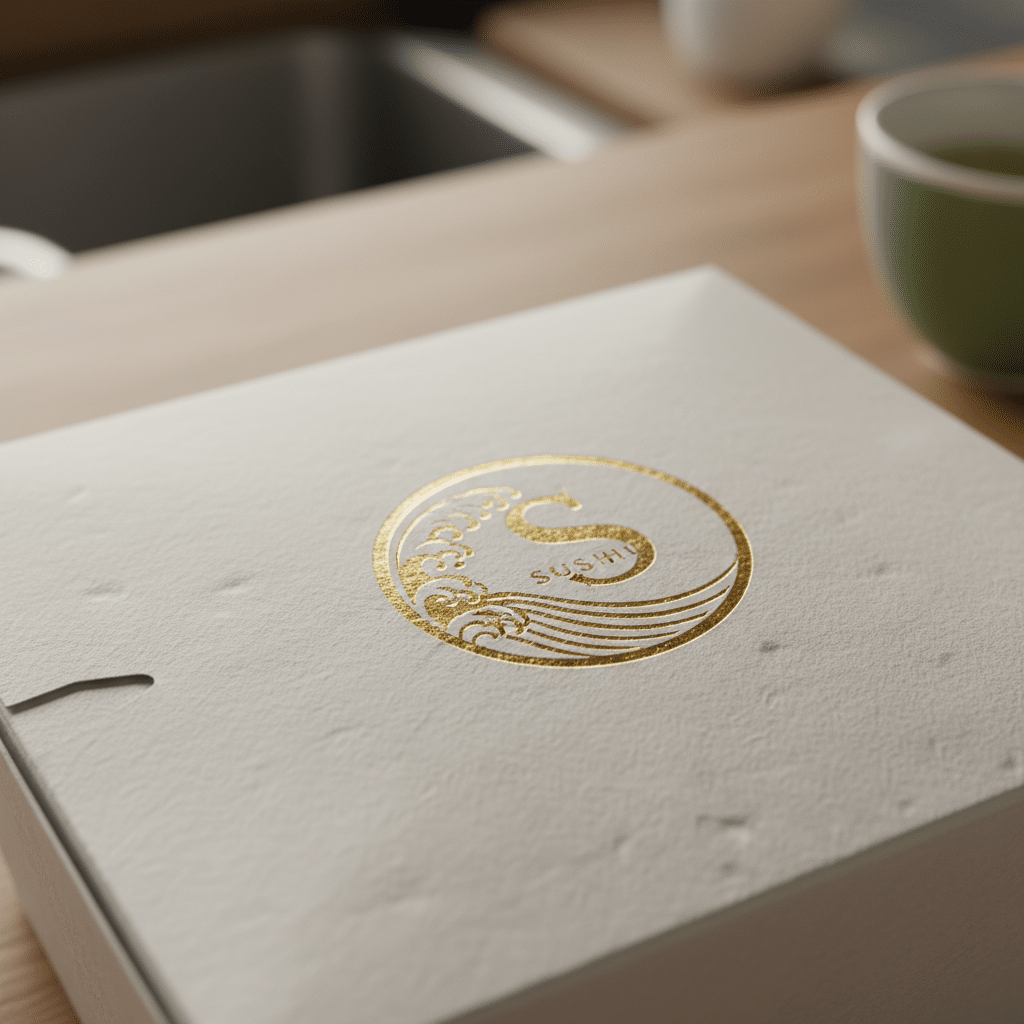
- Foil Stamping: Gold or silver foil logos add a touch of luxury.
- Spot UV: creating a glossy contrast on specific design elements against a matte background.
- Embossing/Debossing: Adding texture to the packaging surface for a premium tactile feel.
Manufacturing and Quality Assurance
When sourcing sushi paper boxes, quality consistency is paramount. A box that leaks or collapses damages the brand reputation instantly. Buyers should verify the following during the manufacturing process:
Die-Cutting Precision
Sushi boxes often rely on intricate folding mechanisms to secure the lid without tape. Precision die-cutting ensures that locking tabs fit snugly and the box assembles squarely. Poorly cut boxes slow down the packing line and look unprofessional.
Leakage Testing
Reliable manufacturers perform batch testing for leakage resistance. This typically involves subjecting the coated board to hot oil and water tests for specific durations to ensure the barrier coating is continuous and pinhole-free.
Buying Guide: Sourcing Custom Sushi Boxes
When requesting quotes for custom sushi packaging, provide the following details to ensure accurate pricing and lead times.
Minimum Order Quantities (MOQ)
Custom printing and sizing typically require an MOQ to offset setup costs (printing plates, die molds).
- Standard Sizes: often have lower MOQs (e.g., 5,000–10,000 units).
- Fully Custom Sizes: May require MOQs of 30,000+ units depending on the complexity.
File Preparation
Ensure your design team provides vector artwork (AI or PDF format) with fonts outlined. Specify Pantone (PMS) codes if brand color accuracy is critical, as CMYK printing can vary slightly between production runs.
Logistics and Storage
Unlike rigid plastic trays, most paper sushi boxes are shipped flat. This significantly reduces shipping volume and warehousing costs. However, this means your operations team will need to factor in assembly time, or invest in auto-erecting box designs that pop open instantly.
Frequently Asked Questions (FAQs)
Can sushi paper boxes handle liquid sauces directly?
While the boxes are grease-resistant, they are not soup containers. They handle residual sauces and oils from rolls effectively, but large amounts of liquid (like pouring soy sauce directly into the box) are not recommended without a separate dipping cup.
Are these boxes microwave safe?
Generally, paper boxes without metallic foil stamping are microwave safe, provided the coating (PE or PLA) is rated for heating. However, sushi is typically eaten cold, so this is rarely a primary requirement. Always confirm specifications with the manufacturer.
What is the lead time for custom printed boxes?
Typical lead times range from 3 to 6 weeks after artwork approval, depending on the factory’s current capacity and shipping method (sea vs. air freight).
Do you offer eco-friendly window films?
Yes, standard windows use PET plastic, but biodegradable PLA films are available for brands seeking a 100% plastic-free narrative.
Request a Quote for Custom Sushi Packaging
Elevate your brand with packaging that reflects the quality of your food. Contact us today to discuss your specifications, request material samples, or get a quote for premium sushi paper boxes tailored to your operational needs.