

Introduction: The Clear Advantage of PET in Food Retail
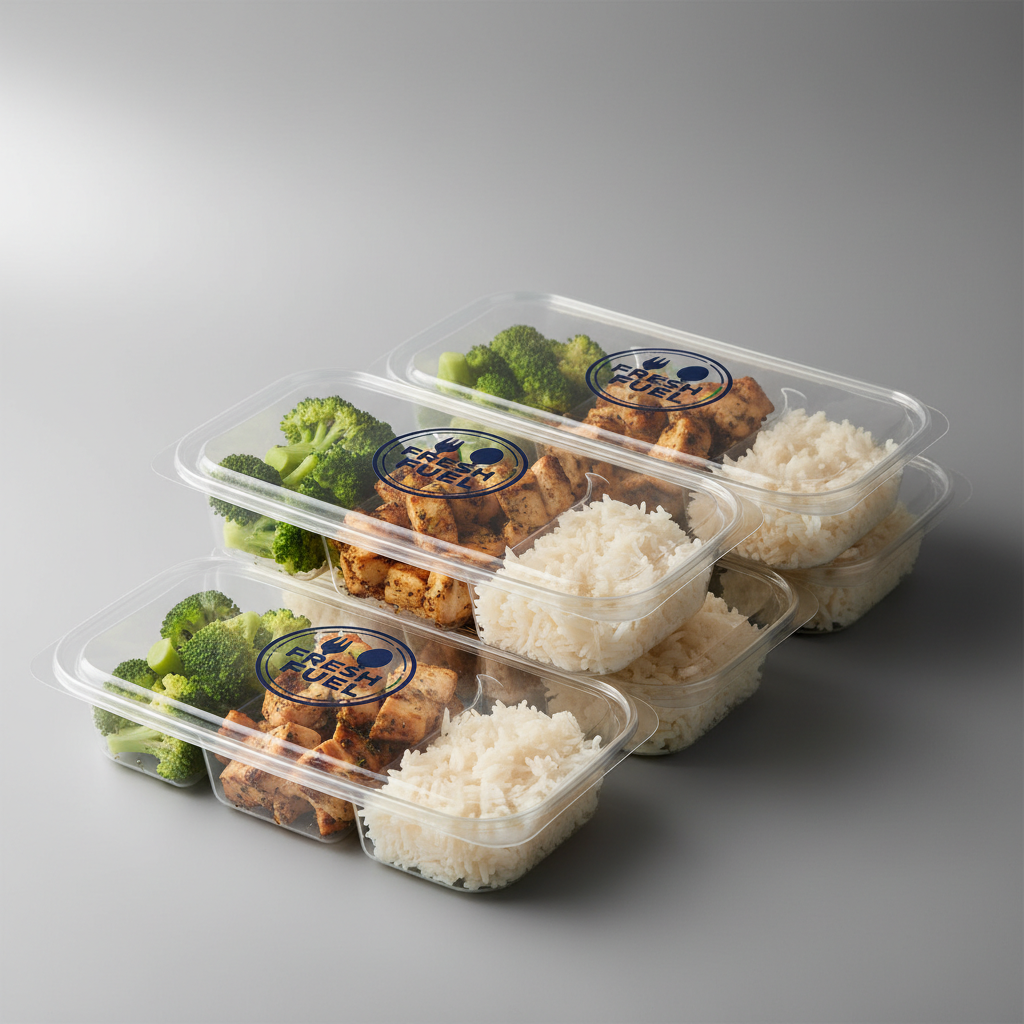
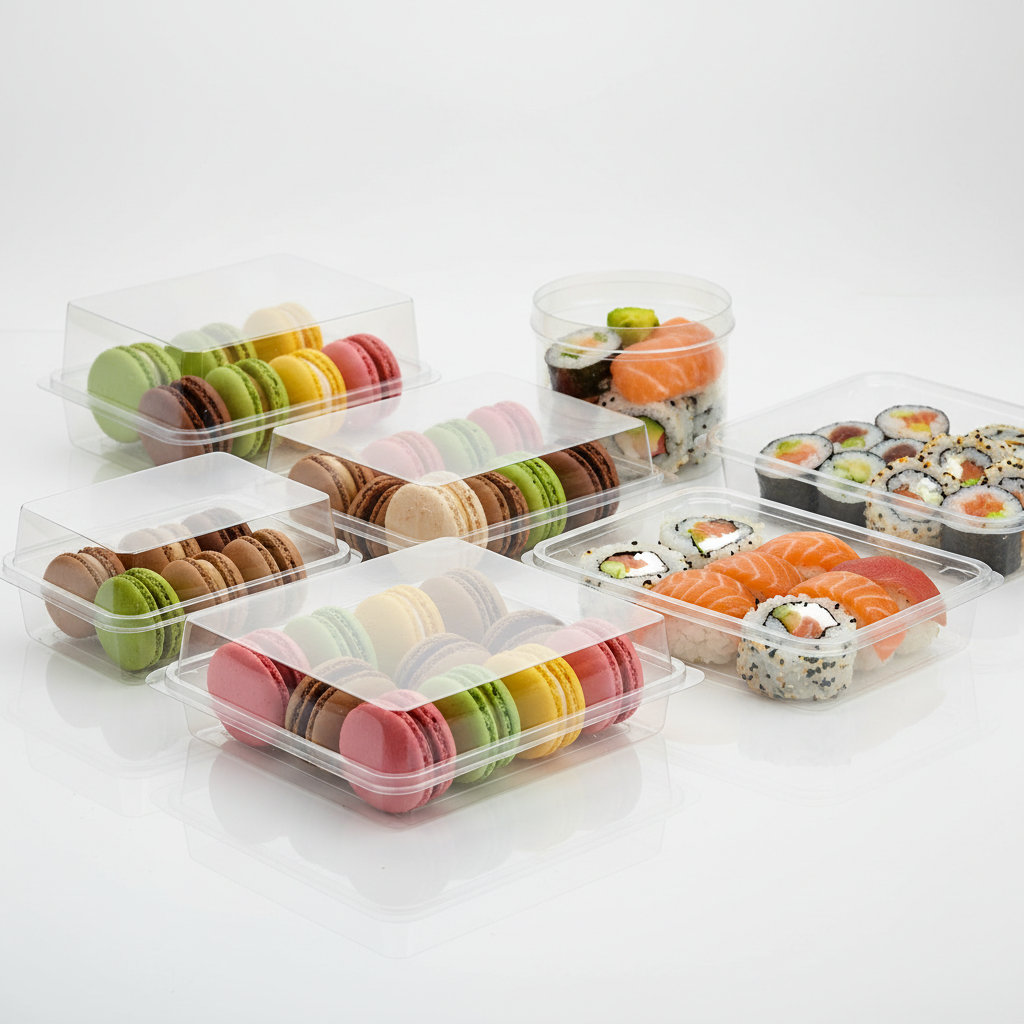
In the competitive landscape of food retail, product visibility is often synonymous with sales velocity. Whether you are merchandising artisanal macarons, fresh sushi, or gourmet chocolates, the barrier between the customer and the product must be as invisible as possible while offering robust protection. This is where the Plastic PET packaging box excels.
Polyethylene Terephthalate (PET) has emerged as the premier material for clear folding cartons and rigid boxes in the food service industry. Unlike traditional paperboard, which hides the product, or lower-grade plastics that may cloud or crack, PET offers crystal-clear transparency, high impact resistance, and excellent barrier properties against moisture and grease.
For B2B buyers—ranging from restaurant chains and bakeries to large-scale food distributors—choosing the right packaging involves more than just picking a size. It requires a deep understanding of material grades, thickness specifications, printing technologies, and structural design.
This comprehensive guide explores everything you need to know about sourcing custom plastic PET packaging boxes. We will cover technical specifications, food safety considerations, customization options, and the logistical factors that influence your bottom line.
1. What is PET Plastic and Why Use It for Food?
Defining PET (Polyethylene Terephthalate)
PET is a strong, lightweight, and transparent plastic from the polyester family. In the context of packaging boxes, it is typically used in sheet form, which is then die-cut, creased, and glued to form a box. It is globally recognized by the recycling code #1.
Key Characteristics for Food Service
- Optical Clarity: PET typically offers higher clarity than PVC or PP, closely mimicking the look of glass. This “glass-like” quality enhances the perceived value of the food inside.
- Food Safety: Virgin PET is chemically inert and widely approved for direct food contact. It does not leach chemicals into food, making it safe for acidic or fatty items.
- Impact Resistance: PET is shatterproof and resists cracking better than polystyrene (PS), ensuring that products survive the supply chain intact.
- Barrier Properties: It provides a strong barrier against water, oxygen, and carbon dioxide, helping to maintain freshness for short-shelf-life goods.
2. Material Comparisons: PET vs. PVC vs. PP
When sourcing plastic packaging, you will likely encounter three main acronyms: PET, PVC, and PP. Understanding the differences is critical for performance and compliance.
PET (Polyethylene Terephthalate)
Best for: Retail display, bakery, confectionery, cold foods.
PET is the industry standard for clear folding cartons. It is eco-friendlier than PVC because it is fully recyclable and does not emit harmful chlorine gas if incinerated. It holds creases well, allowing for sharp, square box shapes.
PVC (Polyvinyl Chloride)
Best for: Non-food industrial items (declining use).
Historically, PVC was the dominant clear plastic. However, it is increasingly being phased out in food packaging due to environmental concerns and potential toxicity during disposal. Many international markets now restrict PVC for food contact.
PP (Polypropylene)
Best for: Microwavable foods, hot fill.
PP is softer and has a hazy or milky appearance compared to PET. Its primary advantage is heat resistance; PP can withstand microwave temperatures, whereas PET will deform. However, for retail display where clarity is paramount, PP is inferior to PET.
| Feature | PET | PVC | PP |
|---|---|---|---|
| Clarity | Excellent (Crystal Clear) | Good (Slight Blue Tint) | Fair (Hazy/Milky) |
| Food Safety | High (Standard) | Low (Often Restricted) | High (Microwavable) |
| Recyclability | High (Code #1) | Difficult (Code #3) | Moderate (Code #5) |
3. Technical Specifications to Define
When requesting a quote from a manufacturer, vague requests lead to inaccurate pricing. You must specify the technical parameters of the PET sheet.
Thickness (Gauge/Micron)
The thickness of the plastic determines the box’s structural integrity. If the material is too thin, the box will bow or collapse when stacked. If it is too thick, it becomes difficult to fold and unnecessarily expensive.
- 0.20mm – 0.25mm (8-10 mil): Very thin. Suitable for small, lightweight items like single candies or small stationery.
- 0.30mm – 0.40mm (12-16 mil): Standard range for most retail food boxes (e.g., cupcake boxes, macaron packs). Offers a good balance of stiffness and cost.
- 0.50mm – 0.80mm (20-32 mil): Heavy duty. Used for larger boxes, gift sets, or heavy items like bottles or dense fruitcakes.
Soft Crease Technology
One of the challenges with plastic boxes is that they naturally want to spring back to a flat sheet. “Soft Crease” or “High-Frequency” creasing technology uses heat or radio frequencies to permanently set the fold lines. This ensures the box squares up easily during assembly (auto-erect) and stays square on the shelf, rather than bowing outward.
Coatings and Treatments
For food applications, standard PET might need enhancements:
- Anti-Scratch Coating: PET can scuff easily during transport. An anti-scratch coating helps maintain the pristine look.
- Anti-Fog Coating: Essential for refrigerated items like sushi or salads. Without this, condensation will cloud the window, obscuring the product.
- Anti-Static: Prevents dust attraction and makes the boxes easier to separate during the packing process.
4. Structural Designs and Shapes
The versatility of die-cutting allows for numerous structural configurations. Your choice depends on your packing speed requirements and aesthetic goals.
Auto-Lock Bottom
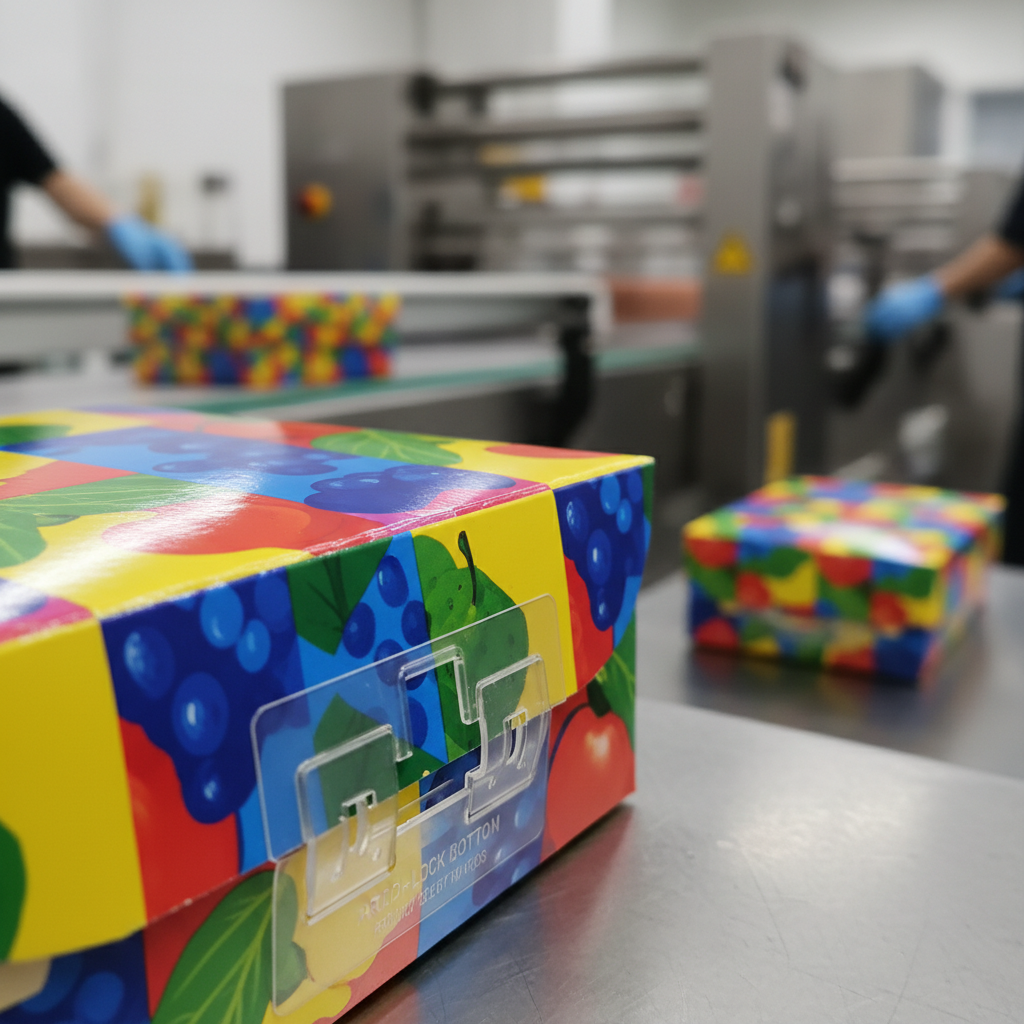
The most efficient style for manual assembly. The bottom flaps interlock automatically when the box is popped open. This is ideal for high-volume environments like bakeries where staff need to assemble hundreds of boxes quickly.
Tuck Top (Standard or Reverse)
A classic style where the top and bottom flaps tuck into the box.
- Standard Tuck: Top and bottom flaps open to the same side (better for display).
- Reverse Tuck: Top and bottom flaps open to opposite sides (often maximizes sheet yield/lower cost).
Two-Piece Telescope Boxes
Consists of a separate lid and base. This style feels more premium and is often used for gift sets or luxury chocolates. It requires more material and assembly time but offers a superior unboxing experience.
Pillow Packs
Curved, pillow-shaped boxes that pop open by squeezing the sides. These are excellent for small, lightweight items like party favors or loose candies but are not suitable for stackable retail displays.
5. Printing and Customization Options
A plain clear box is functional, but a printed box builds a brand. Printing on plastic requires specialized equipment, as standard inks do not adhere well to non-porous surfaces.
UV Offset Printing
This is the gold standard for high-quality plastic packaging. UV inks are cured instantly with ultraviolet light, resulting in vibrant, sharp images that don’t smear. It allows for photographic quality (CMYK) and complex gradients.
Silk Screen Printing
Best for bold, solid colors and simple logos. Screen printing lays down a thicker layer of ink, creating a tactile, premium feel. It is often used for single-color branding on clear boxes.
Hot Foil Stamping
For a luxury finish, metallic foil (gold, silver, rose gold) is stamped onto the plastic using heat and pressure. This is highly popular in the confectionery and cosmetic sectors.
The Importance of White Ink
When printing on clear material, standard colors will appear translucent. To make logos or images opaque and readable, a layer of white ink must be printed underneath the colored ink. Always check if your supplier includes this “white backer” in their print process.
6. Food-Specific Use Cases
Different food categories have unique requirements when utilizing wholesale food packaging boxes.
Bakery and Confectionery
Challenge: Grease and structural integrity.
Solution: PET is naturally grease-resistant, preventing the unsightly oil stains common with paper boxes. For delicate items like cupcakes, custom PET inserts are mandatory to prevent movement.
Sushi and Cold Deli
Challenge: Condensation and temperature.
Solution: Anti-fog treated PET is critical here. The packaging must withstand refrigerated temperatures (around 4°C) without becoming brittle.
Fresh Produce
Challenge: Respiration.
Solution: Fruits and vegetables release ethylene gas and moisture. PET boxes for produce often require ventilation holes (punched during die-cutting) to allow airflow and prevent spoilage.
Frozen Desserts
Challenge: Freezer burn and cracking.
Solution: Standard APET (Amorphous PET) can become brittle at deep freeze temperatures. Specialized freezer-grade formulations may be required for ice cream cakes or frozen pastries.
7. Manufacturing and Quality Assurance
Understanding the manufacturing process helps in negotiating quality standards.
The Process
- Extrusion: Plastic pellets are melted and formed into large rolls of PET sheet.
- Printing: The sheet is fed through a UV offset press (if custom printed).
- Die-Cutting & Creasing: A steel rule die cuts the shape and applies the creases. This is the most critical step for box functionality.
- Gluing: For auto-lock or side-glued boxes, automated folders/gluers apply clear adhesive.
Quality Checkpoints
- Crease Whitening: When PET is folded, the stress line can turn white. High-quality manufacturing minimizes this whitening effect.
- Adhesion Strength: The glue line must be strong enough to hold the box shape but clear enough not to be distracting.
- Scratch Inspection: Sheets should be inspected for surface abrasions before cutting.
8. Sustainability: The rPET Revolution
Sustainability is a top concern for modern buyers. While plastic often gets a bad reputation, PET is one of the most circular plastics available.
rPET (Recycled PET): Many manufacturers now offer boxes made with 30%, 50%, or even 100% post-consumer recycled content. Using rPET reduces the carbon footprint and appeals to eco-conscious consumers. However, 100% rPET may have a slight grey or yellow tint compared to virgin PET. For most brands, a blend (e.g., 30% rPET) offers a sweet spot between clarity and sustainability.
9. Buying Guide: Sourcing Strategy
Ready to place an order? Here is a checklist to ensure a smooth procurement process.
Minimum Order Quantities (MOQ)
Plastic packaging production has high setup costs (tooling, machine calibration).
- Custom Printed Boxes: Typically require MOQs of 3,000 to 5,000 units to absorb setup costs.
- Plain/Stock Sizes: May be available in lower quantities (e.g., 500 units), but per-unit costs are higher.
Tooling Costs
If you need a custom size, you will pay for a cutting die. If you need custom embossing, separate tooling is required. These are usually one-time fees.
Sampling
Never proceed to mass production without a sample.
- White/Plain Sample: Checks size and structure (usually fast and cheap).
- Digital Print Sample: Checks artwork placement (colors may not match offset production exactly).
- Production Proof: Actual press proof (expensive but accurate).
Lead Times
Plastic box manufacturing generally takes 2-3 weeks post-approval. Allow extra time for shipping, especially for international sea freight. Heat and humidity in shipping containers can affect plastic, so ensure your supplier uses proper palletization and wrapping.
10. Common Pitfalls to Avoid
- Ignoring the “Bleed”: Artwork must extend beyond the cut line to avoid white edges.
- Overlooking Assembly Time: Complex locking mechanisms save material costs but increase labor costs in your packing facility.
- Wrong Material Thickness: Ordering a 10-mil box for a heavy wine bottle will result in product damage. Always test the weight capacity.
Frequently Asked Questions (FAQ)
1. Is PET packaging safe for direct food contact?
Yes, virgin PET is FDA and EU approved for direct food contact. It is resistant to microorganisms and does not react with food ingredients.
2. Can I recycle PET boxes?
Absolutely. PET is the most widely recycled plastic (Resin Identification Code #1). Consumers can place these boxes in standard curbside recycling bins.
3. What is the difference between APET and PETG?
APET (Amorphous PET) is the standard for packaging boxes due to its clarity and cost-effectiveness. PETG contains glycol, which prevents crystallization and makes it easier to thermoform, but it is more expensive and less common for folding cartons.
4. How do I prevent my plastic boxes from scratching?
Request an anti-scratch coating from your manufacturer. Additionally, ensure boxes are shipped flat-packed and wrapped in protective film bundles.
5. Can you print photographs on plastic boxes?
Yes, using UV offset printing allows for high-resolution, full-color photographic images directly on the plastic surface.
6. Why is my PET box cloudy?
If the box is cloudy, it might be made of PP (Polypropylene) instead of PET, or it could be a low-grade recycled PET. Virgin PET should be near-perfectly clear.
7. How do I measure a plastic box?
Measure the inner dimensions (Length x Width x Depth). Measuring the outside can lead to fitment issues because the material thickness adds to the exterior volume.
Conclusion
Choosing the right Plastic PET packaging box is a balance of aesthetics, protection, and engineering. For food brands, the ability to showcase the freshness and artistry of the product without compromising on hygiene is invaluable. By selecting the correct thickness, leveraging UV printing, and opting for sustainable material blends, you can elevate your brand’s shelf presence significantly.
Whether you are launching a new line of gourmet treats or optimizing your supply chain for bulk distribution, getting the specifications right is the first step toward success.
Ready to upgrade your product presentation?
At YBJ Packing, we specialize in high-quality, custom-engineered packaging solutions for the global food industry. From design consultation to final delivery, we ensure your packaging meets the highest standards of clarity and durability.
Visit our How to Order page to learn about our process, or contact us today to request a quote and get a sample of our premium PET boxes.