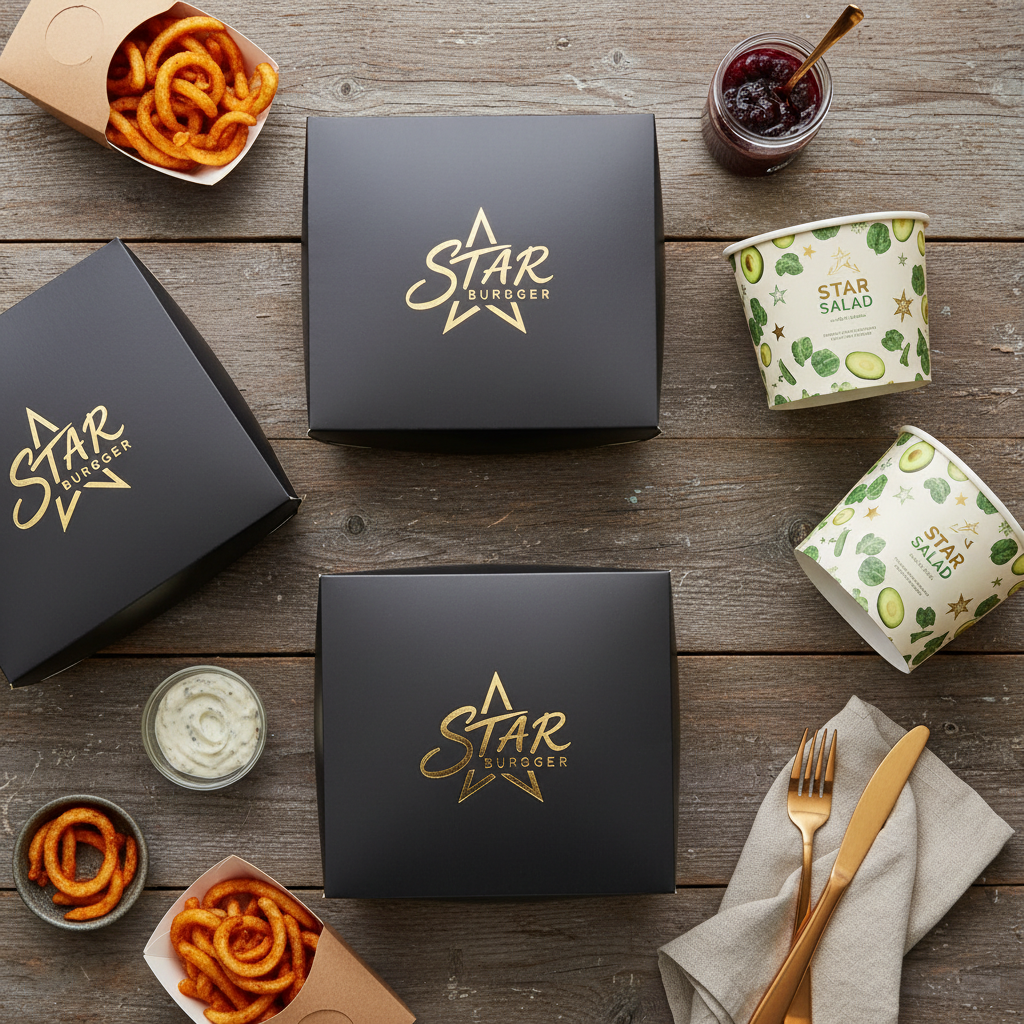


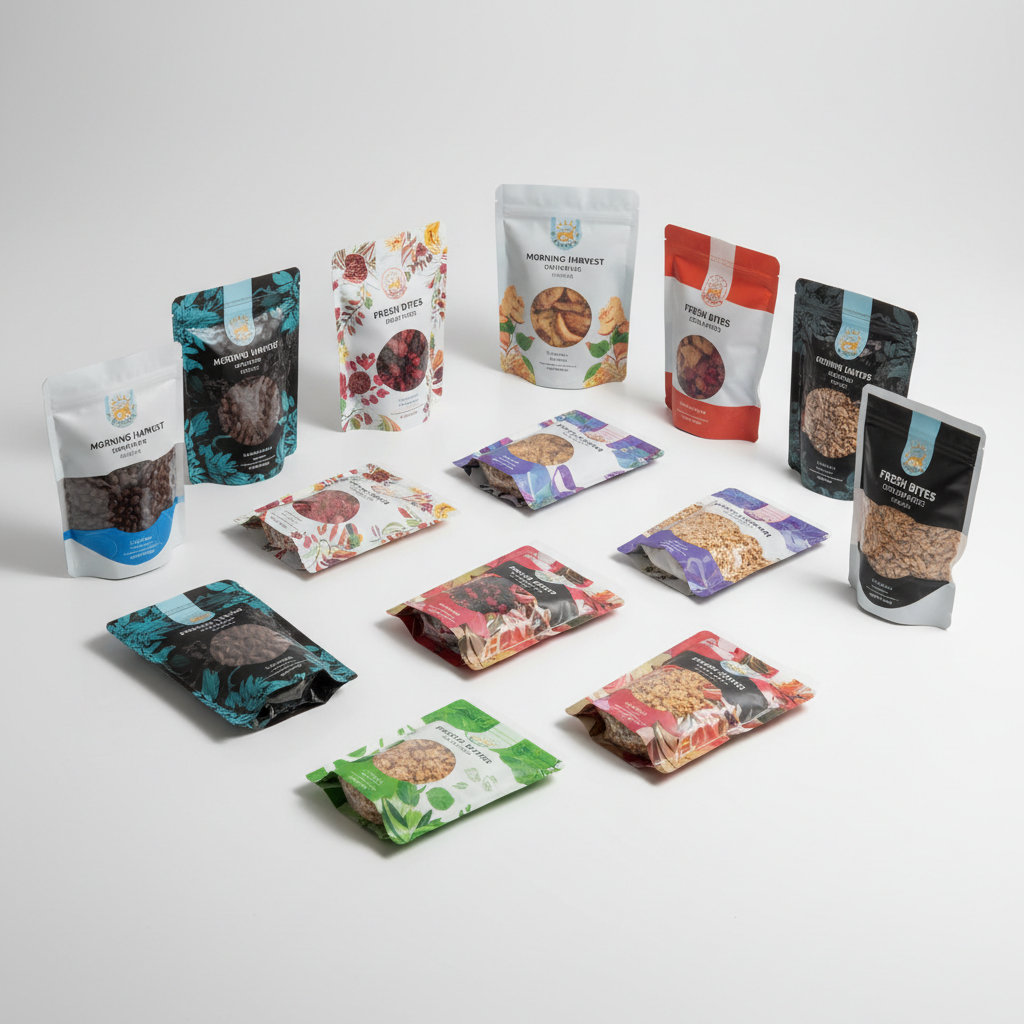
In the competitive food and beverage industry, packaging is more than just a vessel; it is a critical component of product safety, shelf-life extension, and brand communication. For procurement managers, operations directors, and business owners, selecting the right custom plastic food bag involves navigating a complex matrix of material science, manufacturing constraints, and aesthetic requirements.
Whether you are packaging fresh bakery items, frozen meats, or shelf-stable snacks, the integrity of your packaging directly influences the end-user experience. A bag that tears easily, fails to seal, or allows moisture ingress can damage your brand reputation and lead to significant product waste. Conversely, a well-engineered plastic food bag enhances product visibility, ensures freshness, and streamlines logistics.
This comprehensive guide explores the technical aspects of sourcing wholesale food packaging. We will examine material properties, structural options, sizing methodologies, and the customization possibilities available when working with a professional manufacturer like YBJ Packing.
Understanding Plastic Food Bag Materials
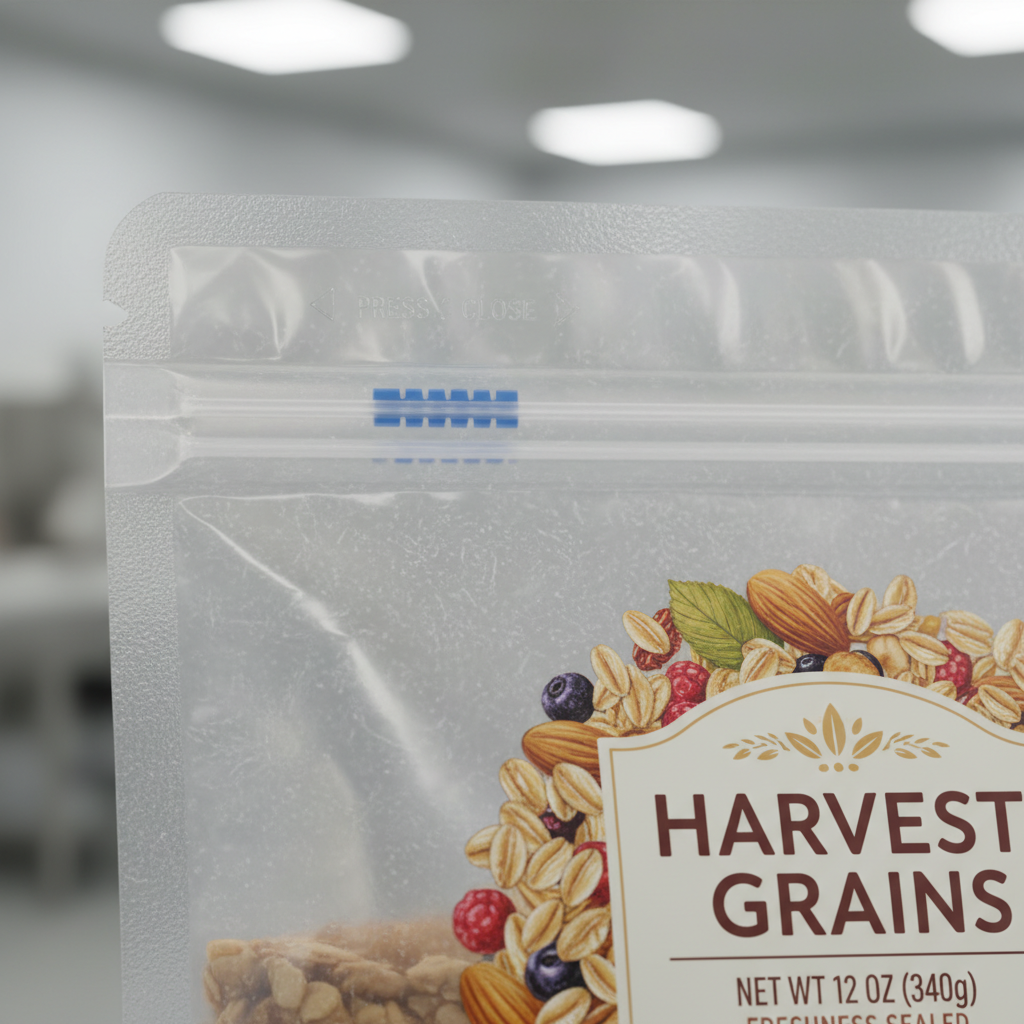
The foundation of any high-performance food bag is the material. Different polymers offer distinct barrier properties against oxygen, moisture, grease, and light. Choosing the wrong material can lead to spoilage or mechanical failure during transport.
Polyethylene (PE): LDPE vs. HDPE
Polyethylene is the most widely used plastic in the food industry due to its chemical inertness, heat sealability, and cost-effectiveness.
- Low-Density Polyethylene (LDPE): Known for its clarity and flexibility. LDPE has a high tensile strength and excellent puncture resistance relative to its thickness. It is commonly used for bread bags, produce bags, and frozen food applications where flexibility at low temperatures is required.
- High-Density Polyethylene (HDPE): Stiffer and more opaque than LDPE. It offers superior strength and barrier properties against moisture. HDPE is often found in cereal box liners and heavy-duty grocery sacks. It creates a crinkly sound when handled and has a higher melting point than LDPE.
Polypropylene (PP): BOPP vs. CPP
Polypropylene is valued for its exceptional clarity and high melting point, making it suitable for hot-fill applications and microwaveable packaging.
- Biaxially Oriented Polypropylene (BOPP): This material is stretched in two directions during manufacturing, resulting in high tensile strength, stiffness, and crystal-clear transparency. It is the standard for snack food packaging, candy wrappers, and label films. BOPP provides an excellent moisture barrier but a poor oxygen barrier, often requiring lamination with other films.
- Cast Polypropylene (CPP): Unlike BOPP, CPP is not oriented, which makes it softer and more resistant to impact and tears. It has excellent heat-sealing properties, making it an ideal inner sealing layer for laminated structures.
Multi-Layer Laminates and Barrier Films
Single-layer films often cannot provide all the necessary properties for sensitive food products. Manufacturers use lamination to combine the strengths of different materials.
For example, a common structure for a custom plastic food bag might include:
- Outer Layer (e.g., PET or BOPP): Provides a printable surface and heat resistance.
- Barrier Layer (e.g., AL Foil, VMPET, or EVOH): Blocks light, oxygen, and moisture to preserve freshness.
- Inner Layer (e.g., LDPE or CPP): Provides the hermetic heat seal that closes the bag.
Common Bag Styles and Configurations
The physical structure of the bag affects how the product is filled, displayed, and consumed. Selecting the right style depends on your filling equipment (manual vs. automated) and retail shelf requirements.
Flat Bags (3-Side Seal)
Flat bags are sealed on three sides with one open end for filling. They are cost-effective and space-efficient, ideal for small-portion items like spices, jerky samples, or vacuum-packed meats. They lay flat on shelves or can be hung using a hang hole.
Stand-Up Pouches (Doypacks)
The stand-up pouch has revolutionized retail packaging. Featuring a bottom gusset, these bags stand upright on shelves, providing maximum brand visibility. They are commonly used for snacks, pet food, dried fruits, and powders. The structure provides stability and volume without the bulk of rigid containers.
Side Gusset and Bottom Gusset Bags
Gussets are folds in the material that expand when filled, increasing the bag’s capacity.
- Side Gusset Bags: Often used for coffee and tea. As the bag fills, the sides expand, creating a box-like shape that stacks efficiently.
- Bottom Gusset Bags: Similar to stand-up pouches but with different seal configurations. The specific geometry of the gusset (round bottom vs. K-seal vs. plow bottom) affects the bag’s stability for heavier products.
Wicketed Bags for Automated Filling
For high-speed manufacturing environments, such as bakeries packaging sliced bread or produce lines, wicketed bags are essential. These bags are stacked on a metal wire bracket (wicket). Automated machinery uses air or mechanical arms to open the bag, insert the product, and tear the bag off the wicket efficiently.
Technical Specifications: Thickness and Dimensions
Specifying the correct dimensions is crucial to avoid product damage or wasted material. A bag that is too tight may burst; a bag that is too loose wastes shelf space and material costs.
How to Measure a Plastic Food Bag Correctly
Measurements are typically formatted as Width x Length (+ Gusset). However, the definition of “length” and “width” can vary by bag style.
- Flat Bags: Measure the external width and the total external length (including the lip/header if applicable).
- Stand-Up Pouches: Measure Width x Height + Bottom Gusset depth. Note that the fillable area is smaller than the external dimensions due to seal widths (usually 5mm–10mm on each side).
- Side Gusset Bags: Measure Width (Face) x Height x Side Gusset depth.
Understanding Thickness: Microns vs. Mils
Thickness determines the bag’s durability and barrier performance. It is measured in microns (µm) or mils (1/1000th of an inch).
- Light Duty (20–40 microns / 0.8–1.5 mil): Produce bags, bread bags, light liners.
- Medium Duty (50–80 microns / 2–3 mil): Confectionery, frozen vegetables, general retail packaging.
- Heavy Duty (100+ microns / 4+ mil): Vacuum bags, pet food, sharp/heavy items, industrial bulk packaging.
When sourcing food packaging bags, always specify if the thickness refers to a single side or the total structure.
Printing and Customization Options
Custom printing transforms a generic bag into a powerful marketing tool. At YBJ Packing, we utilize advanced printing technologies to ensure your brand stands out.
Printing Technologies: Rotogravure vs. Flexographic
- Rotogravure (Gravure): This method uses engraved cylinders to transfer ink. It is capable of extremely high-resolution images, intricate gradients, and consistent color density. It is the preferred choice for high-volume orders requiring photographic quality.
- Flexographic (Flexo): Uses flexible relief plates. While historically lower quality than gravure, modern HD flexo rivals gravure quality and is often more cost-effective for simple designs or shorter runs.
Finishes: Matte, Gloss, and Soft-Touch
The surface finish affects both the look and feel of the product.
- Gloss: High shine, makes colors pop and appear vibrant. Best for snacks and candy.
- Matte: Non-reflective, suggests a premium, natural, or organic quality. Popular for health foods and artisan coffee.
- Spot UV/Varnish: Combines matte and gloss elements. For example, a matte background with a glossy logo creates a striking visual contrast.
Use Case Scenarios: Matching Bag to Product
Different food products impose different demands on packaging. Here is how to match the application to the bag type.
Frozen Food and Cold Chain Durability
Challenge: Cold temperatures make standard plastics brittle (glass transition temperature). Ice crystals can puncture weak films.
Solution: Use PE blends specifically formulated for freezer use (often with EVA additives) to maintain flexibility at -20°C. Ensure seals are wide and strong to prevent “freezer burn” caused by air leaks.
Snack Foods and Grease Resistance
Challenge: Oils from chips, nuts, or bakery items can seep through standard LDPE, causing staining and delamination.
Solution: Use laminated structures incorporating BOPP or PET, which have superior grease resistance. Metalized layers (VMPET) also help reflect heat and light to prevent oil rancidity.
Hot-Fill and Liquid Applications
Challenge: Filling soups or sauces at high temperatures can melt standard seals or cause the bag to deform.
Solution: Use high-performance laminates like NY/PE (Nylon/Polyethylene) or PET/CPP. Nylon provides excellent heat resistance and puncture strength, making it ideal for hot-fill and vacuum applications.
Sourcing Guide: How to Order Custom Plastic Food Bags
Ordering custom packaging is a collaborative process. Being prepared with the right information ensures accurate quotes and faster lead times.
Defining Your Requirements (Checklist)
Before you contact our team, try to define the following:
- Product to be packaged: (e.g., “250g Roasted Coffee Beans”)
- Bag Style: (e.g., Stand-up pouch with zipper)
- Dimensions: (Width x Height x Gusset)
- Material Preference: (If known, e.g., “Recyclable PE” or “High Barrier Foil”)
- Printing: Number of colors and coverage area.
- Features: Tear notch, euro hole, zipper, valve, rounded corners.
Understanding MOQs (Minimum Order Quantities)
Custom manufacturing involves setup costs (cylinder creation, machine calibration). Therefore, plastic food bag manufacturers typically set MOQs. For rotogravure printing, MOQs might range from 10,000 to 30,000 units depending on the bag size, as the machine runs at high speeds and generates specific waste during setup.
The Artwork Approval Process
Submit your designs in vector formats (AI, PDF, EPS). Our team will provide a digital proof (dieline) showing how the artwork wraps around the bag, where the seals are located, and where the eye-marks (for cutting sensors) will be placed. Careful review of this stage is critical to avoid printing errors.
Quality Assurance and Compliance
For food packaging, safety is non-negotiable. Ensure your supplier adheres to Good Manufacturing Practices (GMP).
- Food Contact Materials: All films, inks, and adhesives must meet regulatory standards for food contact (e.g., FDA or EU regulations).
- Seal Strength Testing: We perform burst tests and tensile tests to ensure seals do not fail under pressure or during transit.
- Barrier Testing: For sensitive products, we verify Oxygen Transmission Rates (OTR) and Water Vapor Transmission Rates (WVTR) to guarantee shelf-life performance.
Frequently Asked Questions (FAQ)
Q: Can I get a sample before placing a bulk order?
Yes, we strongly recommend sampling. We can send stock samples for quality evaluation or produce a digital mock-up for size verification. Request a sample here.
Q: What is the difference between a zipper and a slider?
A press-to-close zipper is the standard interlocking track used on most pouches. A slider is a plastic clip that slides back and forth to close the bag, often used for larger bags or premium ease-of-use.
Q: Do you offer eco-friendly plastic options?
Yes, the industry is shifting toward mono-material structures (e.g., PE/PE laminates) that are fully recyclable, unlike traditional multi-material laminates. We can guide you on the best sustainable options for your product.
Q: How long does production take?
Typical lead times for custom printed bags are 3–4 weeks after artwork approval, depending on the complexity and quantity. Shipping times vary by location.
Q: Can you help with the design?
While we primarily manufacture based on your artwork, our technical team can assist with layout adjustments and ensuring your design fits the dieline correctly.
Conclusion
Selecting the right plastic food bag requires balancing protection, presentation, and price. From the barrier properties of the film to the convenience of a resealable zipper, every detail counts towards the success of your product in the market.
At YBJ Packing, we specialize in helping businesses navigate these choices to find the perfect packaging solution. Whether you need a high-barrier retort pouch or a crystal-clear bakery bag, our expertise ensures your product remains safe and appealing.
Ready to upgrade your food packaging? Visit our how to order page to understand our process, or contact us directly to discuss your project.