


Elevating the Pizza Experience Through Strategic Packaging
In the competitive food and beverage sector, packaging serves two critical roles: protecting the product during transit and acting as a tangible brand ambassador. For pizza chains and frozen food distributors, the box is often the only physical touchpoint between the brand and the consumer outside of the product itself. High-quality custom pizza packaging ensures thermal retention, grease resistance, and structural integrity, all while providing a canvas for marketing messages.
This guide explores the technical specifications, material choices, and printing technologies available for wholesale pizza boxes, helping procurement managers and brand owners make informed manufacturing decisions.
Material Selection: Why Corrugated E-Flute Reigns Supreme
While various paper stocks exist, the vast majority of effective pizza packaging utilizes corrugated board. Unlike standard cardstock or rigid boxes, corrugated material offers the necessary insulation and stacking strength required for hot food delivery.
The Role of Flute Profiles
The “flute” refers to the wavy layer sandwiched between the linerboards. For pizza boxes, E-flute is the industry standard for several reasons:
- Thermal Insulation: The air pockets within the fluting trap heat, keeping the pizza warm for longer periods compared to flat paperboard.
- Stackability: E-flute provides excellent crush resistance. This is vital when delivery drivers stack multiple pizzas, ensuring the lid does not collapse onto the cheese.
- Print Surface: E-flute has a tighter wave pattern than larger flutes (like B or C), resulting in a smoother surface that accepts high-quality printing with less “washboarding” effect.
While rigid boxes (often used for luxury retail) or linen-textured stocks exist, they are generally impractical for hot food due to cost and lack of ventilation. Corrugated board remains the most efficient balance of performance and cost.
Structural Design and Functional Features
Beyond material, the structural design of the box dictates user experience and operational efficiency.
1. Mailer-Style and Tuck-Top Boxes
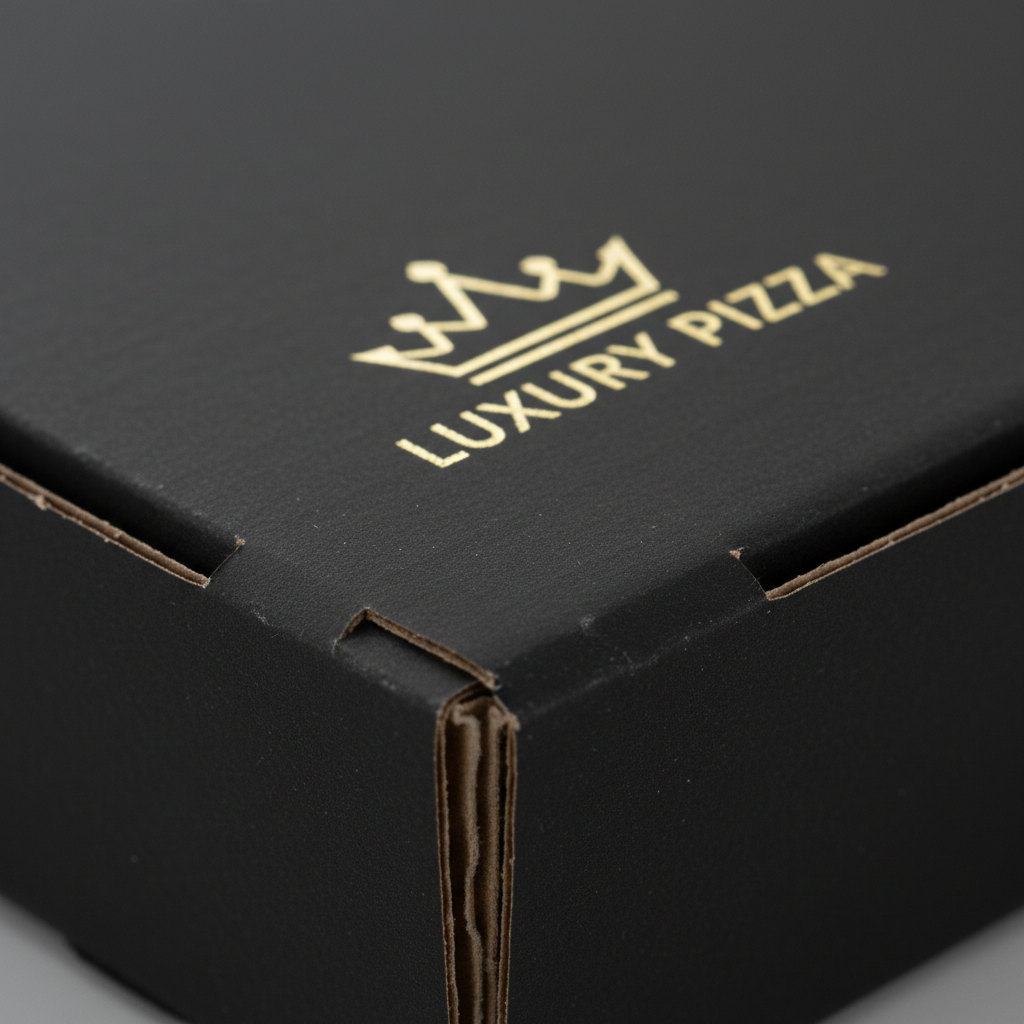
The most robust design for pizza is the mailer-style or roll-end tuck-top box. This construction features double-thick side walls which enhance stacking strength. The front tuck closure ensures the box remains securely closed during transit, preventing accidental opening if dropped or mishandled.
2. Ventilation and Moisture Control
A common challenge in pizza delivery is the “soggy crust” phenomenon caused by trapped steam. Professional packaging design includes strategic ventilation holes (usually at the rear or sides). These vents allow excess steam to escape without compromising thermal retention significantly. Balancing airflow is a precise engineering task—too much airflow cools the pizza; too little creates condensation.
3. Perforated Designs
For enhanced consumer convenience, brands are increasingly requesting perforated boxes. These designs feature die-cut dotted lines that allow the lid to be torn off easily, serving as disposable plates. This adds value to the customer experience, particularly for outdoor events or casual dining settings.
4. Window Patching
While less common for hot delivery due to condensation issues, PVC or PET windows are excellent for frozen pizza or “take-and-bake” retail packaging. A clear window allows consumers to verify ingredient freshness. For hot foods, any window material must be carefully selected to withstand heat without warping.
Printing Technologies and Branding Options
Visual differentiation is key in a crowded market. YBJ Packing offers diverse printing techniques to match brand aesthetics and budget requirements.
CMYK vs. PMS Printing
- CMYK (Cyan, Magenta, Yellow, Key/Black): Ideal for photographic images or complex multi-color designs. It mixes four base colors to create a full spectrum.
- PMS (Pantone Matching System): Essential for brands requiring exact color consistency across all packaging. PMS uses pre-mixed inks to achieve specific spot colors that CMYK cannot always replicate perfectly.
Premium Finishes
To elevate the perceived value of the product, consider advanced finishing options:
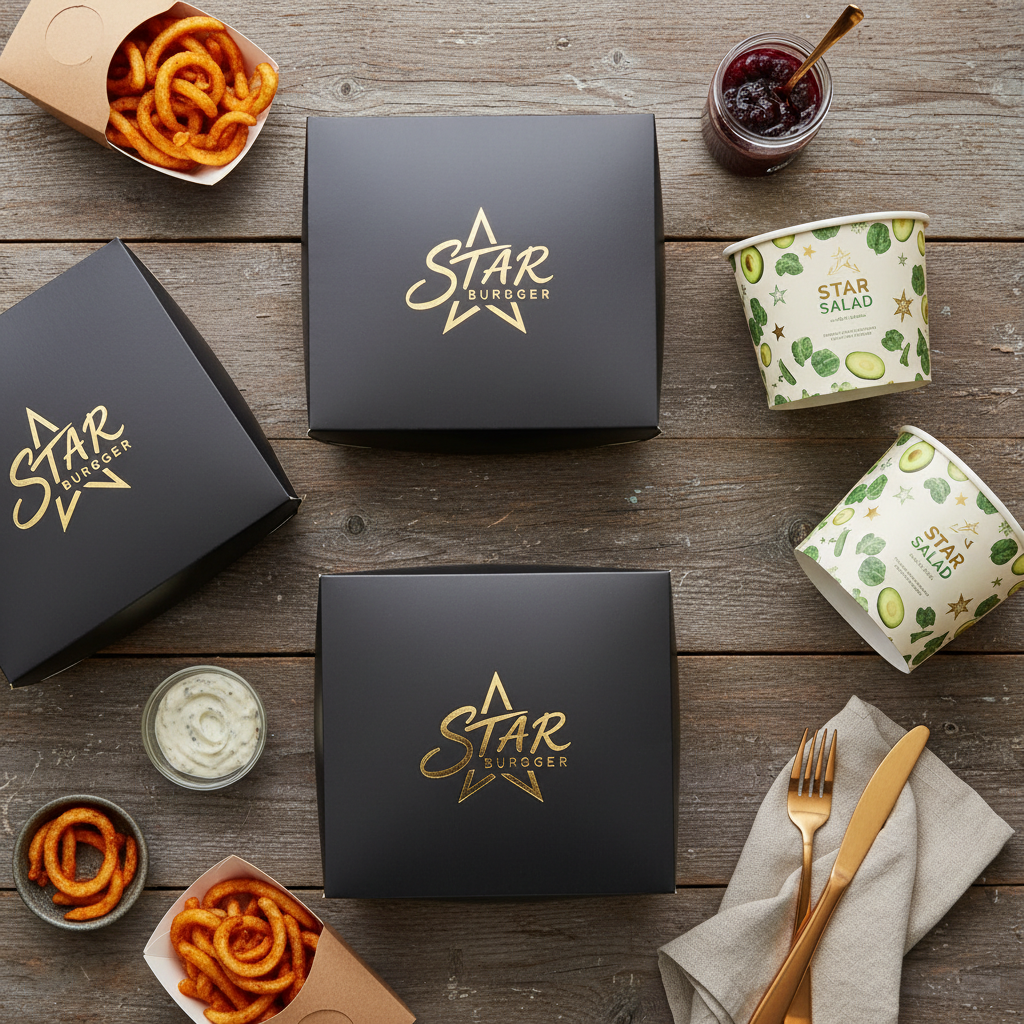
- Foil Stamping: Applying metallic foil (Gold, Silver, Rose Gold) adds a luxury feel. This is often used for gourmet or artisanal pizza brands.
- Embossing/Debossing: This technique raises or recesses specific design elements (like a logo) to create a tactile 3D effect.
- Spot UV: Applying a high-gloss coating to specific areas against a matte background creates a striking visual contrast.
For more insights on how design influences consumer perception, see our article on why Pizza is the yummiest snack that all ages crave.
Coatings and Food Safety
The finish of the box is not just aesthetic; it is functional. Pizza is high in grease and moisture, which can compromise untreated paper.
- Matte vs. Gloss Lamination: Matte finishes offer a modern, sophisticated look and are less reflective, making text easier to read. Gloss finishes are vibrant and repel moisture effectively.
- Grease-Resistant Coatings: Essential for the interior liner. A food-grade aqueous coating prevents oil from soaking into the cardboard, which would otherwise weaken the box and leave unsightly stains on the exterior.
Manufacturing and Buying Considerations
When sourcing custom pizza boxes, procurement teams should consider the following logistics:
Minimum Order Quantities (MOQ)
Custom manufacturing requires setup for dies and print plates. While digital printing allows for lower MOQs, high-volume flexographic or offset runs offer significantly lower per-unit costs. Discuss your volume projections with the manufacturer to select the right production method.
Prototyping and Sampling
Before committing to a full production run, request a structural sample. This ensures the box dimensions fit your specific pizza size perfectly (preventing sliding) and that the material thickness meets your stacking requirements.
FAQ: Custom Pizza Packaging
What is the best flute size for pizza boxes?
E-flute is the standard choice. It is approximately 1.6mm thick, offering a slim profile that saves storage space while providing adequate insulation and printability.
Can I print inside the pizza box?
Yes, inside printing is a popular trend for revealing marketing messages or discount codes as the customer eats. However, inks used on the interior must be food-safe and compliant with relevant safety regulations.
Are these boxes recyclable?
Corrugated boxes are generally recyclable. However, heavy grease contamination can affect recyclability. Using a grease-proof liner paper or a separate insert sheet can help keep the main box clean for recycling.
Do you offer design assistance?
Yes, if you do not have a print-ready file, our team can assist in adapting your logo and branding into a dieline suitable for production.
Request a Quote for Custom Packaging
Whether you need a simple kraft box with a logo or a full-color, foil-stamped masterpiece, YBJ Packing provides end-to-end manufacturing solutions. We ensure your packaging protects your product and enhances your brand.
Contact us today to request a quote or get a sample of our pizza packaging solutions.