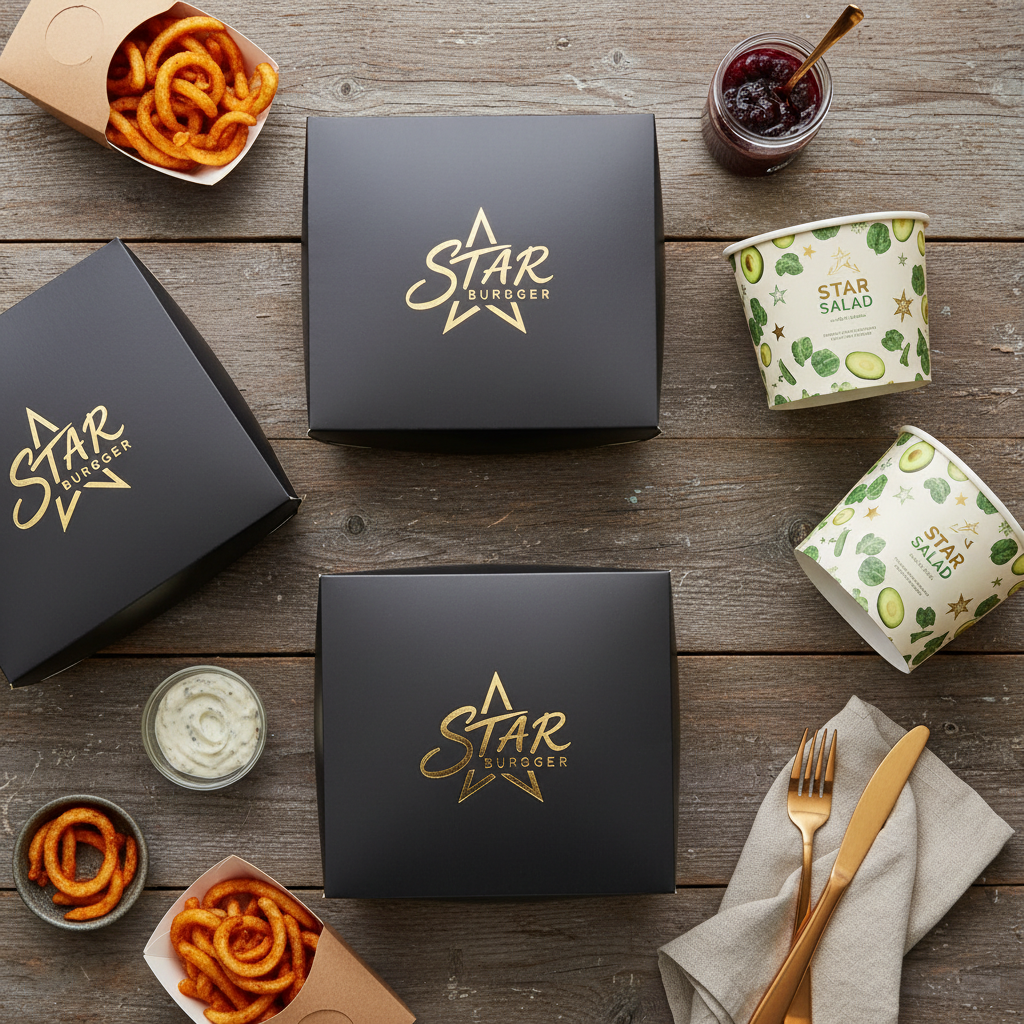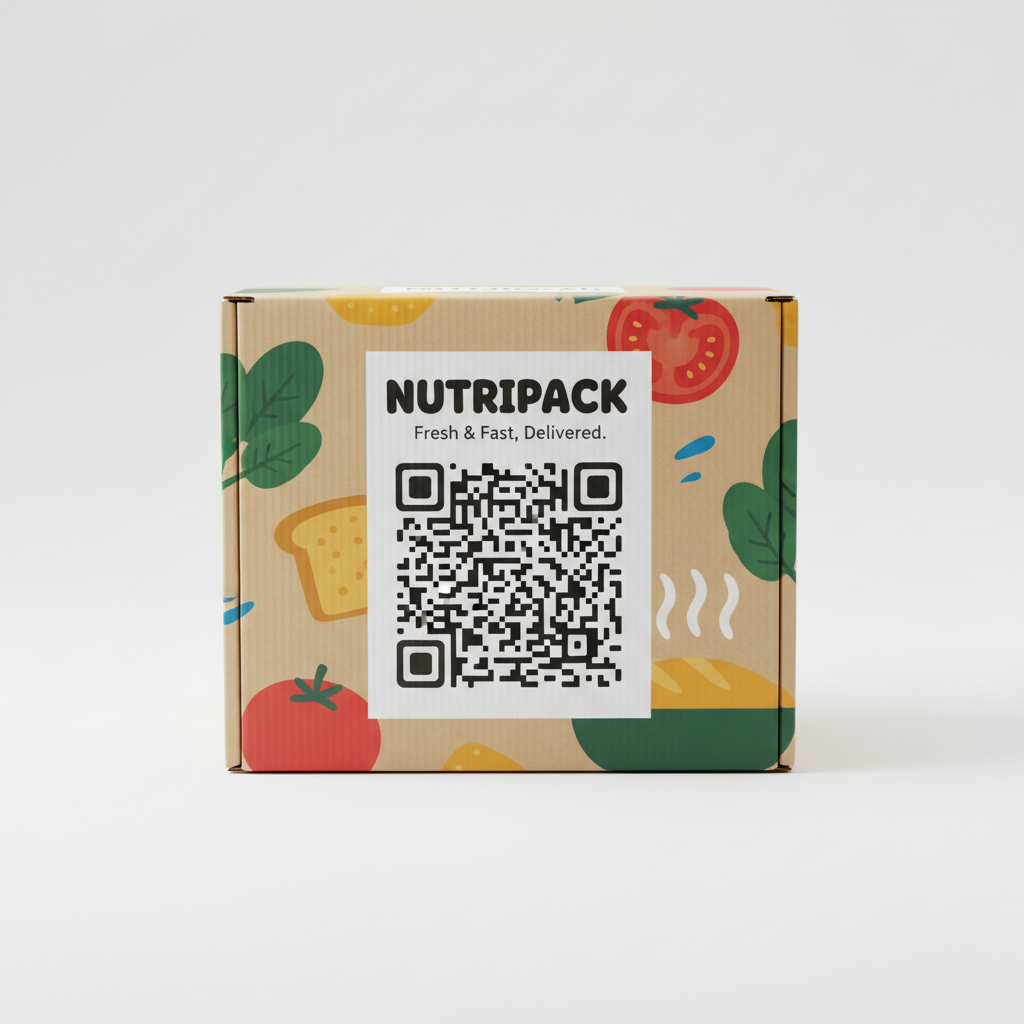


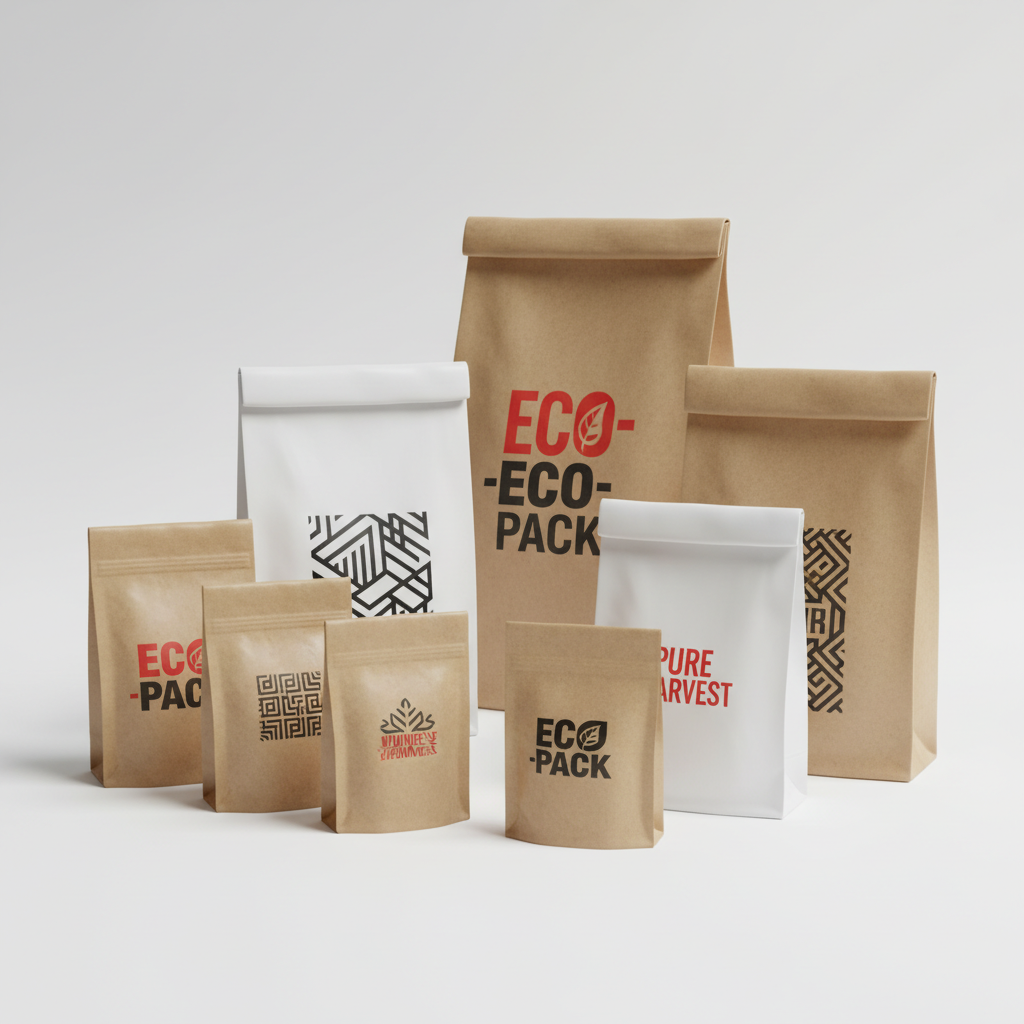
In the competitive landscape of food service and industrial packaging, the vessel that holds your product is as important as the product itself. For Quick Service Restaurants (QSRs), bakeries, and food distributors, the PE coated bag represents a critical intersection of functionality, branding, and cost-efficiency. Unlike standard paper bags, polyethylene (PE) coated options offer the robust barrier properties necessary to handle hot, greasy, or moist items without structural failure.
This comprehensive guide is designed for procurement officers, operations managers, and business owners who need to navigate the technical specifications of PE coated bags. We will explore material compositions, manufacturing processes, customization options, and the strategic considerations required to source the right packaging for your supply chain.
Understanding PE Coated Bags: The Technical Basics
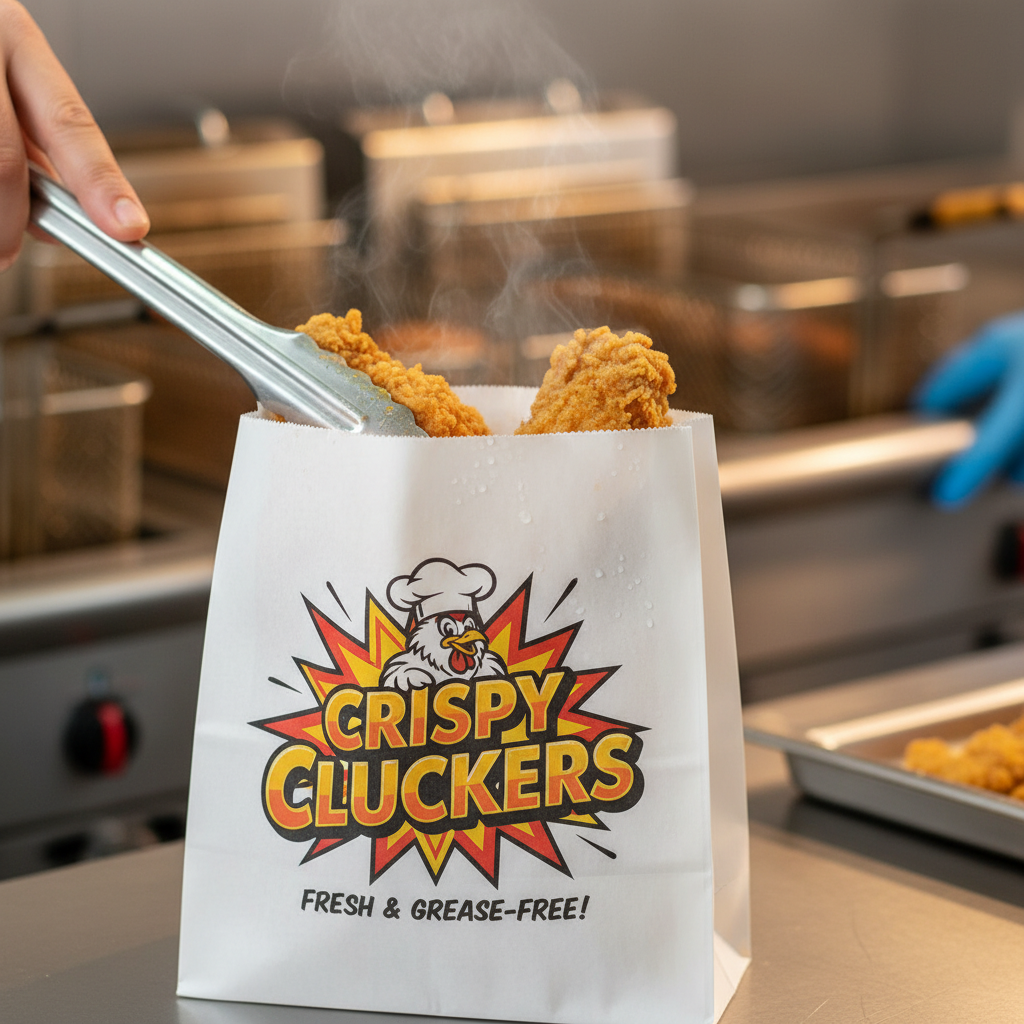
To make an informed buying decision, it is essential to understand what constitutes a PE coated bag and how it differs from other packaging substrates. At its core, a PE coated bag is a composite material, typically consisting of a paper base laminated with a thin layer of polyethylene plastic.
What is Polyethylene (PE) Coating?
Polyethylene is a thermoplastic polymer with a variable crystalline structure. In the context of paper packaging, Low-Density Polyethylene (LDPE) is the most commonly used variant due to its flexibility, transparency, and excellent moisture barrier properties. The coating serves multiple functions:
- Grease Resistance: It prevents oils and fats from penetrating the paper fibers, which would otherwise cause staining and structural weakness.
- Moisture Barrier: It keeps external moisture out (important for dry goods) or internal moisture in (important for keeping hot food fresh).
- Heat Sealability: Unlike plain paper, the PE layer melts at specific temperatures, allowing the bag to be heat-sealed for a tamper-evident closure.
The Extrusion Lamination Process
High-quality PE coated bags are manufactured using an extrusion coating process. This involves melting the polyethylene resin and extruding it as a thin, continuous film directly onto the moving web of paper. The two materials are pressed together between rollers to create a permanent bond. This method ensures that the PE layer is uniform and free of pinholes, which is critical for food safety and leak prevention.
PE Coated vs. Wax Coated vs. Uncoated
Buyers often confuse PE coating with wax coating. Here is the distinction:
- Uncoated Paper: Breathable but offers zero resistance to grease or water. Suitable only for dry, non-greasy items like bread loaves.
- Wax Coated (Dry or Wet Wax): Offers grease resistance but is not heat-sealable and can sometimes transfer wax to the food if the temperature is too high. Wax paper is also notoriously difficult to print on with high precision.
- PE Coated: Offers superior barrier protection, can be heat-sealed, and provides a smoother surface for high-quality printing. It is the industry standard for hot, oily foods like french fries, burgers, and pastries.
Material Specifications for Procurement
When requesting a quote for food packaging bags, specificity is key. The performance of the bag depends heavily on the grade of paper and the thickness of the PE layer.
Base Paper Options
The substrate provides the bag’s strength and printing surface. Common options include:
- White Bleached Kraft (Virgin): Offers the best surface for vibrant, multi-color printing. It suggests cleanliness and hygiene, making it popular for medical and high-end food applications.
- Natural Brown Kraft (Virgin or Recycled): conveys an organic, eco-friendly aesthetic. Virgin brown kraft is stronger than recycled variants and is FDA-approved for direct food contact.
- Greaseproof Paper Base: For extremely oily applications, some manufacturers use a base paper that is already treated for grease resistance (Kit level 3-7) before applying the PE coating for double protection.
Paper Weight (GSM) Guidelines
Paper weight is measured in Grams per Square Meter (GSM). Choosing the right GSM balances cost with durability.
- 30–40 GSM: Very light. Suitable for small bakery bags or light confectionaries.
- 40–60 GSM: Standard range for fast food bags (burgers, fries, sandwiches).
- 70–90 GSM: Heavy-duty. Used for larger takeout sacks, flour bags, or items with sharp edges that might puncture lighter paper.
Coating Thickness and Weight
The PE layer also has a weight, typically ranging from 10 GSM to 20 GSM. A standard specification might look like “50gsm Paper + 15gsm PE.”
- 10–12 GSM PE: Basic moisture protection. Good for dry goods.
- 15–18 GSM PE: Standard for hot, greasy foods. Provides good heat-sealing capabilities.
- 20+ GSM PE: Heavy barrier. Used for liquids or very wet items.
Key Performance Characteristics
Understanding technical performance metrics allows you to verify if a supplier’s product meets your operational needs.
Grease and Oil Resistance (KIT Levels)
While the PE layer provides a physical barrier, the paper itself can be rated using the KIT test, which measures resistance to oil penetration on a scale of 1 to 12. For a PE coated bag, the plastic layer acts as the ultimate barrier, but the quality of adhesion ensures that oil doesn’t wick between the paper and the plastic. For high-fat items like fried chicken, ensure the bag is tested for high-temperature grease resistance.
Moisture Barrier and Heat Retention
In the “Grab-and-Go” sector, heat retention is a competitive advantage. A PE coated bag traps steam better than uncoated paper. However, too much trapped steam can make crispy food soggy. Advanced bags may feature micro-perforations or specific folding designs to allow limited venting while retaining heat.
Heat Sealability
For automated packaging lines, the PE coating serves as the sealant. The “seal initiation temperature” (SIT) is a critical spec for engineers setting up packaging machinery. A consistent PE layer ensures that bags seal tightly without burning the paper substrate.
Standard Styles and Dimensions
PE coated bags come in various form factors. Selecting the right style impacts storage efficiency and user experience.
Flat and Satchel Bags
These are the most economical options.
Flat Bags: Two-dimensional bags with no gussets. Ideal for cookies, pretzels, or thin sandwiches.
Satchel Bags: Feature side gussets that expand to hold bulkier items. Commonly used for bakery loaves or multiple pastries.
Square Bottom (SOS) Bags
Self-Opening Sack (SOS) bags have a rectangular base that allows them to stand upright for easy filling. This is the standard format for fast-food takeout orders. The PE coating on the inside ensures that any spills at the bottom of the bag do not leak through to the customer’s car seat or clothes.
Window Bags
These bags feature a clear window (often made of PE or PLA film) to display the product. In PE coated window bags, the internal coating is often continuous with the window material, providing a seamless barrier.
Custom Sizing
While standard sizes (e.g., #4, #6, #12 bags) exist, large B2B orders often require custom dimensions to fit specific food trays or products snugly. Reducing excess air space not only improves heat retention but also reduces material usage and cost.
Printing and Branding Customization
For B2B buyers, the bag is a mobile billboard. High-quality printing is non-negotiable.
Flexographic Printing
The industry standard for printing on PE coated paper is flexography. It uses flexible relief plates and fast-drying inks. It is cost-effective for high volumes and supports up to 6-8 colors.
- Spot Colors (Pantone): Best for consistent brand logos (e.g., a specific shade of red).
- CMYK Process: Used for photographic images, though less common on simple takeaway bags.
Artwork Requirements
To ensure a smooth production process, procurement teams should have the following ready:
- Vector Files: AI, EPS, or PDF formats are required for crisp lines.
- Bleed Area: If the design goes to the edge of the bag, the artwork must extend beyond the trim line.
- Eye Marks: If using automated filling machines, your design may need specific registration marks (eye marks) for the sensors to read.
Water-Based Inks and Food Safety
Ensure your manufacturer uses water-based or soy-based inks that are free from heavy metals and suitable for indirect food contact. Solvent-based inks can leave residual odors that taint the food product.
Applications and Use Cases in Food Service
Different sectors utilize PE coated bags for distinct reasons. Identifying your use case helps in selecting the right specs.
Fast Food and QSR Chains
Primary Need: Speed and Grease Resistance.
Solution: Lightweight SOS bags with 15gsm PE coating. The coating prevents grease spots from burgers and fries from ruining the branding on the outside of the bag.
Bakeries and Cafes
Primary Need: Freshness and Aesthetics.
Solution: White kraft satchel bags with a light PE coating. The coating prevents the moisture from warm bread from evaporating too quickly, keeping the crust soft (or crisp, depending on perforation) for longer.
Hot Deli and Grab-and-Go
Primary Need: Leak-proof and Heat Retention.
Solution: Heavy-duty PE coated bags, often heat-sealed. These are essential for rotisserie chickens or hot sandwiches where leakage is a major liability.
Airline and Travel
Primary Need: Liquid Containment.
Solution: Air sickness bags are essentially high-grade PE coated paper bags designed to hold liquids indefinitely without disintegrating.
Manufacturing, Quality Control, and Lead Times
Understanding the factory floor helps in managing expectations and timelines.
The Production Workflow
- Paper Sourcing: Rolls of raw kraft paper are procured.
- Coating: The paper is fed through the extrusion laminator to apply the PE layer.
- Printing: The coated roll is moved to the flexographic press for branding.
- Die-Cutting and Forming: The roll is cut and folded into the final bag shape.
- Packaging: Finished bags are boxed for shipment.
Quality Assurance Metrics
Reliable suppliers perform specific tests:
- Adhesion Test: Using tape to ensure the PE layer doesn’t peel off the paper.
- Leak Test: Filling random samples with water or oil to check for pinholes.
- Load Test: ensuring the bottom seal holds the rated weight.
Typical Lead Times
For custom printed orders, the timeline typically looks like this:
- Design Approval: 3–5 days.
- Plate Making: 5–7 days.
- Production: 15–25 days (depending on volume).
- Shipping: Variable based on destination.
Sustainability and Disposal
Sustainability is a major concern for modern buyers. While PE coated bags are not as easily recyclable as uncoated paper, they offer significant environmental advantages over solid plastic bags.
Recyclability Challenges
Standard recycling facilities often struggle to separate the PE film from the paper fibers. However, specialized facilities can perform this separation (repulping). Buyers should check local regulations.
Reduction Strategy
Because PE coated bags are stronger than uncoated ones, you can often use a lighter weight paper (lower GSM) to achieve the same strength, reducing the total biomass used in packaging.
How to Choose the Right Supplier
Selecting a manufacturer is as critical as selecting the product. Look for partners who offer transparency and consistency.
Evaluating Manufacturer Capabilities
Does the supplier have in-house extrusion coating, or do they buy pre-coated paper? Integrated manufacturers (who coat their own paper) often have better control over costs and lead times. Check if they have experience exporting to your region to ensure they understand shipping standards.
MOQ vs. Unit Price Trade-offs
Custom printing usually incurs setup costs (printing plates). Consequently, higher Minimum Order Quantities (MOQs) result in lower unit prices.
- Low Volume (10k–30k units): Higher unit cost, digital or simple flexo printing.
- High Volume (100k+ units): Lowest unit cost, advanced printing options, custom sizes available.
Step-by-Step Buying Guide
Ready to place an order? Follow this checklist to streamline the process.
1. Define Your Specifications
Determine the dimensions (Height x Width x Gusset), paper type (White/Brown), paper weight (GSM), and coating requirements. If you are unsure, ask for a consultation.
2. Request Samples
Never place a bulk order without testing. Request samples to check the grease resistance with your actual food product. You can contact us to arrange for sample delivery.
3. Prepare Artwork
Have your design files ready in vector format. Decide on the number of colors, as this affects the cost of printing plates.
4. Finalize the Order
Confirm the Incoterms (EXW, FOB, CIF) and payment terms. Ensure the contract specifies the tolerance for quantity (usually +/- 10% is standard in the industry).
For a detailed walkthrough of the purchasing process, visit our How to Order page.
Frequently Asked Questions (FAQ)
1. Can PE coated bags be microwaved?
Generally, yes. PE (Polyethylene) is microwave-safe for short durations typically used to reheat food. However, it is not oven-safe at high temperatures.
2. What is the difference between PE and PLA coating?
PE is derived from petroleum, while PLA (Polylactic Acid) is derived from plant starch. PLA is biodegradable in industrial compost facilities but is more expensive and has lower heat resistance than PE.
3. Why is my custom print peeling off?
This is usually an issue with ink adhesion or improper corona treatment of the surface before printing. Ensure your supplier uses high-quality primers and inks suitable for coated surfaces.
4. How should I store PE coated bags?
Store them in a cool, dry place away from direct sunlight. Excessive heat can cause the bags to block (stick together), while high humidity can affect the paper quality.
5. Can you print on the inside of the bag?
Technically yes, but it is not recommended for food safety reasons. Ink should generally not come into direct contact with food. The PE coating is usually applied over the paper, and printing is done on the outside.
6. What is the minimum order quantity (MOQ) for custom printed bags?
MOQs vary by size and complexity but typically start around 30,000 to 50,000 units for fully custom flexographic runs. Smaller runs may be possible at a premium.
7. Do PE coated bags contain PFAS?
Standard PE coating provides a physical barrier and does not rely on PFAS (forever chemicals) for grease resistance, unlike some uncoated greaseproof papers. Always verify with your supplier for specific compliance statements.
Conclusion
PE coated bags are a versatile, durable, and essential component of modern food service packaging. They offer the perfect balance of form and function, protecting your product while promoting your brand. By understanding the nuances of paper grades, coating weights, and printing options, you can secure packaging that enhances your customer’s experience and supports your operational goals.
Whether you are launching a new fast-food chain or upgrading the packaging for an established bakery, selecting the right manufacturing partner is key. Prioritize quality consistency, clear communication, and technical expertise.
Ready to upgrade your food packaging? Request a quote today or ask for a sample kit to see the difference quality manufacturing makes.