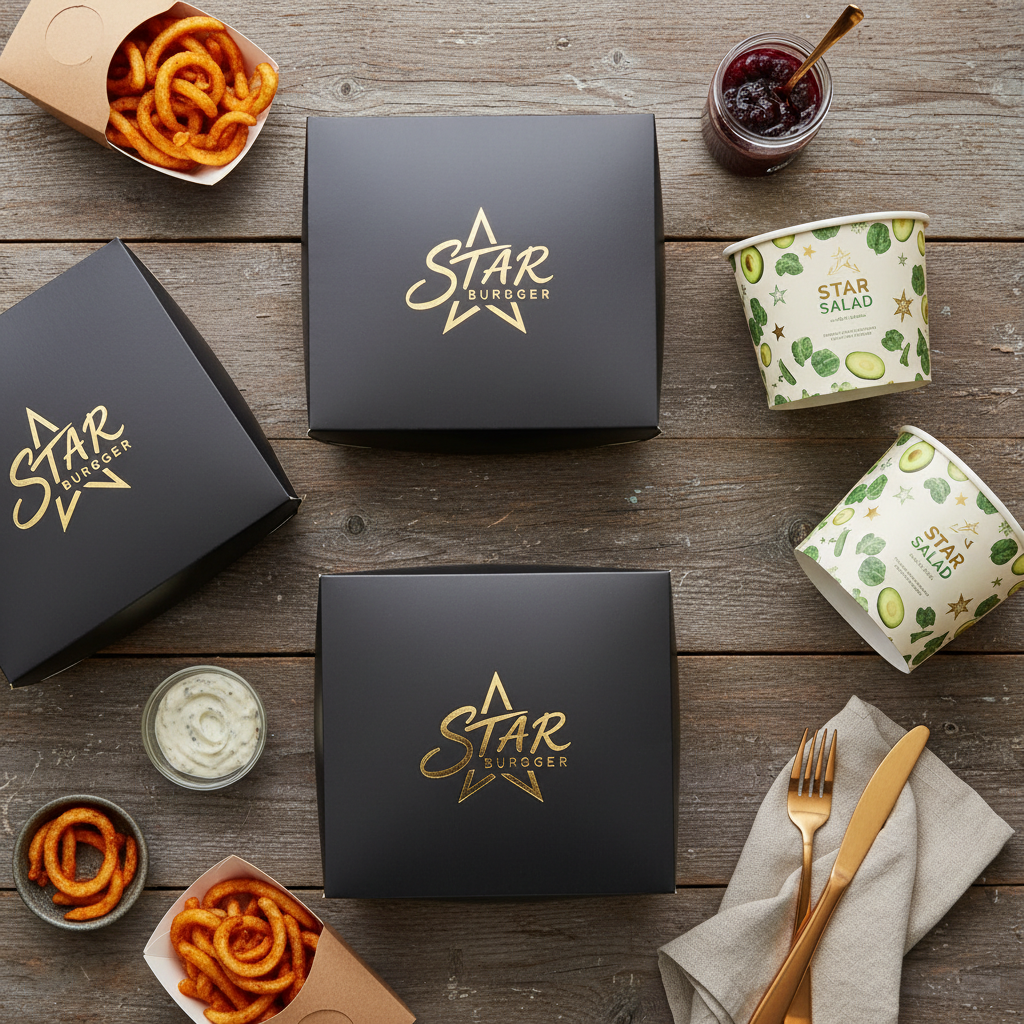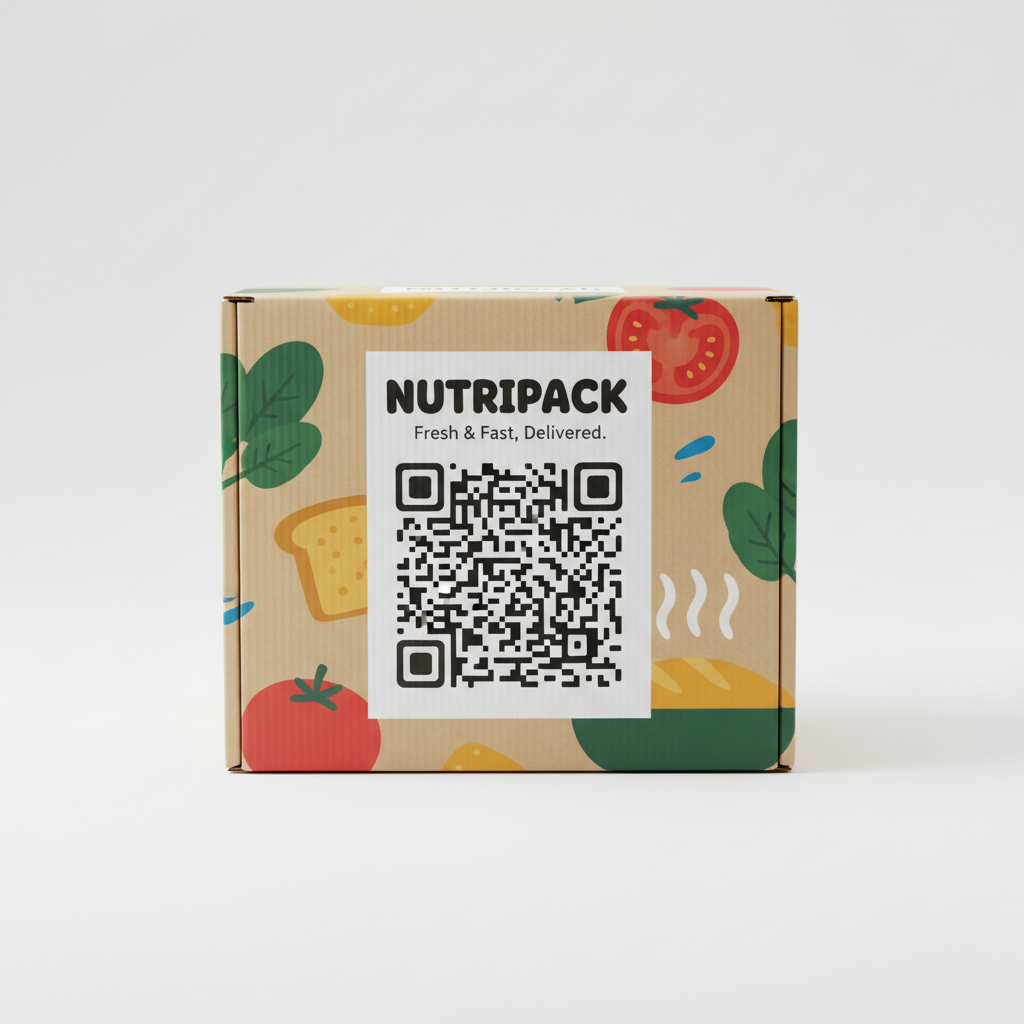


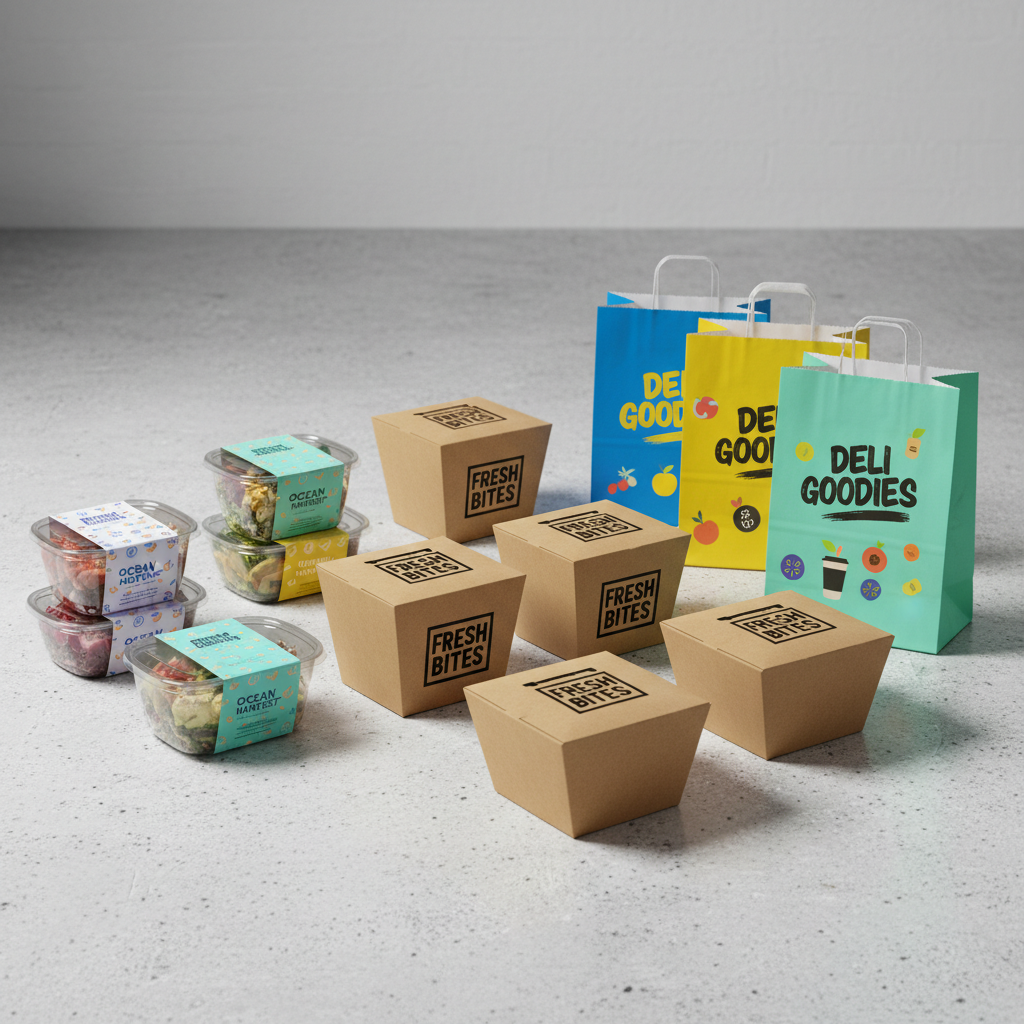
Navigating the Paper vs. Plastic Dilemma in Food Packaging
For procurement managers, brand owners, and food service distributors, the choice between paper and plastic packaging is no longer just about price. It is a complex decision involving structural performance, consumer perception, supply chain logistics, and an ever-evolving regulatory landscape. As global markets shift toward sustainable alternatives, the technical trade-offs between these two materials have become more pronounced.
Whether you are sourcing food packaging boxes for a bakery chain or durable food containers for a meal prep service, understanding the material science behind your choice is critical. This guide provides a technical and commercial comparison to help you optimize your packaging strategy.
Material Science: Understanding the Options
Paper-Based Packaging Materials
Paper packaging in the food industry typically falls into several categories, each defined by its fiber source and treatment:
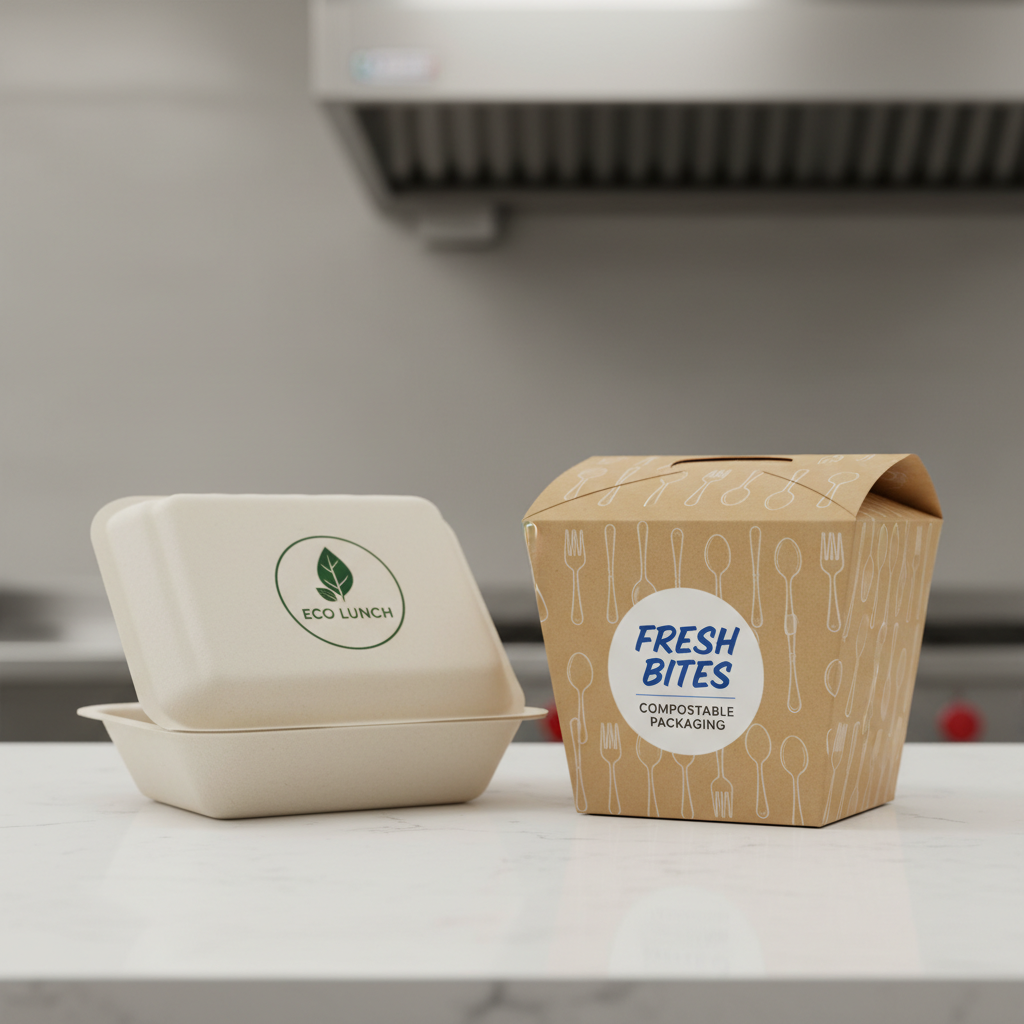
- Kraft Paper: Known for its high strength and durability, often used for food packaging bags. It can be unbleached (brown) for a natural look or bleached (white) for high-fidelity printing.
- Solid Bleached Sulfate (SBS): A premium paperboard made from chemically cooked virgin wood pulp. It offers a clean, white surface ideal for high-end retail food boxes.
- Greaseproof Paper: Treated to resist oil and fat penetration, essential for fast food wrappers and bakery liners.
- Corrugated Board: Provides structural integrity and insulation, frequently used for pizza boxes and bulk transport.
Plastic Packaging Materials
The plastic sector relies on polymers that offer specific barrier properties:
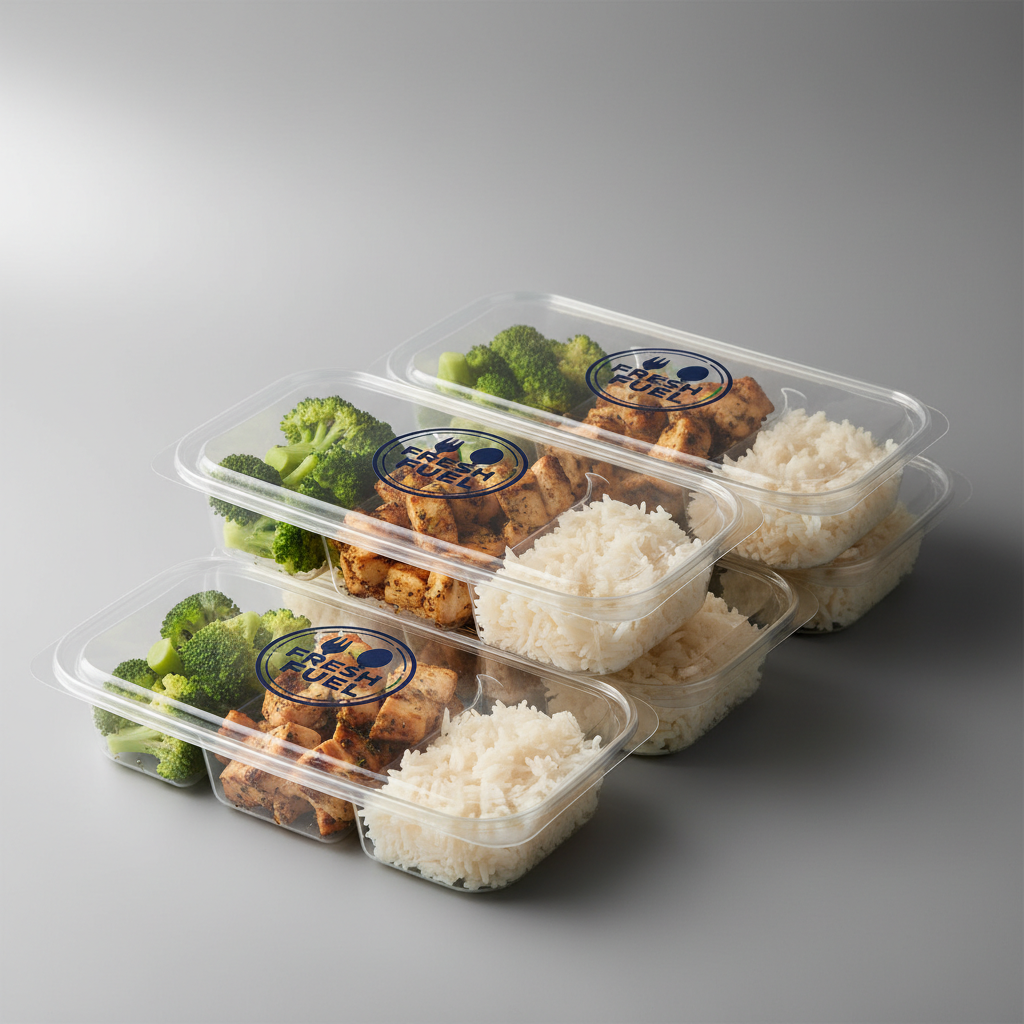
- PET (Polyethylene Terephthalate): Highly transparent and excellent for cold beverages and salads. It is widely recyclable but cannot withstand high temperatures.
- PP (Polypropylene): The standard for microwave-safe containers. It has a high melting point and excellent chemical resistance.
- PLA (Polylactic Acid): A bio-based plastic derived from corn starch. While compostable in industrial facilities, it has lower heat resistance than PET or PP.
- HDPE/LDPE: Used primarily for flexible films and squeeze bottles due to their moisture barrier properties and flexibility.
Performance Comparison: Strength, Barrier, and Shelf Life
When selecting packaging, performance under real-world conditions is the primary technical requirement. A failure in the barrier or structural integrity leads to food waste and brand damage.
Moisture and Oxygen Barriers
Plastic is inherently superior at blocking moisture and oxygen. PET and PP provide a near-total seal against humidity, which is vital for maintaining the crispness of snacks or the hydration of fresh-cut produce. Paper, being porous, requires a coating (usually PE, PLA, or an aqueous dispersion) to achieve similar results. Without these coatings, paper will soften and lose structural integrity when exposed to liquids or high humidity.
Temperature Resistance
For hot-fill applications or microwave reheating, Polypropylene (PP) is the industry standard, capable of withstanding temperatures up to 120°C (248°F). Paper containers can handle high heat if they are lined with heat-stable coatings, but they are generally better suited for dry heat applications rather than boiling liquids.
Stacking Strength and Durability
In a delivery or retail environment, stacking strength is paramount. Corrugated paper boxes provide excellent vertical compression strength. However, in refrigerated environments, paper can absorb ambient moisture, leading to “box crush.” Plastic containers maintain their rigidity regardless of humidity, making them more reliable for long-haul cold chain logistics.
Cost Analysis: Beyond the Unit Price
A common misconception in B2B procurement is that plastic is always cheaper. While the raw material cost of plastic resin can fluctuate with oil prices, several factors influence the total cost of ownership (TCO).
Manufacturing and Tooling
Plastic injection molding or thermoforming requires significant upfront investment in molds, often costing thousands of dollars. This makes plastic more economical for very high-volume runs. Paper packaging, particularly folded cartons and bags, uses die-cutting and folding processes with lower tooling costs, making it more accessible for medium-sized batches and frequent design changes.
Logistics and Storage
Paper packaging is often shipped flat (e.g., collapsed boxes or bags), which drastically reduces shipping volume and storage costs. A pallet of flat-packed paper boxes might contain 5,000 units, whereas the same pallet space might only hold 1,000 pre-formed plastic containers. This “volumetric efficiency” can lead to 20-30% savings in inland and ocean freight.
Total Cost of Ownership Table
| Factor | Paper Packaging | Plastic Packaging |
|---|---|---|
| Unit Cost | Moderate to High (depending on coatings) | Low to Moderate (high volume) |
| Tooling Costs | Low (Die-cutting) | High (Injection/Thermoforming molds) |
| Storage Space | Excellent (Flat-packed) | Poor to Moderate (Nested or pre-formed) |
| Shipping Weight | Higher per unit | Lower per unit |
Regulatory Compliance and Sustainability
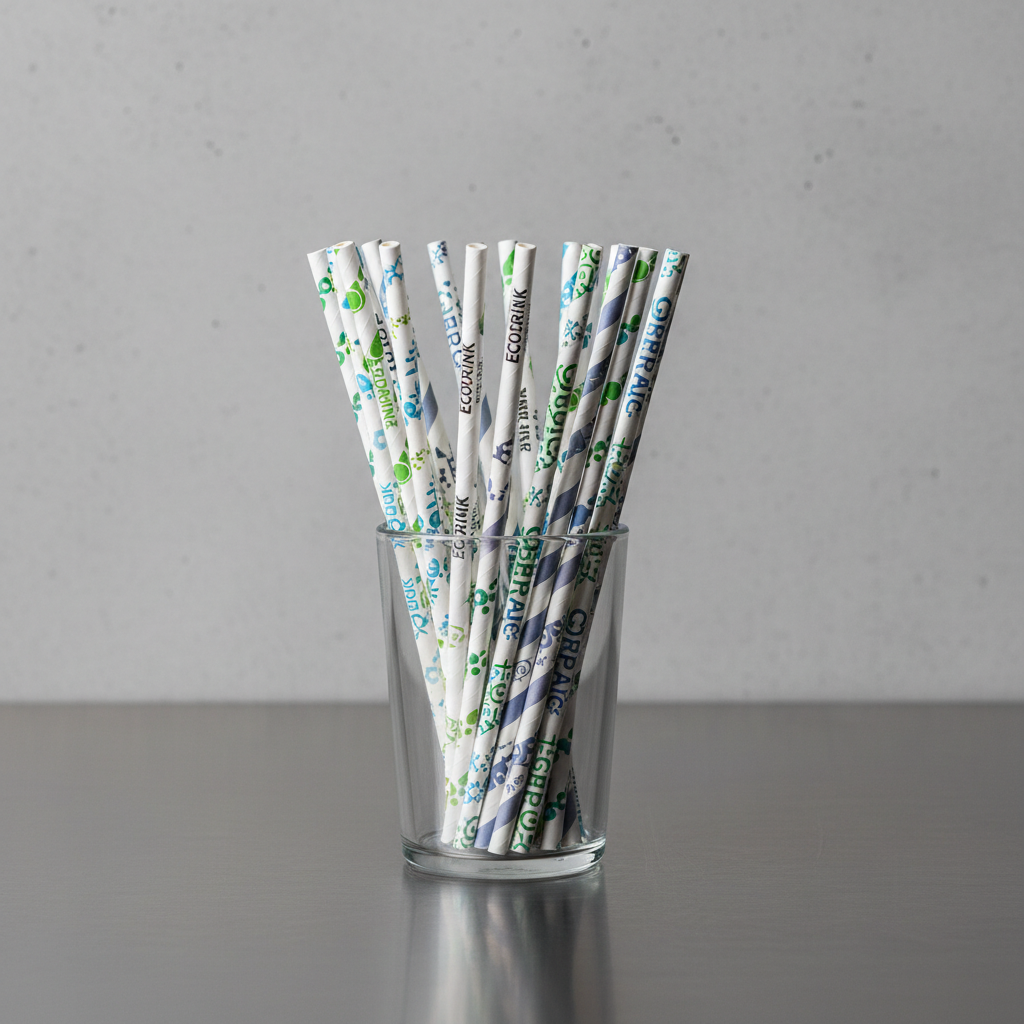
The regulatory environment is the fastest-growing variable in food packaging. Many regions, including the EU and parts of North America, have implemented Single-Use Plastic (SUP) bans targeting items like straws, cutlery, and certain expanded polystyrene (EPS) containers.
Recyclability vs. Compostability
Paper is widely perceived as more sustainable because it is biodegradable and has a high recycling rate in existing municipal systems. However, paper lined with plastic (PE) can be difficult to recycle in some regions. Plastic recycling, while technically feasible for PET and PP, often suffers from low collection rates and contamination in the food sector.
Food Safety Standards
Both materials must comply with FDA (USA) or EFSA (EU) regulations regarding food contact materials (FCM). For paper, this includes testing for heavy metals and ensuring that recycled content does not contain mineral oil saturated hydrocarbons (MOSH). For plastic, the focus is on migration limits—ensuring that chemicals from the plastic do not leach into the food at high temperatures.
Customization and Branding
In the B2B space, packaging is a marketing vehicle. The ability to print high-quality graphics is essential for brand recognition.
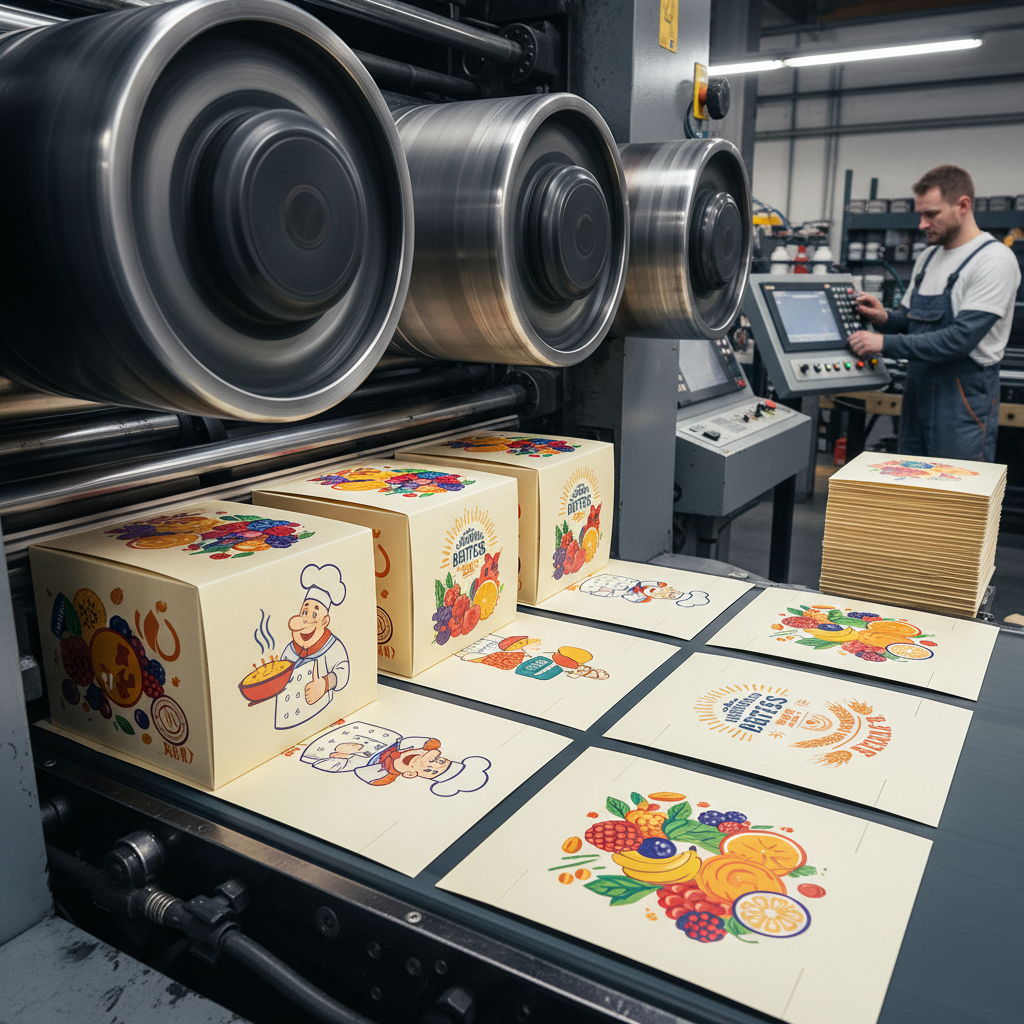
- Paper Printing: Supports Offset, Flexographic, and Digital printing. Offset printing on SBS board provides the highest resolution and color accuracy, ideal for premium food gift boxes.
- Plastic Printing: Typically uses dry offset, silk screen, or In-Mold Labeling (IML). IML provides a high-end look where the label becomes part of the container wall, offering superior moisture resistance for refrigerated products.
How to Choose: A Decision Framework
To determine the best fit for your operation, consider the following checklist:
- Product Type: Is the food oily, aqueous, or dry? (Dry = Paper; Oily/Liquid = Plastic or Coated Paper).
- Shelf Life: Does the product need to sit on a shelf for 6 months? (Plastic offers better barriers).
- Consumer Channel: Is this for a high-end eco-conscious cafe or a high-volume warehouse club? (Paper for eco-branding; Plastic for value/durability).
Sourcing and Quality Control at YBJ Packing
When you partner with a manufacturer like YBJ Packing, we streamline the transition from design to delivery. Our process ensures that whether you choose paper or plastic, the final product meets industrial tolerances.
- Minimum Order Quantities (MOQ): We offer flexible MOQs to support both growing brands and established distributors.
- Sampling: We provide physical samples to test structural integrity with your specific food products before mass production.
- Lead Times: Typical production cycles range from 15 to 25 days, depending on the complexity of the customization.
To learn more about our specific manufacturing capabilities, visit our how to order page for a step-by-step guide on the procurement process.
Frequently Asked Questions (FAQ)
1. Is paper packaging always more eco-friendly than plastic?
Not necessarily. While paper is biodegradable, its production can be water-intensive. The “most eco-friendly” option depends on the specific lifecycle analysis, including transport weight and end-of-life processing in your target market.
2. Can paper containers be used for hot soup?
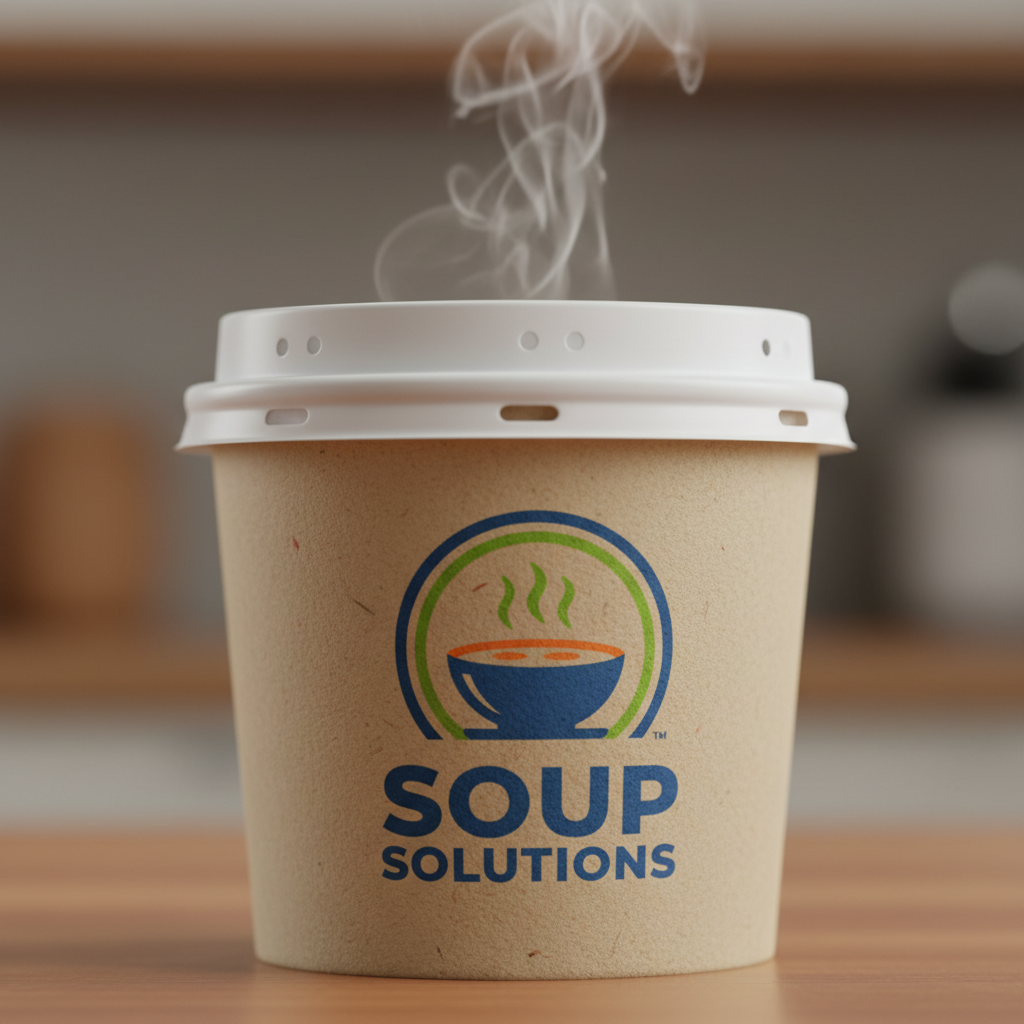
Yes, but they must be specifically engineered with a high-temperature resistant coating (like aqueous or double-PE lining) and reinforced seams to prevent leaking over time.
3. What is the most cost-effective plastic for food containers?
Polypropylene (PP) is generally the most cost-effective for durable, heat-resistant containers, while PET is the standard for clear, cold-use applications.
4. How do I ensure my custom printing won’t fade or peel?
We use food-safe inks and protective coatings (like UV varnish or lamination) to ensure that branding remains vibrant even when exposed to moisture or oils.
5. Can I get a sample with my own artwork?
Yes, we offer prototyping services where we can apply your digital artwork to a sample container to verify color and placement before the full run. Please contact our team for details.
6. Are there plastic-free paper options for greasy foods?
Yes, we offer grease-resistant papers that use mechanical treatments or compostable aqueous coatings instead of traditional plastic films.
Conclusion
The choice between paper and plastic food packaging is a strategic balance of performance, cost, and brand values. While plastic remains the leader for barrier properties and high-volume durability, paper is rapidly closing the gap with advanced coatings and superior logistical efficiency. By understanding the technical specifications of each, you can make an informed decision that protects your product and your bottom line.
Ready to upgrade your food packaging? Request a quote / Get a sample today to explore our full range of custom solutions.