

Introduction: The Strategic Shift in Beverage Accessories
For procurement managers, restaurant owners, and beverage distributors, the choice between paper straws and plastic straws is no longer just a matter of unit price. It is a multifaceted decision involving regulatory compliance, brand perception, and functional performance. As global markets move toward more sustainable operations, the demand for sustainable straws has surged, yet the transition presents unique operational challenges.
This guide provides a technical and practical comparison of paper and plastic straws. We will examine their material properties, performance under various conditions, storage requirements, and how they impact the end-user experience. Whether you are sourcing for a high-volume fast-food chain or a boutique cafe, understanding these nuances is essential for maintaining service quality and brand integrity.
Material Science and Manufacturing Processes
Plastic Straws: The Traditional Standard
Most traditional plastic straws are manufactured from Polypropylene (PP). PP is a thermoplastic polymer known for its durability, flexibility, and resistance to moisture. The manufacturing process involves extrusion, where the plastic resin is melted and pushed through a circular die to create a continuous tube, which is then cooled and cut to specific lengths.
- Durability: Highly resistant to chemical degradation and physical deformation.
- Thermal Stability: Can withstand temperatures up to approximately 100°C (212°F), making them suitable for both cold and warm beverages.
- Recyclability: While PP is technically recyclable, the small size and low weight of straws often cause them to be filtered out during the mechanical sorting process in recycling facilities.
Paper Straws: The Sustainable Alternative
High-quality paper straws are typically constructed from multiple layers (plies) of food-grade kraft paper. Most industrial-grade paper straws use a 3-ply or 4-ply construction to ensure structural integrity. These layers are bonded using water-based, food-safe adhesives.
- Material Composition: Typically FSC-certified paper to ensure responsible sourcing.
- Spiral Winding: The manufacturing process involves winding strips of paper around a mandrel at high speeds. The angle of the wind and the quality of the adhesive determine the straw’s resistance to liquid penetration.
- Degradability: Designed to break down in compostable environments significantly faster than plastic, addressing the primary concern of marine pollution.
Performance Comparison: Functionality in the Field
When evaluating beverage accessories, performance is measured by how well the product maintains its shape and function during the time it takes a customer to finish their drink.
1. Liquid Resistance and “Soggy” Factor
The most common critique of paper straws is their tendency to soften over time. A standard 3-ply paper straw is generally designed to maintain its structural integrity for 30 to 60 minutes in cold liquids. In contrast, plastic straws are entirely hydrophobic and will remain rigid indefinitely.
For businesses serving thick beverages like milkshakes or smoothies, a 4-ply paper straw or a larger diameter plastic straw is often required to handle the increased suction force without collapsing. If your brand utilizes food containers for high-viscosity items, the choice of straw must match the density of the product.
2. Heat Resistance
Plastic straws maintain their shape in hot coffee or tea, although they are primarily used for iced beverages. Paper straws, however, can degrade faster in hot liquids as the heat accelerates the breakdown of the adhesive and the absorption of liquid into the paper fibers. For hot beverage applications, specialized high-temp paper straws or heat-resistant plastic alternatives are necessary.
3. Carbonated Beverages
Paper straws have a higher surface area and more “nucleation sites” than smooth plastic straws. When placed in a highly carbonated soda, this can cause the drink to fizz up rapidly. This is a critical consideration for fast-food operations where carbonated drinks are a staple.
Storage and Logistics: A Procurement Perspective
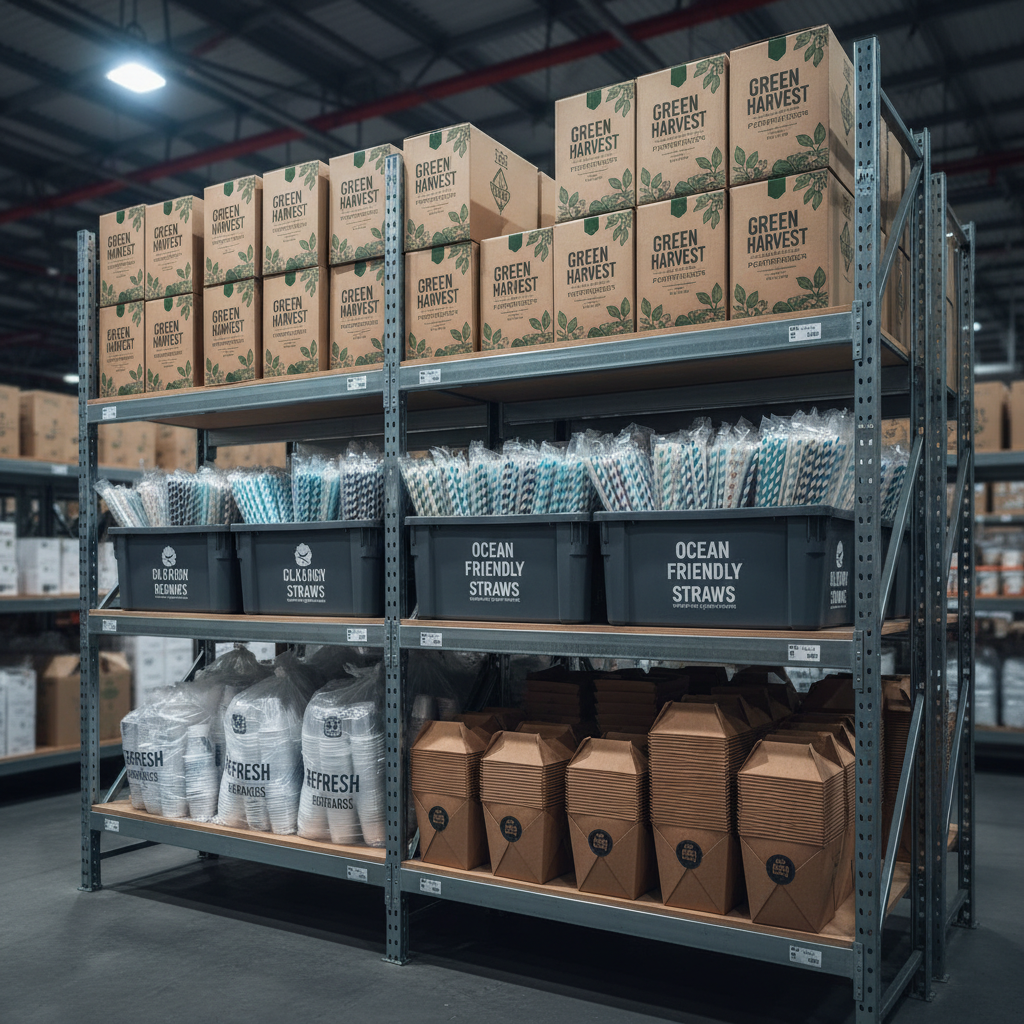
In a B2B environment, the logistics of bulk straws can significantly impact the bottom line. There are distinct differences in how these materials must be handled in the warehouse.
| Feature | Plastic Straws | Paper Straws |
|---|---|---|
| Moisture Sensitivity | Low – unaffected by humidity. | High – requires climate-controlled storage. |
| Shelf Life | Indefinite if kept out of UV light. | 12-24 months; adhesive may degrade over time. |
| Weight | Lightweight. | Heavier due to paper density and adhesive. |
| Compression Strength | High – boxes can be stacked high. | Moderate – bottom boxes can crush if over-stacked. |
For companies using large volumes of food packaging bags for delivery, the weight of paper straws can slightly increase shipping costs over time, though usually not enough to offset the branding benefits of sustainability.
Customer Experience and Brand Perception
The straw is often the only part of the packaging that comes into direct contact with the customer’s mouth. Therefore, the “mouthfeel” is a vital component of the customer experience.
The Mouthfeel Trade-off
Plastic straws are smooth and neutral in taste. Paper straws can sometimes have a slight texture or a dry feel. To mitigate this, premium paper straws are often coated with a thin layer of food-grade wax or a specialized aqueous coating to provide a smoother experience. When customers receive their order in high-quality food packaging boxes, a premium straw completes the professional presentation.
Sustainability as a Marketing Asset
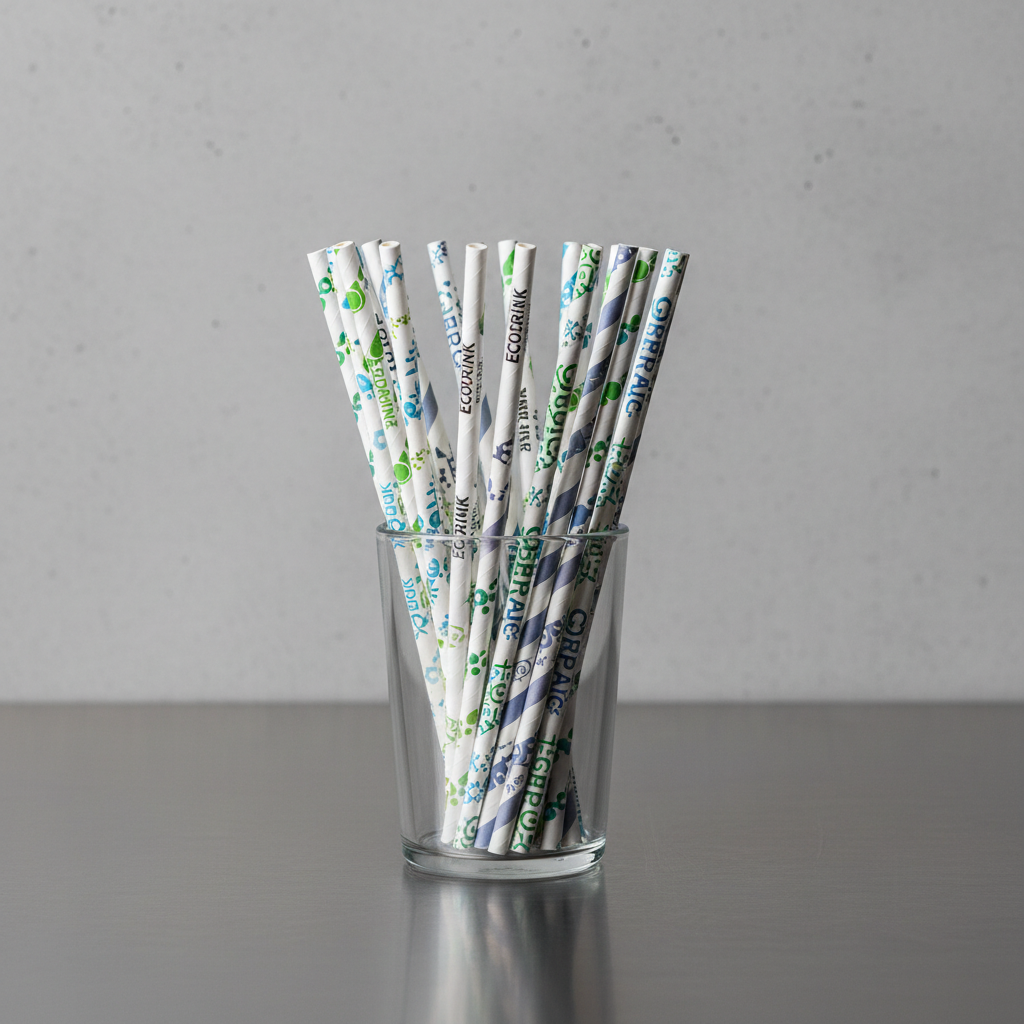
For many modern consumers, the presence of a plastic straw is a negative brand signal. Switching to paper straws allows a brand to communicate its commitment to environmental responsibility. This is particularly effective when the straws are custom-printed with the brand’s logo or eco-friendly messaging.
Technical Specifications for Bulk Ordering
When placing an order for bulk straws, procurement officers should specify the following technical parameters to ensure consistency:
- Length: Standard lengths include 140mm (cocktail), 197mm (standard), and 250mm (extra long).
- Diameter: 5mm (thin), 6mm (standard), 8mm (smoothie), and 10-12mm (boba/bubble tea).
- Wall Thickness: Typically measured in millimeters or by the number of paper plies.
- Packaging: Individually paper-wrapped for hygiene or bulk-packed for high-volume dispensers.
Customization and Branding Options
One advantage of paper straws is the ease of customization. Unlike plastic, which requires specialized inks and treatments for high-quality printing, paper is an ideal substrate for flexographic printing.
- Inks: Use soy-based or water-based food-grade inks to maintain compostability.
- Design: Brands can print stripes, solid colors, or intricate logos directly onto the outer ply of the straw.
- Wrapped Branding: The individual paper wrappers can also be printed, providing an additional touchpoint for brand messaging.
Manufacturing Quality and Testing
To ensure you are receiving a high-quality product, ask your supplier about their Quality Assurance (QA) protocols. A reputable manufacturer will perform several tests:
- Immersion Test: Submerging the straw in 20°C water for 2 hours to check for delamination.
- Compression Test: Measuring the force required to collapse the straw after it has been soaked.
- Step 1: Define Specs: Determine the diameter and length based on your beverage menu.
- Step 2: Request Samples: Always test samples in your specific beverages (especially acidic juices or hot drinks).
- Step 3: Artwork Approval: If customizing, provide high-resolution files for the printing plates.
- Step 4: Confirm MOQ: Minimum Order Quantities for custom paper straws usually start higher than for plain plastic versions.
Buying Guide: How to Source Effectively
Sourcing beverage accessories requires a clear understanding of your operational needs and lead times. Here is a typical workflow for procurement:
For a detailed breakdown of the process, you can review our how to order guide or contact our sales team for a customized quote.
Frequently Asked Questions (FAQ)
1. Do paper straws contain PFAS?
High-quality manufacturers ensure their straws are free from PFAS (per- and polyfluoroalkyl substances). Always request a material safety data sheet or a compliance declaration from your supplier to confirm the absence of these chemicals.
2. Can paper straws be used for Boba (Bubble Tea)?
Yes, but they must be specifically engineered. Boba straws require a large diameter (12mm) and a pointed end to pierce the plastic film of the cup. These are typically 4-ply to provide the necessary strength for piercing.
3. Why are paper straws more expensive than plastic?
The raw material (specialized kraft paper) and the complex spiral-winding process are more costly than the high-speed extrusion of plastic resin. Additionally, the food-grade adhesives used in paper straws add to the production cost.
4. How should I store paper straws to prevent spoilage?
Store them in a cool, dry place away from direct sunlight and high humidity. Avoid storing them directly on concrete floors; use pallets to ensure air circulation and prevent moisture wicking.
5. Are there “bendy” paper straws?
Yes, flexible paper straws are available. They use a specialized mechanical crimping process to create the corrugated section, though they are slightly more delicate than their plastic counterparts.
6. How do I know if a straw is truly compostable?
Look for certifications from recognized bodies that test for industrial compostability. While we do not claim specific certifications here, your supplier should provide documentation regarding the degradability of the paper and adhesive used.
Conclusion: Choosing the Right Solution for Your Business
The choice between paper and plastic straws involves balancing functional needs with brand values. While plastic remains the leader in pure performance and cost-efficiency, paper straws have become the industry standard for brands looking to meet consumer expectations for sustainability. By selecting the right ply-count and diameter, and by managing storage conditions carefully, businesses can successfully transition to sustainable straws without sacrificing the customer experience.
Ready to upgrade your beverage service accessories? Explore our full range of packaging solutions and request a sample today to see the quality firsthand.