

Introduction: The Strategic Importance of Paper Bowl Containers in Food Service
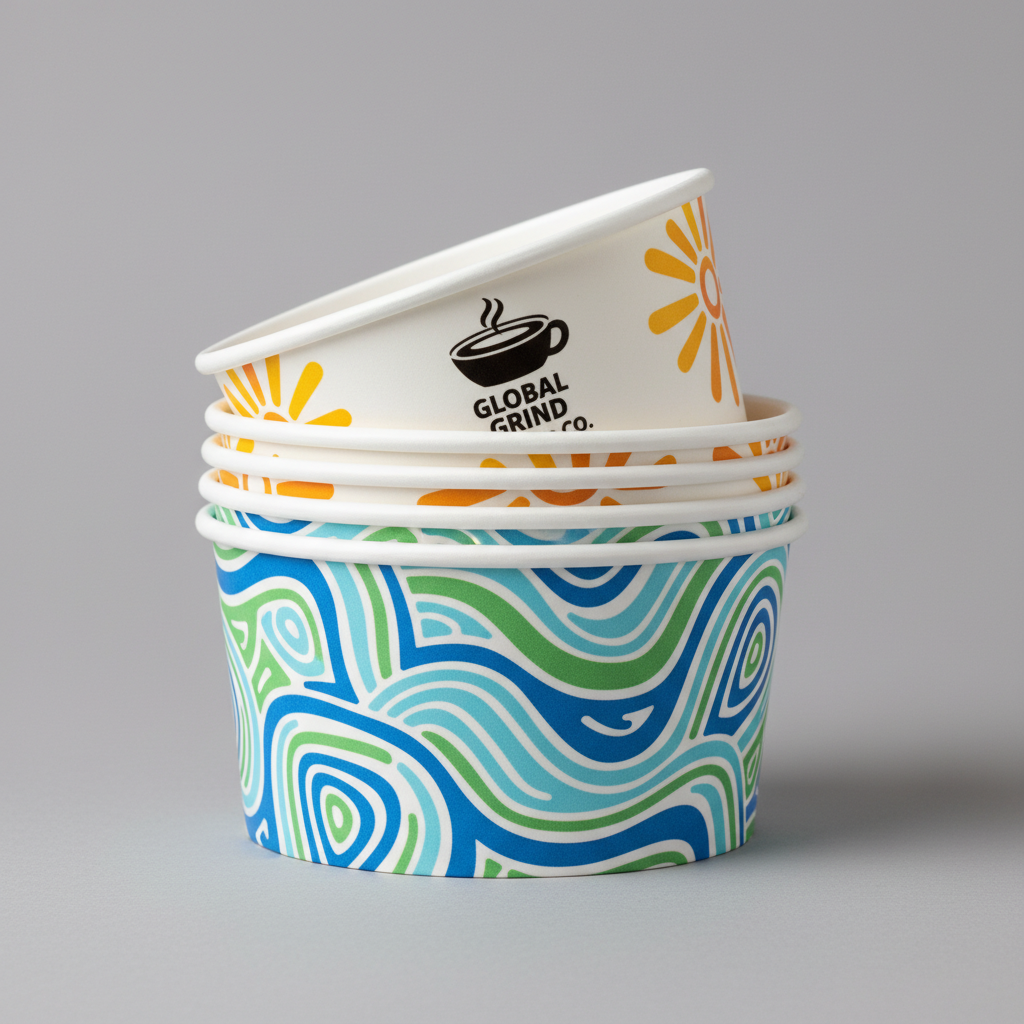
In the competitive landscape of modern food service, packaging plays a dual role: it is both a critical operational tool and a primary brand ambassador. For restaurants, fast-casual chains, and food distributors, sourcing the right paper bowl containers is not merely about finding a vessel for food; it is about ensuring product integrity during transit, maintaining temperature, and delivering a premium customer experience.
The shift towards delivery and takeout has accelerated the demand for high-performance disposable packaging. A soggy bowl or a leaking lid can damage a brand’s reputation instantly. Conversely, a sturdy, well-branded container reinforces quality and safety. This guide provides procurement officers and business owners with a technical overview of paper bowl containers, covering material specifications, sizing standards, coating technologies, and customization options to support informed buying decisions.
Understanding Material Composition: The Foundation of Quality
The structural integrity of a paper bowl depends entirely on the quality of the base paper (cupstock) and the manufacturing process. Unlike standard cardstock, food-grade cupstock is engineered to resist liquid penetration and maintain stiffness even when holding hot or heavy contents.
1. Virgin Paper Board vs. Recycled Content
Most high-quality paper bowl containers are manufactured using virgin wood pulp. This is essential for food safety compliance, as virgin pulp eliminates the risk of contamination from recycled inks or chemicals. Virgin board also offers superior brightness, which enhances print quality, and better structural stiffness compared to recycled alternatives.
2. Paper Weight (GSM)
The thickness of the paper is measured in Grams per Square Meter (GSM). For paper bowls, the GSM requirement is typically higher than that of drinking cups due to the wider surface area and the weight of the food (e.g., rice, heavy sauces, salad dressings).
- Standard Range: 230gsm to 320gsm is common for the base paper.
- Reinforcement: Larger bowls (e.g., 32oz or 1000ml) often require heavier paper (300gsm+) to prevent the sidewalls from buckling when stacked or held.
3. Coating Technologies: PE, PLA, and Aqueous
Raw paper is porous. To hold liquids and grease, it must be coated. The choice of coating affects the bowl’s functionality and its environmental footprint.
- Polyethylene (PE) Coating: The industry standard. A thin layer of plastic is bonded to the paper.
- Single PE: Coated on the inside only. Suitable for most dry foods, salads, and warm contents.
- Double PE: Coated on both the inside and outside. Essential for cold foods (ice cream, frozen yogurt) to prevent condensation from softening the paper from the outside. Also used for very hot, liquid-heavy soups to add structural rigidity.
- Polylactic Acid (PLA) Coating: A bioplastic derived from renewable resources like corn starch. PLA-coated bowls are industrial compostable. They offer similar leak resistance to PE but typically have a lower heat tolerance and a higher price point.
- Aqueous Coating: A water-based coating that allows the bowl to be repulped and recycled more easily. This is an emerging technology for brands prioritizing curbside recyclability.
Sizing and Capacity: Matching the Bowl to the Menu
Selecting the correct size minimizes food waste and controls portion costs. Paper bowls are generally measured by fluid capacity (ounces or milliliters), but physical dimensions (diameter and height) are equally important for lid compatibility.
Common Industry Sizes
| Size (Approx) | Typical Capacity (ml) | Common Use Cases |
|---|---|---|
| 8oz / 12oz | 250ml – 350ml | Side dishes, soups, ice cream, yogurt. |
| 16oz / 20oz | 450ml – 600ml | Small salads, pasta portions, rice bowls. |
| 24oz / 26oz | 700ml – 800ml | Standard meal size, poke bowls, ramen. |
| 32oz + | 1000ml + | Large sharing salads, family-size sides, heavy entrees. |
The Importance of Rim Diameter
Efficiency in the kitchen is improved when multiple bowl sizes share a single lid diameter. For example, many manufacturers design 16oz, 24oz, and 32oz bowls to all feature a 150mm top diameter. This reduces inventory complexity—you only need to stock one type of lid for three different bowl sizes.
Lid Options: Functionality and Presentation
A paper bowl is only as good as its lid, especially for delivery services. The lid must provide a secure snap-fit to prevent spills.
- PP (Polypropylene) Lids: Microwavable and heat-resistant. Best for hot soups and curries. Often opaque or semi-transparent.
- PET (Polyethylene Terephthalate) Lids: Crystal clear, offering excellent visibility of the product. Ideal for cold salads, poke bowls, and fruits. Note: PET is generally not suitable for high-heat applications or microwaves.
- Paper Lids: Offer a fully sustainable, plastic-free look. These can be vented (to release steam for hot food) or non-vented. They provide excellent branding space but obscure the view of the food.
Custom Printing and Branding Strategies
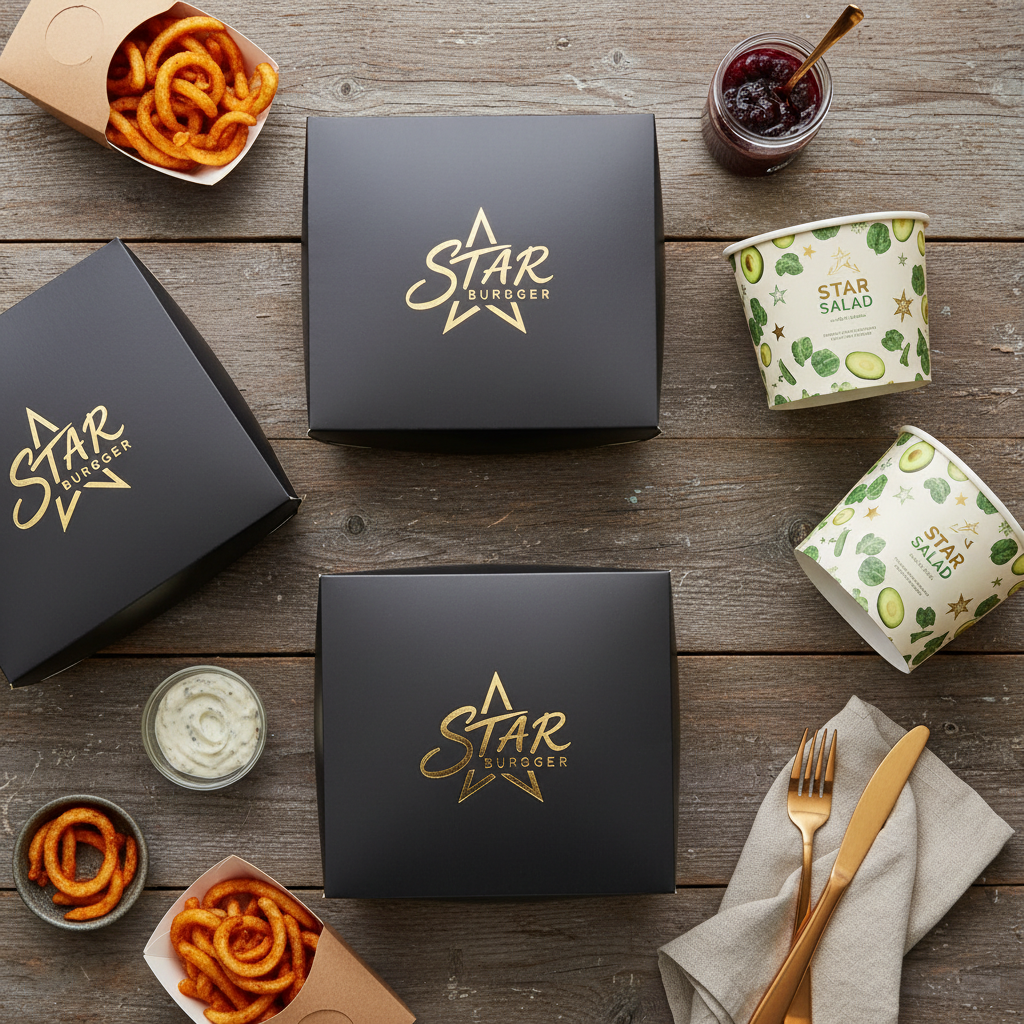
Custom printed paper bowl containers are a cost-effective marketing channel. Every bowl carried out of your establishment is a walking billboard.
Printing Technologies
- Flexographic Printing: The most common method for high-volume orders. It uses flexible plates and food-safe inks. It is fast and economical but may have limitations with extremely complex gradients or photo-realistic images.
- Offset Printing: Used for higher resolution designs. It allows for sharper detail and smoother color transitions.
Design Considerations
- Full Coverage: You can print around the entire circumference of the bowl. However, keep critical text away from the bottom rim and the rolled top rim to ensure legibility.
- Ink Safety: Ensure your supplier uses food-grade, odorless inks (often soy or water-based) to prevent any chemical smell from affecting the food’s flavor, particularly with hot contents.
- Color Consistency: Paper absorbs ink differently than plastic. Always request a physical proof or match against Pantone (PMS) standards to ensure brand color accuracy.
Use Case Scenarios: Choosing the Right Specifications
Different foods place different stresses on packaging. Here is how to configure your order based on your menu.
Scenario A: Hot Soups and Curries
Challenge: High heat and liquid content can weaken paper and cause leaks.
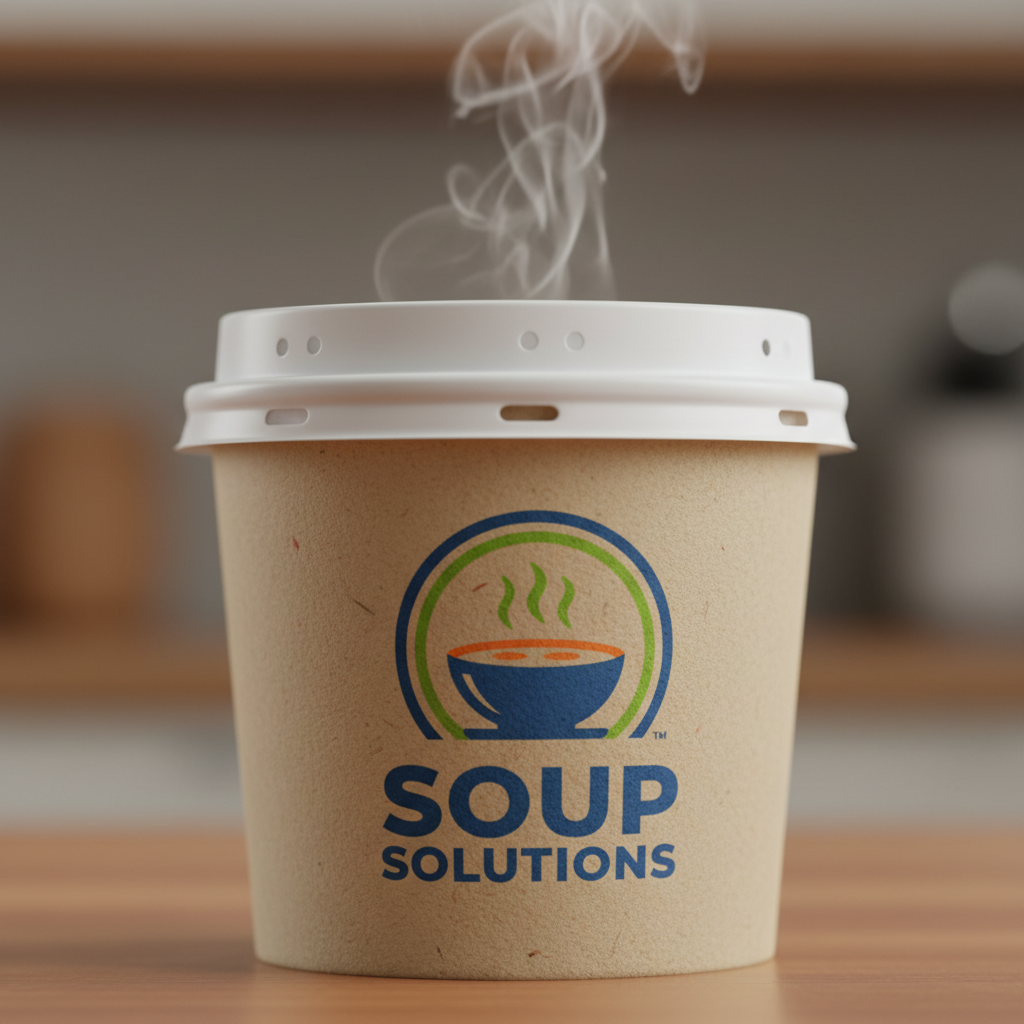
Solution: Select a heavy-duty board (300gsm+) with Double PE coating (or a thick Single PE if the dwell time is short). A PP lid with a steam vent is mandatory to prevent pressure buildup that could pop the lid off. Ensure the manufacturer performs a “blue water” leak test.
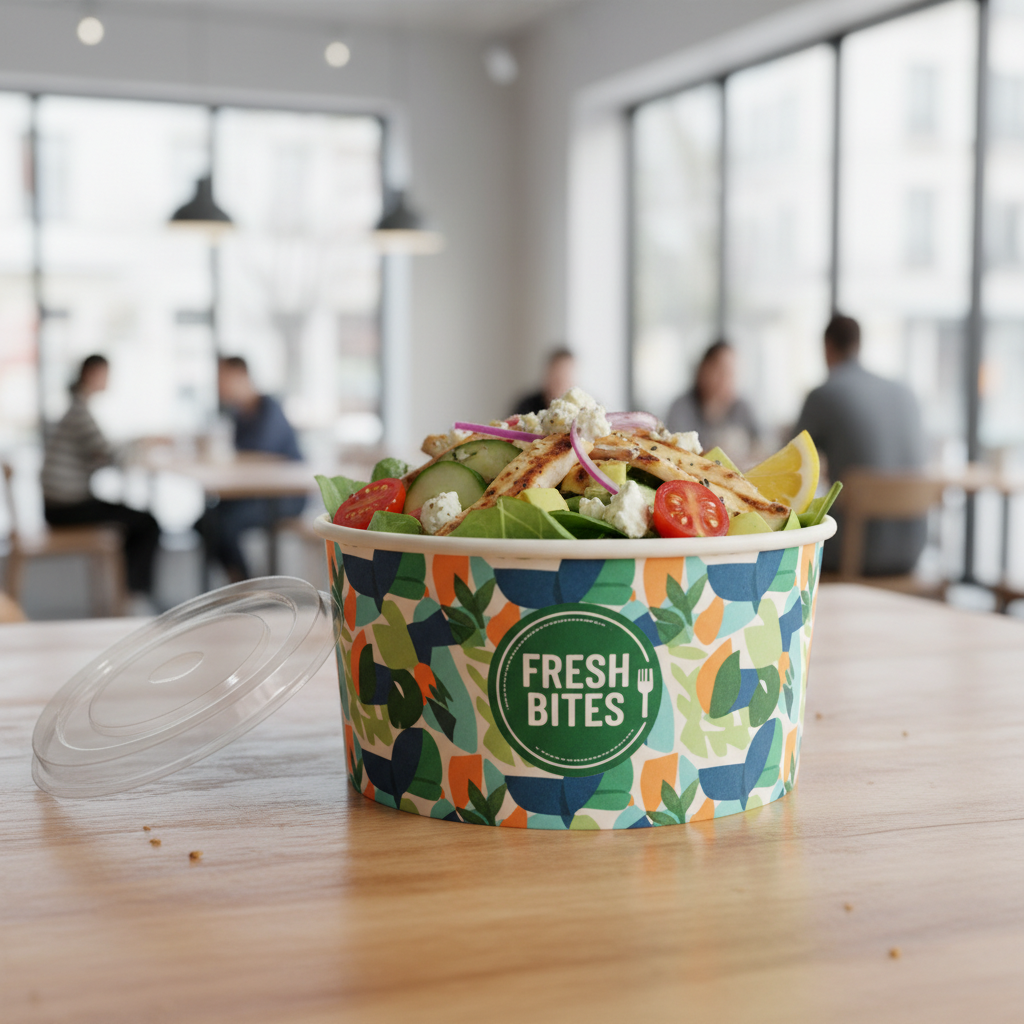
Scenario B: Poke Bowls and Fresh Salads
Challenge: Visual appeal is paramount; the customer wants to see the freshness.
Solution: A standard Single PE bowl is sufficient as the food is not scalding hot. Pair it with a high-clarity PET dome lid. The dome shape allows for overstuffing or adding toppings without crushing the food.
Scenario C: Ice Cream and Frozen Desserts
Challenge: Condensation forms on the outside of the bowl as the ice cream melts.
Solution: Double PE coating is non-negotiable. The outer coating protects the paper from absorbing atmospheric moisture (sweating), ensuring the bowl doesn’t turn mushy in the customer’s hand.
Manufacturing and Quality Assurance
When sourcing from a food container supplier, understanding their QA process is vital. Reliable manufacturers implement several checkpoints:
- Raw Material Inspection: Verifying the food-grade certification of the base paper.
- Forming Precision: The bottom disc of the bowl must be sealed tightly to the sidewall. Thermal sealing is used to bond the PE layers.
- Rim Rolling: The top rim must be rolled tightly and evenly. A loose or uneven rim will result in lids that don’t fit securely, leading to spills during delivery.
- Leak Testing: Random sampling from production lines to test for slow leaks over a set period (e.g., 30 minutes to 2 hours).
Buying Guide: Logistics and Ordering
Navigating the procurement process requires attention to logistics and timelines.
Minimum Order Quantities (MOQ)
For custom printing, MOQs are typically higher than for plain stock. This is due to the setup costs involved in creating printing plates. Standard MOQs for custom runs might range from 30,000 to 50,000 units, though this varies by manufacturer.
Lead Times
Production time for custom orders usually spans 2-4 weeks after artwork approval. Shipping times depend on your location and the method (sea freight vs. air freight). Always factor in an extra buffer for customs clearance if importing.
Storage Efficiency
Paper bowls are nestable, meaning they stack efficiently. However, they are voluminous. Before ordering a full container load, calculate your warehouse capacity. Ensure cartons are sturdy enough to prevent the bottom bowls from being crushed by the weight of the stack.
Frequently Asked Questions (FAQ)
1. Can paper bowls be used in the microwave?
Generally, paper bowls with a standard PE coating can withstand short reheating periods, but they are not designed for high-temperature cooking. If microwave use is a priority, ask for specifications regarding the heat resistance of the coating and the glue used in forming.
2. What is the difference between Kraft and White paper bowls?
The difference is primarily aesthetic. White paper offers a blank canvas for vibrant, colorful printing. Kraft paper provides a natural, organic look often associated with eco-friendly brands. Both can be equally strong if the GSM is the same.
3. Are PE-coated bowls recyclable?
Recycling PE-coated paper requires specialized facilities that can separate the plastic lining from the paper fibers. While technically recyclable, they are not accepted in all curbside recycling programs. Aqueous coated bowls are becoming a popular alternative for easier recycling.
4. How do I ensure my artwork looks good on a curved surface?
Work with a designer who understands “warping” or conical distortion. Your manufacturer should provide a die-line template that accounts for the curve of the bowl. Always request a 3D digital proof or a physical sample before mass production.
5. Do you sell lids separately?
Yes, lids and bowls are often sold separately to allow for flexibility (e.g., using the same bowl for hot and cold food but switching the lid type). However, it is highly recommended to buy both from the same supplier to guarantee a perfect leak-proof fit.
6. What file formats are needed for custom printing?
Vector files (AI, PDF, EPS) are required for the sharpest print quality. Images embedded in the design should be high resolution (at least 300 DPI).
Conclusion
Choosing the right paper bowl container involves balancing functionality, aesthetics, and cost. Whether you are serving steaming hot ramen or chilled poke, the right combination of paper weight, coating, and lid fit will ensure your food arrives as intended. By leveraging custom printing, you also turn a necessary expense into a powerful branding tool.
If you are ready to explore options for your business, you can view our range of products or learn more about our ordering process. For specific inquiries regarding custom sizes or bulk pricing, please contact our team today.