

The Critical Role of Specialized Packaging in Cold Food Delivery
For food service operators, distributors, and brand owners, sushi and cold food packaging represents a unique engineering challenge. Unlike hot foods, where steam ventilation is the primary concern, cold foods like sushi, poke bowls, and salads face a different set of adversaries: condensation, liquid migration (sauces and dressings), and the absolute necessity of pristine visual presentation.
When a customer orders premium sushi, the unboxing experience is as vital as the taste. A crushed box, a leaking corner, or a fogged-up window can devalue the product instantly. For B2B buyers—whether you are sourcing for a chain of restaurants, a supermarket deli section, or a food delivery platform—selecting the right packaging specifications is a balance of material science, structural design, and brand aesthetics.
This guide provides a deep dive into the technical and procurement considerations for sourcing high-performance packaging for sushi and cold supply chains. We will cover material selection for leak resistance, structural engineering for stacking, and the customization options that drive brand recognition.
1. Material Science: Combating Moisture and Leaks
The primary failure point in cold food packaging is moisture management. This comes from two sources: internal liquids (soy sauce, marinades, dressings) and external condensation caused by temperature differentials (moving from a cold fridge to a warm delivery vehicle).
Barrier Coatings: PE, PLA, and Aqueous
Standard uncoated paperboard acts like a sponge. For sushi and salads, a barrier coating is non-negotiable. Buyers must choose between several coating technologies based on performance requirements and sustainability goals.
- Polyethylene (PE) Coating: The industry standard for leak protection. A thin layer of plastic is laminated onto the paperboard (usually on the interior, sometimes on both sides for freezer-grade protection). It offers excellent grease and water resistance. It is cost-effective and durable but requires specialized facilities for recycling.
- PLA (Polylactic Acid) Lining: Derived from renewable resources like corn starch. PLA offers similar barrier properties to PE but is industrially compostable. It is an excellent choice for brands targeting eco-conscious consumers, though it typically carries a higher material cost and has lower heat resistance (not an issue for cold foods).
- Aqueous Dispersion Coating: A water-based coating that provides barrier properties without a separate plastic film layer. This allows the packaging to be recycled directly in standard paper streams. While highly sustainable, the grease resistance ratings should be tested against your specific menu items (e.g., heavy oil-based dressings).
Paperboard Grades
The base material determines the box’s rigidity and print quality.
- Kraft Board (Unbleached): Offers a natural, organic look popular with healthy food brands. It uses longer virgin fibers, providing high tear resistance and stiffness, which is crucial for stacking.
- Ivory Board / White Cardboard: Provides a pristine white surface for vibrant, high-contrast printing. This is often preferred for premium sushi platters where the branding requires complex color gradients.
For a wide selection of material options, buyers can explore our Food Packaging Box category to find the right substrate for their specific application.
2. Structural Integrity and Stacking Strength
In the age of third-party delivery services, packaging leaves your control the moment it is handed to a driver. Boxes are often stacked three or four high in a delivery bag. If the bottom box collapses, the food is ruined.
Corner Construction and Load Bearing
Sushi boxes typically utilize a 4-corner glued tray or a folded lock-corner design. The vertical strength of the box is determined by the caliper (thickness) of the board and the corner geometry.
- Glued Corners: Pre-glued corners offer the fastest assembly speed for restaurant staff. They provide rigid vertical walls that resist buckling under load.
- Tab-Lock Corners: These are shipped flat and assembled on-site. While they save shipping volume, they rely on the friction of the tabs for structural integrity. For heavy platters, glued corners are generally superior.
Nesting and Storage Efficiency
For the buyer, the cost of packaging is not just the unit price but also the logistics cost.
- Tapered Designs: Bowls and trays with tapered sides can nest inside each other. This reduces the shipping volume significantly compared to straight-walled boxes.
- Flat-Packed Boxes: Foldable boxes minimize storage space in the warehouse and the kitchen but require labor to assemble.
When sourcing Food Containers, consider the “stacking shoulder” design—a small indentation on the lid that holds the container above it in place, preventing sliding during transport.
3. Visibility: The Importance of Anti-Fog Windows
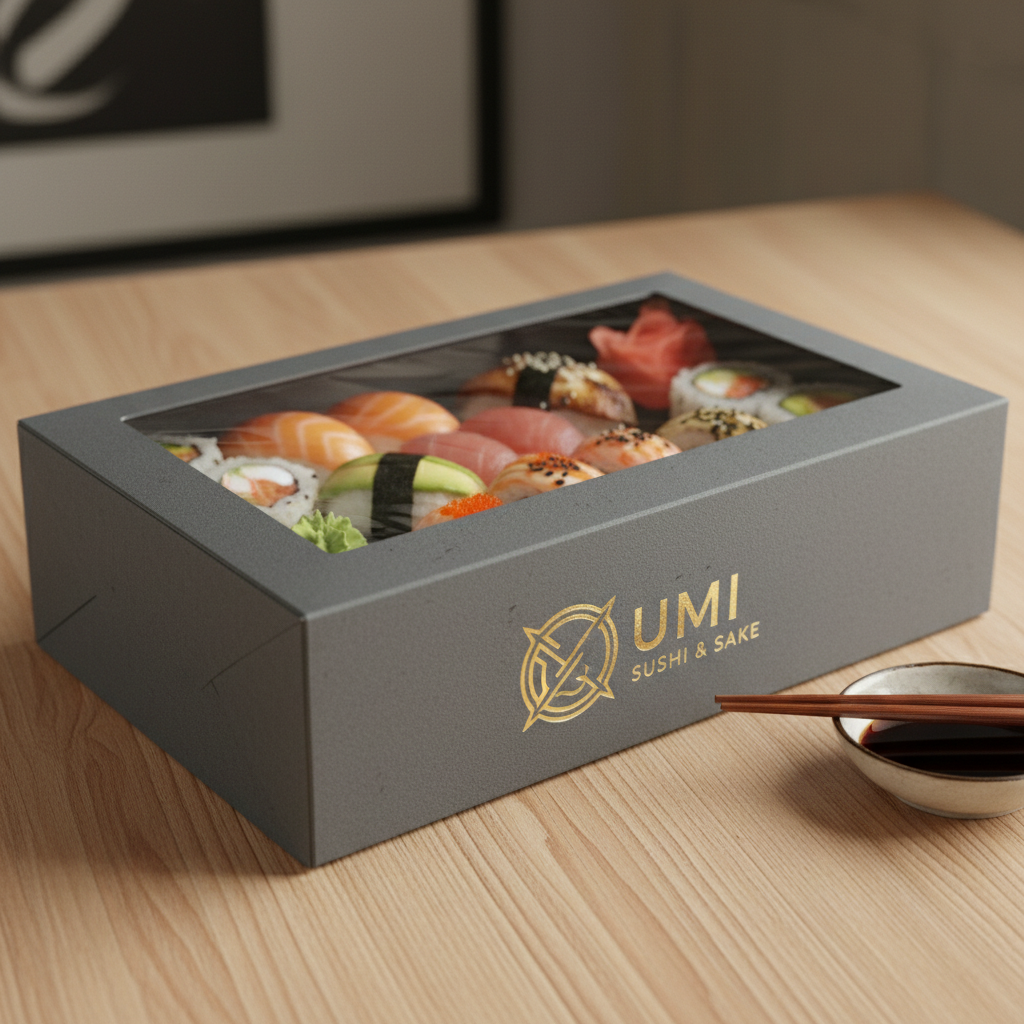
Sushi is visual food. The vibrant colors of the fish and vegetables drive appetite. Hiding fresh sushi inside a closed box is often a missed marketing opportunity, especially for grab-and-go retail environments like supermarkets or airport kiosks.
Window Materials
Windows are typically made from PET (Polyethylene Terephthalate) or PP (Polypropylene). However, standard plastic fogs up immediately when chilled food encounters ambient air.
Anti-Fog Technology
Professional food packaging utilizes anti-fog treatments on the window film. This treatment changes the surface tension of the plastic, preventing water droplets from forming a haze. Instead, moisture spreads out in a thin, invisible layer, keeping the product clearly visible.
Buying Tip: Always specify “Anti-Fog Window Film” in your RFQ (Request for Quote) if your product will be sold from a refrigerated display case.
4. Customization and Branding
In B2B sourcing, the packaging is the billboard. Custom printing transforms a commodity container into a brand asset.
Printing Techniques
- Offset Printing: The gold standard for high-volume, high-quality runs. It allows for photographic quality, gradients, and precise color matching (Pantone). Ideal for orders over 10,000 units where brand fidelity is paramount.
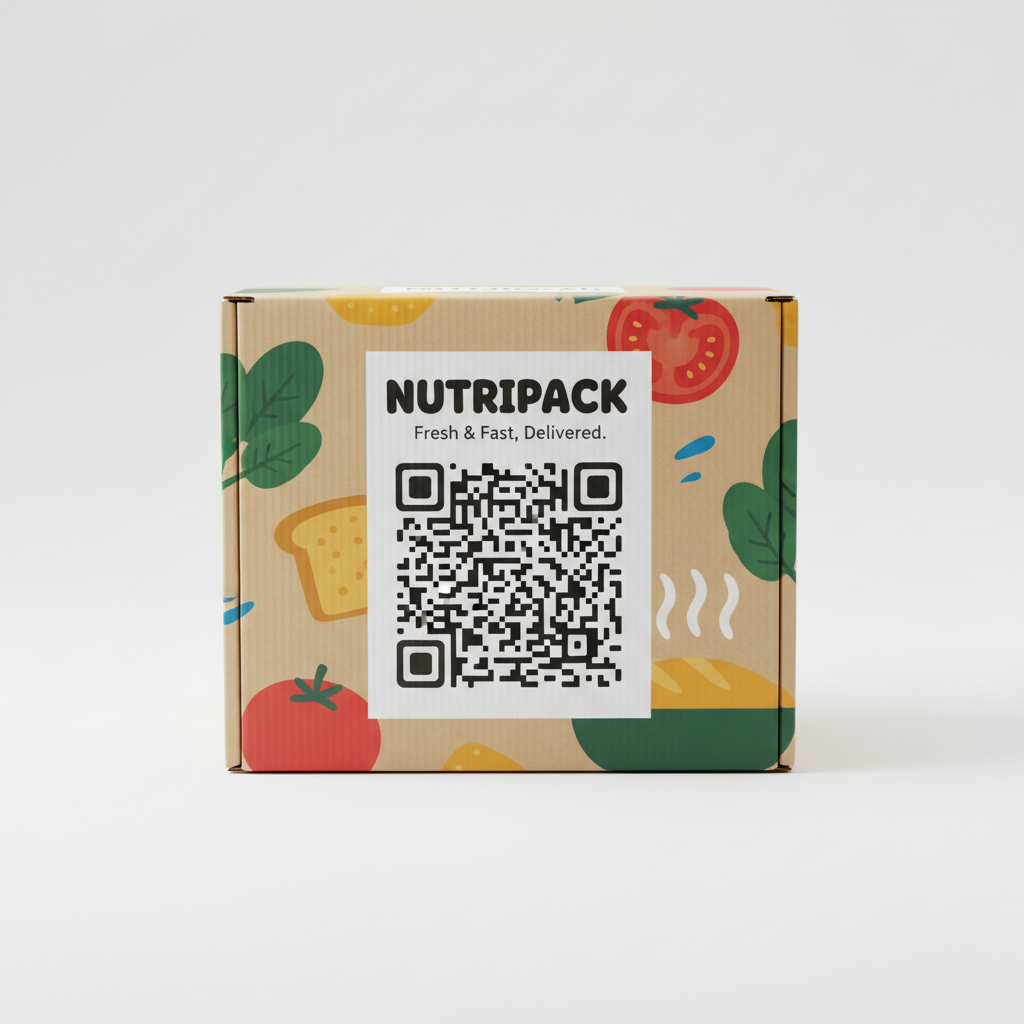
- Flexographic Printing: More cost-effective for simpler designs (logos, patterns) and high volumes. It uses flexible relief plates and is commonly used for kraft bowls and simple takeaway boxes.
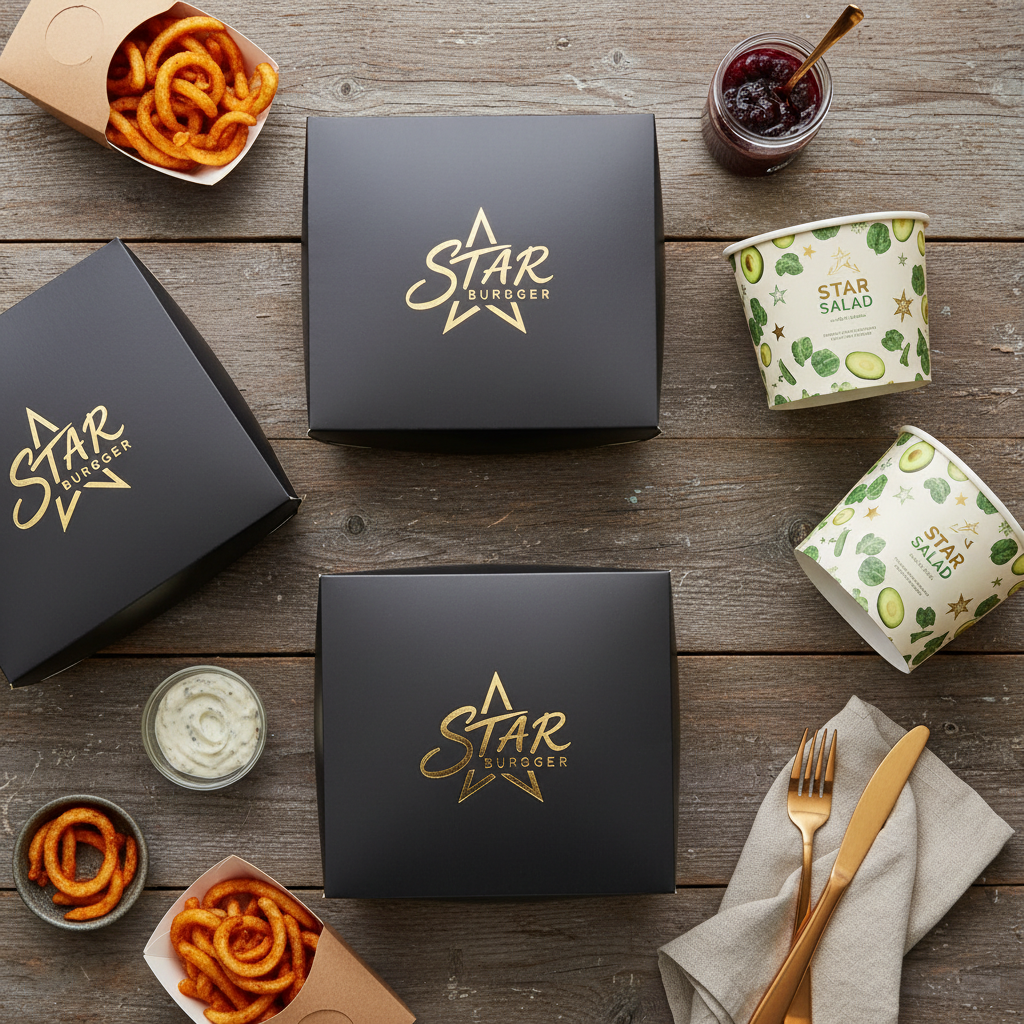
- UV Spot & Embossing: For ultra-premium sushi brands, adding a spot UV (glossy finish on the logo) or embossing creates a tactile experience that justifies a higher menu price point.
Design Considerations for Food Safety
Ensure that all inks used are food-safe and low-migration. While the ink is usually on the exterior, migration can occur if boxes are stacked (the bottom of one box touching the inside of another) or through the paperboard itself. Reputable manufacturers use vegetable-based or soy-based inks to ensure compliance.
5. The Complete Takeaway Ecosystem
A sushi box does not travel alone. A complete packaging solution includes the carry-out bag, sauce containers, and utensil holders.
Paper Carry-Out Bags
The bag must have a wide gusset (bottom width) to allow sushi platters to sit flat. Standard narrow grocery bags force the boxes to tilt, ruining the arrangement. High-GSM kraft paper bags with reinforced handles are essential for carrying heavy orders without tearing.
Explore options in our Food Packaging Bag category to find bags specifically designed with wide gussets for food trays.
Lids and Closures
For bowls and tubs, the lid fit is critical. A “snap-fit” sound provides auditory confirmation to the packer that the container is sealed.
- Internal vs. External Fitting Lids: External fitting lids (over the rim) generally offer better leak protection against sloshing liquids than internal fitting lids.
- Vented vs. Non-Vented: For cold foods, vents are unnecessary and can dry out the food. Ensure lids are non-vented to maintain humidity and freshness.
6. Buying Guide: Specifications and Logistics
When preparing to order packaging for sushi and cold foods, having a clear specification sheet speeds up the quoting process and reduces errors.
Checklist for RFQs
- Dimensions: Length x Width x Height (specify if these are internal or external dimensions).
- Material: Paper type (Kraft/White), Thickness (GSM or PT), and Coating (PE/PLA).
- Window: Size, shape, and anti-fog requirement.
- Print: Number of colors (CMYK or Pantone), coverage area (full bleed or logo only).
- Quantity: Annual volume and per-order quantity. This affects the production method and unit price.
- Packing: How many units per carton? Do you need inner packs (e.g., packs of 50 inside the master carton)?
MOQ (Minimum Order Quantity)
Custom printing requires setting up print plates and die-cut molds. Consequently, MOQs for custom sizes or prints typically start around 5,000 to 10,000 units depending on the complexity. For generic items, MOQs may be lower.
Lead Times
Plan for:
1. Design & Approval: 3-5 days for digital proofs.
2. Sampling: 7-10 days for physical samples (recommended for checking size fit).
3. Production: 15-25 days after sample approval.
4. Shipping: Varies by method (Sea vs. Air) and destination.
For detailed information on the ordering process, please visit our How to Order page.
7. Quality Assurance and Testing
Before placing a bulk order, request samples to perform your own QA testing.
Recommended Tests
- The Shake Test: Place food in the container, close it, and shake it vigorously to simulate a scooter delivery. Check for lid separation.
- The Fridge Test: Leave the packed food in a refrigerator for 24 hours. Check if the box has softened or if the window has fogged.
- The Stack Test: Stack 5 full containers on top of each other. Leave them for an hour. Check for crushing on the bottom container.
- The Grease Test: Place your oiliest dressing or sauce in the container and let it sit. Check the bottom of the box for dark spots indicating grease migration.
8. Sustainability Trends in Cold Food Packaging
Global regulations (such as the EU Single-Use Plastics Directive) are shifting the market away from rigid plastic trays toward paper-based solutions. However, “sustainable” means different things in different markets.
- Recyclable: The packaging can be processed to recover materials. Note that heavily soiled paper (with food residue) is often rejected by recyclers unless it uses specific coatings.
- Compostable: The packaging breaks down into organic matter. This is ideal for closed-loop environments (like stadiums or corporate cafeterias) where waste bins are controlled.
- Plastic Reduction: Even reducing the thickness of a plastic lid or switching from a full plastic tray to a paper tray with a plastic lid can significantly reduce total plastic tonnage.
Frequently Asked Questions (FAQ)
Q: What is the best GSM for a sushi box?
A: For standard sushi rolls, 250-300 GSM is typically sufficient. For heavier platters or party sets, we recommend 350-400 GSM or a corrugated flute material for added rigidity.
Q: Can I print on the inside of the box?
A: Yes, but it requires special food-grade inks and often an additional coating layer to seal the ink, preventing direct contact with the food. This adds to the cost but offers a premium branding experience.
Q: Do you offer samples before mass production?
A: Yes, sampling is a crucial part of the process. We can provide plain samples for size checking or digital print samples for artwork verification. Contact us to request a sample kit.
Q: How do I prevent rice from sticking to the paper box?
A: The PE or PLA coating provides a smooth surface that naturally resists sticking. For extremely sticky rice, some clients opt for a textured embossing on the interior or use a separate wax paper sheet.
Q: Are your boxes suitable for freezer storage?
A: Standard cold food boxes are fridge-safe. If you need freezer-grade packaging (for frozen sushi or meal prep), please specify this, as we use a special hard-sized board and freezer-grade PE coating to prevent cracking at low temperatures.
Partnering with the Right Manufacturer
Sourcing packaging for sushi and cold foods requires a partner who understands the nuances of moisture barriers, print finishes, and logistics. At YBJ Packing, we specialize in helping B2B buyers navigate these technical specifications to create packaging that protects the food and elevates the brand.
Whether you need a custom-sized window box for a retail launch or a high-volume supply of leakproof salad bowls, our engineering team is ready to assist.
Ready to upgrade your food packaging? Request a quote today or browse our categories to see our full range of capabilities.