

Introduction: Why Quality Control is Non-Negotiable in Food Packaging
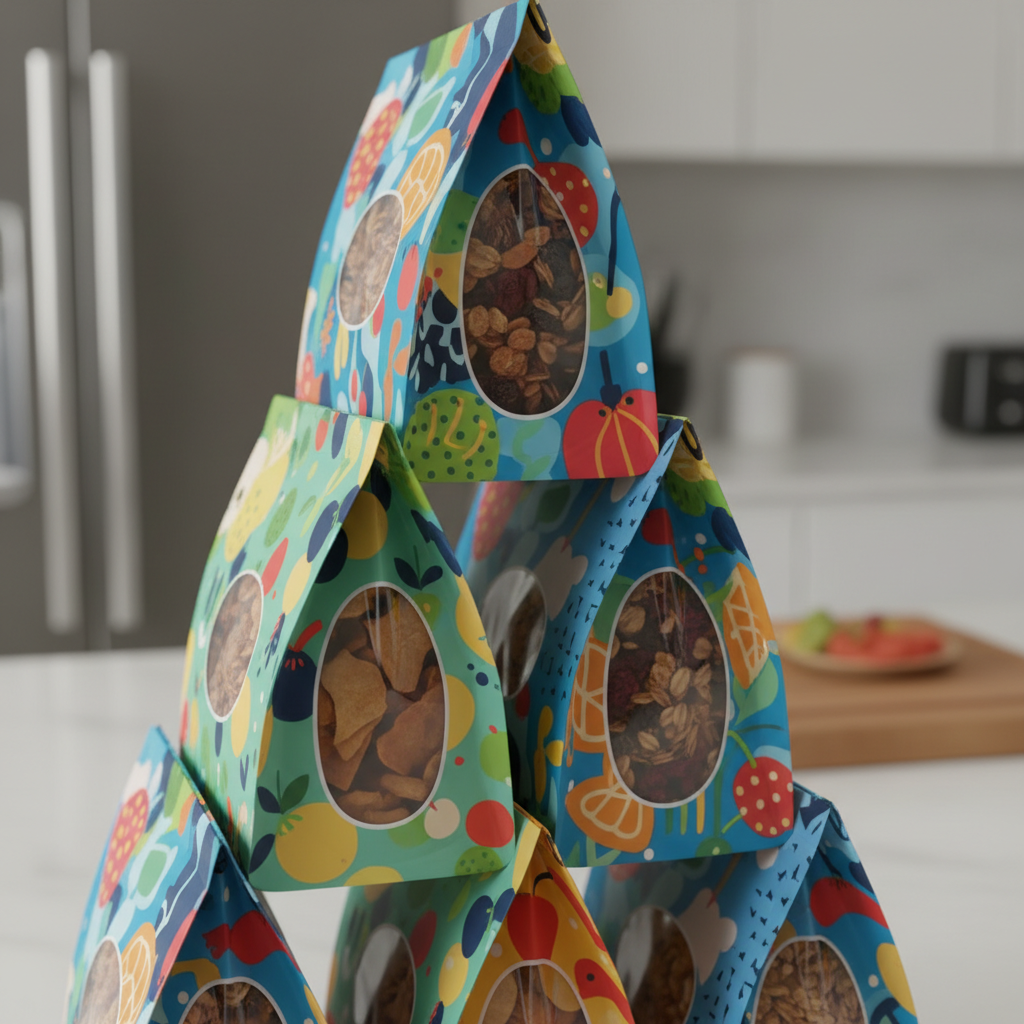
For procurement managers and brand owners in the food industry, the packaging is more than just a container; it is a critical component of the product’s safety, shelf life, and brand perception. A single batch of defective packaging can lead to catastrophic consequences, ranging from expensive product recalls and logistics nightmares to long-term damage to brand reputation. In the competitive landscape of food retail, where margins are tight and consumer expectations are high, a robust packaging quality control (QC) system is the first line of defense.
This guide provides a comprehensive technical checklist designed for international buyers sourcing from a packaging supplier. Whether you are ordering high-volume folding cartons, flexible pouches, or rigid containers, understanding the nuances of print quality, adhesive integrity, seam strength, sensory neutralness (odor), and dimensional fit is essential for ensuring a successful production run.
1. Print Quality Control: Beyond Just Aesthetics
In food packaging, print quality serves two roles: marketing and compliance. Legibility of nutritional facts, barcodes, and expiration dates is a legal requirement, while color consistency is vital for brand recognition. When inspecting food packaging boxes, the following parameters must be monitored.
Color Consistency and Delta E Tolerances
Human eyes are highly sensitive to color shifts, especially when products are lined up on a retail shelf. Suppliers should use spectrophotometers to measure color accuracy against a master sample or Pantone (PMS) reference. In the B2B packaging world, we typically look for a Delta E (dE) value of less than 2.0 or 3.0, depending on the brand requirements. Anything higher suggests a visible deviation that could lead to consumer mistrust.
Registration and Sharpness
Registration refers to the alignment of different ink layers (CMYK). Misalignment results in “ghosting” or blurry images and text. During inspection, check the registration marks on the trim area of the sheet. For fine text, especially ingredient lists that may be as small as 4pt or 5pt, sharpness is non-negotiable. If the text is fuzzy, it may fail compliance audits.
Ink Adhesion and Scuff Resistance
Food packaging often undergoes significant friction during shipping and handling. If the ink rubs off on a consumer’s hands or other boxes, it is a major quality failure. The “Tape Test” (ASTM D3359) is a standard procedure where pressure-sensitive tape is applied to the printed surface and pulled away to check for ink lift. Additionally, a Sutherland Rub Test can simulate the friction of transportation to ensure the varnish or aqueous coating is providing adequate protection.
2. Glue and Adhesion: Ensuring Structural Integrity
Adhesion failure in food packaging can lead to boxes popping open on the filling line or, worse, in the hands of the consumer. For custom food boxes, the choice of glue and the application method are critical.
Fiber Tear Test
The gold standard for checking glue quality in paperboard packaging is the fiber tear test. When a glued flap is pulled apart, the adhesive should be stronger than the paper itself. If the glue peels away cleanly from the surface (known as a “slick peel”), the bond is insufficient. A successful test should result in at least 75% to 100% fiber tear across the bonded area.
Food-Grade Adhesives and Migration
In food packaging, the adhesives used must be low-migration and compliant with relevant safety standards (such as FDA or EC regulations). Even if the glue does not touch the food directly, volatile organic compounds (VOCs) can migrate through the substrate and affect the food’s taste or safety. Buyers should request technical data sheets (TDS) for the adhesives used to ensure they are suitable for the specific food application (e.g., freezer-grade glue for frozen foods).
Glue Placement and Over-gluing
Automated filling lines require precision. If glue is applied too close to the edge (squeeze-out), it can cause boxes to stick together in the stack, leading to line jams. Conversely, insufficient glue coverage can lead to weak corners. Inspection should verify that the glue pattern matches the approved die-line specifications.
3. Seams and Heat Sealing: The Barrier Defense
For products using food packaging bags and pouches, the seam is the most vulnerable point. A weak seam leads to oxygen ingress, moisture gain, and premature spoilage.
Seal Strength (Tensile Testing)
Heat seals must be tested using a tensile tester to determine the force required to pull the seal apart. For vacuum-packed or heavy products, the seal strength must be significantly higher. Typical ranges depend on the film thickness and material (e.g., PE, PET, or ALU laminates).
Burst Testing
A burst test involves inflating the bag until it ruptures. This identifies the weakest point in the packaging. If the bag bursts at the seam rather than the material wall, the sealing temperature, pressure, or dwell time during manufacturing may need adjustment.
Visual Inspection of Seams
Check for “channels” or wrinkles in the seal area. Even a microscopic channel can allow bacteria or air to enter the package. In transparent or semi-transparent bags, look for consistent frosting or clarity across the seal line, which indicates even heat distribution.
4. Odor and Sensory Analysis: Protecting the Product Flavor
One of the most overlooked aspects of packaging quality control is the sensory impact. Food is highly susceptible to absorbing odors from its environment, including its own packaging.
Residual Solvents
In flexographic or gravure printing, solvents are used to carry the pigment. If the drying process is incomplete, residual solvents can remain trapped in the ink layer. When the packaging is wound into rolls or stacked in sheets, these solvents can migrate. This often results in a “chemical” smell that ruins the food product.
The Robinson Test (EN 1230-2)
This is a standardized sensory analysis where a packaging sample is placed in a closed container with a sensitive food stimulant (like milk chocolate or butter) for a set period. A panel then evaluates if the food has picked up any off-flavors or odors from the packaging. For high-end confectionery or dairy products, passing this test is mandatory.
5. Fit, Form, and Dimensional Accuracy
Packaging must fit the product and the secondary shipping containers perfectly. For those sourcing food containers or rigid boxes, dimensional stability is a primary QC metric.
Tolerance Levels
In B2B manufacturing, “perfect” is impossible, so we work with tolerances. For most paper-based packaging, a tolerance of ±0.5mm to ±1.0mm is standard. For plastic containers, this might be tighter. If the dimensions are outside of these limits, the packaging may not fit into automated cartoning machines, causing massive downtime in production.
Opening and Closing Force
For boxes with tuck-end flaps or containers with lids, the “friction fit” must be tested. It should be easy enough for a consumer to open but secure enough not to pop open during transit. This is often measured in Newtons using specialized force gauges.
Case Fit and Palletization
A common pitfall is failing to account for the “bulge” of the packaging once it is filled with food. Quality control should include a “fit check” where the primary packaging is placed into the secondary shipping case to ensure there is no crushing or excessive movement.
6. Material Specifications and Compliance
Before production even begins, the raw materials must be verified. This ensures you are getting what you paid for and that the materials are safe for food contact.
- Grammage (GSM) Verification: Use a precision scale to ensure the paperboard weight matches the contract. A lower GSM might save the supplier money but will result in a flimsy box.
- Moisture Content: Paperboard with too much moisture can warp; too little can become brittle and crack at the scores.
- Cobb Test: Measures the water absorption rate of the paperboard, which is critical for chilled or frozen food packaging that may encounter condensation.
7. Manufacturing and Testing Standards
A reliable packaging supplier should follow international standards for quality management. While ISO 9001 is a baseline, food-specific standards like BRCGS (Brand Reputation through Compliance Global Standard) for Packaging Materials provide much higher levels of assurance regarding hygiene and traceability.
Sampling Plans (AQL)
In mass production, it is impossible to check every single box. Instead, we use the Acceptable Quality Level (AQL) standard (ISO 2859-1). This defines how many samples need to be pulled from a batch and how many defects are allowed before the entire lot is rejected. For food packaging, “Critical” defects (like mold or glass contamination) usually have an AQL of 0, while “Major” defects (like incorrect barcodes) may have an AQL of 1.0 or 1.5.
8. Buying Guide: How to Ensure Quality with Your Supplier
Sourcing from overseas requires a clear communication strategy. To avoid quality issues, follow these steps during the procurement process:
Step 1: The Golden Sample
Before authorizing mass production, always request a “Golden Sample.” This is a production-grade sample that represents exactly what you expect. Once approved, one sample stays with you, and one stays at the factory to serve as the master reference. You can learn more about the process on our how to order page.
Step 2: Detailed Artwork Files
Ensure your artwork files include die-lines, bleed areas, and specific Pantone codes. Specify the type of finish (matte, gloss, UV, aqueous) clearly in the purchase order. Misunderstandings at the artwork stage are the leading cause of print quality disputes.
Step 3: Third-Party Inspections
For large orders, consider hiring a third-party inspection agency to visit the factory before the goods are shipped. They can perform the checklists mentioned in this article (scuff tests, fiber tears, dimensional checks) and provide an unbiased report.
FAQs about Packaging Quality Control
What is the most common defect in food packaging?
Color variation and poor ink adhesion are the most frequent issues. These are usually caused by inconsistent ink mixing or improper curing/drying times on the printing press.
How do I know if my packaging is food-safe?
You should request a Declaration of Compliance (DoC) from your supplier. This document should state that the materials used (paper, ink, glue, coatings) meet regional food contact regulations such as FDA or EU standards.
Can I use recycled paper for food packaging?
Yes, but with caution. Recycled paper can contain mineral oils from previous inks. For direct food contact, a functional barrier (like a plastic liner) or virgin paperboard is often preferred to prevent migration.
What is a “Cobb value” and why does it matter?
The Cobb value measures how much water the paperboard absorbs over a specific time. For food that is stored in refrigerators or on ice, a low Cobb value is necessary to prevent the box from becoming soggy and collapsing.
How many samples should be checked in a batch of 50,000?
Based on standard AQL tables (Level II), a sample size of 500 units is typical for a batch of this size. The number of allowed defects depends on whether they are classified as minor, major, or critical.
What causes a “chemical smell” in printed boxes?
This is usually due to residual solvents from the printing inks that did not evaporate completely. It can be prevented by ensuring proper ventilation and drying during the printing process and using low-odor, food-grade inks.
Conclusion: Partnering for Quality
Quality control in food packaging is a technical discipline that requires attention to detail at every stage of the manufacturing process. By using this checklist and maintaining clear standards with your supplier, you can ensure that your packaging protects your product, satisfies regulators, and delights your customers.
If you are looking for a reliable partner for your next project, please contact our team for a technical consultation. We specialize in high-quality, compliant food packaging solutions tailored to your brand’s needs.