

Introduction: The Strategic Importance of Grab-and-Go Packaging
In the rapidly evolving food service landscape, the shift towards off-premise dining, meal subscription services, and convenience retail has placed unprecedented pressure on packaging performance. For procurement managers, restaurant chains, and food manufacturers, selecting the right meal prep containers and grab-and-go packaging is no longer just about holding food—it is about operational efficiency, brand integrity, and food safety.
Effective packaging must survive a complex supply chain: from the production line to the delivery vehicle, and finally to the consumer’s table or desk. It requires a delicate balance of structural rigidity, barrier properties, and aesthetic appeal. Whether you are sourcing food packaging boxes for a ghost kitchen or plastic trays for a supermarket deli, the technical specifications of your packaging define your product’s shelf life and customer satisfaction.
This guide provides an in-depth analysis of the critical factors in selecting packaging for the meal prep and grab-and-go sectors. We will explore material science, structural engineering (compartments and stackability), customization options, and the logistics of procurement.
1. Material Selection: Balancing Performance and Sustainability
The foundation of any high-performance food container is the material. In the B2B context, the choice of material dictates the container’s thermal range, barrier properties against grease and moisture, and its end-of-life disposal method.
1.1. Plastic Polymers (PP and PET)
Plastic remains a dominant material for food containers due to its clarity, durability, and sealability.
- Polypropylene (PP): The gold standard for microwavable meal prep. PP has a high melting point (approx. 160°C), making it safe for hot fills and reheating. It is resistant to fats and chemicals, ensuring that acidic sauces do not degrade the container integrity. However, PP is typically translucent rather than crystal clear.
- Polyethylene Terephthalate (PET): Known for its glass-like clarity, PET is ideal for cold grab-and-go items like salads, sushi, and cold cuts. It offers excellent oxygen barriers but has a low heat resistance (deforms around 60-70°C), making it unsuitable for microwave heating.
- rPET (Recycled PET): Many buyers are shifting to rPET to meet sustainability goals. It maintains the clarity of virgin PET but reduces the carbon footprint.
1.2. Paper and Paperboard
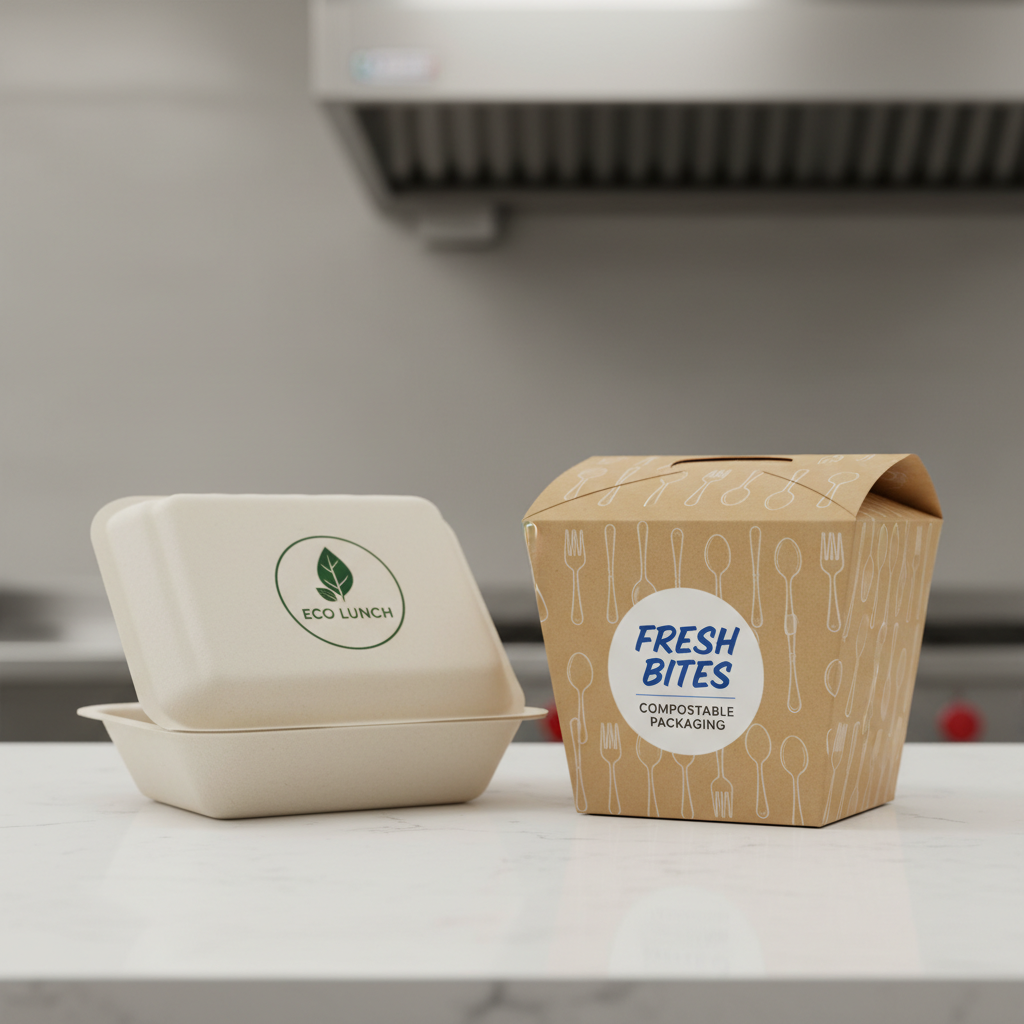
For brands prioritizing a natural aesthetic and reduction in plastic usage, paperboard is the leading alternative. However, raw paper is permeable; it requires coating.
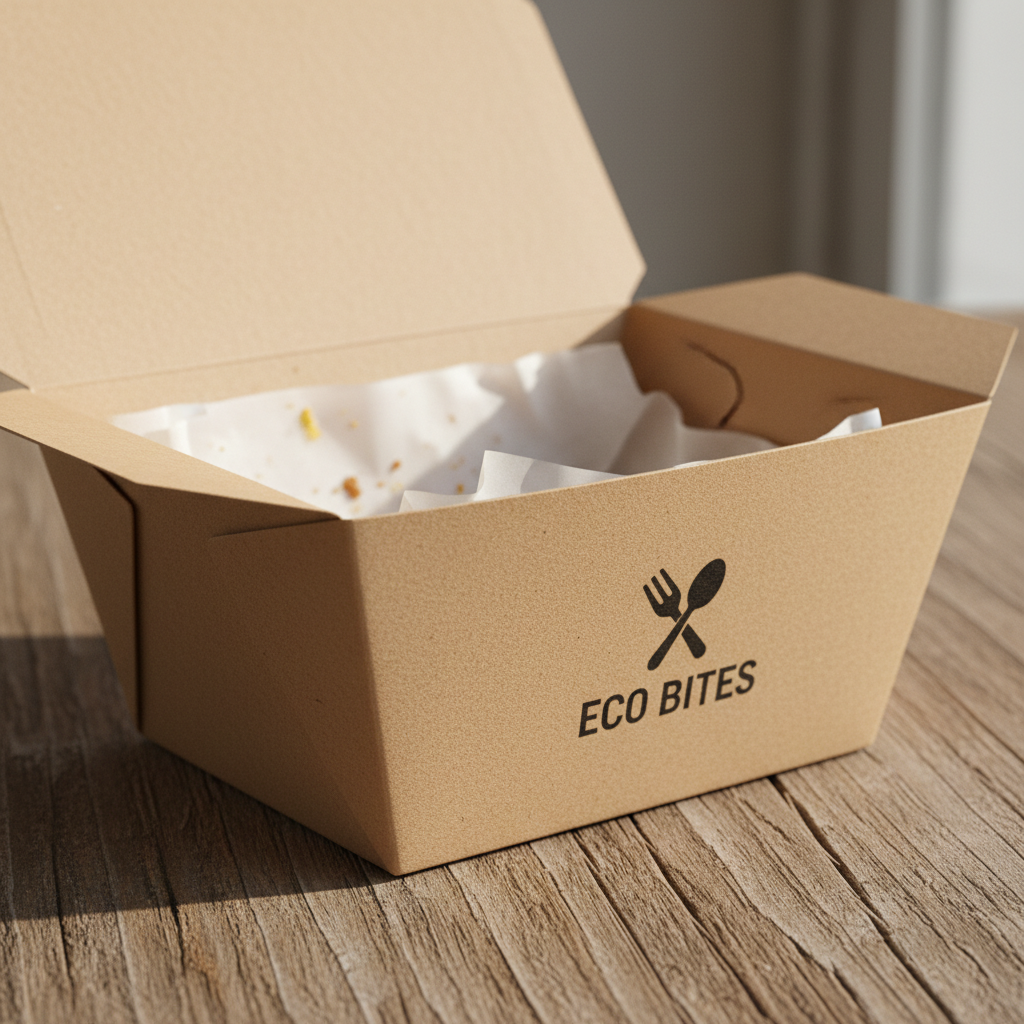
- Kraft Board: Strong, tear-resistant, and offering a rustic, eco-friendly look. It is often used for heavy meals.
- Coatings (PE vs. PLA vs. Aqueous):
- PE (Polyethylene) Lining: The traditional moisture barrier. Effective and cheap, but makes recycling difficult in some facilities.
- PLA (Polylactic Acid) Lining: A bioplastic derived from corn starch. It is industrially compostable but has lower heat resistance than PE.
- Aqueous Coating: A water-based coating that provides grease resistance while allowing the paper to be fully repulpable and recyclable.
1.3. Molded Fiber (Bagasse)
Made from sugarcane pulp, molded fiber is rigid and insulating. It is breathable, which keeps fried foods crispy but can lead to sogginess with heavy sauces if not treated with adequate additives. It is excellent for single-use catering but less suited for long-term shelf storage compared to sealed plastic.
2. Structural Engineering: Compartments and Portion Control
In the meal prep industry, portion control and component separation are paramount. A single-compartment container is often insufficient for modern menus that include a protein, a starch, and a sauce or salad.
2.1. The Role of Compartments
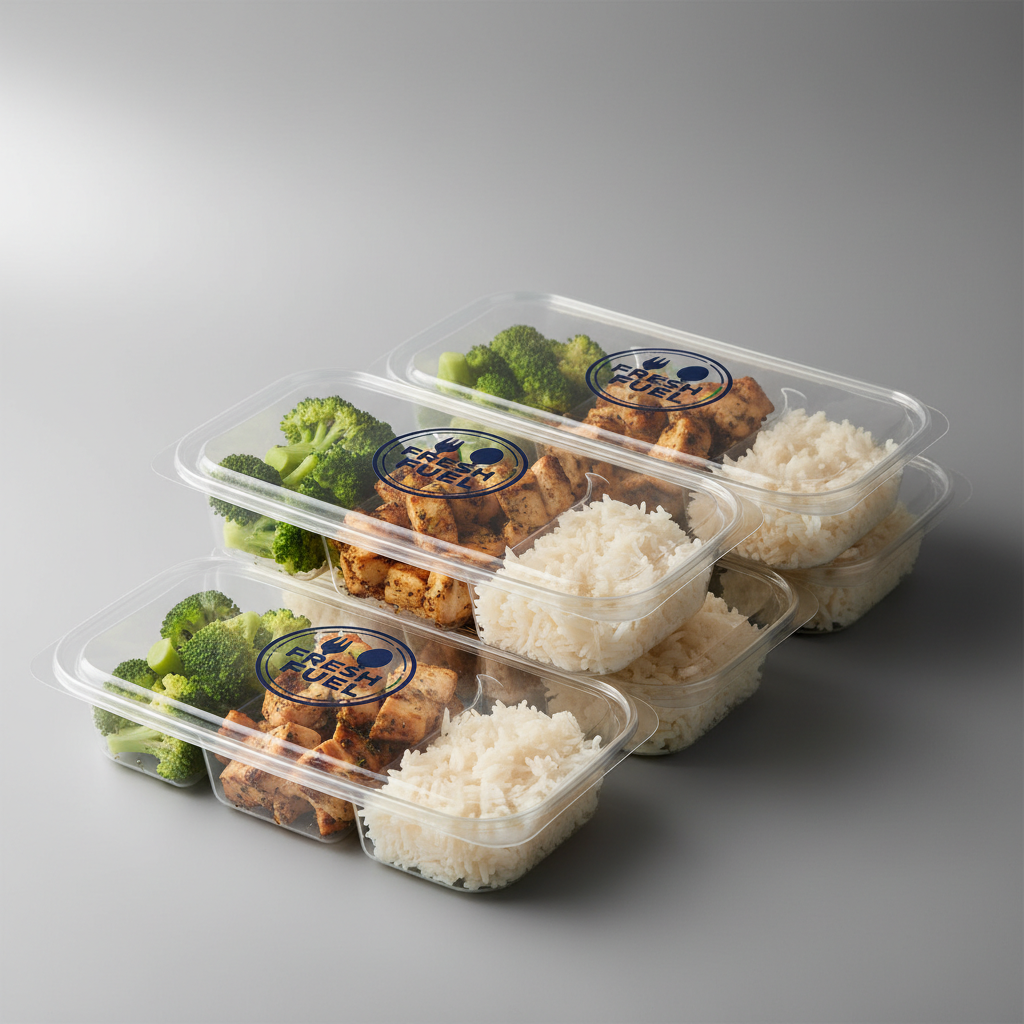
Multi-compartment containers (2, 3, or even 4 sections) serve functional and psychological roles:
- Flavor Integrity: They prevent wet ingredients (like dressed salads or curries) from making dry ingredients (like rice or breaded items) soggy.
- Nutritional Compliance: For meal prep companies focusing on macros (protein/carbs/fats), fixed compartment sizes help standardize portioning without weighing every scoop during assembly.
- Visual Presentation: A segmented tray looks fuller and more organized, increasing the perceived value of the meal.
2.2. Leak-Proof Dividers
Not all compartments are created equal. Low-quality manufacturing often results in dividers that do not reach the lid, allowing liquids to spill over during transport. High-quality food containers feature “interference fit” lids or internal seals that press firmly against the divider walls, ensuring true separation.
3. Stackability and Logistics Optimization
For B2B buyers, the “grab-and-go” aspect applies not just to the consumer, but to the logistics of getting the product onto the shelf. Stackability impacts warehousing costs, shipping efficiency, and retail display.
3.1. Nesting vs. Stacking
- Nesting (Empty): Before filling, containers must nest tightly to minimize shipping volume. A well-designed tapered sidewall allows thousands of units to fit on a single pallet. Procurement should ask about the “nesting ratio” to calculate warehouse space requirements.
- Stacking (Filled): Once filled and lidded, containers must stack securely without crushing the food inside. This requires a recessed lid design that captures the base of the container above it. Secure stacking is critical for delivery drivers and for maximizing vertical space in retail fridges.
3.2. Structural Integrity Under Load
Containers must withstand the static load of being stacked 5-10 high in a cooler. Weak sidewalls can buckle, damaging the product. Rigidity is determined by the material thickness (gauge) and the geometric design (ribbing or fluting on the walls adds strength without adding weight).
4. Branding and Visual Communication
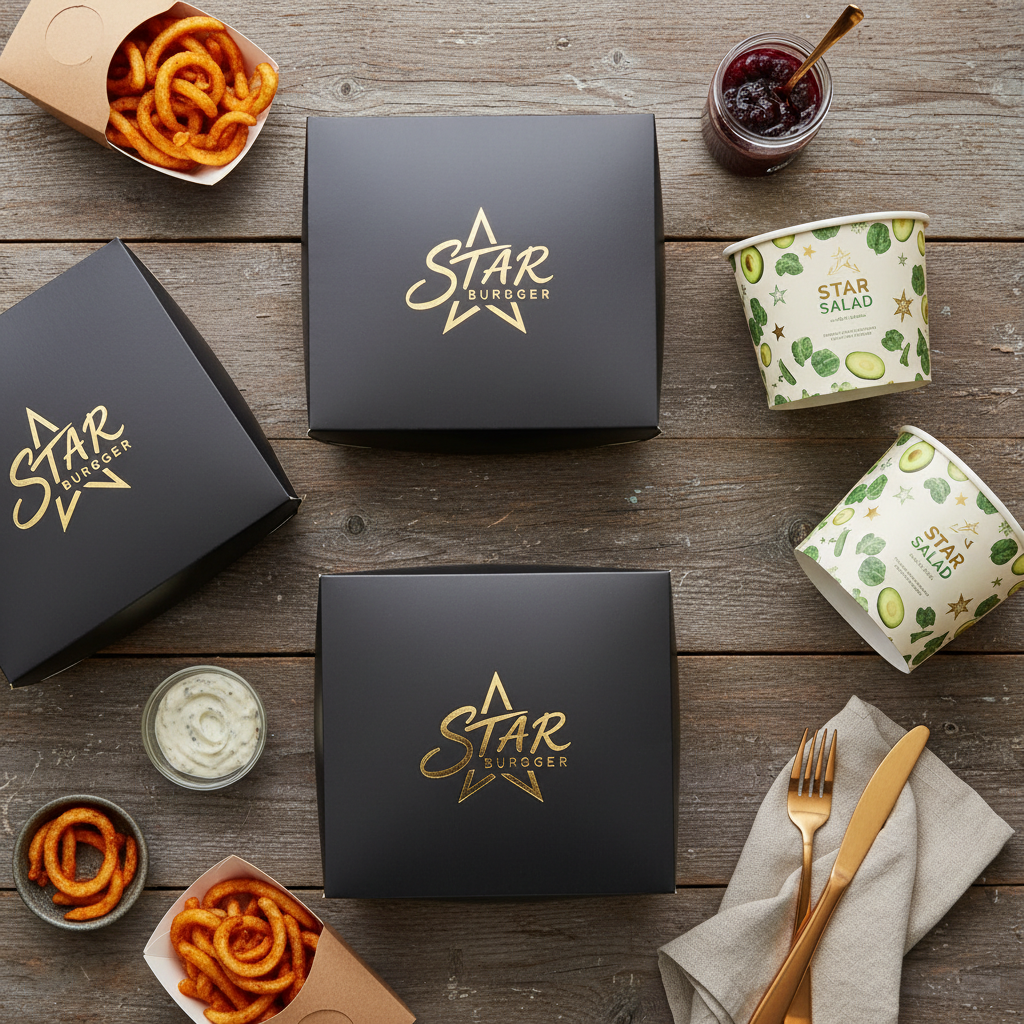
In a grab-and-go environment, the packaging is the silent salesman. Consumers make decisions in seconds based on visual appeal. Generic packaging competes on price; branded packaging competes on value.
4.1. Custom Printing Options
At YBJ Packing, we understand that branding transforms a container into a marketing asset. Product visibility must be balanced with brand real estate.
- Offset Printing: Ideal for paper boxes, offering high-resolution, photographic quality images. Perfect for intricate designs and vibrant colors.
- Flexographic Printing: Cost-effective for high volumes, particularly for simple logos and patterns on bags or boxes.
- In-Mold Labeling (IML): For plastic containers, the label is fused into the plastic during molding. This results in a seamless, durable finish that resists moisture and abrasion better than adhesive labels.
4.2. Sleeves and Labels
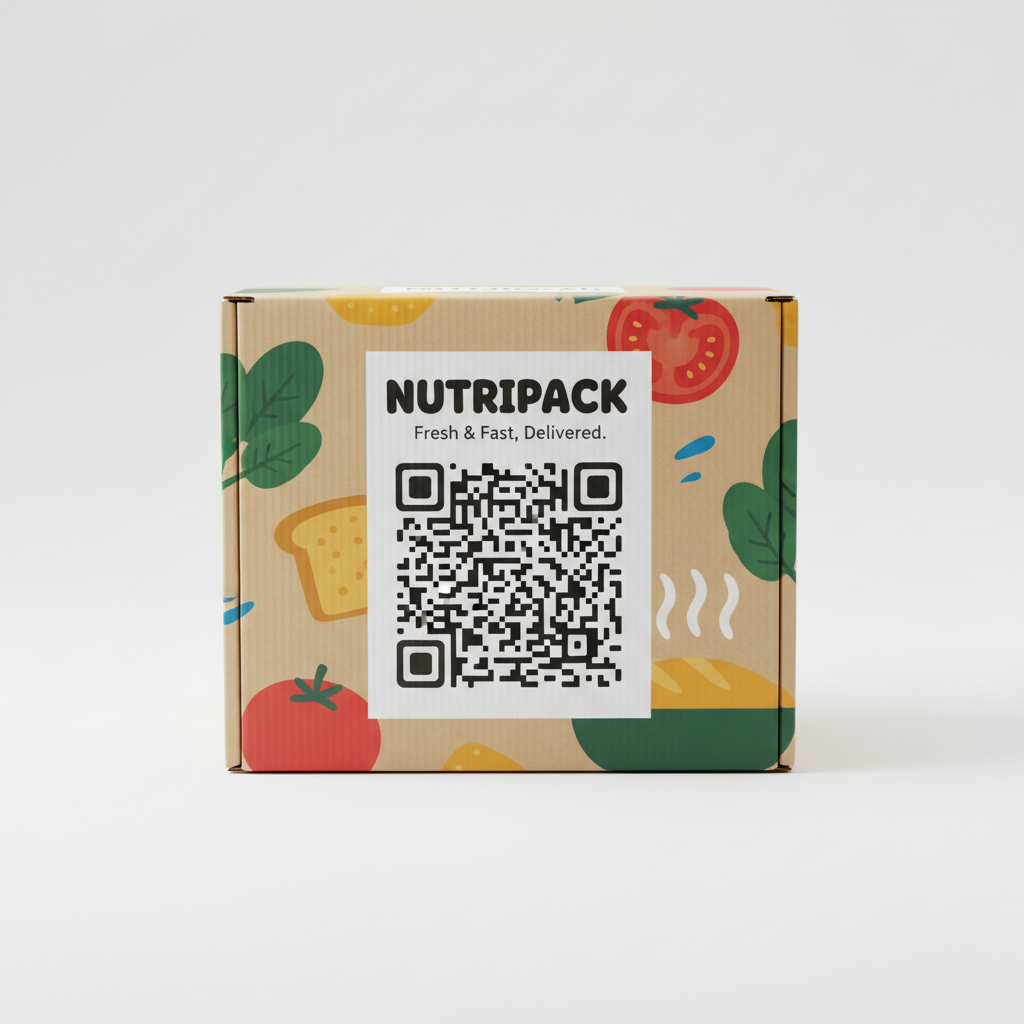
For standard clear containers, custom printed cardboard sleeves are a popular choice. They provide ample space for nutritional information, ingredients lists, and branding, while leaving the sides of the container open to showcase the fresh food inside. This is a versatile strategy for businesses with rotating menus, as the container remains standard while the sleeve changes.
5. Technical Specifications & Quality Assurance
When requesting a quote or analyzing a sample, professional buyers should evaluate specific technical criteria.
5.1. Seal Integrity and Closure Mechanisms
A failed seal results in leakage, spoilage, and customer complaints. Common closure types include:
- Snap-Fit Lids: Audible “click” closure providing reassurance of a seal. Common in PP meal prep containers.
- Heat Seal Film: A plastic film heat-welded to the tray rim. This offers a tamper-evident, hermetic seal that significantly extends shelf life (MAP – Modified Atmosphere Packaging compatible).
- Tab-Lock Boxes: Common in paper folding cartons. Requires precise die-cutting to ensure the lock holds under the weight of the food.
5.2. Thermal Tolerance Testing
If your product is “microwave safe,” it must undergo testing to ensure it does not warp or release chemicals when heated. Conversely, “freezer safe” containers must use impact-modified polymers to prevent cracking at sub-zero temperatures.
5.3. Grease Resistance (Kit Level)
For paper packaging, grease resistance is measured by “Kit Levels” (1-12). A Kit Level of 3-5 might be sufficient for baked goods, while fried chicken or oily pasta requires a Kit Level of 9-12 or a PE lining to prevent staining and structural failure.
6. The Buying Guide: MOQs, Customization, and Lead Times
Navigating the procurement process requires understanding the trade-offs between customization and volume.
6.1. Minimum Order Quantities (MOQ)
Custom printing usually involves setup costs (plate charges). Therefore, MOQs for custom-printed items are higher than for stock items.
- Stock Items: Lower MOQs, faster delivery. Ideal for testing new menu items.
- Custom Size/Shape: Requires new tooling (molds). High upfront cost and high MOQ, but offers a unique market advantage.
- Custom Print: Moderate MOQs. The sweet spot for growing brands.
6.2. Artwork and Sampling
Before mass production, always request a digital proof and, if possible, a physical prototype. Ensure your design files are in vector format (AI, PDF, EPS) to guarantee print sharpness. Check that the “safe zone” for text is respected to avoid cutting off critical info during die-cutting.
6.3. Complementary Packaging
Don’t forget the accessories. Food packaging bags are essential for carrying the containers, and they offer an additional surface for branding. Whether it’s a kraft paper carrier bag or a sealed cutlery pack, the entire unboxing experience matters.
7. Manufacturing & Supply Chain Considerations
Reliability of supply is as important as the product itself. When partnering with a manufacturer, consider:
- Production Capacity: Can the supplier scale with you during peak seasons?
- Quality Control (QC): Does the factory perform random sampling for leak tests and load-bearing capacity?
- Lead Times: Account for production time plus shipping (especially for international sea freight). Plan inventory buffers accordingly.
8. Frequently Asked Questions (FAQ)
Q1: Can paper meal prep containers really hold liquids?
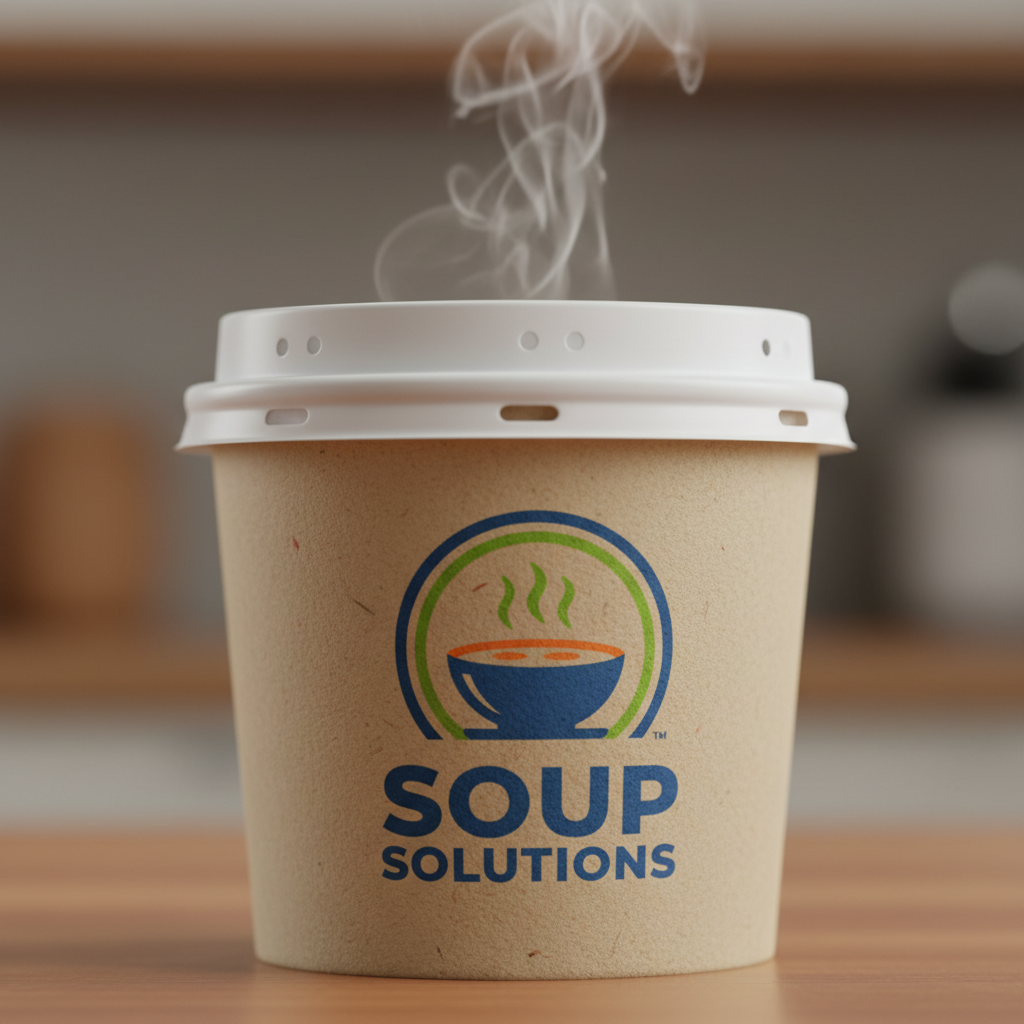
Yes, provided they are lined. A high-quality PE or PLA lining creates a waterproof barrier. However, for soups or very low-viscosity liquids, a round container with a tight-fitting lid or a heat-sealed plastic bowl is often safer than a folded paper box.
Q2: What is the difference between “compostable” and “biodegradable”?
“Biodegradable” implies the material will eventually break down, but it might take years and leave microplastics. “Compostable” means it breaks down into organic matter under specific conditions (industrial or home) within a set timeframe (usually 90-180 days). Always check for certifications like BPI or EN 13432.
Q3: How do I choose the right size for my meal prep menu?
Measure your food volume (in ounces or milliliters) rather than dimensions. A standard meal prep container is often 24oz to 32oz. Ensure you account for “headspace”—leaving a small gap at the top to prevent spills upon opening.
Q4: Does custom printing affect the recyclability of the container?
Generally, no. Inks used for food packaging are typically minimal and do not interfere with the recycling process of the base material. However, heavy metallic foils or excessive lamination can sometimes cause issues.
Q5: Can I get a sample before placing a bulk order?
Absolutely. We strongly recommend testing samples with your actual food products to verify fit, thermal performance, and presentation. You can contact our team to request samples.
Conclusion
Selecting the right packaging for meal prep and grab-and-go applications is a strategic decision that impacts your brand’s reputation and your bottom line. By focusing on material suitability, structural integrity, and effective branding, you can deliver a superior customer experience.
At YBJ Packing, we specialize in helping businesses find the perfect balance between functionality and design. Whether you need multi-compartment trays, custom-printed paper boxes, or eco-friendly solutions, our team is ready to assist.
Ready to upgrade your food packaging? Review our ordering process or request a quote today to get started with a solution tailored to your needs.