

Introduction: The Strategic Importance of Packaging Logistics
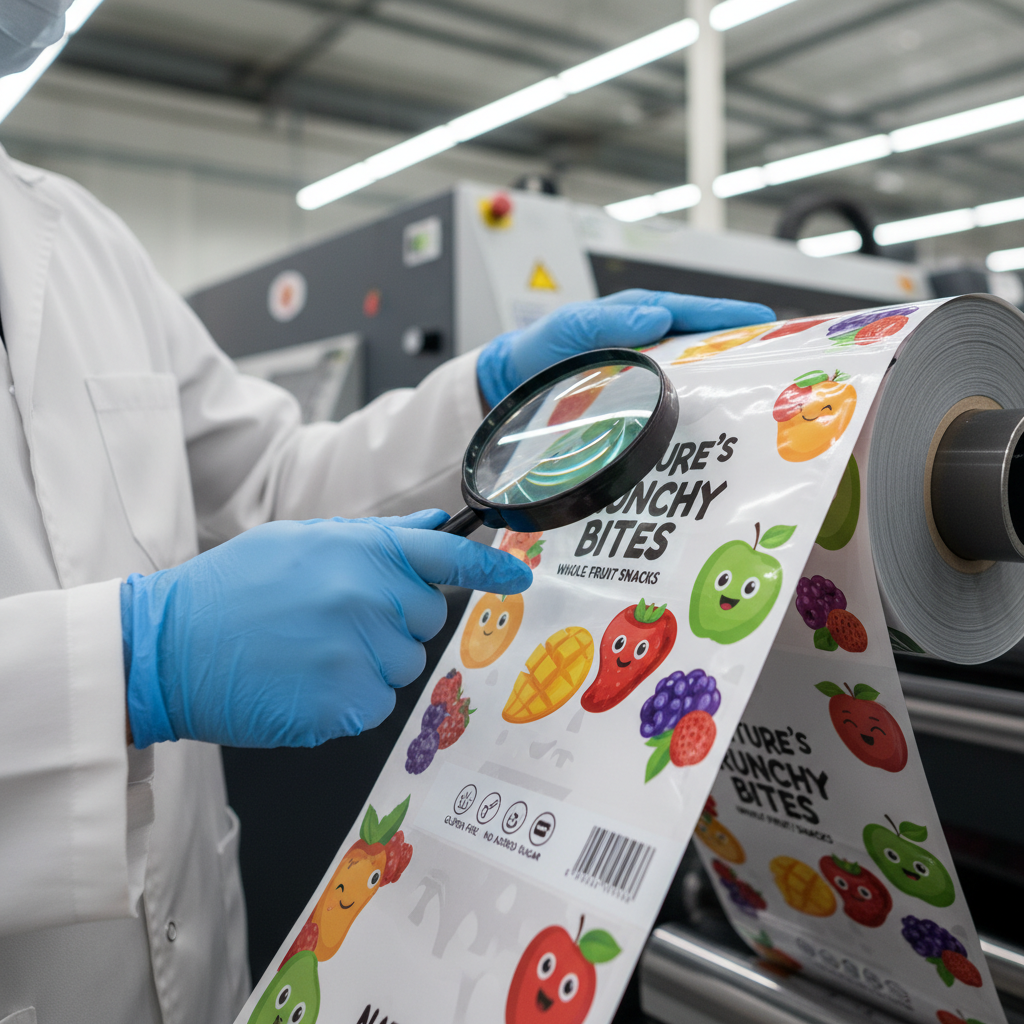
In the fast-moving consumer goods (FMCG) and food service industries, packaging is more than just a container; it is a critical component of the supply chain. For procurement managers and brand owners, understanding packaging lead time and logistics is the difference between a successful product launch and a costly stockout. When custom food packaging is delayed, production lines halt, and retail shelf space is lost.
This guide provides a comprehensive deep dive into the complexities of wholesale packaging logistics. We will explore how production timelines are calculated, the variables that impact shipping, and how to implement robust forecasting models to ensure your brand never runs out of essential supplies. Whether you are sourcing food packaging boxes or flexible films, mastering these logistics is vital for operational efficiency.
Defining the Lead Time Equation
Lead time is often misunderstood as simply the time it takes to ship a product. In the world of custom manufacturing, it is a multi-stage process. To manage expectations and plan effectively, buyers must break down the total lead time into three distinct phases:
1. Pre-Production Lead Time
This phase covers everything from the initial inquiry to the final approval of the production proof. It includes:
- Quotation and Negotiation: 1–3 business days.
- Artwork Preparation: Depending on the complexity of the design and the readiness of the files.
- Sampling: Physical samples usually take 5–10 days, plus shipping time. This is a critical step to verify dimensions and material performance.
- Plate/Cylinder Making: For offset printing (boxes) or rotogravure (bags), creating the printing plates or cylinders adds another 5–7 days.
2. Production Lead Time
Once the “Golden Sample” is approved and the deposit is paid, the manufacturing clock starts. Production time varies significantly based on the product type:
- Custom Food Boxes: Typically 12–20 days depending on the quantity and finishing (e.g., UV coating, foil stamping).
- Flexible Packaging Bags: Often 15–25 days due to the lamination and curing processes required for food safety.
- Standard Food Containers: 10–15 days if the molds are already available.
3. Transit Lead Time
This is the time taken for the goods to travel from the factory floor to your warehouse. It is heavily influenced by the chosen shipping method and the geographic location of the buyer.
Factors Influencing Production Timelines
Several technical and operational factors can extend or shorten your packaging lead time. Understanding these allows procurement teams to make better decisions during the design phase.
Material Availability
Standard materials like 300gsm white cardboard or Kraft paper are usually in stock. However, specialty materials—such as high-barrier films for long-shelf-life snacks or specific eco-friendly compostable substrates—may require a 7–10 day lead time just for the raw material procurement. If your project requires unique specifications, it is wise to consult with your packaging supplier early in the process.
Complexity of Customization
A simple one-color printed box moves through the factory much faster than a multi-layered structure. Complexities that add time include:
- Multi-stage Lamination: Required for food packaging bags to ensure moisture and oxygen barriers.
- Specialty Finishes: Embossing, debossing, and spot UV require additional passes through specialized machinery.
- Manual Assembly: If the packaging requires hand-gluing or the insertion of custom dividers, the labor-intensive nature will naturally extend the timeline.
Order Volume and Seasonal Peaks
Economies of scale apply to time as well as cost. Large runs (e.g., 100,000+ units) may take longer to produce but are more efficient per unit. Furthermore, the “Golden Quarter” (Q4) is the busiest time for global manufacturing. Orders placed in October or November for the holiday season often face longer queues and congested shipping lanes.
Shipping and International Logistics Modes
Choosing the right shipping method is a balance between cost, speed, and the urgency of your inventory needs. For international wholesale packaging, there are three primary modes:
Sea Freight (LCL vs. FCL)
Sea freight is the most common method for bulk packaging orders due to its cost-effectiveness.
- FCL (Full Container Load): Best for large orders. You rent the entire 20ft or 40ft container. It is faster than LCL because it avoids the consolidation and deconsolidation phases at the port.
- LCL (Less than Container Load): Your goods share space with other shipments. This is ideal for smaller wholesale orders but adds 5–7 days to the transit time due to handling at the container freight station (CFS).
Air Freight and Express
When lead times are tight, air freight is the solution.
- Air Cargo: Airport-to-airport service. Suitable for high-value or urgent mid-sized shipments. Transit time is usually 5–10 days.
- Courier Express (DHL/FedEx/UPS): Door-to-door service. This is the fastest method (3–5 days) but the most expensive. It is typically reserved for samples or very small, urgent replenishment orders.
Rail Freight
For buyers in Europe and Central Asia, rail freight offers a middle ground—faster than sea and cheaper than air. Transit times from China to Europe via rail typically range from 18 to 22 days.
Understanding Incoterms in Packaging Procurement
When reviewing a quote for food containers or boxes, the Incoterm defines who is responsible for the cost and risk at each stage of the journey.
| Incoterm | Meaning | Buyer Responsibility |
|---|---|---|
| EXW (Ex Works) | Factory Gate | Full responsibility from the factory door. |
| FOB (Free On Board) | Port of Loading | Responsible for freight and insurance from the port. |
| CIF (Cost, Insurance, Freight) | Port of Destination | Responsible for customs clearance and inland transport. |
| DDP (Delivered Duty Paid) | Buyer’s Warehouse | The supplier handles everything, including taxes and duties. |
Inventory Planning and Forecasting Models
To avoid the stress of last-minute orders, professional buyers use data-driven forecasting. Effective inventory planning for packaging involves several key metrics.
The Reorder Point (ROP) Formula
The Reorder Point tells you exactly when to place a new order. It is calculated as follows:
ROP = (Daily Average Usage × Total Lead Time in Days) + Safety Stock
For example, if you use 500 boxes per day, and your total lead time (production + shipping) is 45 days, with a safety stock of 5,000 units:
(500 × 45) + 5,000 = 27,500 units.
When your inventory hits 27,500 units, it is time to contact your supplier.
Accounting for Seasonality
Food packaging demand often spikes during specific seasons (e.g., ice cream containers in summer, chocolate boxes in winter). Look at historical data from the previous three years to identify these trends. Always add a 15–20% buffer to your forecast during peak seasons to account for unexpected market growth or logistics delays.
The “Bullwhip Effect” in Packaging
Small fluctuations in consumer demand can lead to large swings in packaging orders. If a retailer sees a 10% increase in sales, they might order 20% more from the food producer, who then orders 40% more packaging. Clear communication between your sales team and procurement team is essential to dampen this effect and prevent overstocking or stockouts.
Storage and Warehousing for Food Packaging
Once your wholesale packaging arrives, how you store it is critical, especially for food-grade materials. Improper storage can lead to contamination, material degradation, or machine jams during the filling process.
Climate Control: Temperature and Humidity
Paper-based products, such as food packaging boxes, are hygroscopic—they absorb moisture from the air.
- High Humidity: Causes the cardboard to soften, leading to collapsed stacks and poor performance on automated packing lines.
- Low Humidity: Makes the board brittle, which can cause cracking along the score lines when the box is folded.
- Ideal Conditions: Maintain a temperature of 18°C–24°C (64°F–75°F) and a relative humidity of 45%–55%.
Hygiene and Contamination Prevention
Food packaging must remain pristine. Storage areas should be:
- Pest-Controlled: Regular inspections for rodents and insects are mandatory.
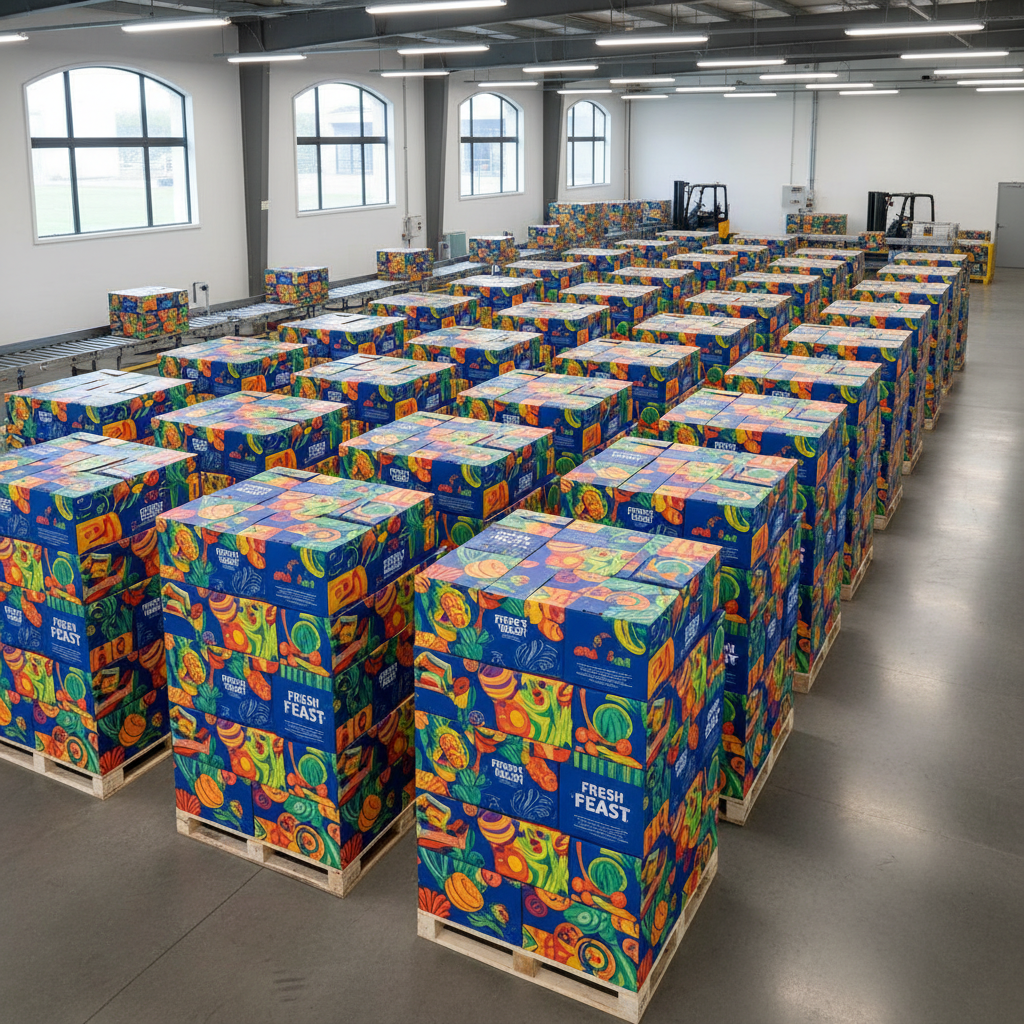
- Off the Floor: All packaging should be stored on clean pallets, never directly on the floor.
- Dust Protection: Keep pallets shrink-wrapped until the moment the packaging is needed on the production line.
First-In, First-Out (FIFO)
Always practice FIFO inventory management. Adhesives used in bags and the coatings on boxes can have a shelf life. Using the oldest stock first ensures that the structural integrity of the packaging remains consistent.
Common Pitfalls in Packaging Logistics
Even with the best planning, issues can arise. Being aware of these common pitfalls helps in developing contingency plans.
1. The Chinese New Year (CNY) Gap
Almost all manufacturing in Asia pauses for 2–3 weeks during CNY. However, the impact lasts longer, as factories rush to clear backlogs before the holiday and deal with labor shortages afterward. Pro Tip: Place your Q1 and early Q2 orders at least 8 weeks before the CNY start date.
2. Inaccurate Artwork Specs
A simple typo or an incorrect barcode on the artwork can stop production or, worse, result in thousands of unusable units. Always perform a triple-check on the digital proof. If you are unsure about the technical requirements, refer to a professional how-to-order guide for artwork specifications.
3. Ignoring Port Congestion
Global events, labor strikes, or weather can congest major ports. Diversifying your receiving ports or having a small “emergency” stock held locally can mitigate the risk of a total supply chain shutdown.
Quality Control and Its Impact on Timelines
Quality assurance (QA) is not a delay; it is a safeguard. However, it must be factored into the timeline. A standard QA process includes:
- In-line Inspection: Checking print color consistency (Delta E) and registration during the run.
- Post-Production Testing: For food bags, this includes burst tests and seal integrity tests. For boxes, it includes crush resistance (ECT) tests.
- Third-Party Inspections: If you hire an external agency to inspect the goods before shipment, allow an extra 2–3 days in your schedule.
Buying Guide: Streamlining Your Order Process
To ensure the shortest possible lead time and the smoothest logistics, follow this step-by-step procurement process:
Step 1: Technical Specification Audit
Before requesting a quote, define your material (e.g., PET/AL/PE), dimensions, printing (CMYK vs. Pantone), and any special features (e.g., tear notches, zippers). Clear specs reduce the back-and-forth communication time.
Step 2: Sample Validation
Never skip the physical sample. Test the sample with your actual food product to ensure fit, function, and barrier performance. This prevents costly re-runs later.
Step 3: Logistics Planning
Decide on your Incoterm and shipping mode based on your ROP. If you are close to a stockout, consider a split shipment: 10% by air to keep you running, and 90% by sea to save on costs.
Step 4: Production Monitoring
Maintain a dialogue with your supplier. Ask for a production schedule and a weekly status update. This allows you to adjust your downstream operations if any minor delays occur.
Frequently Asked Questions (FAQ)
What is the typical lead time for custom printed food boxes?
Generally, production takes 12–20 days after artwork approval. Shipping can take anywhere from 5 days (air) to 35+ days (sea), depending on your location.
How can I reduce my packaging shipping costs?
The most effective way is to order in larger volumes to utilize Full Container Loads (FCL). Additionally, designing packaging that can be shipped flat (like folding cartons) significantly reduces the volume and, therefore, the cost compared to rigid containers.
Can I get a rush order if I am running out of stock?
Many suppliers offer expedited production for an additional fee, but this depends on the current factory load. Always communicate urgency immediately to see what “fast-track” options are available.
Why does the shipping price change between the quote and the final payment?
International freight rates fluctuate weekly based on fuel prices, container availability, and seasonal demand. Most logistics quotes are valid for 7–14 days.
Is it better to use my own freight forwarder?
If you have a high volume of imports and an established relationship with a forwarder, using your own (FOB terms) can give you more control. However, for many buyers, DDP terms—where the supplier handles logistics—is more convenient and reduces administrative overhead.
How do I know if the packaging is safe for food?
Ensure your supplier uses food-grade inks and materials. You should request material safety data sheets (MSDS) or general compliance declarations relevant to your region’s food safety standards.
Conclusion: Building a Resilient Packaging Supply Chain
Mastering wholesale packaging shipping and logistics is a continuous process of optimization. By understanding the nuances of lead times, choosing the right shipping modes, and maintaining disciplined inventory forecasting, you can turn your packaging from a potential bottleneck into a competitive advantage.
At YBJ Packing, we specialize in helping international brands navigate these complexities. From initial design to final delivery at your warehouse, our team ensures your food packaging is produced to the highest standards and delivered on time.
Ready to optimize your packaging supply chain? Contact us today for a detailed consultation or request a quote to get started on your next project.