

In the competitive landscape of food service, every detail contributes to the customer experience. While often overlooked as a mere commodity, the humble napkin is a critical component of restaurant operations, catering logistics, and brand visibility. For procurement managers, distributors, and restaurant owners, selecting the right napkin involves balancing cost, functionality, aesthetics, and sustainability. A mismatch in quality can cheapen a fine dining experience, while over-specifying for a quick-service environment can erode margins.
This comprehensive buyer’s guide explores the technical specifications, material options, sizing standards, and customization possibilities for wholesale napkins. Whether you are sourcing for a global fast-food chain, a boutique coffee shop, or a large-scale distributor, understanding these factors will help you make informed purchasing decisions that align with your operational needs and brand identity.
The Strategic Importance of Napkins in Food Service
Beyond their primary function of hygiene, napkins serve as a tactile touchpoint between your brand and the consumer. In the B2B context, napkins are not just paper products; they are marketing tools and operational necessities. High-quality custom printed napkins can enhance brand recall, while the correct material choice ensures efficiency—preventing customers from grabbing handfuls of low-quality tissue to do the job of one high-quality sheet.
When sourcing bulk napkins, buyers must evaluate the "cost in use" rather than just the "cost per case." A cheaper, thinner napkin often leads to higher consumption rates, increasing waste and restocking labor. Conversely, a premium airlaid napkin can replace linen, saving on laundry costs while providing a luxurious feel.
Understanding Napkin Materials: The Foundation of Quality
The raw material dictates the absorbency, softness, and strength of the final product. Manufacturers typically offer a range of paper grades to suit different price points and applications.
Virgin Wood Pulp
Virgin pulp is derived directly from wood chips and is characterized by its high brightness, superior softness, and consistent strength. Napkins made from 100% virgin pulp are often whiter and cleaner in appearance compared to recycled alternatives. They are the preferred choice for establishments where presentation is paramount. The fibers in virgin pulp are longer, providing better structural integrity, especially when wet.
Recycled Pulp
For businesses prioritizing sustainability or cost-efficiency, recycled pulp is a viable option. These napkins are made from post-consumer or pre-consumer waste paper. While modern recycling processes have improved the softness and whiteness of these products, they may still have a slightly less uniform texture than virgin pulp. However, they are an excellent choice for high-volume environments like cafeterias and fast-food outlets.
Airlaid Paper (The Linen Alternative)
Airlaid paper is a textile-like material categorized as a nonwoven fabric made from fluff pulp. Unlike standard tissue manufacturing, which uses water, the airlaid process uses air to deposit fibers, resulting in a product that is significantly thicker, softer, and more absorbent. Airlaid napkins are designed to mimic the feel of real linen cloth. They do not lint, have high wet strength, and are ideal for dinner service in upscale casual restaurants where laundry logistics for real linen are impractical.
Bamboo and Alternative Fibers
As the demand for eco-friendly disposable tableware grows, alternative fibers like bamboo and sugarcane (bagasse) are entering the market. These materials offer a unique selling point for brands focused on environmental stewardship. Bamboo, being a rapidly renewable resource, provides a strong and absorbent fiber that rivals traditional wood pulp.
Ply Counts and Their Impact on Performance
The "ply" refers to the number of layers of tissue used to construct the napkin. This specification directly affects the napkin’s thickness, absorbency, and perceived quality.
- 1-Ply: Economical and lightweight. Best suited for high-traffic environments where cost control is the primary driver, such as ice cream shops, bakeries, and fast-food dispensers. While cost-effective, they have lower absorbency.
- 2-Ply: The industry standard for casual dining, cafes, and bars. The two layers are bonded (often via embossing), creating pockets of air that increase absorbency and softness. This offers a balance between quality and cost.
- 3-Ply: A premium option offering superior thickness and a plush feel. These are often used in dinner settings or for high-end cocktail hours. The extra layer provides excellent absorbency, reducing the likelihood of the napkin tearing during use.
Standard Sizes and Dimensions
Napkin sizing is standardized across the industry to fit specific dispensers and table settings. However, dimensions can vary slightly between manufacturers. It is crucial to check the "unfolded" and "folded" dimensions to ensure compatibility with your existing dispensers or cutlery rolls.
Beverage / Cocktail Napkins
Typically sized around 23cm x 23cm (9" x 9") or 25cm x 25cm (10" x 10") when unfolded. These are folded into a square (1/4 fold) measuring approximately 4.5 to 5 inches. They are essential for bars, coffee shops, and networking events to accompany drinks and small appetizers.
Luncheon Napkins
The workhorse of the fast-casual industry. Standard unfolded sizes range from 30cm x 30cm (11.8" x 11.8") to 33cm x 33cm (13" x 13"). They provide enough surface area for a standard meal without the bulk of a dinner napkin. These are widely used in diners, lunch spots, and takeout orders.
Dinner Napkins
Designed for full meal service, these are larger and often made of higher ply counts or airlaid material. Sizes typically range from 40cm x 40cm (15.75" x 15.75") to 43cm x 43cm (17" x 17"). The larger size allows for silverware wrapping and provides ample coverage for the patron.
Dispenser Napkins
These are engineered for specific dispensing systems (e.g., tall fold, low fold, interfold). The sizing is critical here; a mismatch will cause jamming or multiple napkins to dispense at once. Common types include:
- Tall Fold: Used in classic diner-style vertical dispensers.
- Low Fold: A smaller rectangular fold for compact table dispensers.
- Interfold / Pop-up: Designed so that pulling one napkin pulls the next one out, improving hygiene and reducing consumption.
Folding Styles and Configurations
The fold determines how the napkin is presented and stored. Choosing the right fold is as important as choosing the right size.
- 1/4 Fold (Quarter Fold): The napkin is folded in half twice, forming a square. This is the standard for cocktail and luncheon napkins stacked on a bar or table.
- 1/8 Fold: The napkin is folded in half three times, resulting in a rectangular shape. This is common for dinner napkins, allowing them to be easily placed under silverware or ready for cutlery wrapping.
- GT Fold / Book Fold: A pre-folded style often used for specific high-volume applications or cutlery preparation.
- Dispenser Folds: These are proprietary folds designed to interlock within a dispenser unit.
Custom Printing and Branding Specifications
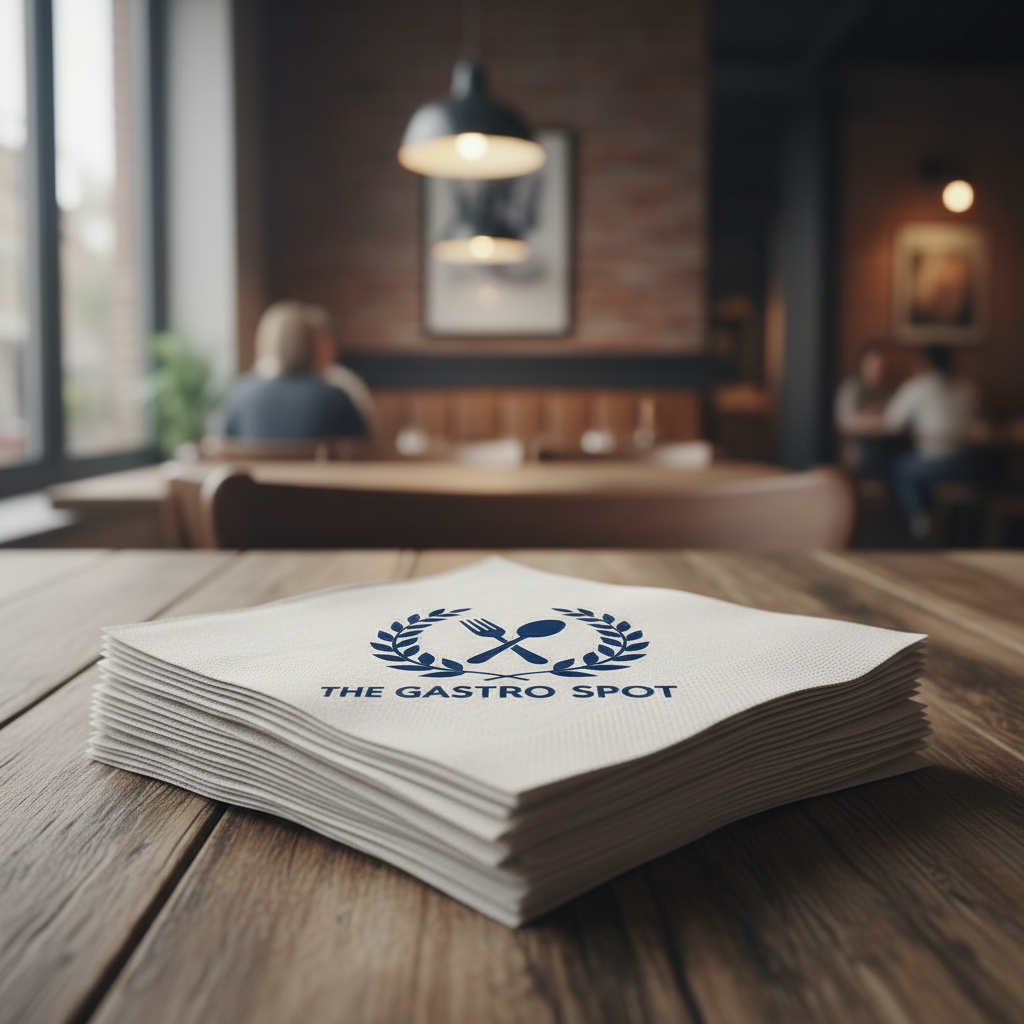
Custom printing transforms a utility item into a marketing asset. When ordering printed napkins, there are several technical considerations to discuss with your manufacturer.
Flexographic Printing
The most common method for high-volume napkin printing is flexography. It uses flexible relief plates and fast-drying inks. This process is efficient for large runs (e.g., 50,000+ units) and offers clean, sharp lines. It is ideal for logos and text patterns.
Food-Safe Inks
Since napkins come into direct contact with skin and mouth, the inks used must be food-grade and non-toxic. Water-based inks are the industry standard for safety and environmental compliance. They should not bleed when wet and must be free from heavy metals and harmful solvents. Always verify that your supplier adheres to relevant safety standards for food contact materials.
Color Matching (Pantone/CMYK)
Brand consistency is key. Manufacturers typically use the Pantone Matching System (PMS) to ensure the ink color matches your brand guidelines. However, printing on tissue paper is different from printing on glossy cardstock. The absorbency of the tissue can cause "dot gain," making colors appear slightly darker or more saturated. A knowledgeable supplier will adjust the artwork to compensate for this substrate behavior.
Embossing Options
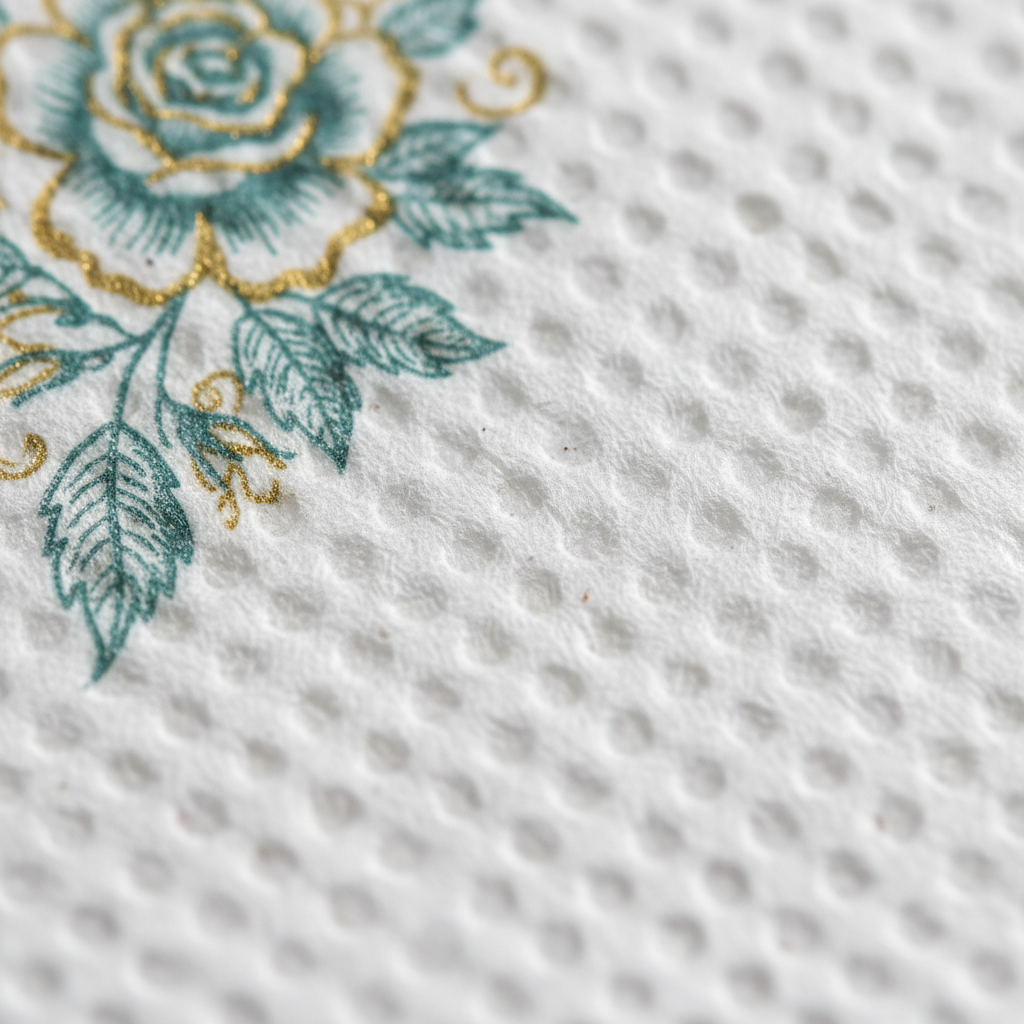
Embossing adds texture and bonds the plies together.
- Coin Edge / Border Emboss: A pattern is pressed only along the edges of the napkin, keeping the center flat. This provides a smooth surface for printing logos.
- Overall Emboss: The entire surface is textured. While this increases bulk and absorbency, it can make fine print details harder to read.
Selecting the Right Napkin for Your Use Case
Different operational models require different napkin strategies. Here is a breakdown by industry segment.
Quick Service Restaurants (QSR) & Fast Food
Priority: Speed, Cost, Volume.
Recommendation: 1-ply or economy 2-ply dispenser napkins. Interfold systems are highly recommended to control usage (one-at-a-time dispensing) and reduce waste. Custom printing on dispenser napkins is a cost-effective way to reinforce branding.
Cafes, Bakeries, and Coffee Shops
Priority: Aesthetics, Snack Handling.
Recommendation: 2-ply cocktail napkins (25cm). These are perfect for holding a pastry or resting a hot cup. The print quality should be high, as customers often look at these napkins closely while seated.
Fine Dining and Banquets
Priority: Luxury, Absorbency, Presentation.
Recommendation: Airlaid napkins or premium 3-ply dinner napkins (40cm+). These should have a substantial weight and often feature a 1/8 fold for elegant cutlery presentation. White or subtle colors are preferred to maintain sophistication.
Catering and Events
Priority: Versatility, Theme Alignment.
Recommendation: Depending on the event tier, options range from 2-ply colored napkins to match a wedding theme, to heavy-duty dinner napkins for buffet lines. Durability is crucial here, as guests often stand while eating.
Procurement and Logistics: Ordering in Bulk
Effective procurement requires planning for storage, lead times, and minimums. Understanding these logistics can prevent stockouts and overage charges.
Minimum Order Quantities (MOQs)
Custom printed napkins usually carry an MOQ due to the setup costs involved in making printing plates. MOQs can range from 30,000 to 100,000 pieces depending on the complexity and the manufacturer. Plain (unprinted) napkins typically have much lower MOQs and can be ordered by the case.
Lead Times
Production timelines for custom orders generally range from 2 to 5 weeks after artwork approval. This includes plate making, printing, cutting, and packaging. Shipping times must be added on top of this. It is advisable to start the ordering process well in advance of a grand opening or seasonal promotion.
Packaging and Storage
Napkins are bulky. A pallet of napkins takes up significant warehouse space. Check the case pack configuration (e.g., 20 packs of 100 napkins per case). Poly-wrapped inner packs protect the unused napkins from moisture and dust in the storage area, which is essential for hygiene.
Quality Control Checklist
When evaluating samples or inspecting a shipment, look for the following:
- Print Registration: Is the logo centered? Are the colors aligned without blurring?
- Adhesion (Ply Bonding): Do the layers separate too easily? Good embossing should keep the plies together during normal use.
- Odor: Food-grade napkins should be odorless. A strong chemical smell indicates poor quality ink or processing.
- Linting: Rub the napkin against a dark surface. Excessive dust or lint indicates lower quality fibers.
Step-by-Step Buying Guide
Ready to place an order? Follow this checklist to ensure you cover all specifications.
- Define the Application: Cocktail, Dinner, or Dispenser?
- Select Material & Ply: Virgin vs. Recycled, 1-ply vs. 2-ply vs. Airlaid.
- Determine Size & Fold: Measure your current dispenser or table setup.
- Prepare Artwork: Have vector files (AI or PDF) ready for custom printing.
- Estimate Volume: Calculate monthly usage to determine if you can meet MOQs for better pricing.
- Request Samples: Always test the texture and strength before committing to a large run.
- Verify Compliance: Ensure food safety certifications are in place.
- Plan Logistics: Confirm delivery capabilities and storage space.
Frequently Asked Questions (FAQ)
What is the difference between 2-ply and 3-ply napkins?
The difference lies in the number of tissue layers. 3-ply napkins have an additional layer, making them thicker, more absorbent, and more durable. They are typically used for dinner service, whereas 2-ply is common for luncheons and cocktails.
Can I print photos on napkins?
While possible with digital printing, most bulk napkins use flexographic printing which works best with solid colors and vector graphics (logos, text). complex photographic images may lose detail or appear grainy on the absorbent tissue surface.
Are custom printed napkins compostable?
Generally, yes, provided the tissue is biodegradable (which paper is) and the inks used are water-based and compostable. Always confirm with your manufacturer if you require certified compostable products.
How do I choose the right napkin size for a dispenser?
You must identify the model of your dispenser. The most common types are Tall Fold, Low Fold, and Interfold. Measure the folded size of your current napkin to match the specifications.
What is the typical shelf life of paper napkins?
If stored in a cool, dry place away from direct sunlight and moisture, paper napkins have an indefinite shelf life. However, over very long periods (years), the paper may yellow slightly or absorb ambient odors.
Why is there a setup fee for printed napkins?
The setup fee covers the creation of the photopolymer printing plates. Each color in your design requires a separate plate. This is a one-time cost, provided the design does not change for future reorders.
Conclusion
Selecting the right napkin is a balance of form and function. Whether you need a cost-effective solution for a high-traffic food court or a luxurious airlaid napkin for a wedding venue, understanding the technical specifications ensures you get the best value for your budget. Customization offers a powerful way to extend your brand experience right to the customer’s fingertips.
At YBJ Packing, we specialize in helping businesses find the perfect disposable tableware solutions. From material selection to custom design, our team is ready to support your procurement needs.
Ready to upgrade your food service packaging? Contact our team today to request a quote or get a sample of our premium napkin options.