

Introduction: The Thermal Demands on Modern Food Packaging
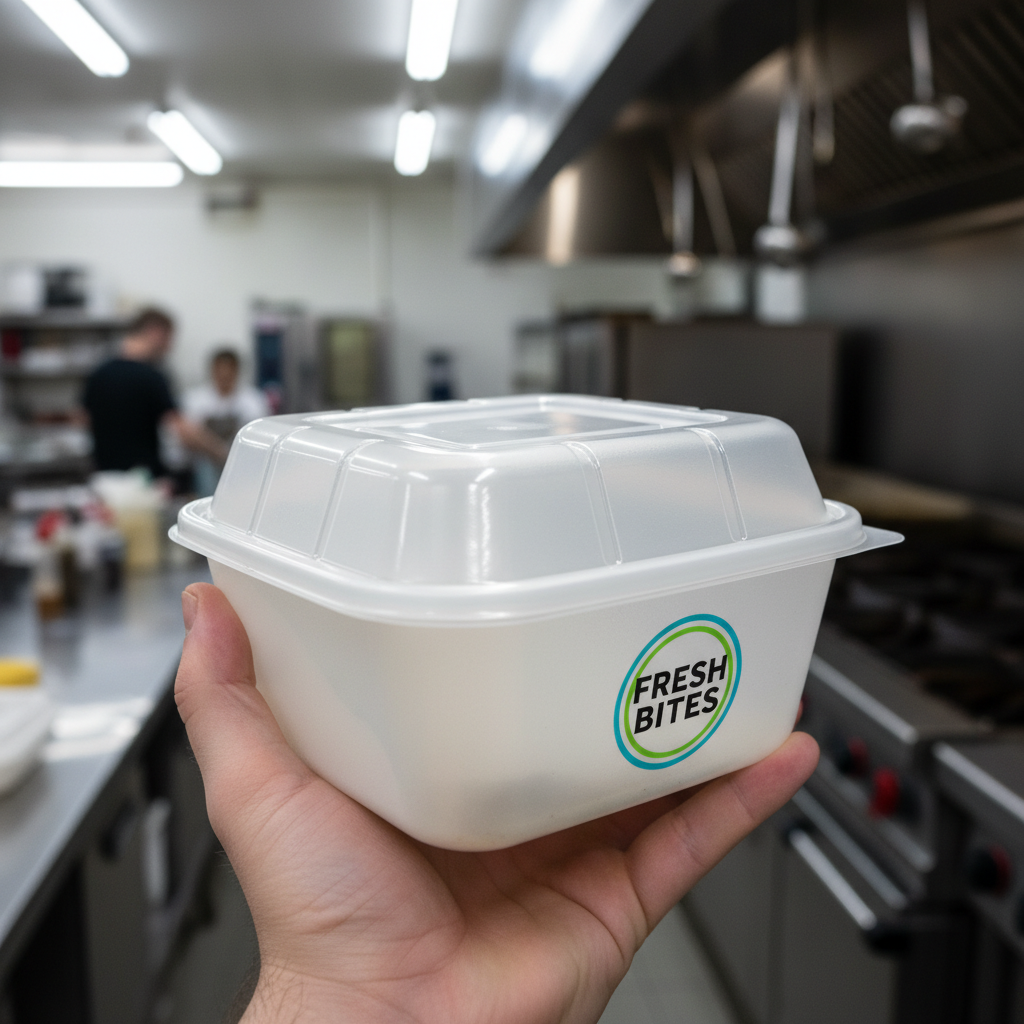
In the competitive landscape of food service and retail, packaging serves a dual purpose: it is a brand ambassador and a functional vessel. However, as consumer habits shift towards meal prepping, delivery, and reheating, the functional demands on takeout containers have escalated. It is no longer sufficient for a container to simply hold food; it must often withstand the extreme cold of a freezer, the rapid dielectric heating of a microwave, or the sustained convection heat of an oven.
For B2B buyers—ranging from restaurant chain procurement managers to food manufacturing engineers—selecting the right packaging material is a matter of safety, compliance, and customer satisfaction. A container that warps in the microwave, leaks in the freezer, or scorches in the oven can lead to product loss, liability issues, and brand damage.
This guide provides an in-depth technical analysis of microwave, oven, and freezer safety for takeout packaging. We will explore material properties, temperature tolerances, manufacturing considerations, and the critical questions buyers must ask to ensure their packaging meets the rigorous demands of the modern supply chain.
Defining the Temperature Spectrum: What “Safe” Really Means
Before selecting materials, buyers must define the “thermal profile” of their food product’s lifecycle. “Safe” is a relative term that encompasses three distinct factors:
- Structural Integrity: The package must not melt, warp, crack, or collapse under the specified temperature.
- Chemical Safety (Migration): The material must not leach harmful chemicals (monomers, plasticizers, or ink components) into the food when heated or cooled.
- Handling Safety: The exterior must remain safe to touch (or cool enough to handle) after heating, and lids must vent steam to prevent pressure buildup.
Temperature Ranges at a Glance
- Freezer Conditions: Typically -18°C to -40°C (-0°F to -40°F). Challenges include brittleness and seal failure.
- Microwave Conditions: Rapid heating to 100°C+ (212°F+), localized hot spots from fats/sugars reaching 160°C (320°F). Challenges include softening and chemical migration.
- Oven Conditions: Sustained heat from 180°C to 220°C (350°F to 425°F). Challenges include melting, ignition, and deformation.
Material Science: Selecting the Right Substrate
The core of thermal safety lies in the substrate. Below is a detailed comparison of common materials used in food containers and their thermal capabilities.
1. Polypropylene (PP)
Best For: Microwave reheating and hot fill.
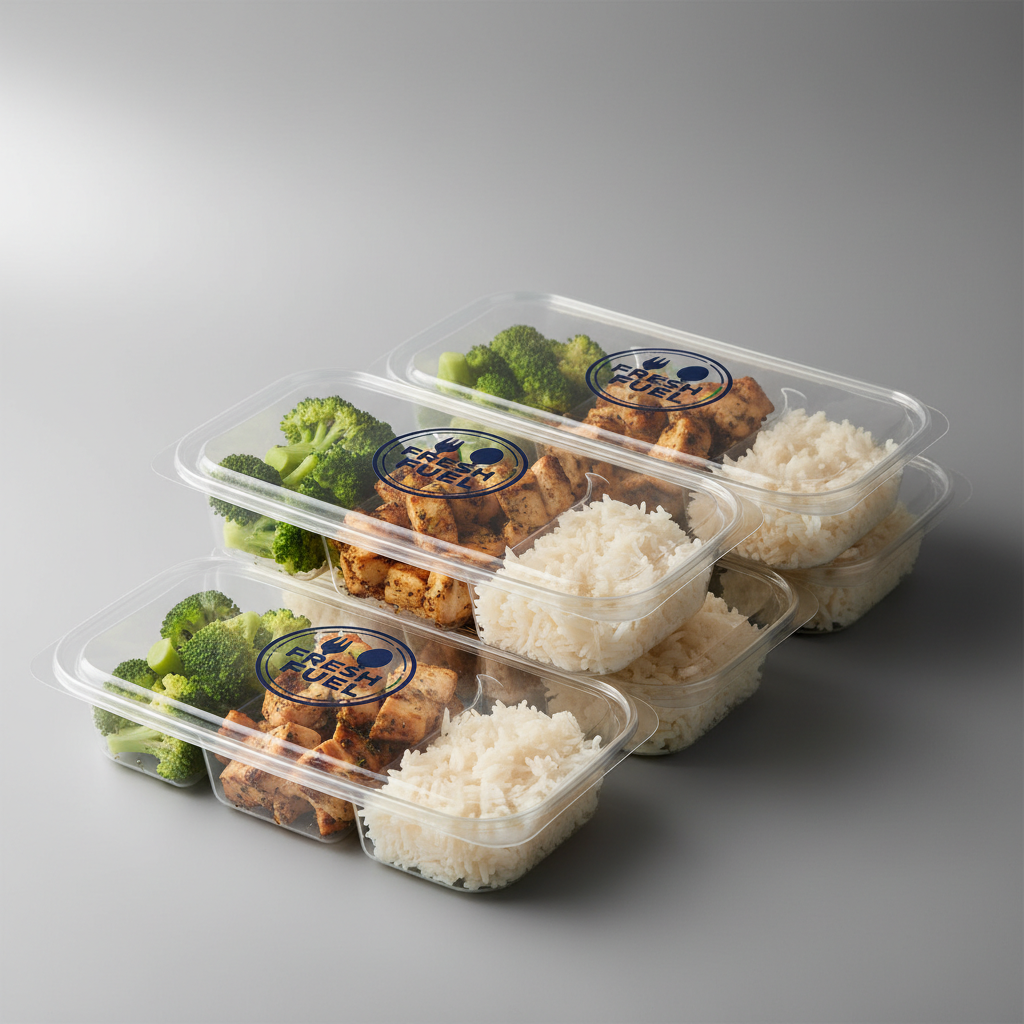
Polypropylene is the industry standard for microwave-safe takeout containers. It has a high melting point of approximately 160°C to 170°C (320°F to 338°F), which is well above the boiling point of water. This allows it to maintain rigidity when consumers reheat soups, curries, or pasta.
- Pros: Excellent chemical resistance, durable, recyclable (usually #5), and cost-effective.
- Cons: Not oven-safe (will melt). Becomes brittle at very low freezing temperatures unless impact modifiers are added (Copolymer PP).
- Buyer Note: Ensure the PP grade used is FDA/EU compliant for high-temperature applications to prevent additives from leaching.
2. Crystallized Polyethylene Terephthalate (CPET)
Best For: Dual-ovenable meals (Microwave and Conventional Oven).
CPET is a variation of standard PET that has been crystallized to increase its heat resistance. It can withstand temperatures up to roughly 220°C (428°F), making it the material of choice for ready meals that can go directly from the freezer to the oven.
- Pros: Wide temperature range (-40°C to 220°C), excellent barrier properties (oxygen/moisture), grease resistance.
- Cons: More expensive than PP; opaque (usually black or white), so product visibility is lower.
3. Aluminum Foil
Best For: Oven baking and high-heat retention.
Aluminum is the ultimate barrier material and heat conductor. It is perfect for lasagna, roasted meats, and bakery items.
- Pros: Infinite temperature tolerance (for cooking purposes), 100% barrier to light/oxygen, recyclable.
- Cons: generally not microwave safe (causes arcing/sparks) unless specifically designed shallow trays are used in modern microwaves (which is still a consumer risk). Not transparent.
4. Paperboard and Kraft Paper
Best For: Short-term heat retention, takeout delivery, and eco-conscious branding.
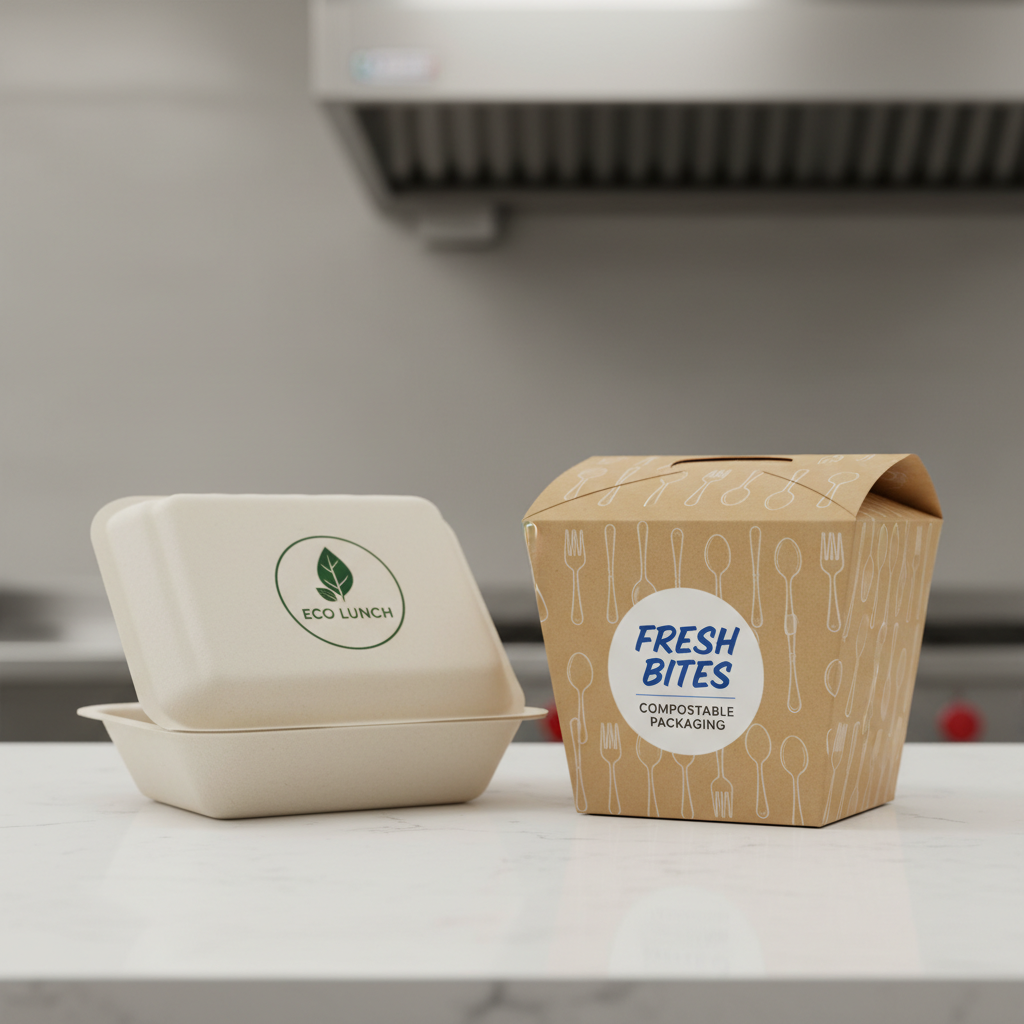
Paper itself burns, so its thermal safety depends entirely on its lining/coating. Buyers often source food packaging boxes made from Kraft paper for a natural look.
- PE (Polyethylene) Lining: Standard for coffee cups and takeout boxes. Microwave: Safe for short durations. Oven: Unsafe (lining melts).
- PLA (Polylactic Acid) Lining: Biodegradable. Microwave: Limited (low heat resistance, deforms above 40-50°C). Oven: Unsafe.
- Clay/Water-Based Coatings: Some specialized coatings allow paperboard to be oven-safe up to ~200°C for baking applications.
5. Bagasse (Sugarcane Fiber)
Best For: Eco-friendly disposable packaging.
Molded fiber is microwave safe and generally handles hot oils well up to 100°C. However, prolonged exposure to moisture can reduce structural integrity.
Deep Dive: Microwave Safety Considerations
Microwave safety is more complex than just “not melting.” When sourcing microwave-safe packaging, consider the phenomenon of dielectric heating. Microwaves agitate water molecules, creating heat from within the food. However, oils and sugars heat much faster and hotter than water, potentially exceeding the container’s thermal rating even if the water content is boiling.
Venting and Steam Release
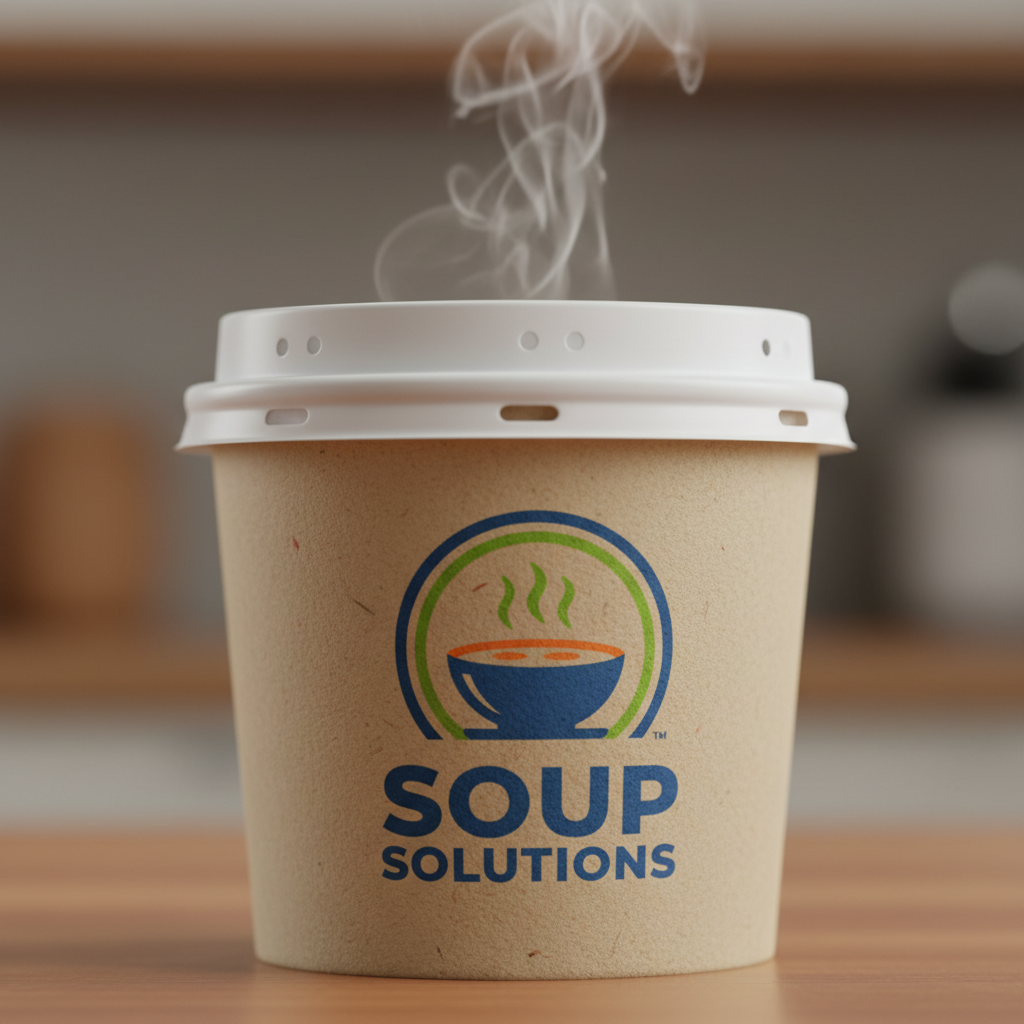
A critical specification for microwave-safe containers is the lid fitment. If a container is sealed too tightly, steam pressure can cause it to burst.
Requirement: Look for lids with pre-engineered vent holes or “loose-fit” designs that allow steam to escape while retaining heat during transport.
Leaching and Migration
At high temperatures, the molecular structure of plastics can relax, potentially allowing additives to migrate into food.
Checklist for Buyers:
1. Request “Overall Migration Limits” (OML) test reports.
2. Ensure inks used for custom printing are low-migration and heat-stable. Standard inks may off-gas or smear when heated.
Deep Dive: Oven Safety Considerations
“Oven-safe” usually implies compatibility with conventional convection ovens. This is a harsh environment requiring materials with high thermal stability.
The Risk of Ignition
For paper-based packaging, the flashpoint is a serious concern. While paper doesn’t melt, it can char or catch fire if it touches heating elements or if the temperature exceeds 230°C (450°F).
Design Tip: Oven-safe paper trays should be designed with rigid structures that do not warp or unfold, minimizing the risk of touching oven walls.
Rigidity Under Heat
Thermoplastics like CPET soften slightly before they melt. A tray loaded with 1kg of heavy food must maintain enough structural rigidity to be removed from the oven without collapsing and causing burns. Buyers should test the “hot strength” of samples.
Deep Dive: Freezer Safety Considerations
Freezing presents an entirely different set of physics. The primary enemy is brittleness.
Impact Resistance
Standard Polypropylene (Homopolymer) becomes like glass at freezing temperatures. If a frozen container is dropped during logistics or by a consumer, it may shatter.
Solution: Specify Impact Copolymer Polypropylene (ICP) or specialized additives that maintain flexibility at -20°C.
Moisture Barriers and Freezer Burn
Freezer burn is caused by dehydration and oxidation. Packaging must have a high Water Vapor Transmission Rate (WVTR) barrier.
Recommendation: For long-term freezer storage, consider vacuum-sealable food packaging bags made from multi-layer laminates (e.g., Nylon/PE) which offer superior puncture resistance and barrier properties compared to rigid containers.
Thermal Shock
The ultimate test is “Thermal Shock”—taking a container directly from the freezer (-18°C) to a microwave or oven (200°C). Materials like glass often shatter under this stress. CPET and high-grade paperboard are superior here because they can expand and contract without failing.
Customization and Printing on Heat-Resistant Packaging
Branding is essential, but heat affects print quality. When ordering custom-printed packaging from YBJ Packing, consider how the artwork interacts with temperature.
Ink Stability
Standard inks may discolor or release odors when heated.
Requirement: Specify “heat-resistant, food-grade inks” for any packaging intended for microwave or oven use. This ensures your logo remains vibrant and safe.
Placement
Avoid printing on the interior food-contact surfaces for heat-processed applications unless utilizing specific functional barriers. External printing is safer and industry standard.
Buying Guide: Specifications to Request
When contacting a manufacturer, vague requests lead to vague products. Use this checklist to get accurate quotes for safe packaging.
1. Define the Thermal Cycle
Do not just ask for “food containers.” Specify the lifecycle:
“We need a 750ml container for curry. It will be hot-filled at 85°C, flash-frozen to -20°C, and reheated by the consumer in a microwave for 3 minutes.”
2. Material Thickness (Gauge)
Thicker materials generally hold heat better and resist warping.
Typical range: 0.4mm to 0.8mm for disposable microwave containers. Thinner walls save money but risk deformation.
3. Certifications
Ask for compliance with relevant standards (e.g., FDA 21 CFR, EU No 10/2011) specifically regarding high-temperature use.
4. Sample Testing
Before committing to a high MOQ order, request samples. Perform your own “torture test”:
1. Freeze the sample with water inside.
2. Drop it from waist height (impact test).
3. Microwave it with oil/sugar-rich food (not just water).
4. Check for warping, staining, or odor.
Manufacturing and Quality Assurance
Reliable suppliers utilize specific manufacturing processes to ensure thermal safety.
- Thermoforming: Used for PP and CPET trays. Precision molds ensure consistent wall thickness, which is vital for even heating.
- Injection Molding: Creates sturdier, reusable-style containers with thicker rims and better lid seals.
- Lamination: For food packaging bags, layers of different plastics are bonded to combine strength (Nylon) with sealing (PE) and barrier (EVOH) properties.
FAQ: Common Questions on Packaging Safety
Can I use paper boxes in the oven?
Only if they are specifically coated with oven-safe materials (like PET or clay) and marked as such. Standard PE-lined paper boxes will melt and possibly char.
Is PLA microwave safe?
Generally, no. Standard PLA deforms at around 40-50°C. High-heat PLA (CPLA) exists but is opaque and more brittle. For microwave use, PP is usually the better choice.
What is the difference between PP and PET for takeout?
PET is clear and great for cold foods (salads, sushi) but melts in the microwave. PP is translucent (hazy) but heat-resistant. Never use standard PET for hot foods.
How do I know if my custom print is microwave safe?
You must confirm with your supplier that they use heat-stable, low-migration inks. If the ink smells when heated, it is likely not suitable.
Can aluminum containers be used in the microwave?
While some modern microwaves allow it under strict conditions, it is generally discouraged for takeout packaging due to the risk of consumer error and sparking. It is safer to stick to microwave-safe plastics or fiber.
Conclusion: Balancing Safety, Function, and Brand
Selecting the right packaging for microwave, oven, and freezer use is a technical decision that impacts customer safety and brand perception. Whether you require durable PP containers for meal prep delivery or elegant paper boxes for warm takeout, understanding the thermal limits of materials is key.
At YBJ Packing, we specialize in helping B2B buyers navigate these complexities. From custom-printed freezer-safe bags to heat-resistant rigid containers, we provide solutions tailored to your specific thermal cycles.
Ready to source safe, high-quality packaging?
- Explore our Food Packaging Boxes
- Check out our Food Containers
- Learn How to Order or Contact Us today for a custom quote and samples.