

The Strategic Intersection of Culinary Economics and Packaging Design
In the competitive landscape of the food service industry, the menu is not merely a list of dishes; it is a strategic tool designed to maximize profitability. This practice, known as menu engineering, categorizes items based on their popularity and profitability. However, as the industry shifts heavily towards off-premise dining—takeout, delivery, and catering—the physical presentation of these items often lags behind the culinary strategy. A high-margin steak or a premium sushi platter loses its value proposition if it arrives in a soggy, generic container.
For B2B buyers, restaurant operators, and procurement managers, aligning packaging procurement with menu engineering is a critical lever for protecting margins and enhancing brand equity. Packaging is no longer just a vessel; it is the final touchpoint of the culinary experience. This guide explores how to audit your packaging strategy against your menu matrix, ensuring that your investment in food packaging boxes and containers generates a tangible return on investment.
Understanding the Menu Matrix: A Packaging Perspective
Before selecting materials or printing techniques, it is essential to understand the four categories of menu engineering. Each category demands a distinct packaging strategy to optimize costs and customer satisfaction.
1. Stars: High Profitability, High Popularity
These are your signature items. Customers love them, and they drive your bottom line.
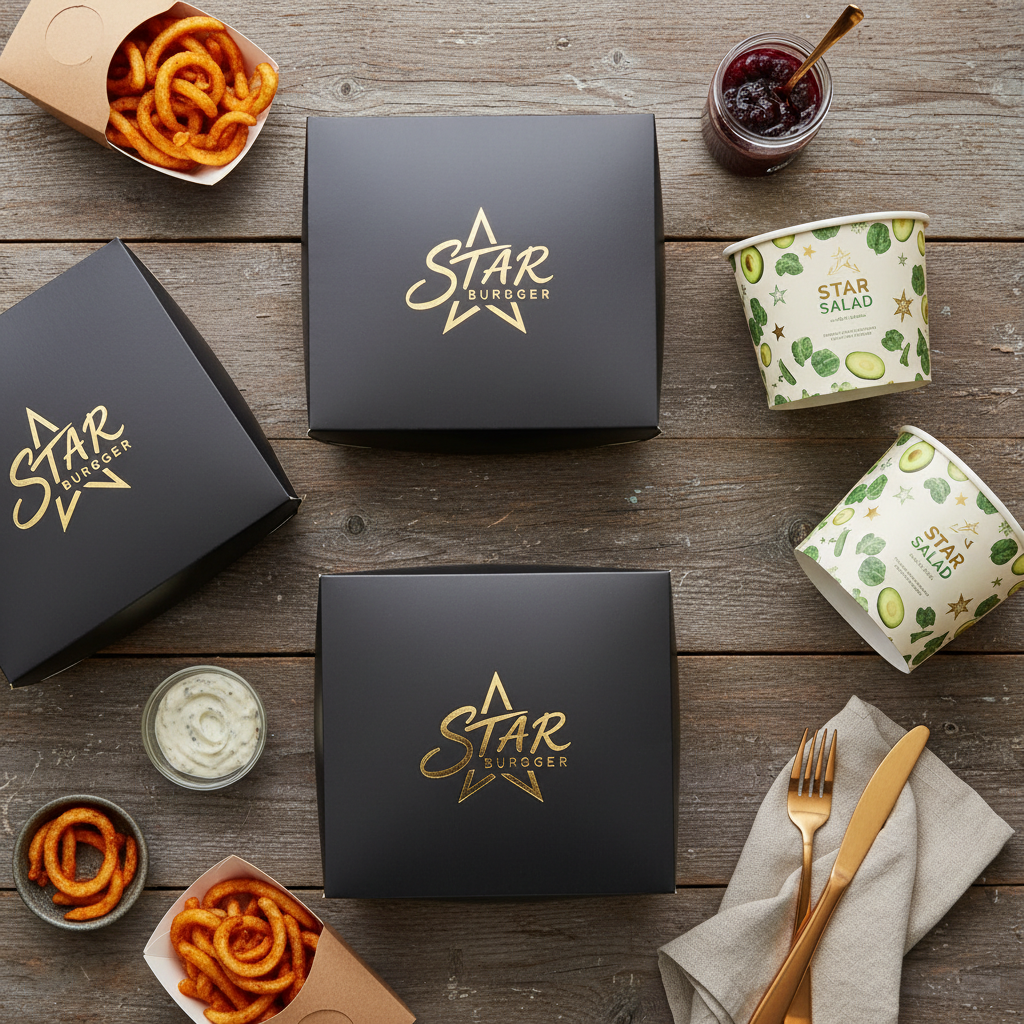
Packaging Strategy: Maximum investment. The packaging must reflect the premium nature of the item. Use rigid structures, high-quality printing, and functional features that preserve integrity.
2. Plowhorses: Low Profitability, High Popularity
These are staples like fries, basic burgers, or soups. They bring in volume but have tight margins.
Packaging Strategy: Efficiency and cost control. Focus on bulk purchasing, standard sizes, and minimal customization to keep unit costs low without sacrificing basic functionality.
3. Puzzles: High Profitability, Low Popularity
These items yield high margins but are hard to sell. They might be expensive to produce or niche in appeal.
Packaging Strategy: Marketing-focused. Use packaging to increase perceived value and encourage ordering. Unique shapes, window patching, or storytelling on the box can help convert a “maybe” into a purchase.
4. Dogs: Low Profitability, Low Popularity
These items are candidates for removal.
Packaging Strategy: Minimal viable product. Do not invest in custom tooling or specific inventory for these items. Use generic, multi-purpose packaging shared with Plowhorses.
Packaging “Stars”: Protecting Your Highest Margins
Your “Star” items are the financial backbone of your operation. When a customer orders a premium entrée for delivery, their expectation is identical to the dine-in experience. If the packaging fails, the perceived value drops, and you risk losing that high-margin repeat business.
Structural Integrity and Material Selection
For high-value items, flimsy paperboard is insufficient. You need materials that offer rigidity and thermal insulation.
- Corrugated Micro-Flute: For heavy items like gourmet burgers or loaded meals, E-flute or F-flute corrugated board provides excellent stacking strength and insulation. It prevents the “crush” factor during delivery stacking.
- Rigid Paperboard (SBS): Solid Bleached Sulfate (SBS) board offers a pristine white surface for high-quality printing and a stiffness that conveys luxury. It is ideal for premium bakery items or high-end boxed lunches.
- Ventilation Systems: A common failure for “Stars” like fried chicken or crisp pastries is sogginess. Engineered vents allow steam to escape while retaining heat. This is a technical specification that must be discussed with your supplier.
The Unboxing Experience as a Value Multiplier
For “Stars,” the unboxing is part of the price justification. Consider a custom food packaging box with a hinged lid and a locking tab. The tactile experience of opening a well-structured box mimics the unveiling of a gift. This psychological anchor justifies premium pricing.
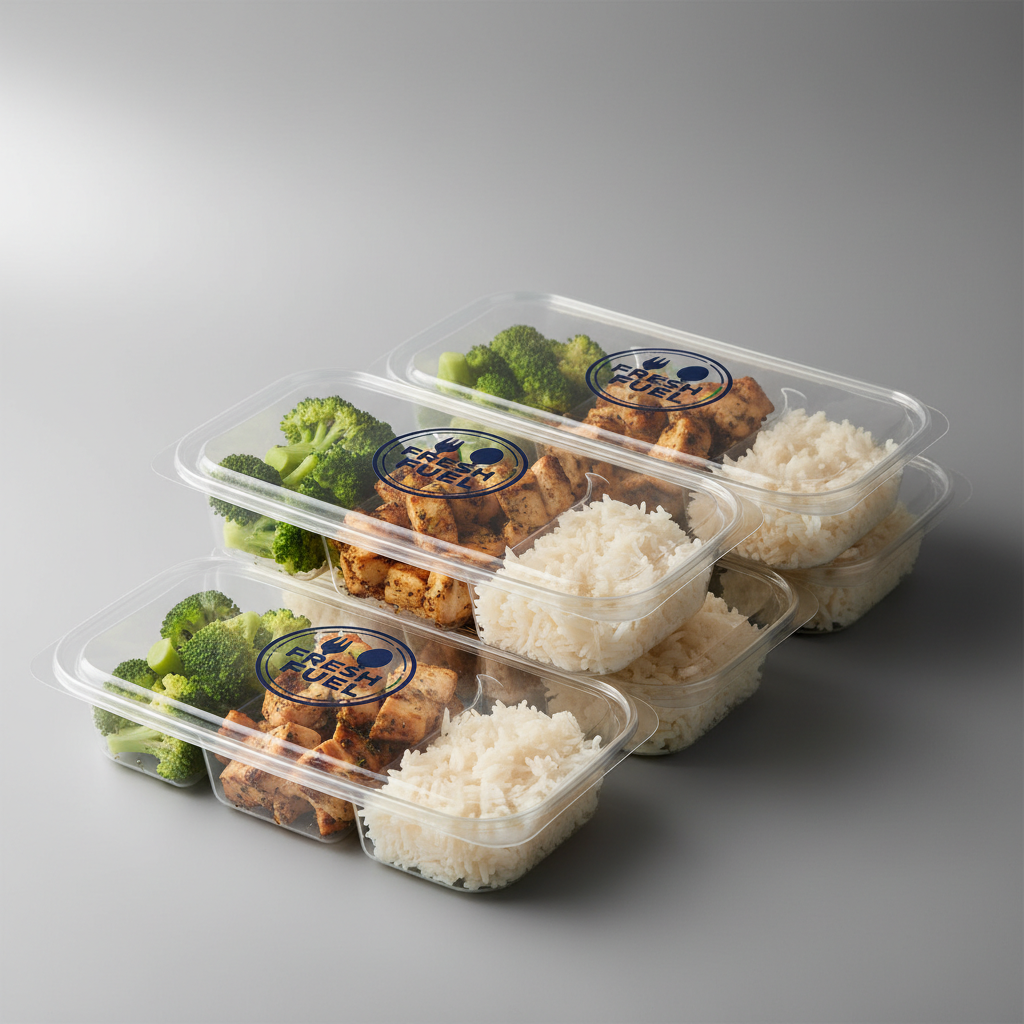
- Internal Compartments: Use inserts to separate sauces, sides, and mains. This prevents flavor migration and keeps the presentation neat.
- Branding Real Estate: Use the interior lid for brand storytelling. Explain the sourcing of ingredients or the chef’s inspiration. This reinforces why the customer paid a premium.
Revitalizing “Puzzles”: Using Packaging to Drive Sales
“Puzzles” are high-margin items that suffer from low order volume. Often, the barrier is that the customer doesn’t understand the value or the portion size. Packaging can bridge this gap, especially in grab-and-go environments or display counters.
Visibility is Key
If a customer cannot see the product, they are less likely to take a risk on a high-priced item.
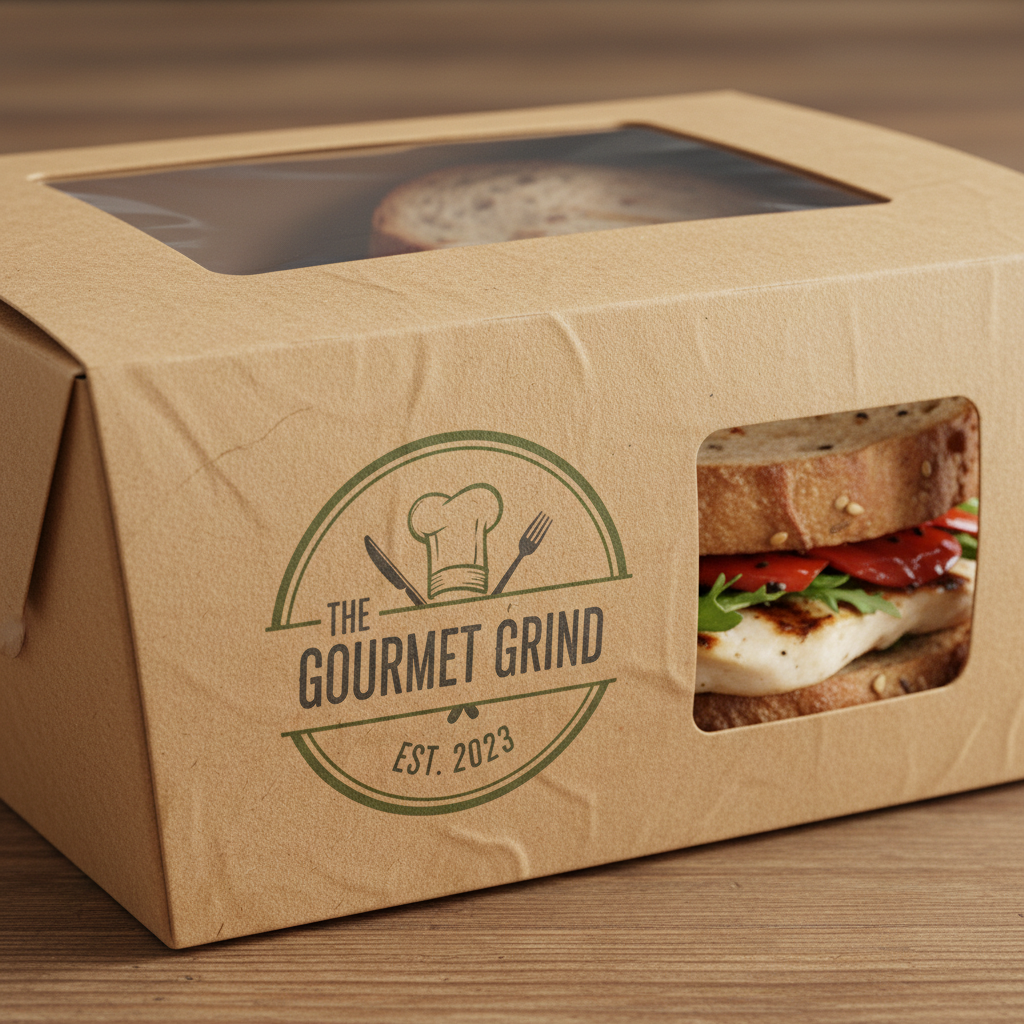
Solution: Window patching. A kraft box with a clear PET or PLA window allows the product’s visual appeal to do the selling. This is particularly effective for sushi, charcuterie, or artisan salads found in food containers.
Novelty and Differentiation
Sometimes, a “Puzzle” simply needs to stand out. Standard rectangular boxes blend into the background.
Solution: Unique form factors. A hexagonal box, a handle-top carry box, or a drawer-style sliding box can capture attention. While these require custom tooling, the high margin of the product may justify the upfront tooling cost if it drives volume.
Managing “Plowhorses”: Efficiency in High Volume
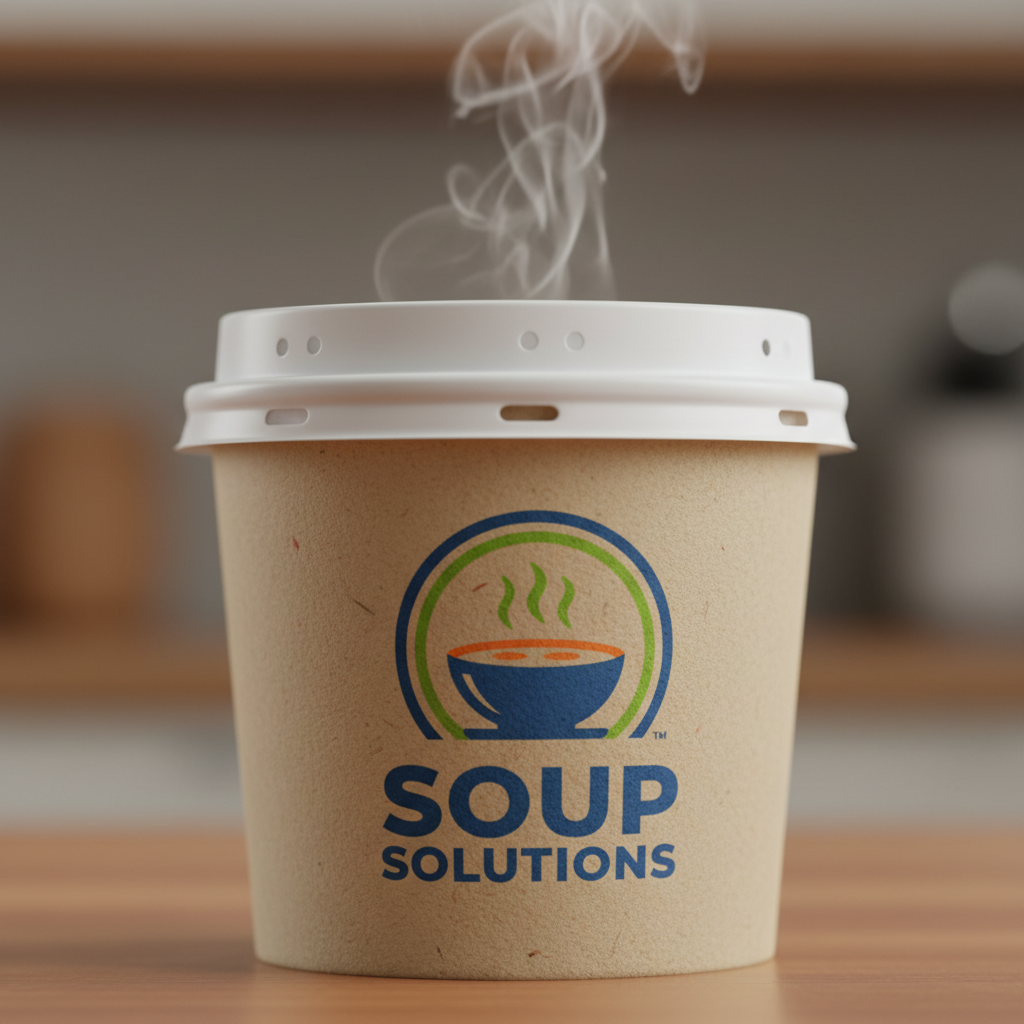
For high-volume, low-margin items, every cent on the unit cost matters. The goal here is functionality at the lowest possible price point. However, “cheap” should not mean “failure-prone.” A leaking soup container damages the brand regardless of the item’s price.
Standardization and Bulk Procurement
Instead of custom-sized boxes for every appetizer, audit your “Plowhorses” to find a common denominator. Can your fries, onion rings, and mozzarella sticks all fit in the same size scoop or bag?
Solution: Consolidate SKUs. Ordering 100,000 units of one size is significantly cheaper than ordering 20,000 units of five different sizes due to volume discounts and reduced setup times.
Flexible Packaging Options
Rigid boxes are expensive to ship and store. For durable items, switch to flexible packaging.
Solution: Food packaging bags are lightweight, space-efficient, and cost-effective. Grease-resistant paper bags are ideal for fried items, sandwiches, and bakery staples. They occupy a fraction of the warehouse space compared to erected boxes.
Technical Specifications for Food Packaging
When communicating with a supplier like YBJ Packing, precision in specifications prevents quality issues. B2B buyers should be familiar with the following technical parameters.
1. Paper Grades and Grammage
Paper thickness is often measured in GSM (grams per square meter) or caliper (points).
- Kraft Paper (Brown): Often perceived as eco-friendly. Ranges from 40gsm (light bags) to 300gsm+ (boxes). It has long fibers, making it tear-resistant.
- CCK (Clay Coated Kraft): Has a clay coating on one side for better printability while retaining the strength of kraft.
- Folding Box Board (FBB): Multi-ply board with a mechanical pulp center. It provides high stiffness with lower density, offering a good yield (more sheets per ton).
2. Barrier Coatings
Food packaging must resist grease, moisture, and heat.
- PE (Polyethylene) Coating: The industry standard for moisture and grease resistance. Common in coffee cups and noodle boxes. Note: Harder to recycle in standard streams.
- Aqueous Coating: A water-based coating that provides moderate grease resistance. It is often more eco-friendly but has lower tolerance for hot liquids compared to PE.
- PLA (Polylactic Acid): A biodegradable plastic derived from corn starch. Suitable for cold foods or warm foods up to a certain temperature, but can deform with extreme heat.
- Wax Coating: Traditional for grease resistance but increasingly replaced by modern polymers due to recycling difficulties.
3. Printing Technologies
The choice of print method affects cost and minimum order quantities (MOQs).
- Flexography: Best for high-volume, simple designs (logos, patterns) on bags and corrugated boxes. Uses flexible relief plates. Low unit cost, higher setup cost.
- Offset Lithography: The gold standard for high-quality, photographic imagery on folding cartons. Ideal for “Star” items where brand image is paramount.
- Digital Printing: Zero setup costs but high unit costs. Perfect for prototyping, limited time offers (LTOs), or testing packaging for “Puzzle” items before committing to a full run.
Sustainability: Balancing Perception and Performance
Modern menu engineering must account for the eco-conscious consumer. High-margin customers often demand sustainable packaging. However, “green” materials must still perform.
The Compostable Dilemma
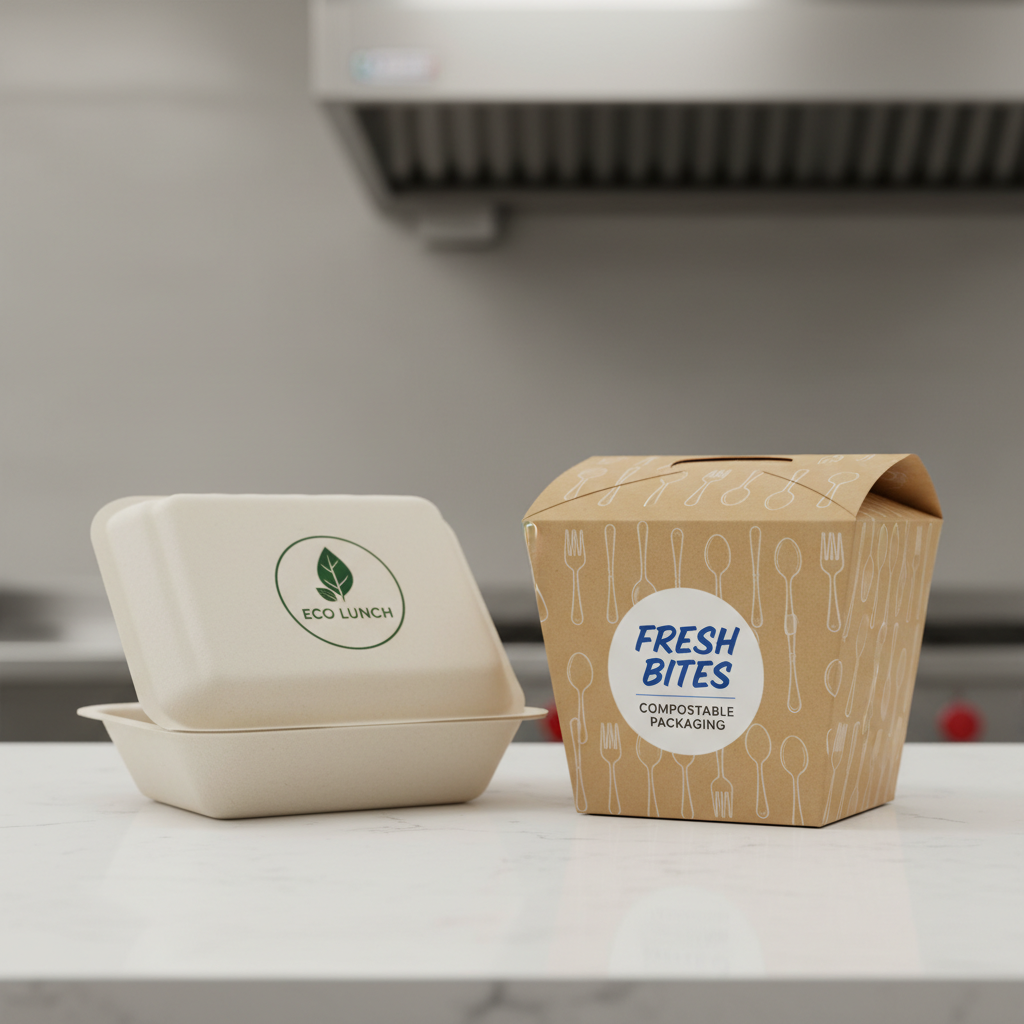
Compostable packaging (like bagasse or PLA-lined board) is excellent for brand image but requires specific disposal conditions. If you operate in a region with industrial composting access, this is a strong selling point. If not, recyclable options (clean paperboard) may be more practical.
Right-Sizing
The most sustainable action is reducing material usage. Engineering a box that fits the menu item snugly reduces material waste and prevents the product from sliding around during transport. This “right-sizing” also optimizes shipping volume, reducing your logistics carbon footprint.
Manufacturing and Quality Assurance
Selecting a vendor is about more than price; it is about consistency. When sourcing food packaging, inquire about the manufacturer’s QA processes.
Food Safety Compliance
Ensure the manufacturer adheres to relevant food contact safety standards (e.g., FDA, EU regulations, or local equivalents). The inks used must be food-safe and low-migration, especially for packaging where food directly touches the printed surface.
Tolerance and Fit
In automated packing lines, box dimensions must be precise. A variance of even 2mm can jam a machine. For manual assembly, boxes must fold easily without tearing. Ask for pre-production samples to test the “foldability” and closure mechanisms (e.g., tuck top vs. auto-bottom).
The Buying Guide: From Quote to Delivery
Navigating the procurement process requires preparation. Here is a checklist for engaging with a supplier.
1. Define Your Requirements
Before you contact us or request a quote, gather the following data:
- Dimensions: Length x Width x Depth (specify if internal or external).
- Menu Item Characteristics: Is it hot, cold, greasy, wet, or heavy?
- Volume: Estimated monthly usage.
- Artwork: Do you have vector files (AI, PDF) ready?
2. Understanding MOQs
Custom packaging requires Minimum Order Quantities.
– Digital/Stock with Sticker: Low MOQ (500–1,000 units). Good for testing.
– Custom Print (Flexo/Offset): Mid to High MOQ (5,000–30,000+ units). Best unit price.
3. Lead Times
Custom manufacturing takes time.
– Design & Approval: 3–7 days.
– Production: 15–30 days depending on complexity.
– Shipping: Variable based on air vs. sea freight.
Plan your “Seasonal” menu packaging at least 3 months in advance.
4. Sampling Strategy
Never commit to a full run without a sample.
– Plain Sample: Checks structure and size. Usually fast and cheap.
– Digital Proof: Checks artwork layout on screen.
– Production Sample: A physical printed sample. Expensive and slow, but necessary for critical color matching.
Optimizing Logistics and Storage
Packaging is voluminous. A common pitfall for restaurants is over-ordering without adequate storage space.
- Nesting vs. Flat-Pack: Rigid containers (like bowls) nest, but take up more air space than flat-packed folding cartons. Analyze your back-of-house storage capacity.
- Just-in-Time (JIT) Delivery: Discuss with your distributor or supplier if staggered deliveries are possible for large custom orders to ease cash flow and storage pressure.
Conclusion: The ROI of Strategic Packaging
Packaging is an operational cost, but it is also a marketing asset. By applying menu engineering principles to your packaging procurement, you allocate resources where they generate the most value. You spend more on the “Stars” to protect the brand and secure repeat orders, and you optimize the “Plowhorses” to maintain efficiency.
At YBJ Packing, we understand the nuances of food service requirements. Whether you need high-end custom boxes for your signature dishes or efficient bags for high-volume items, we can help you engineer a solution that fits your menu matrix.
Frequently Asked Questions (FAQs)
Q1: What is the minimum order quantity (MOQ) for custom printed food boxes?
MOQs vary by production method. For fully custom offset printed boxes, MOQs typically start around 3,000 to 5,000 units to ensure cost-effectiveness. Lower quantities may be available via digital printing but at a higher per-unit cost.
Q2: Can I use the same box for multiple menu items?
Yes, this is a recommended strategy for “Plowhorse” items. We can design a “universal” box size that fits multiple products (e.g., a burger, a sandwich, and a wrap) to consolidate inventory and reduce costs.
Q3: How do I know if a material is grease-resistant enough for my food?
We recommend testing. Request plain samples of materials with different coatings (PE, aqueous, or grease-proof papers) and perform a “hold-out” test with your actual food product for 30–60 minutes to check for spotting or leakage.
Q4: Do you offer eco-friendly alternatives to plastic coatings?
Yes, we offer water-based (aqueous) coatings and plastic-free paperboards that provide grease resistance while being easier to recycle or compost.
Q5: How do I start a custom order?
Visit our How to Order page for a step-by-step guide. You will need to provide dimensions, desired material, and artwork files to get an accurate quote.
Q6: What file formats do you need for printing?
We require vector-based files, such as Adobe Illustrator (.ai) or PDF formats, with fonts outlined and images embedded at high resolution (300dpi).
Ready to upgrade your packaging strategy?
Request a Quote / Get a Sample