

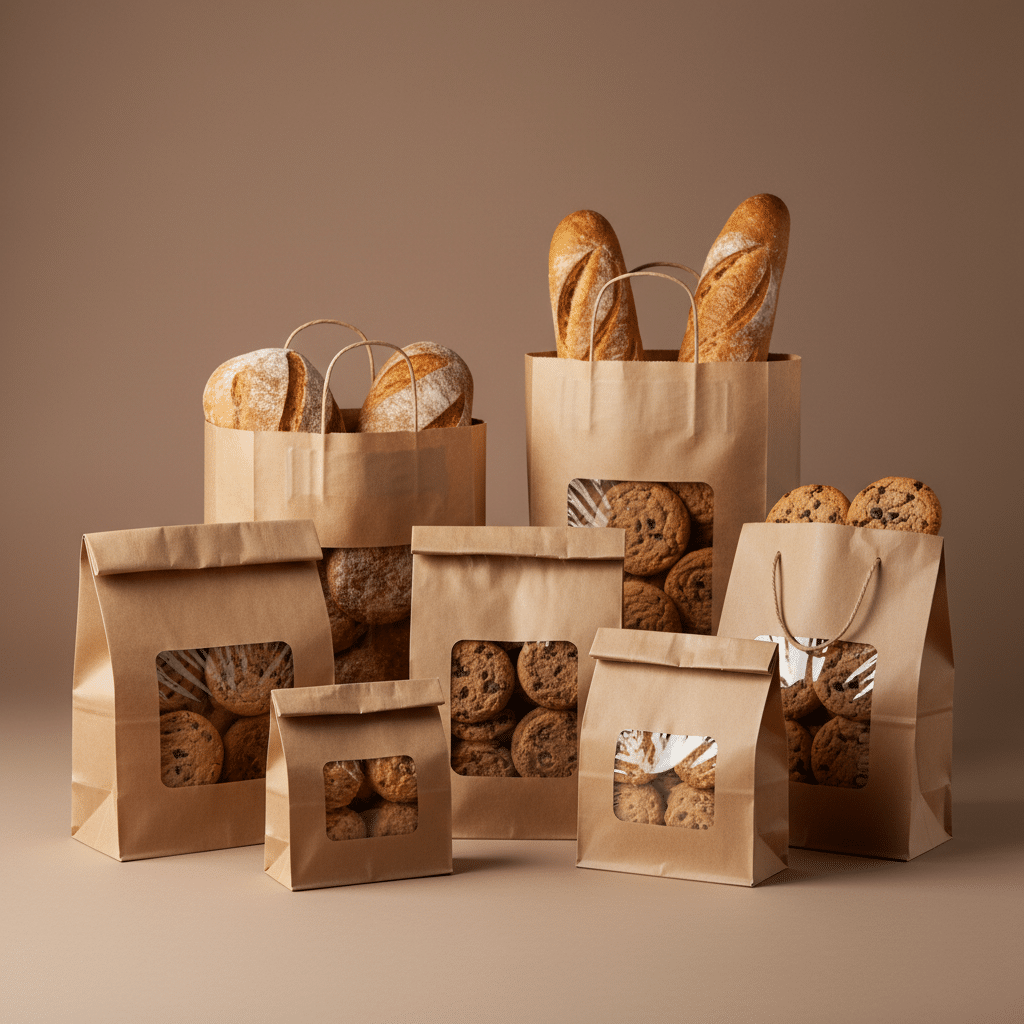
In the competitive retail bakery sector, packaging serves two distinct roles: protecting the product and selling it. While freshness and structural integrity are non-negotiable, the visual presentation of baked goods is often the deciding factor for consumers. Window paper bags have emerged as a standard solution for bridging the gap between product protection and visual merchandising.
For procurement managers and bakery owners, understanding the mechanics of product visibility—and how it influences impulse buying—is critical when selecting packaging specifications. This guide explores the strategic advantages of window paper bags, technical considerations for manufacturing, and how to leverage display packaging to drive revenue.
The Economics of Visibility: Why Windows Drive Sales
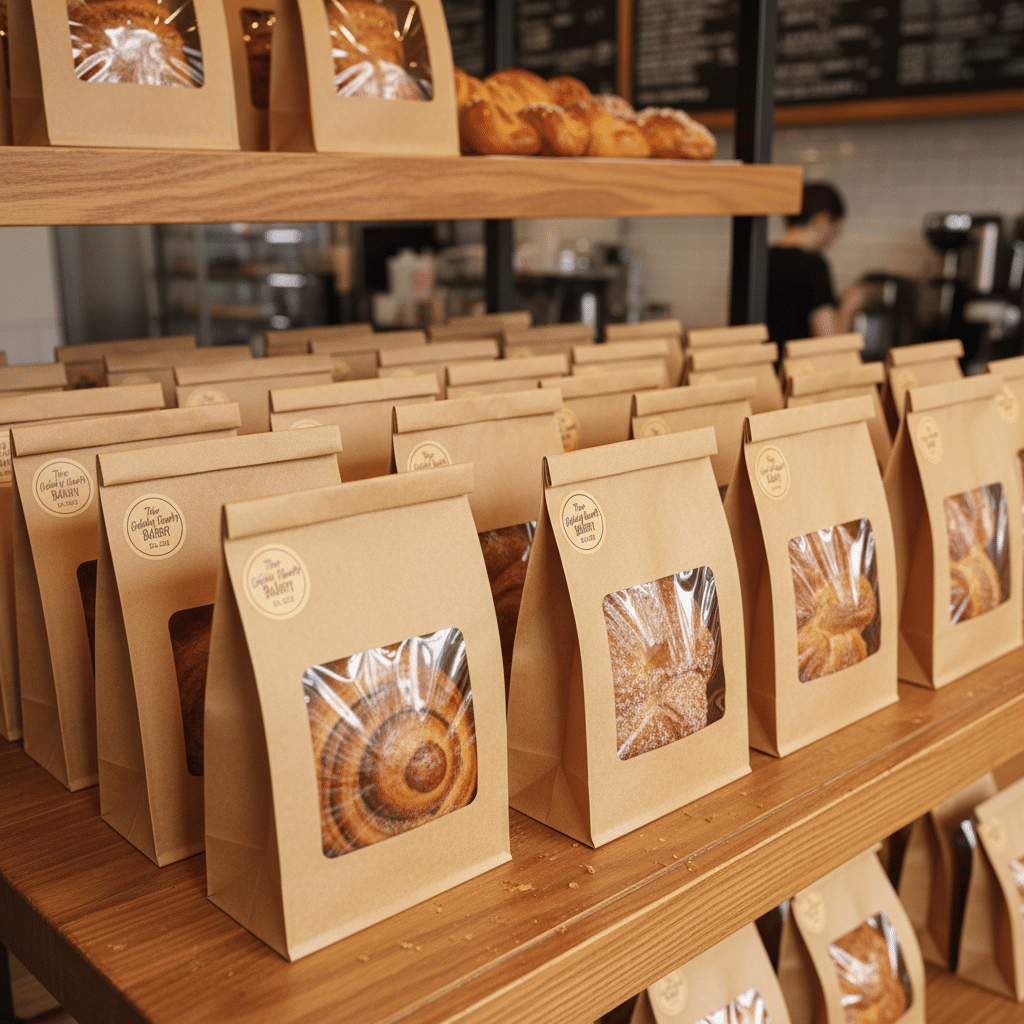
Retail studies consistently suggest that product visibility is a primary driver of impulse purchases, particularly in the food sector. Unlike dry goods where text descriptions suffice, bakery items rely on sensory appeal. A customer does not just want to read “Sourdough Loaf”; they want to see the crust, the texture, and the bake color.
Window paper bags capitalize on this by offering a direct view of the product while maintaining the structural benefits of paper packaging. This transparency builds trust. It confirms freshness and quality without requiring the customer to open the package, reducing handling and potential contamination.
The Psychology of the “Peek-a-Boo” Effect
A partial window creates a frame around the product. Psychologically, this framing effect can make the product appear more premium than a fully transparent plastic bag, which can sometimes look mass-produced or cheap. The combination of opaque paper (hiding crumbs or uneven bottoms) and a clear window (highlighting the best features) optimizes the visual presentation.
Aesthetic Appeal: Kraft Paper Meets Clear Film
The material combination of Kraft paper and clear film is not merely functional; it communicates a specific brand identity.
- Natural Kraft (Brown): Associated with organic ingredients, artisanal processes, and sustainability. It provides a rustic backdrop that makes golden-brown crusts and colorful pastries pop.
- Bleached Kraft (White): Offers a cleaner, more modern canvas for vibrant logo printing and sharp branding.
When these materials are paired with high-clarity window films (typically OPP, PET, or commercially compostable PLA), the result is packaging that feels substantial in the hand but remains visually accessible on the shelf.
Technical Specifications and Material Options
Choosing the right window bag requires attention to technical details to ensure the bag performs well in a retail environment.
Paper Weight and GSM
For standard bread and pastry bags, paper thickness is measured in GSM (Grams per Square Meter). A higher GSM ensures the bag holds its shape on the shelf, which is crucial for maintaining the window’s visibility. If the paper is too thin, the bag may crumple, obscuring the view and making the product look unappealing.
Lining and Grease Resistance
Bakery products often have high butter or oil content. A standard paper bag will absorb this grease, leading to unsightly spotting that ruins shelf appeal. High-quality window bags typically feature:
- PE (Polyethylene) Coating: A thin inner layer that prevents grease migration and helps keep bread fresh by retaining moisture.
- Greaseproof Paper: Paper treated during manufacturing to resist oil penetration without a plastic coating (though less effective for long shelf life).
Closure Systems: Tin Ties vs. Stickers
Tin tie bags are a popular variant in this category. The integrated metal strip allows for easy resealing. This adds value for the end consumer, who can keep the product fresh at home, and allows retailers to pre-pack items securely without needing heat sealers.
Manufacturing and Customization Considerations
When ordering window paper bags wholesale, customization is key to differentiation. The manufacturing process involves die-cutting the paper reel to create the window aperture before the film is glued in place.
Window Placement and Shape
The window does not have to be a standard rectangle. Die-cut windows can be customized to specific shapes or placed strategically to hide empty headspace in the bag.
- Strip Windows: Run the full length of the bag for maximum visibility.
- Center Cut-outs: Focus attention on the center of the product.
- Side Gusset Windows: Allow visibility from multiple angles on a crowded shelf.
Printing and Branding
Flexographic printing is the standard for paper bags, allowing for up to 4-6 colors. Because the paper is absorbent, water-based inks are typically used. For brands requiring high-definition imagery, ensuring the paper stock is smooth (calendered) is essential for print clarity.
Buying Guide for Wholesale Buyers
Procuring packaging for bakery chains or distribution requires balancing cost, storage, and lead times. Here are key factors to consider:
| Factor | Consideration |
|---|---|
| MOQ (Minimum Order Quantity) | Custom sizes and prints usually require higher MOQs (e.g., 10,000+ units) to offset setup costs. Stock sizes have lower thresholds. |
| Lead Times | Allow 3-5 weeks for custom production, especially if new printing plates or die-cut molds are needed. |
| Storage | Paper is sensitive to humidity. Ensure your warehouse conditions are dry to prevent warping or mold. |
Frequently Asked Questions (FAQ)
Q: Can window paper bags be heat sealed?
Yes, if the bag is lined with a heat-sealable material like PE or certain bioplastics. Standard paper without a coating cannot be heat sealed.
Q: Are the windows biodegradable?
Standard windows are made from plastic (OPP/PET) and must be removed for recycling. However, PLA (polylactic acid) windows are available for commercially compostable requirements.
Q: Do tin ties affect the recyclability of the bag?
Tin ties are metal and must be removed before the paper bag can be recycled. Some regions accept them if separated, but check local regulations.
Q: What is the best bag style for baguettes?
Long, narrow window bags with micro-perforations are ideal for baguettes. The perforations allow steam to escape, keeping the crust crispy while the window shows the bake.
Conclusion
Switching to window paper bags is a strategic move for bakeries looking to increase shelf velocity. By combining the rustic appeal of Kraft paper with the transparency of clear film, brands can protect their goods while enticing customers through visual appetite appeal. Whether you need tin-tie closures for functionality or custom die-cut windows for branding, the right packaging partner can help you optimize your specifications.
Ready to enhance your bakery display? Contact YBJ Packing today to request a quote or get a sample of our premium window paper bags tailored to your brand.