

Introduction to High-Performance Frozen Dessert Packaging
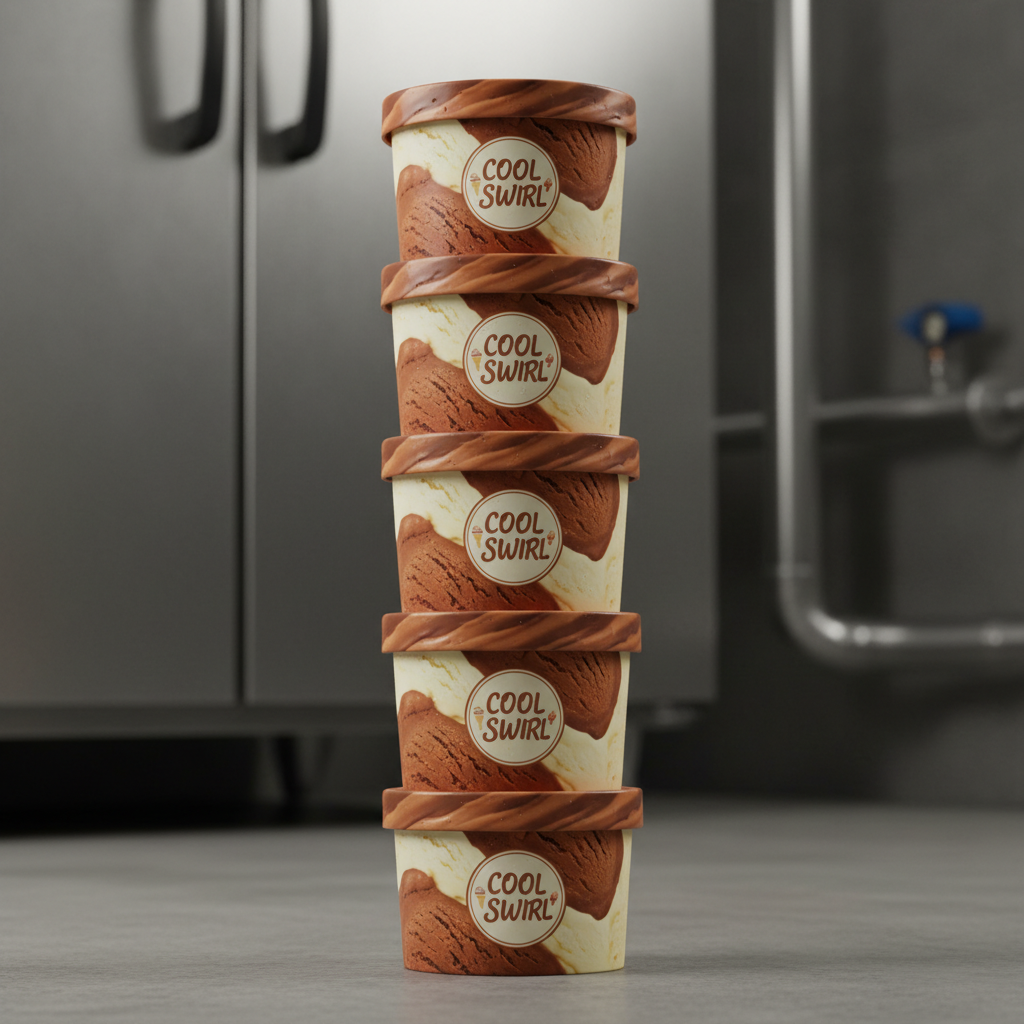
In the competitive frozen dessert industry, the quality of your product is only as good as the container it arrives in. For procurement officers and brand owners, selecting the right ice cream containers is a balance between thermal performance, structural integrity, and brand presentation. Frozen products face unique challenges: extreme temperature fluctuations, moisture from condensation, and the physical stress of high-speed filling lines.
This guide examines the technical specifications of frozen dessert packaging, focusing on how materials and design choices impact insulation, leak control, and lid security. Whether you are sourcing for a boutique gelato brand or a large-scale industrial creamery, understanding these factors is essential for reducing waste and maintaining product quality from the factory to the consumer’s freezer.
Material Science: Beyond Standard Paper Bowls
The foundation of any high-quality frozen dessert container is the substrate. While many food containers look similar, their performance under sub-zero temperatures varies significantly based on the paperboard grade and coating application.
Solid Bleached Sulfate (SBS) vs. Kraft Paper
Most premium ice cream containers utilize Solid Bleached Sulfate (SBS) paperboard. SBS is preferred for its superior brightness and smoothness, which provides an excellent surface for high-resolution printing. For brands seeking a more “organic” or “natural” aesthetic, Kraft paper is an alternative, though it requires specific ink formulations to ensure colors remain vibrant against the darker background.
The Role of Polyethylene (PE) Coatings
Standard paper containers are often single-PE coated (on the inside). However, for frozen desserts, Double PE (DPE) coating is the industry standard.
- Internal Coating: Prevents the moisture in the ice cream from softening the paper fibers, which would lead to a “soggy” container.
- External Coating: Protects the container from condensation. When a container is removed from a freezer into a humid environment, moisture forms on the outside. Without an external PE layer, this moisture would penetrate the paper, causing the walls to lose rigidity and the printed graphics to blur.
For companies looking for sustainable alternatives, aqueous coatings or PLA (polylactic acid) linings are becoming more common. However, these must be tested rigorously for their “barrier properties” against fats and oils, which are prevalent in high-butterfat premium ice creams.
Insulation and Thermal Dynamics
Insulation in frozen dessert packaging serves two purposes: keeping the product frozen during transport and preventing the consumer’s hands from becoming uncomfortably cold. While paper is a natural insulator, the thickness (GSM – Grams per Square Meter) of the board plays a critical role.
Wall Thickness and Density
Typical paper bowls for frozen applications range from 230gsm to 350gsm.
- Small Formats (4oz – 8oz): Usually utilize 230-280gsm. The smaller circumference provides inherent structural strength.
- Large Formats (16oz – 32oz/Pints and Quarts): Require 300-350gsm to prevent the walls from bowing under the weight of the product during the filling and freezing process.
In some high-end applications, double-wall construction is used. This creates an air gap between two layers of paperboard, significantly increasing the insulation value. This is particularly useful for “to-go” gelato or soft-serve products where the consumer eats directly from the container while walking.
Engineering Leakproof Cups: The Mechanics of Seams and Bases
A primary failure point in leakproof cups is the bottom seal. If the base of the container is not properly fused to the side walls, the expansion of the product during freezing can cause micro-cracks or seam separation.
Heat Sealing and Ultrasonic Welding
During manufacturing at a facility like YBJ Packing, the PE coating acts as the adhesive. High-heat rollers or ultrasonic welders melt the PE layers together at the side seam and the bottom rim. A “deep-skirt” bottom design is often used in food containers for frozen goods, providing more surface area for the seal and increasing the container’s resistance to vertical pressure.
Rim Integrity
The top rim (or “brim”) must be perfectly circular and tightly rolled. An uneven rim leads to gaps between the lid and the cup, which allows air to enter. This air exposure causes “freezer burn”—the sublimation of ice crystals that ruins the texture of the dessert. When sourcing ice cream containers, ensure the manufacturer uses high-precision forming machines that guarantee a consistent rim diameter within a +/- 0.5mm tolerance.
Lid Selection: Functionality and Fitment
The lid is as important as the cup itself. In the B2B space, there are three primary lid types used for frozen desserts:
1. Paper Lids with Vents
Commonly seen on pint containers, these are made from the same DPE-coated paperboard as the cup. They often feature two small vent holes. These vents allow air to escape during the high-speed automated lidding process, preventing the “piston effect” where trapped air pressure pops the lid off before it can be secured. These holes are small enough that they do not significantly contribute to freezer burn.
2. Plastic Dome and Flat Lids
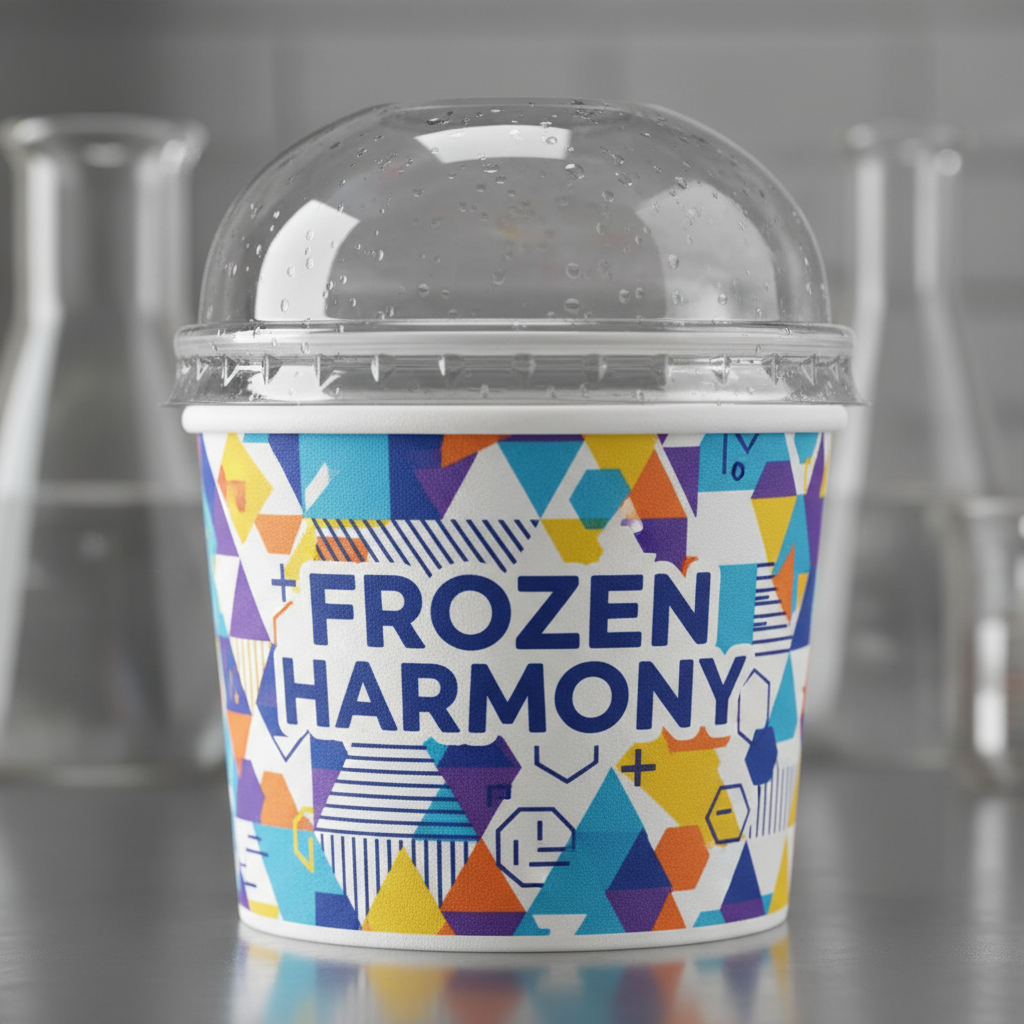
Usually made from PET or PP, these are used for immediate consumption products (like sundaes). PET offers high clarity, allowing the consumer to see the toppings, while PP is more flexible and resistant to cracking at very low temperatures. For bulk transport, these might be placed inside a food packaging box to prevent cracking during palletization.
3. Friction-Fit vs. Snap-On
Friction-fit lids rely on the precision of the cup’s rim to stay in place. Snap-on lids have a recessed groove that “locks” onto the rim. For products that will be handled frequently by consumers in retail freezers, a snap-on lid provides a higher level of security against accidental opening.
Customization and Branding in the Freezer Aisle
Frozen dessert packaging is a high-visibility marketing tool. Because the products are stored in glass-front freezers, the side walls of the container must communicate the brand identity clearly.
Printing Techniques
- Offset Printing: Ideal for high-volume orders (MOQs of 30,000+). It offers the highest detail and color consistency.
- Flexographic Printing: Better for simpler designs and larger production runs. It is cost-effective but may not capture the fine gradients of complex food photography as well as offset.
- Digital Printing: Suitable for short runs or seasonal flavors, though the unit cost is higher.
Finishing Options
To differentiate a premium product, consider specialized finishes:
- Matte Finish: Provides a sophisticated, “soft-touch” feel and reduces glare from freezer lights.
- Spot UV: Adds a glossy highlight to specific areas, like a brand logo or a featured ingredient.
- Gold/Silver Foiling: Used for luxury or limited-edition lines, though it is important to ensure the foil is compatible with recycling streams if sustainability is a brand pillar.
Manufacturing Quality and Testing Standards
Reliable food containers must undergo rigorous testing to ensure they perform in real-world conditions. When evaluating a supplier, ask about their Quality Assurance (QA) protocols.
Pressure and Leak Testing
Samples from each production batch should be filled with a liquid simulant and subjected to a vacuum test. This simulates the pressure changes that occur during air transport and ensures the seams remain intact. Additionally, a “dye penetration test” can identify microscopic leaks in the bottom seal that might not be visible to the naked eye.
Compression Testing
Because containers are stacked in warehouses and retail displays, they must withstand significant vertical pressure. A compression test measures the “load-bearing capacity” of the cup before the walls buckle. This is especially important if you are using a lightweight food packaging bag for secondary distribution, as the primary container must provide all the structural support.
Procurement Guide: Ordering Custom Ice Cream Containers
Navigating the transition from a standard product to a custom-branded container involves several steps. Understanding the timeline and requirements can prevent delays in your product launch.
1. Specification Definition
Determine the volume (ml or oz), the dimensions (top diameter, bottom diameter, and height), and the material weight (gsm). If you are using automated filling equipment, provide the machine specifications to ensure the containers are “denestable” (they won’t stick together when being pulled by the machine arm).
2. Artwork Preparation
Because ice cream containers are tapered (wider at the top than the bottom), artwork must be “warped” to appear straight when printed on a flat sheet and then formed into a cone. Most manufacturers provide a template (die-line) for your designers. Failure to use the correct template will result in distorted logos and text.
3. Sampling and Prototyping
Before a full production run, request a physical sample. This allows you to test the lid fitment and the actual color reproduction. At YBJ Packing, we recommend a pre-production sample for any new design to ensure the final product meets your expectations. You can learn more about this on our how to order page.
4. Lead Times and Logistics
Typical lead times for custom-printed frozen dessert packaging range from 15 to 30 days after artwork approval, depending on the complexity and quantity. Shipping via sea freight adds another 20-40 days depending on the destination. Factor these timelines into your seasonal production schedule.
Sustainability in Frozen Packaging
The industry is moving away from traditional plastic-heavy packaging. However, the “frozen” requirement makes this difficult.
- Recyclability: While DPE-coated paper is technically recyclable, many municipal facilities cannot process the plastic lining. Brands are increasingly looking for “certified compostable” options using PLA or water-based barriers.
- Material Reduction: Engineering stronger paperboard allows for thinner walls without sacrificing integrity, reducing the overall carbon footprint of the packaging.
Common Pitfalls to Avoid
In our experience working with international buyers, these are the most frequent mistakes made during the procurement process:
- Ignoring Condensation: Choosing single-PE coating to save costs often leads to collapsed containers in the retail freezer. Always opt for Double PE for frozen goods.
- Incorrect Lid Sizing: Assuming a 95mm lid from one manufacturer will fit a 95mm cup from another. Tapers and rim thicknesses vary; always source cups and lids from the same supplier.
- Poor Storage Conditions: Storing paper containers in high-humidity warehouses before they are used can weaken the paper fibers, leading to failures on the filling line.
Frequently Asked Questions (FAQ)
What is the minimum order quantity (MOQ) for custom-printed ice cream cups?
For most custom-printed ice cream containers, the MOQ typically starts at 10,000 to 30,000 units per size/design. This is due to the setup time required for offset or flexographic printing presses.
Can these containers be used for hot foods as well?
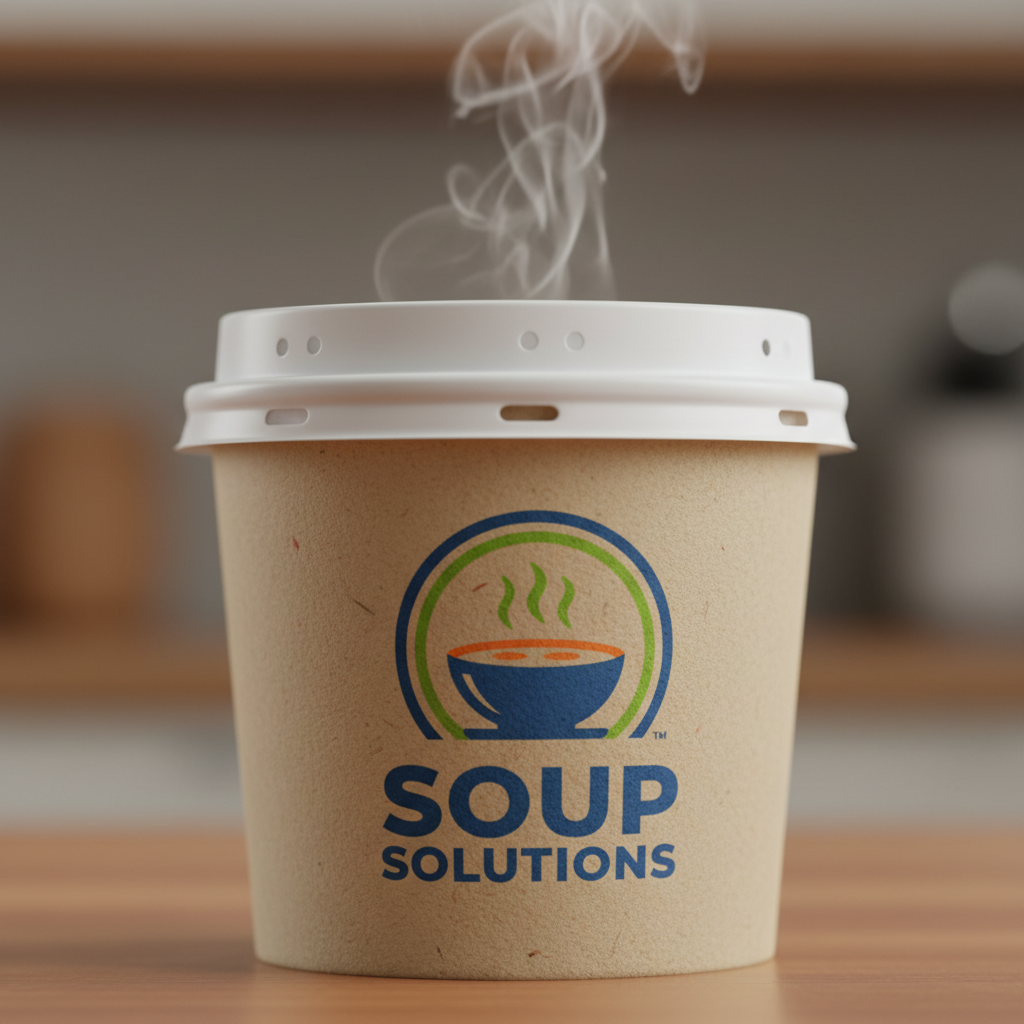
While DPE-coated paper bowls are excellent for cold products, they are also suitable for warm foods. However, for boiling liquids like soup, a specific “hot food” grade paperboard is recommended to ensure the adhesive doesn’t soften.
Are the inks used in printing food-safe?
Yes, professional manufacturers use food-grade, low-migration inks. These inks are designed not to penetrate the paperboard and are safe for indirect contact with food products.
How do I ensure the lids won’t pop off during shipping?
Ensuring a proper rim roll and choosing the correct lid type (like a snap-on lid) is key. Additionally, using a properly sized food packaging box for shipping prevents the containers from being squeezed, which is a common cause of lids popping off.
Do you offer biodegradable or compostable options?
Yes, we can produce containers using PLA (corn-starch based) linings or aqueous coatings that are more environmentally friendly than traditional PE linings. Please contact us for specific material certifications.
What is the difference between a “dry” and “wet” frozen environment?
A “dry” frozen environment is a typical industrial blast freezer. A “wet” environment occurs during the defrost cycle or in open retail bunkers where humidity is high. Frozen dessert packaging must be designed for the “wet” environment to ensure long-term stability.
Conclusion
Selecting the right ice cream containers is a technical decision that impacts your brand’s reputation and bottom line. By focusing on high-quality DPE-coated paperboard, precision-engineered leakproof seams, and secure-fitting lids, you can ensure your product remains in perfect condition from production to the consumer’s spoon.
If you are looking for a reliable partner to manufacture your custom frozen dessert packaging, YBJ Packing offers the expertise and production capacity to meet your needs. Whether you need paper bowls, food containers, or secondary packaging solutions, we are here to help.
Ready to upgrade your packaging?
Request a quote / Get a sample today to see the quality of our printed containers firsthand.