

Introduction to Professional Ice Cream Packaging
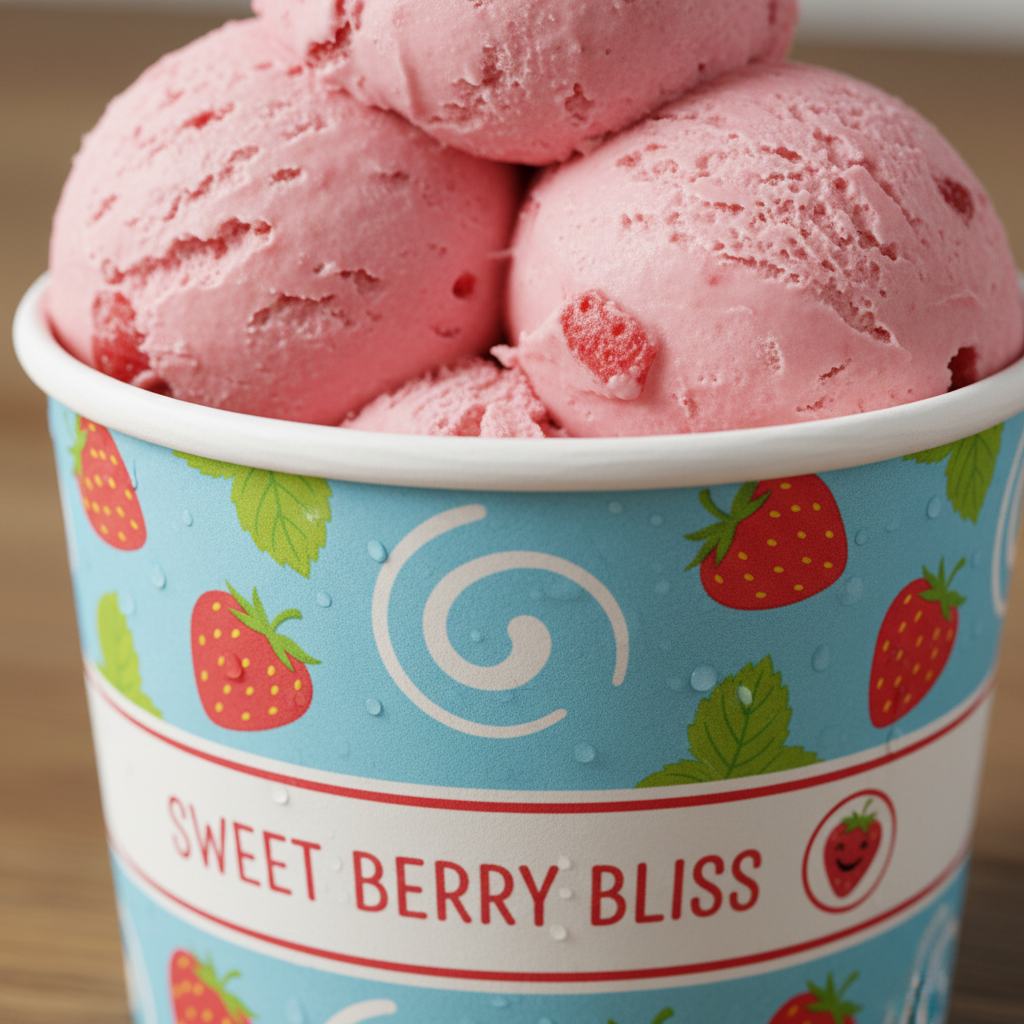
In the competitive world of frozen desserts, packaging serves two critical roles: protecting the product’s integrity during the cold chain and acting as a primary marketing vehicle on the shelf. For B2B buyers—ranging from artisanal gelato shops to large-scale ice cream manufacturers—selecting the right ice cream containers is a technical decision involving material science, supply chain logistics, and brand strategy.
Ice cream presents unique challenges compared to other food products. The packaging must withstand deep-freeze temperatures (often below -20°C) without becoming brittle, resist moisture penetration from condensation during temperature fluctuations, and maintain structural rigidity to prevent crushing during transport. Furthermore, the print quality must remain vibrant despite exposure to frost and moisture.
This guide provides a comprehensive overview for procurement officers, brand owners, and operations managers. We will explore material specifications, standard sizing, customization options, and the critical factors that ensure your product reaches the consumer in perfect condition.
1. Material Specifications: The Foundation of Quality
The structural integrity of an ice cream cup or tub depends heavily on the base paperboard and the barrier coatings applied. Unlike hot cups, cold containers must manage moisture from both the inside (the product) and the outside (condensation).
Base Paperboard (GSM)
The thickness of the paperboard is measured in Grams per Square Meter (GSM). For frozen desserts, a higher GSM is typically required compared to dry food packaging to prevent the container from softening.
- Small Cups (3oz – 5oz): Typically use 210–230 GSM paperboard. These are designed for immediate consumption.
- Medium/Pint Containers (12oz – 16oz): Often require 250–300 GSM. Pints need to withstand the pressure of stacking in retail freezers.
- Large Tubs (32oz+): Require heavy-duty board, often 300–350 GSM or double-wall construction, to hold the weight of the dense product without buckling.
Barrier Coatings: PE vs. PLA vs. Aqueous
Raw paper is porous and will absorb liquid, leading to leaks and structural failure. A barrier coating is mandatory.
- Double PE (Polyethylene) Coating: The industry standard for ice cream. While hot cups often only need a single internal coating, ice cream containers usually benefit from double coating (inside and outside). The external coating protects the paper from condensation that forms when the cold container meets warmer air, preventing the cup from getting soggy.
- PLA (Polylactic Acid): A bioplastic derived from renewable resources like corn starch. It offers similar moisture resistance to PE but is industrially compostable. It is an excellent choice for brands targeting eco-conscious consumers, though it may have different temperature tolerances and cost structures.
- Aqueous Coating: A water-based coating that is increasingly popular for its repulpability. However, buyers must verify its performance in deep-freeze conditions with their supplier, as not all aqueous coatings are rated for long-term freezer storage.
2. Standard Sizes and Capacities
Standardization helps in sourcing compatible lids and fitting into retail shelving systems. However, “ounces” can be ambiguous. It is vital to distinguish between fluid ounces, weight ounces, and flush-fill capacity.
Common Industry Sizes
| Size Description | Typical Capacity (oz) | Primary Use Case |
|---|---|---|
| Sample Cup | 3 oz – 4 oz | Tasting events, small kids’ scoops. |
| Single Scoop | 5 oz – 6 oz | Standard serving for ice cream shops. |
| Double Scoop | 8 oz – 10 oz | Larger portions, sundaes with toppings. |
| Retail Pint | 16 oz (473ml) | The standard retail size for supermarket shelves. |
| Family Tub | 32 oz (Quart) | Bulk retail sales. |
Lid Compatibility
Choosing the right lid is as important as the cup itself. Lids must fit the rim diameter (e.g., 90mm, 98mm) perfectly to prevent freezer burn.
- Paper Lids: Offer a seamless brand look (printable) and are preferred for retail pints. They often feature a “skirt” that overlaps the cup rim for added security.
- Plastic Dome Lids (PET/PP): Ideal for scoop shops serving sundaes where the topping extends above the rim. These are generally not used for sealed retail packaging.
- Flat Plastic Lids: A cost-effective option for takeout, allowing stacking while providing visibility of the product.
3. Customization and Printing Technologies
For B2B buyers, branding is a primary driver for custom orders. The printing method affects cost, lead time, and visual quality. When ordering food containers, understanding these processes is key.
Offset vs. Flexographic Printing
- Flexographic (Flexo): Ideal for simple designs (logos, patterns) and high-volume runs. It is cost-efficient but may struggle with complex gradients or photo-realistic images.
- Offset Printing: The premium choice for retail packaging. It allows for high-definition images, intricate details, and smoother gradients. If your design includes photography of the ice cream ingredients, offset is usually required.
Color Management
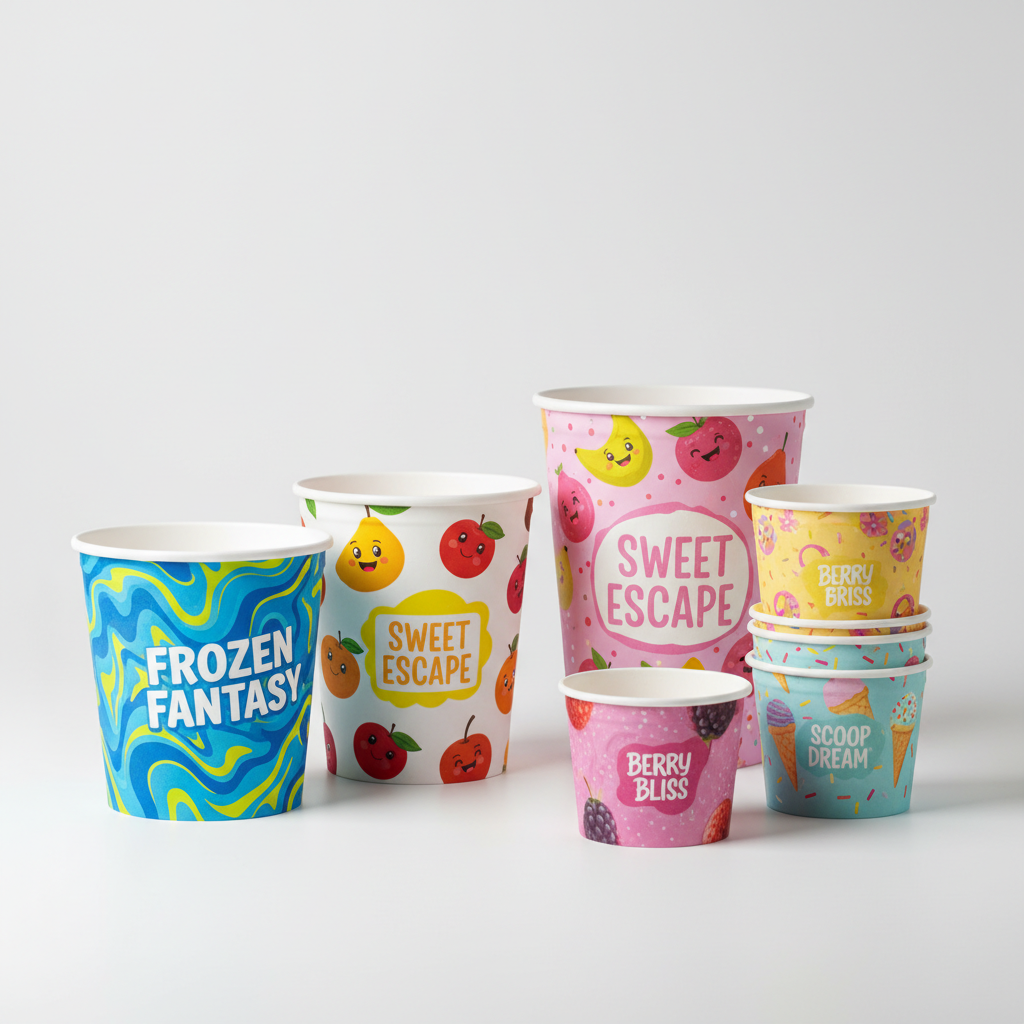
Ice cream packaging often uses bright, saturated colors to stand out in a freezer aisle. Ensure your manufacturer supports CMYK (full color) or specific Pantone (PMS) matching if your brand requires exact color consistency. Always request a physical proof, as colors can shift on different paper textures.
Finishes and Effects
- Gloss Lamination: Enhances color vibrancy and provides a shiny, reflective look. It also adds a layer of moisture protection.
- Matte Finish: Offers a premium, organic, or artisanal feel. It is increasingly popular for luxury gelato brands.
- Gold/Silver Stamping: Foil stamping can be added for ultra-premium lines, though this increases production cost and lead time.
4. Technical Performance and Quality Assurance
Before placing a large order, verify the technical specifications to avoid product failure.
Freezer Grade Testing
Not all paper cups are freezer safe. Standard paper cups may crack or delaminate at -20°C. Confirm that the adhesive used for the side seam and bottom disc is rated for deep-freeze environments.
Leak Resistance
The bottom seal is the most vulnerable point. High-quality manufacturing uses precision heat sealing to bond the PE coating of the bottom disc to the cup wall. Ask suppliers about their QA process—do they perform random leak tests with dyed liquid?
Rim Rolling
A tightly rolled rim contributes to the cup’s stiffness. A loose rim can cause the cup to deform when held, leading to spills. The rim stiffness is also crucial if you use automated filling and lidding machines, which require precise tolerances to operate without jamming.
5. Buying Guide: How to Order Efficiently
Navigating the procurement process requires attention to logistics and volume.
Minimum Order Quantity (MOQ)
Custom printing typically requires a higher MOQ than stock white containers due to machine setup costs.
- Stock Items: Low MOQs (often by the case). Good for testing or small operations.
- Custom Print: MOQs can range from 10,000 to 50,000 units depending on the factory and printing method.
Lead Times
Production timelines vary by season. The months leading up to summer (spring) are peak season for ice cream packaging manufacturers. It is advisable to order 2–3 months in advance of your peak sales period. Standard lead times for custom orders might range from 4 to 8 weeks, excluding shipping.
Artwork Preparation
To speed up the process, have your design files ready in vector format (AI or PDF). Your supplier should provide a die-line template. Ensure all text is outlined and images are embedded at high resolution (300 DPI minimum).
If you are ready to explore options or need guidance on sizing, visit our how to order page to understand the workflow.
6. Sustainability in Ice Cream Packaging
Consumer demand for sustainable packaging is reshaping the industry. While PE-lined cups are standard, alternatives are gaining traction.
- FSC-Certified Paper: Ensures the wood pulp comes from responsibly managed forests.
- Compostable Options: PLA-lined cups are compostable in industrial facilities. However, ensure your local waste management infrastructure supports this before making it a primary selling point.
- Recyclability: Traditional PE-lined cups can be recycled, but only in facilities equipped to separate the plastic lining from the paper. Clear labeling on the cup helps educate consumers on proper disposal.
7. Common Use Cases and Recommendations
Artisanal Gelato Shops
Recommendation: 5oz and 8oz cups with custom printing. Matte finish often aligns well with the “handmade” aesthetic. Use dome lids if serving immediately with toppings.
Retail CPG Brands
Recommendation: 16oz (Pint) heavy-duty cups with matching paper lids. Full-color offset printing is essential for shelf appeal. Double PE coating is mandatory to survive distribution chains.
Food Service & Catering
Recommendation: Bulk tubs (gallons or 2.5 gallons) are standard, but for individual catering portions, 4oz cups with flat tabs (lids with a pull tab) are efficient for quick service.
Frequently Asked Questions (FAQ)
1. Can I use hot soup cups for ice cream?
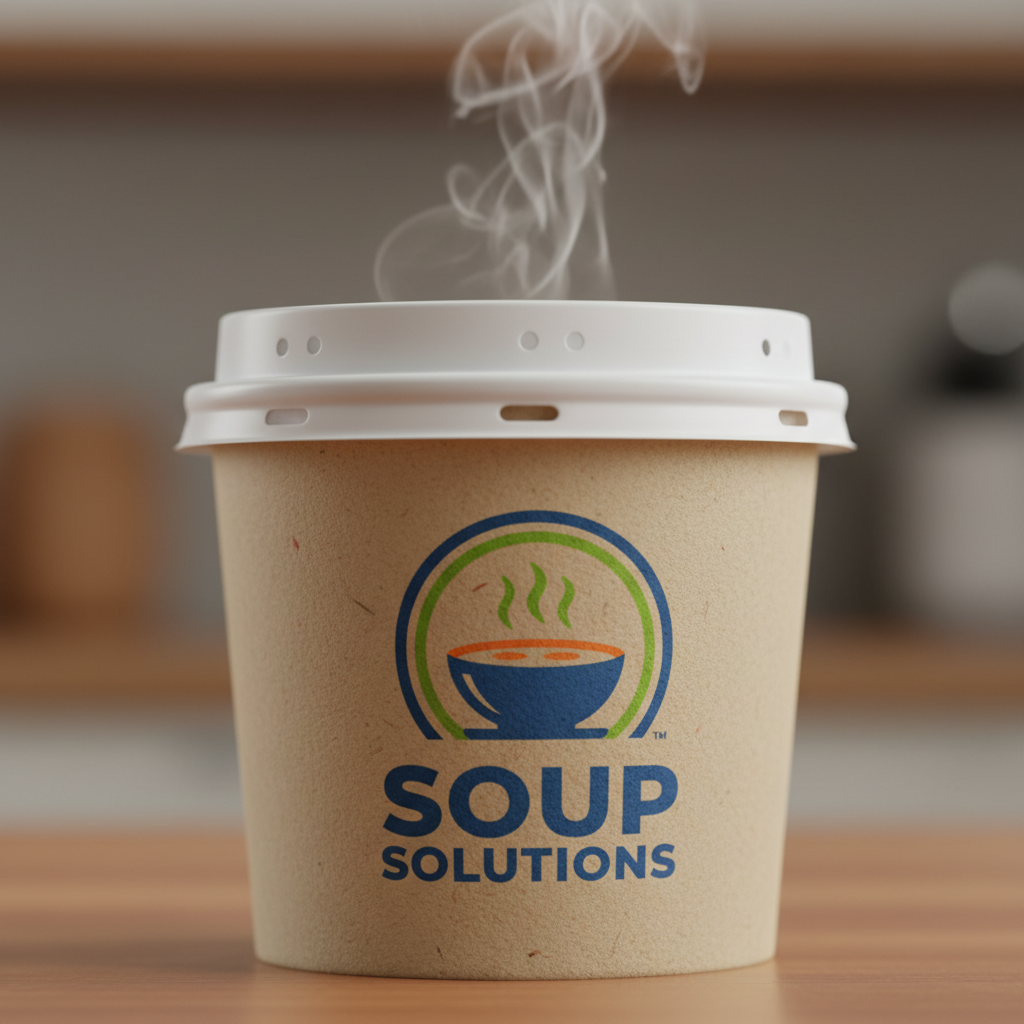
Generally, no. Hot cups are designed to keep heat in and often only have an internal coating. Ice cream cups need protection from external condensation, often requiring a double coating (inside and out) to prevent the paper from getting soggy in the freezer.
2. What is the difference between a “flush fill” and “practical fill”?
Flush fill is the volume when liquid reaches the absolute brim of the cup. Practical fill is the usable volume, usually slightly less, to allow for a lid to be seated without spillage. Always verify which measurement is being quoted.
3. Do you offer custom printing for small runs?
Custom printing usually requires a minimum run to be cost-effective. However, for smaller quantities, some businesses use stickers or stamps on stock white cups until their volume justifies direct printing.
4. Are the lids sold separately?
Yes, lids are typically sold separately because one cup size might have multiple lid options (flat, dome, paper, plastic). Ensure you order matching diameters (e.g., a 90mm lid for a 90mm cup).
5. How should I store the empty cups?
Store paper cups in a cool, dry place away from direct sunlight and moisture. Extreme humidity in a warehouse can affect the paperboard’s shape, potentially causing jamming in automated dispensers.
6. Is PLA coating freezer-safe?
Yes, PLA is suitable for frozen applications, but it behaves differently than PE. It is important to test PLA cups in your specific freezer conditions to ensure they meet your durability standards.
7. Can I get a sample before placing a full order?
Absolutely. Sampling is a critical part of the buying process to verify size, material quality, and print finish. You can contact us to request samples of our standard or previous custom work.
Conclusion
Selecting the right ice cream container is a balance of form and function. The packaging must preserve the creamy texture of your product while acting as a billboard for your brand. By understanding the nuances of paper grades, coatings, and printing options, you can make informed procurement decisions that protect your bottom line and your brand reputation.
Ready to elevate your ice cream brand? Whether you need a custom print run for a retail launch or bulk supplies for a franchise, we are here to help. Request a quote today or ask for a sample kit to see our quality firsthand.