

The Hidden Cost of Improper Moisture Management in Food Packaging
In the competitive landscape of food service and delivery, the structural integrity of your packaging is just as critical as the quality of the food inside. For B2B buyers, restaurant chains, and food manufacturers, the distinction between packaging designed for hot applications and cold applications is not merely aesthetic—it is a matter of thermodynamics and material science. Choosing the wrong substrate or design configuration leads to the two most common complaints in the delivery sector: soggy, collapsed fries and leaking, condensation-heavy salad containers.
When a customer receives a burger that has steamed itself into a mushy consistency inside a sealed box, or a cold dessert that has compromised the paperboard due to ambient humidity, the failure lies in the packaging specification. This guide provides an in-depth technical analysis of moisture management strategies, material selection, and structural design for both thermal extremes. We will explore how to balance heat retention with breathability, and cold chain integrity with condensation resistance, ensuring your brand reputation survives the journey from kitchen to consumer.
The Physics of Food Delivery: Thermodynamics and Moisture
To select the correct custom food packaging boxes, procurement officers must first understand the opposing forces at play for hot and cold items.
Hot Food Dynamics: The Steam Challenge
Hot food, particularly fried items like French fries, chicken, or tempura, releases significant moisture in the form of steam as it cools. If the packaging is hermetically sealed or insufficiently vented, this steam is trapped. As the air inside the container cools, its capacity to hold water vapor decreases, causing the steam to condense back into liquid water on the coolest surfaces available—often the food itself or the interior walls of the box.
The Result: The crispy crust of fried food absorbs this liquid, losing its texture (sogginess). Simultaneously, the paperboard absorbs moisture, losing its stacking strength and potentially collapsing during delivery.
Cold Food Dynamics: The Dew Point Challenge
Cold foods, such as sushi, salads, or frozen desserts, face an external threat. When a cold package is moved through a warmer environment (e.g., a delivery bike in summer or a warm kitchen staging area), the moisture in the surrounding air condenses on the cold outer surface of the package. This is known as reaching the dew point.
The Result: Uncoated paperboard acts like a sponge, absorbing this external condensation. The box becomes soft, the printing may bleed if not protected, and the structural integrity fails, leading to leaks or bottom-outs.
Packaging Solutions for Hot Foods: Venting and Breathability
Preventing soggy hot food requires a delicate balance: you must vent enough steam to keep food crisp while retaining enough heat to keep it palatable. This is achieved through a combination of structural engineering and material choice.
1. Strategic Venting Systems
The most effective way to manage steam is physical ventilation. However, the placement and size of vents matter.
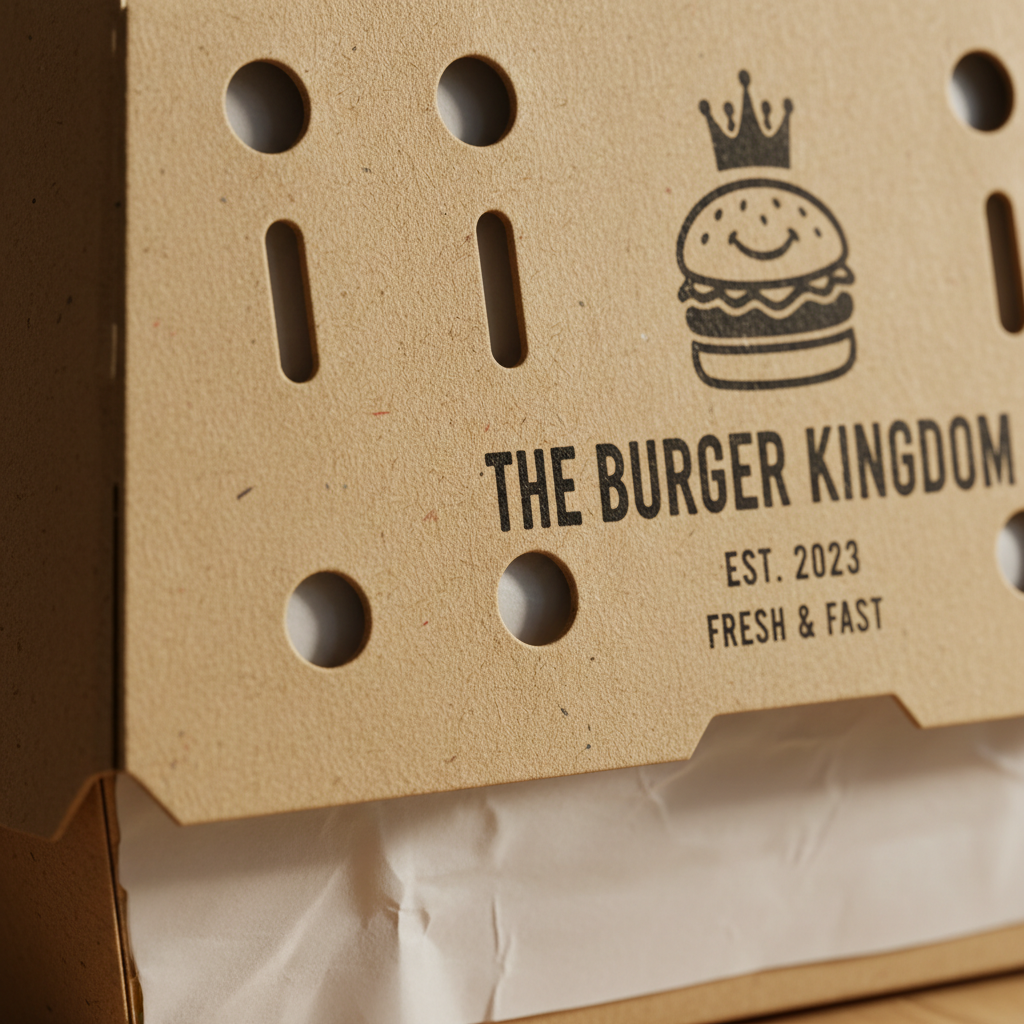
- Passive Venting: Small die-cut holes placed strategically on the side or top flaps of the box allow steam to escape. For French fry cartons, an open-top scoop design is standard because it maximizes ventilation.
- Cross-Ventilation: Placing vents on opposing sides of a burger box creates airflow, carrying moisture out more efficiently than top vents alone.
- Design Integration: Advanced designs integrate vents into the brand logo or pattern to maintain aesthetic appeal without sacrificing function.
2. Material Selection: Absorption vs. Barrier
Unlike cold food packaging, which often needs a total barrier, hot food packaging sometimes benefits from materials that can absorb small amounts of moisture without failing.
- Uncoated Kraft Board: Natural Kraft paper has inherent breathability. It can absorb minor amounts of steam, pulling it away from the food surface. However, if the food is very greasy, this must be balanced with a grease-resistant treatment.
- Corrugated Board (Micro-Flute): For larger items like pizzas or family-sized fried chicken buckets, E-flute or F-flute corrugated board is superior. The air gap between the flutes acts as insulation (keeping food hot) while the liner board manages humidity.
3. Greaseproof Liners and Coatings
Hot food is often greasy. If grease penetrates the paper fibers, the box looks unappealing and loses stiffness. You have two main options:
- Poly-Coated (PE) Interiors: A thin layer of polyethylene prevents grease penetration. However, PE is a total moisture barrier. If you use PE lining for hot food, you must have aggressive venting, or condensation will pool at the bottom.
- Aqueous Coatings: Water-based coatings can offer grease resistance while remaining more breathable than PE plastics. They are also easier to recycle in many repulping streams.
Packaging Solutions for Cold Foods: Barriers and Wet Strength
For cold chain applications, the goal is to create an impermeable shield against moisture, both from the food (dressings, sauces) and the environment (condensation).
1. Double-Sided Coating (2PE)
Standard hot cups or boxes might only be coated on the inside (1PE). For cold foods, especially those stored in refrigerators or freezers, double-sided coating (2PE) is often necessary. The exterior coating protects the paperboard from ambient condensation, ensuring the box remains rigid even when “sweating.”
2. Wet Strength Paperboard
Specific grades of paperboard are manufactured with “wet strength” resins. These additives ensure that the fiber bonds remain intact even when saturated. This is crucial for beverage carriers, ice buckets, or disposable food containers destined for long-term refrigeration.
3. Leak-Proof Structural Design
Cold foods often contain liquids (salad dressing, melting ice cream, marinades). A standard glued box may leak at the corners.
- Folded Bottoms (Webbed Corners): Instead of cutting the corners and gluing them, the paperboard is folded like origami. This creates a continuous basin with no pinholes for liquid to escape.
- Tapered Trays: Thermoformed or press-formed paper trays offer a seamless bottom, ideal for wet salads or poke bowls.
Comparative Analysis: Material Specifications
Choosing the right substrate is the foundation of performance. Below is a comparison of common materials used by YBJ Packing for different thermal applications.
| Material Type | Best Application | Thermal Properties | Moisture Resistance |
|---|---|---|---|
| Ivory Board (SBS) | Retail boxes, pastries, light cold foods | Low insulation | Requires coating (PE/PLA) |
| Kraft Board (CUK) | Hot takeout, heavy burgers, noodles | Moderate insulation, breathable | High tear strength even when damp |
| Corrugated (E-Flute) | Pizza, fried chicken, large catering | High insulation (air pockets) | Excellent rigidity |
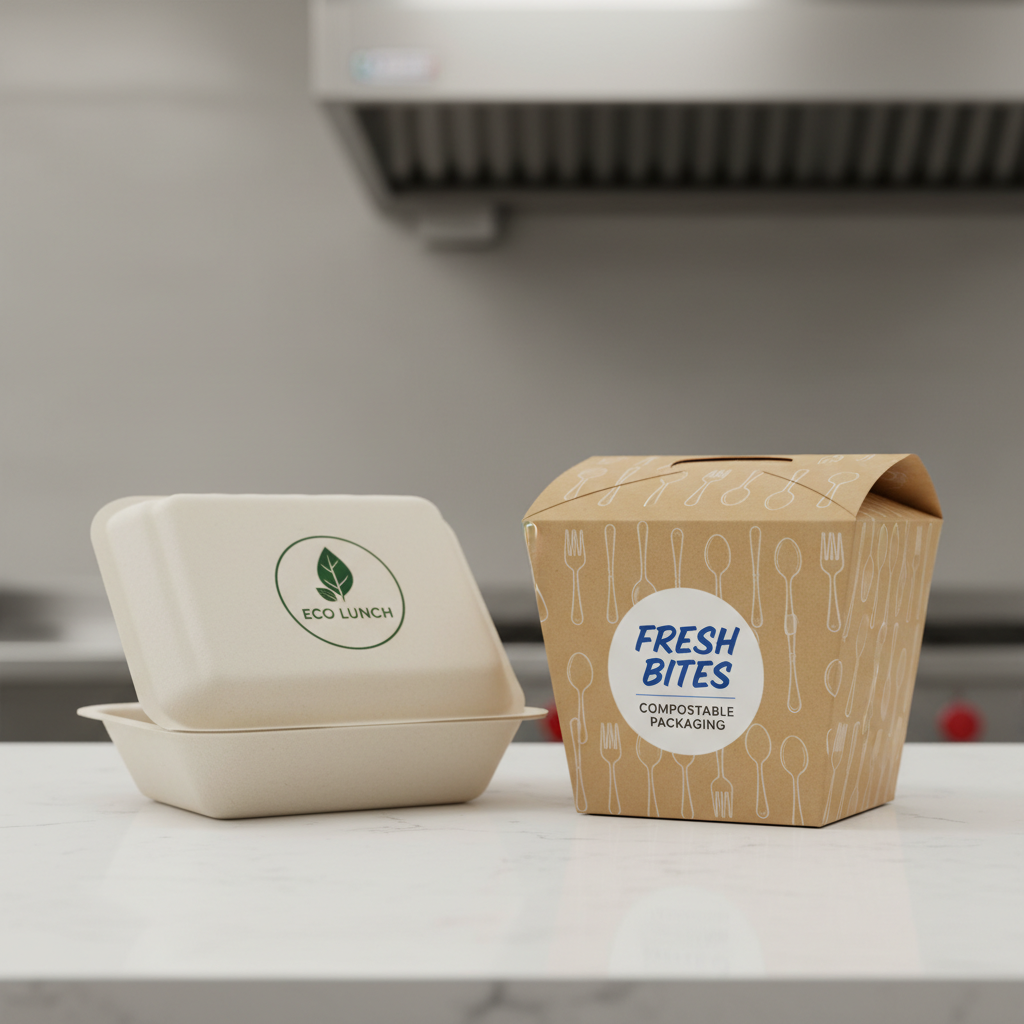
| Bagasse (Sugarcane) | Eco-friendly hot/cold bowls | Good insulation | Absorbent (needs PLA liner for long duration) |
Specific Use Cases and Recommendations
French Fries and Fried Snacks
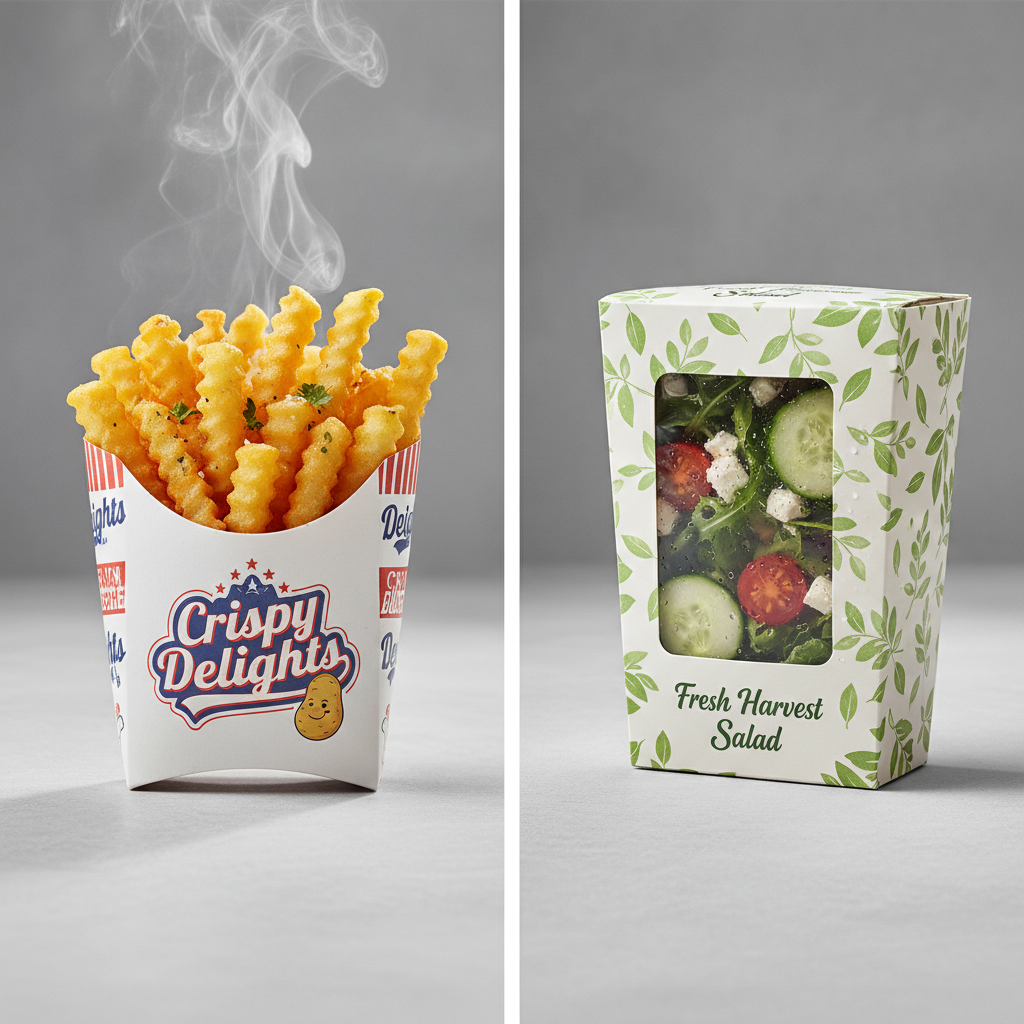
The enemy of the fry is the trapped steam. We recommend food packaging bags made from greaseproof paper for short transport, or open-top scoops made from stiff folding carton board for delivery. Avoid closing the bag completely. If a closed box is required for hygiene, ensure it has at least 15% surface area venting or uses highly breathable uncoated board.
Burgers and Sandwiches
Burgers are dense and retain heat well, but the bun is susceptible to sogginess. A clamshell box is standard. For premium burgers, consider a corrugated clamshell. The fluting provides insulation to keep the patty hot while the slight airflow prevents the bun from steaming. Using a separate greaseproof paper wrap inside the box can also help manage moisture.
Salads and Cold Bowls
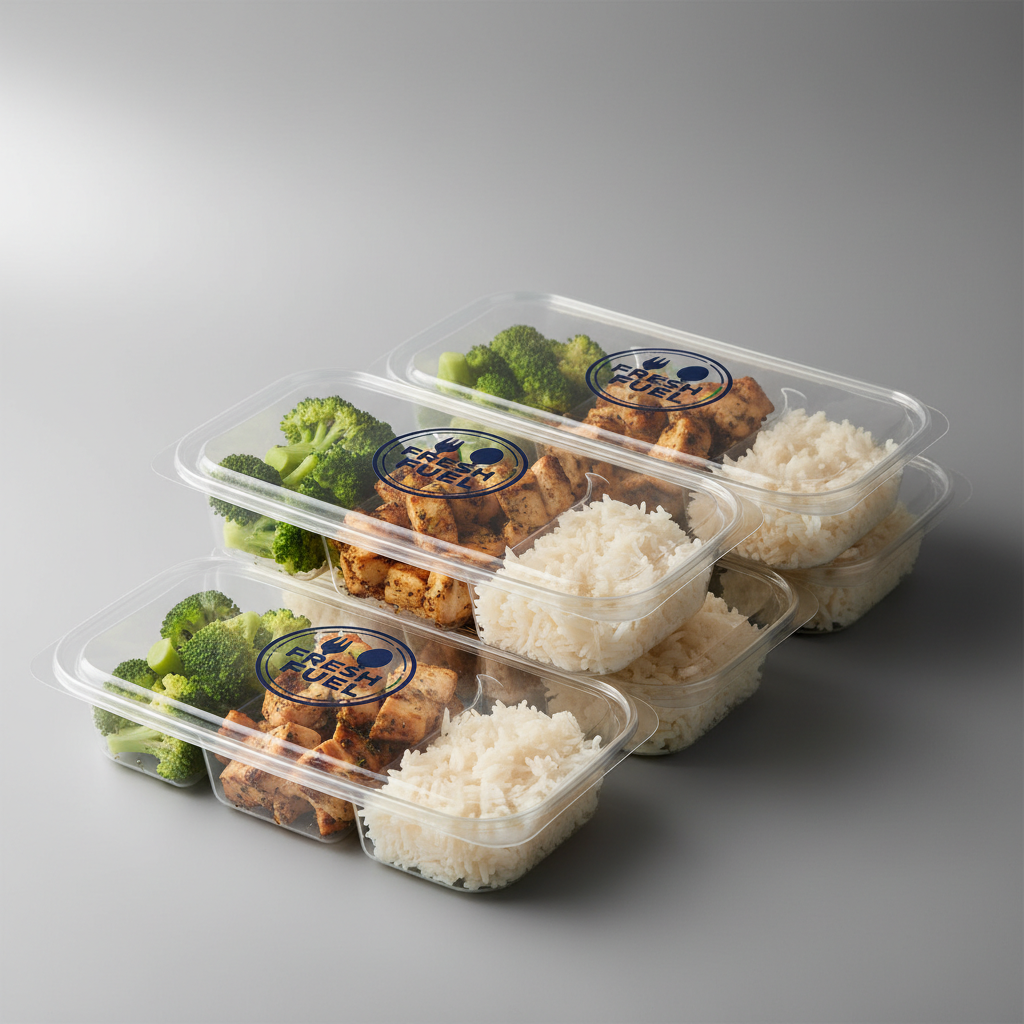
Visibility is often key for cold foods. Windows made from PET or PLA film are common. However, if the food is very cold, these windows can fog up, obscuring the product. Request “anti-fog” treated window films from your manufacturer. Additionally, ensure the base of the box is poly-coated to prevent dressing from soaking through.
Manufacturing and Quality Control Considerations
When ordering from a professional manufacturer like YBJ Packing, understanding the production process helps in defining your specifications.
Die-Cutting and Venting Precision
Vents are created during the die-cutting phase. It is crucial that the “stripping” (removal of the waste paper from the vent holes) is 100% accurate. Incomplete stripping results in “hanging chad” paper bits falling into the food. We utilize high-precision rotary or flatbed die-cutters to ensure clean, crisp edges on all ventilation holes.
Leak Testing for Cold Cups/Bowls
For cold liquid containers, quality assurance involves random sampling for leak tests. This usually involves filling the container with a dyed liquid and placing it on a white absorbent sheet for a set period (e.g., 30 minutes to 24 hours) to check for micro-leaks at the seams.
Ink Safety and Odor Control
Heat can accelerate the migration of volatile compounds from inks. For hot food packaging, it is mandatory to use food-grade, low-migration inks. Standard offset inks might emit an odor when heated by the food, which affects the taste perception. Flexographic water-based inks are often the preferred choice for direct-contact food packaging due to their safety profile.
Buyer’s Guide: How to Order the Right Packaging
Navigating the procurement process requires attention to detail. Here is a checklist for B2B buyers.
1. Define the Thermal Profile
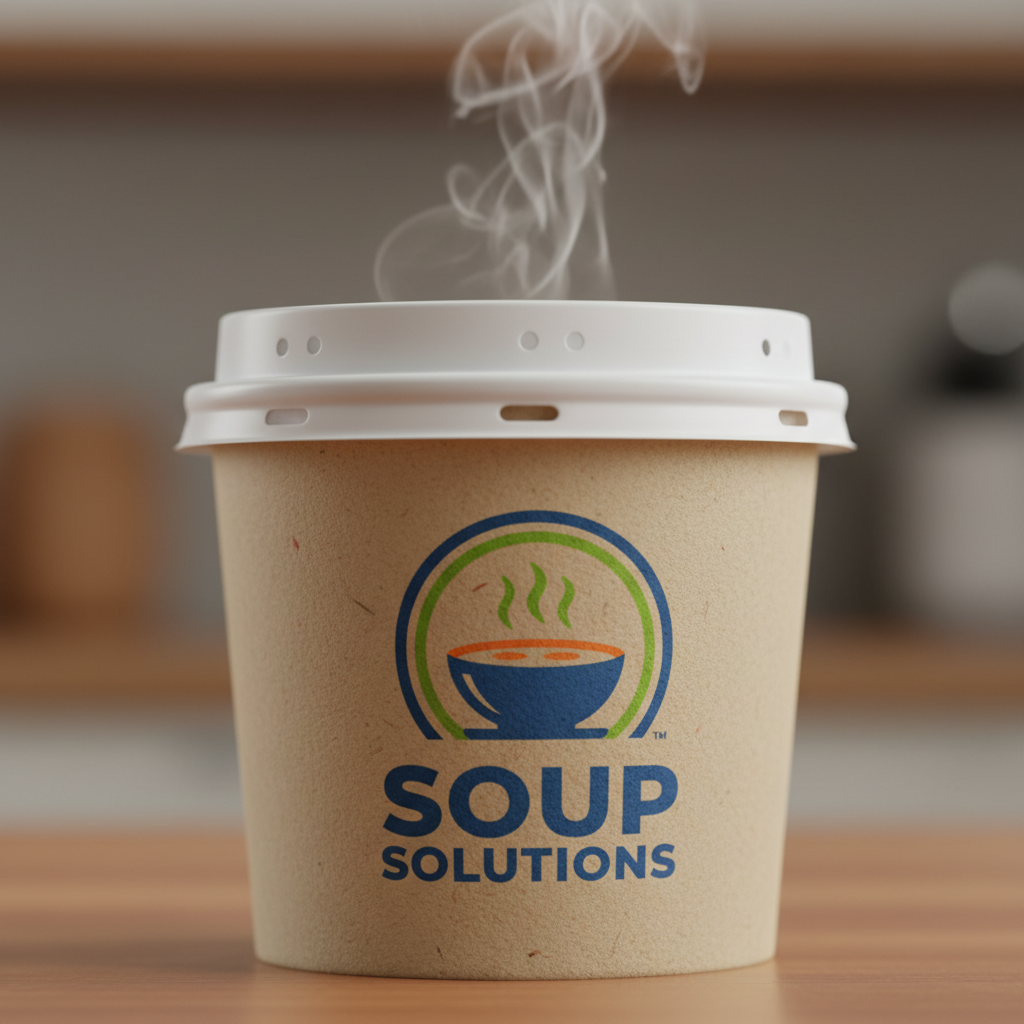
Be explicit about the temperature range. Are you packing boiling soup (100°C) or frozen yogurt (-18°C)? This dictates the glue type (hot melt vs. freezer grade) and coating thickness.
2. MOQ and Customization
Custom sizes and vents typically require new tooling (die-cutting molds). While this incurs a one-time setup fee, it allows for perfect functional adaptation to your food product. Typical MOQs for fully custom structures start higher than standard sizes due to machine setup times.
3. Artwork and Templates
When designing artwork for vented boxes, ensure your designer has the die-line template with the vent holes marked. You do not want critical text or logos to be punched out by a steam vent.
4. Shipping and Storage
Consider how the packaging arrives. “Nested” containers (like bowls) take up more shipping space than “flat-packed” boxes (like burger clamshells). However, nested containers are faster for your staff to pack. Balance logistics costs with operational efficiency.
Sustainability: Balancing Performance and Planet
The push for sustainability complicates the hot/cold equation. Traditional PE coatings make recycling difficult.
- PLA (Polylactic Acid): A compostable bioplastic derived from corn starch. It works well for cold foods (up to 40°C) but can deform with very hot foods unless specifically crystallized (C-PLA).
- Water-Based Dispersion Coatings: The modern alternative to PE. These coatings provide sufficient grease and moisture resistance for most hot foods and can be repulped easily in standard paper recycling mills.
FAQ: Common Questions from Packaging Buyers
Can I use the same box for both hot and cold food?
Generally, no. A box designed for hot food (vented) will leak cold air and allow contamination if used for cold storage. A box designed for cold food (sealed, coated) will make hot food soggy. However, some hybrid designs with tear-away vents exist, though they are more expensive.
Why do my paper fries cups get soft?
This is usually due to insufficient paper weight (GSM) or lack of a grease barrier. Fries release oil and steam. If the paper absorbs the oil, it becomes translucent and weak. Switching to a higher GSM board or adding a clay coating can resolve this.
What is the lead time for custom vented boxes?
After artwork approval, production typically takes 15–25 days, depending on the complexity of the die-cut and the quantity. Shipping times vary by location.
How do I test if a sample is good for my food?
Perform a “real-world” test. Pack your hottest/coldest product in the sample, close it, and leave it for 30–45 minutes (typical delivery time). Open it and check: Is the food soggy? Did the box collapse? Is there pooling liquid? Contact us to request samples for testing.
Do you offer design services for structural engineering?
Yes, our team can assist in modifying existing templates to add ventilation or reinforce corners for stacking strength. Visit our how to order page to start the conversation.
Conclusion
The difference between a crisp, delicious meal and a soggy disappointment often comes down to the invisible engineering of the packaging. By understanding the physics of steam and condensation, and selecting the appropriate materials and structural designs, you protect your product quality and your brand’s reputation.
Whether you need high-ventilation fry scoops or leak-proof salad containers, YBJ Packing offers the manufacturing expertise to deliver the right solution. Do not leave your customer’s experience to chance.
Ready to upgrade your food packaging? Request a quote or get a sample today and let our engineers help you find the perfect balance for your menu.