

In the competitive landscape of food service, packaging is rarely just about containment. For fast food chains, artisanal bakeries, and high-volume distributors, custom food wrap paper serves a dual purpose: it is a critical functional barrier against grease and moisture, and it is a cost-effective mobile billboard for brand visibility. Choosing the right specification, however, can be complex given the variety of substrates, coatings, and printing technologies available.
This guide provides a deep dive for procurement managers and business owners looking to source wholesale food wrap paper. We will cover material properties, technical specifications like grease resistance levels (Kit values), printing considerations, and supply chain logistics to help you make an informed purchasing decision.
The Strategic Role of Food Wrap Paper
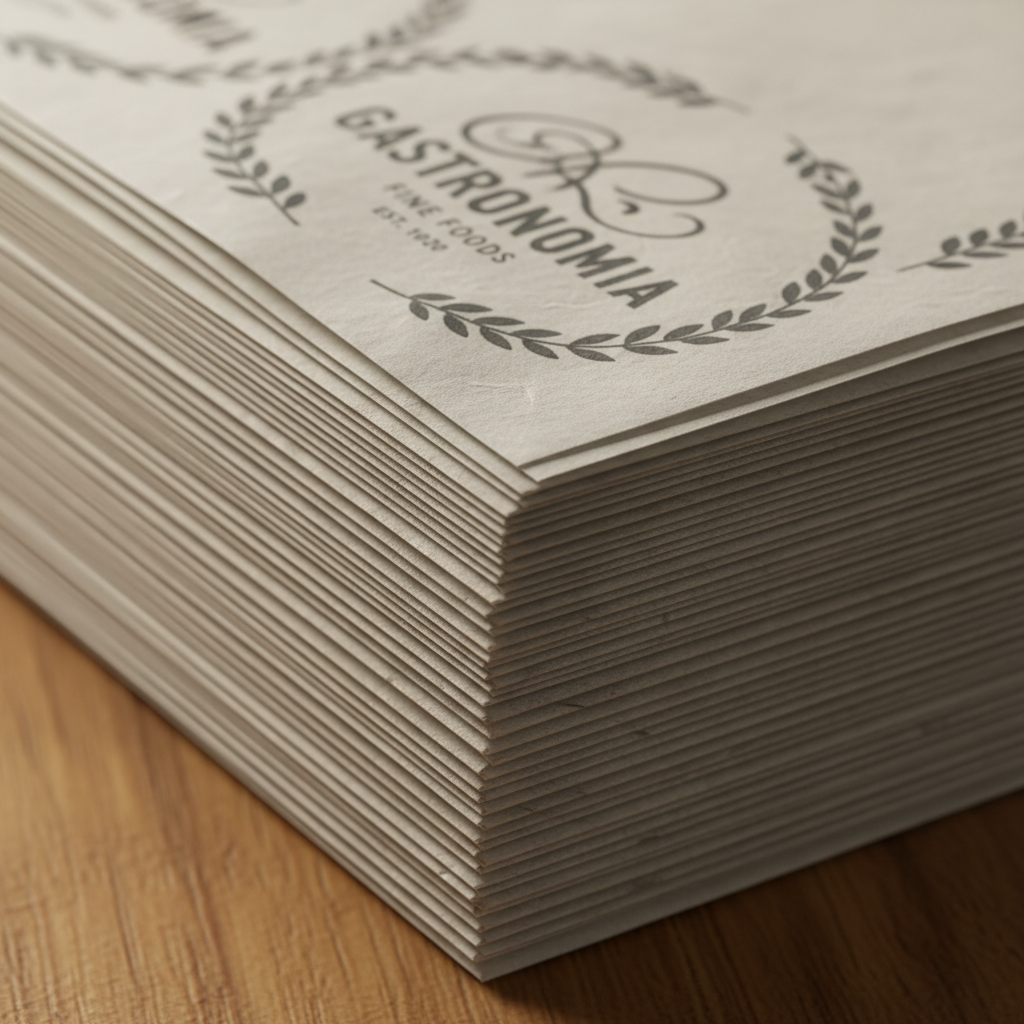
Food wrap paper—often referred to as deli paper, sandwich wrap, or greaseproof paper—is the first touchpoint a customer has with a product after purchase. Unlike rigid packaging, flexible wraps must conform to the shape of the food while maintaining structural integrity under heat and moisture.
For B2B buyers, the challenge lies in balancing performance with cost. A paper that is too thin may tear when wrapping a hot, saucy burger, leading to a poor customer experience. Conversely, over-specifying the paper weight (GSM) for a dry bakery item creates unnecessary waste and expense. Understanding the nuances of custom food packaging materials allows you to optimize your inventory for both functionality and budget.
1. Material Options: Selecting the Right Substrate
The foundation of any food wrap is the base paper. Different manufacturing processes yield different surface finishes and barrier properties. Here are the primary materials used in the industry:
Greaseproof Paper (The Standard)
True greaseproof paper is manufactured by refining the paper stock to reduce porosity. It does not necessarily require a chemical coating to resist grease, although many modern versions are treated for higher performance. It is breathable, which keeps food from getting soggy, making it ideal for sandwiches and pastries.
Wax Coated Paper
Wax paper involves coating a base sheet with paraffin or soybean-based wax. There are two distinct types:
- Dry Wax: The wax is pressed into the paper fibers. It leaves no surface residue and is breathable. This is excellent for hot foods as the wax won’t melt off onto the product easily.
- Wet Wax: The paper is dipped or coated on the surface, creating a high-gloss finish. This offers superior moisture resistance but is better suited for cold foods, raw meats, or basket liners where heat is not a primary factor.
PE Coated Paper (Poly-Coated)
For applications requiring a total moisture barrier, paper coated with a thin layer of Polyethylene (PE) is the industry standard. This is often used for very messy items, such as heavy burgers or meats with significant juices. The plastic layer prevents any leakage but reduces breathability.
Foil-Laminated Paper
This composite material bonds aluminum foil to paper. It provides excellent heat retention (thermal insulation) and is commonly used for burritos, hot dogs, and barbecue sandwiches where keeping the food hot during transit is a priority.
Kraft Paper (Natural & Bleached)
MG (Machine Glazed) Kraft: Has one shiny side and one rough side. The shiny side offers better printability and slight grease resistance.
MF (Machine Finished) Kraft: Has a consistent texture on both sides. It is often used for a rustic, natural look but typically requires a coating or treatment to handle greasy foods effectively.
To explore specific material configurations for your business, view our food wrap paper category.
2. Technical Specifications: GSM and Grease Resistance
When requesting a quote, vague terms like “standard thickness” can lead to misunderstandings. Professional buyers should specify GSM and grease resistance levels.
Understanding GSM (Grams per Square Meter)
GSM measures the weight and density of the paper. It directly correlates to the paper’s feel and durability.
- 18–25 GSM: Very thin. Typically used for light bakery tissues or interleave sheets where strength is not critical.
- 30–40 GSM: The industry standard for burger wraps and deli sheets. It offers a balance of foldability and strength.
- 45–60 GSM: Heavy-duty. Used for large sandwiches, basket liners, or meats that require a substantial feel.
Grease Resistance (Kit Levels)
Grease resistance is often measured using the “Kit Test,” a scale from 1 to 12 that indicates how long the paper resists penetration by oil and solvents.
- Kit 1–3: Low resistance. Suitable for dry goods like cookies or bread.
- Kit 4–6: Medium resistance. Good for standard sandwiches and pastries with moderate butter/oil content.
- Kit 7–9: High resistance. Required for burgers, fries, and oily fried foods.
- Kit 10+: Extreme resistance. Used for industrial applications or extremely greasy foods.
3. Printing & Customization Options
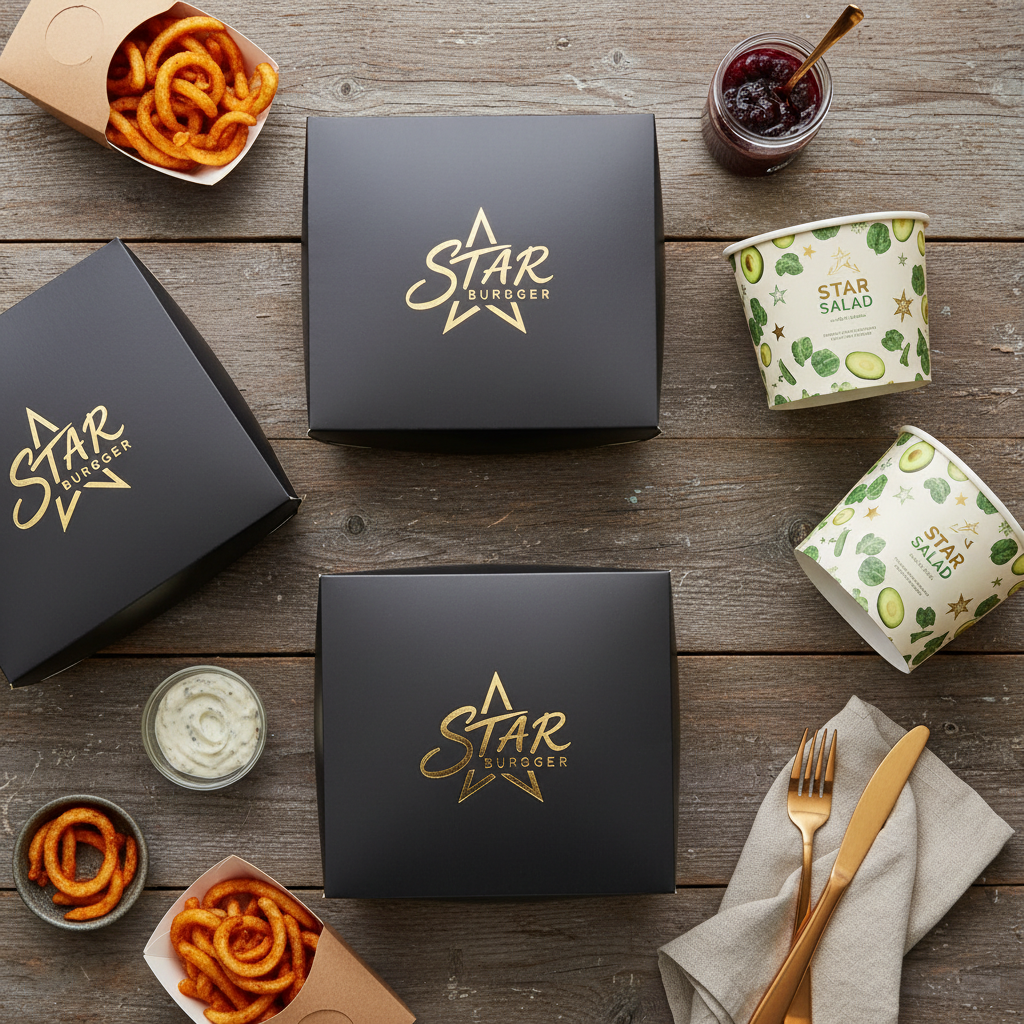
Branded packaging turns every customer into a walking advertisement. However, printing on food-grade paper requires specialized processes to ensure safety and quality.
Printing Methods
Flexographic Printing (Flexo): The most common method for printed food wrap paper. It uses flexible relief plates and is highly efficient for high-volume runs. It handles water-based inks well, which are preferred for food safety.
Ink Considerations
For food contact materials, using food-safe inks is non-negotiable. Water-based and vegetable-based inks (like soy ink) are standard. They must be low-migration to ensure no chemicals transfer to the food, especially under heat.
Design Layouts
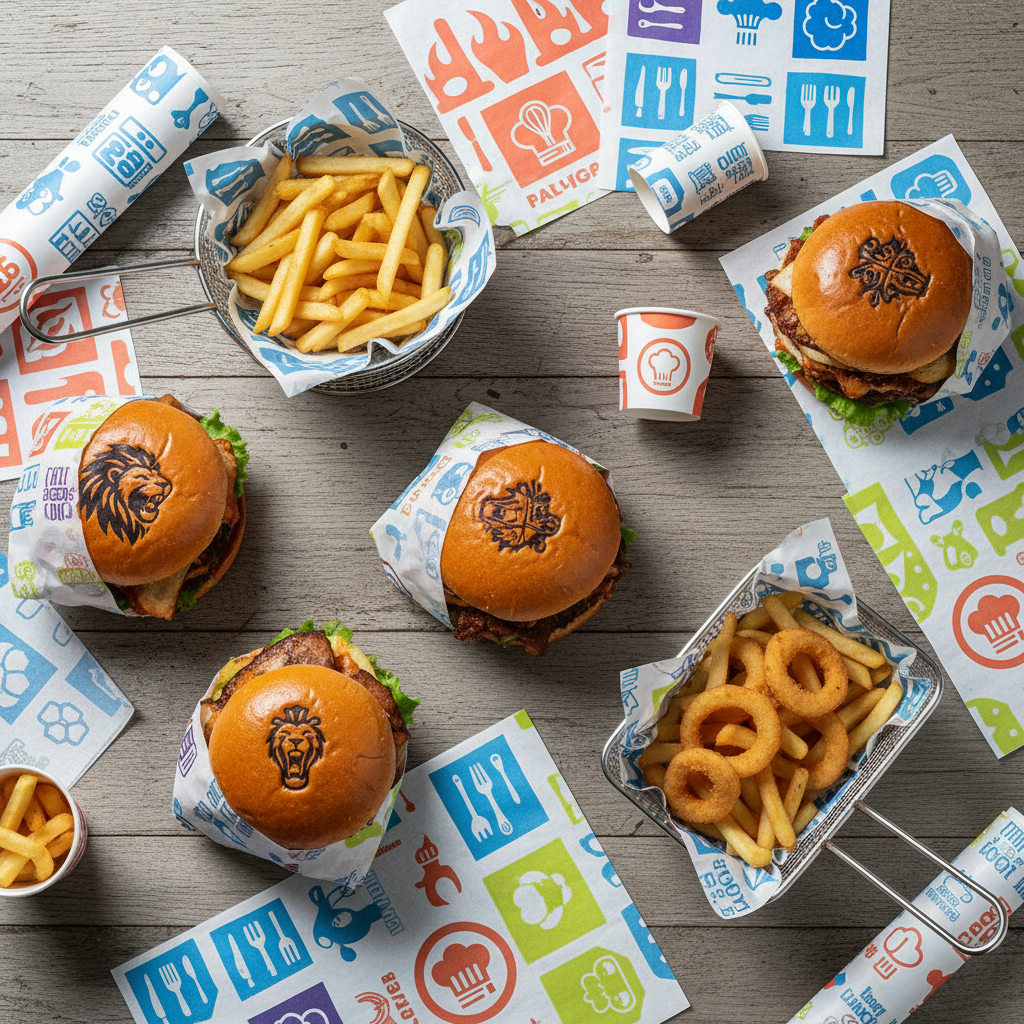
- Random Repeat (Wallpaper Pattern): The logo or design repeats continuously across the roll. The paper is then cut to size. The logo may be cut off at the edges, but this is the most cost-effective method and allows for varying sheet sizes without new plates.
- Registered Print: The design is placed in a specific spot on every sheet (e.g., a logo centered on a burger wrap). This requires precise cutting equipment and usually has higher setup costs and MOQs, but offers a premium look.
4. Sizing and Formats
Food wrap is supplied in various formats depending on the operational workflow of the kitchen.
Flat Sheets
Pre-cut sheets are the most convenient for high-speed kitchens. Common sizes include:
- 12″ x 12″ (Standard Deli)
- 10″ x 10″ (Small Burger/Pastry)
- 15″ x 16″ (Large Sub/Burrito)
Rolls
Rolls are often used by butcher shops or delis that need to wrap items of varying lengths. They require a dispenser/cutter on the counter.
Interfolded Sheets
Similar to facial tissue, these sheets pop up one after another. This is critical for hygiene and speed in busy environments, preventing staff from grabbing multiple sheets by accident.
5. Use Cases: Matching Paper to Product
Choosing the wrong paper can lead to “grease strike-through” (where oil soaks through to the customer’s hands) or soggy food. Here is a quick matching guide:
| Food Item | Recommended Material | Key Feature Needed |
|---|---|---|
| Juicy Burgers | Greaseproof (Kit 7+) or PE Coated | High grease resistance, wet strength |
| Hot Sandwiches / Paninis | Foil Laminated or Dry Wax | Heat retention, breathability |
| French Fries (Basket Liner) | Standard Greaseproof (40 GSM) | Visual appeal, moderate oil holdout |
| Cold Deli Meats | Wet Wax Paper | Moisture barrier, non-stick |
| Artisan Bread | Uncoated Kraft / Low Kit Greaseproof | Breathability (maintains crust) |
6. Manufacturing and Quality Assurance
Reliable food wrap paper manufacturers employ strict quality control protocols. When vetting a supplier, consider asking about their QA process regarding:
- Odour Testing: Ensuring the paper and ink do not impart any smell to the food.
- Migration Testing: Verifying that chemical components do not migrate into food under high temperatures.
- Rub Resistance: Ensuring the printed ink does not rub off onto hands or food.
- Accurate Cutting: ensuring size tolerances are met to prevent jamming in dispensers.
At YBJ Packing, we prioritize these quality metrics to ensure that the wholesale food packaging you receive protects both your food and your brand reputation.
7. Sustainability Trends
Modern consumers are increasingly conscious of packaging waste. The B2B market has shifted toward sustainable options:
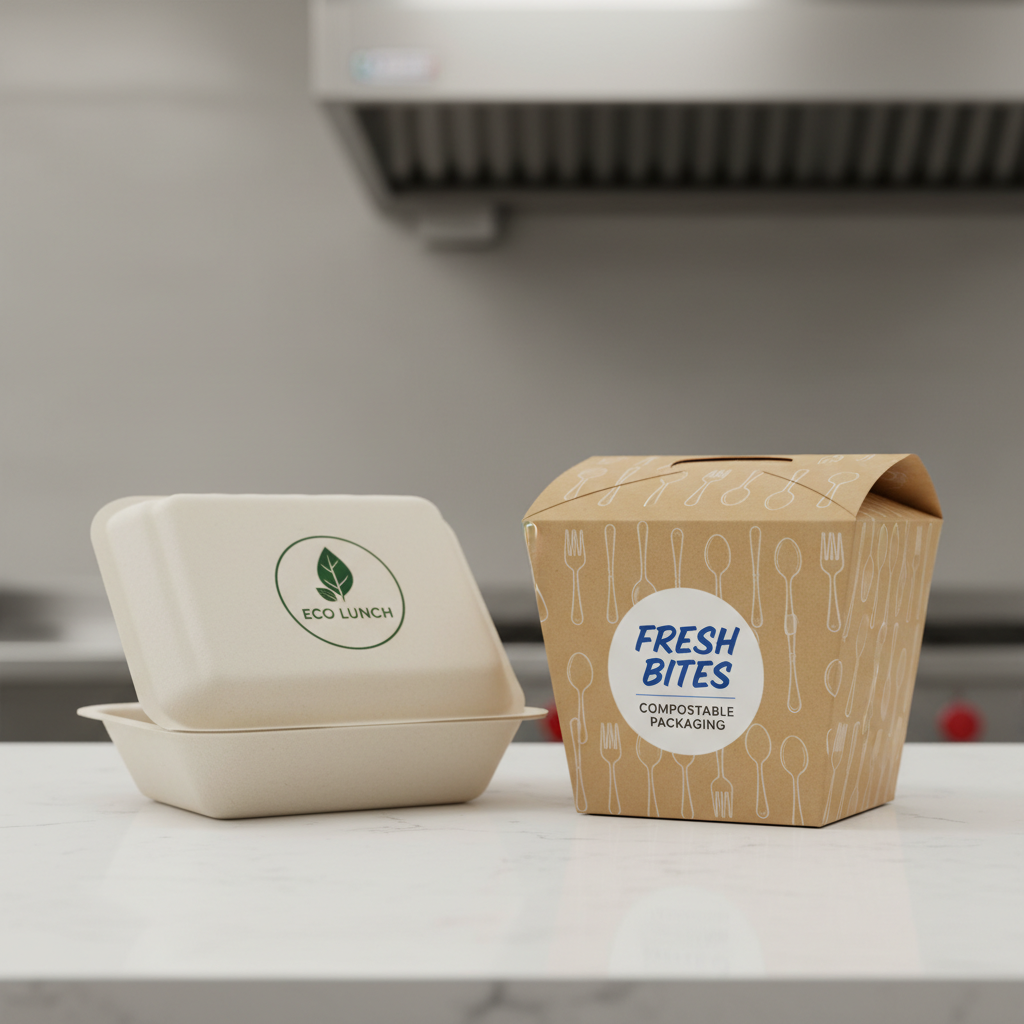
- Compostable Papers: Uncoated or bio-wax coated papers that break down in industrial composting facilities.
- PFAS-Free: Moving away from “forever chemicals” often used for grease resistance, utilizing alternative natural barriers instead.
- Recycled Content: Using post-consumer waste (PCW) fibers, though this is more common in outer packaging than direct food contact layers due to regulatory constraints.
8. Buying Guide: How to Order Custom Food Wrap
Navigating the procurement process for bulk food wrap paper involves several steps. Being prepared can speed up lead times and ensure accuracy.
Minimum Order Quantities (MOQ)
Custom printing typically requires a minimum volume to justify the setup of printing plates. While stock items can be bought in smaller quantities, custom branded wraps usually have MOQs ranging from 5,000 to 30,000 sheets depending on the complexity and factory capabilities. It is vital to balance your storage capacity with the unit cost savings of larger orders.
Artwork Preparation
To ensure the best print quality, suppliers need vector files (AI, PDF, EPS). If you are using a specific brand color, provide the Pantone (PMS) code. Raster images (JPEG, PNG) often result in blurry or pixelated prints on paper substrates.
Lead Times
Custom manufacturing is not instantaneous. Typical timelines involve:
- Design Approval: 1–3 days
- Plate Making: 3–5 days
- Production: 10–20 days (depending on volume)
- Shipping: Variable based on destination
For urgent requirements, always discuss timelines upfront. To start this process, visit our How to Order page.
Frequently Asked Questions (FAQ)
1. Can I print on both sides of the food wrap paper?
Technically yes, but it is rarely recommended for direct food contact papers. Printing on the outside only minimizes the risk of ink contact with food and reduces costs. The translucency of many greaseproof papers often makes the design visible from the inside anyway.
2. What is the difference between greaseproof and wax paper?
Greaseproof paper resists oil through fiber refinement or chemical treatment and is heat-resistant. Wax paper is coated with wax; it melts if exposed to high heat (like an oven) and is better for cold or warm applications.
3. Is custom printed food wrap recyclable?
It depends on the coating. Standard uncoated or clay-coated papers are often recyclable if clean. However, once paper is soiled with food grease, it is generally not accepted by recycling streams. Compostable options are the better sustainable alternative for food-soiled paper.
4. Can I get a sample before placing a full order?
Yes, reputable suppliers offer sampling. You can request stock samples to check material quality and thickness. For a custom printed proof, there is usually a cost associated with setting up the machine for a single sample run.
5. How do I determine the right size for my product?
Measure the circumference of your food item and add 3–4 inches for overlap. For a standard burger, a 12×12 inch sheet is industry standard. For a long sub sandwich, 15×16 inches is common. We can help you calculate the optimal size to minimize waste.
6. What is the shelf life of food wrap paper?
Paper properly stored in a cool, dry place away from direct sunlight can last for years. However, wax coatings may degrade slightly over very long periods (2+ years) if subjected to extreme temperature fluctuations.
Conclusion
Selecting the right food wrap paper is a balance of science and marketing. It requires understanding the thermal and chemical demands of your specific food items while leveraging the surface area for brand storytelling. Whether you need a high-performance foil laminate for hot sandwiches or a sustainable, compostable wrap for an eco-friendly bakery, the right specification protects your product quality and enhances the customer experience.
At YBJ Packing, we specialize in helping businesses navigate these choices with high-quality, custom-printed solutions tailored to your operational needs.
Ready to elevate your food presentation? Request a quote or get a sample today to explore our custom manufacturing capabilities.