

In the high-volume food service and industrial bakery sectors, efficiency is the primary driver of profitability. Traditional metal baking pans, while durable, introduce significant operational overhead: washing, storage logistics, depanning labor, and the risk of cross-contamination. This has led to a massive shift toward disposable baking trays—engineered paperboard solutions that allow businesses to bake, transport, and sell in the same package.
For procurement managers and bakery operations directors, choosing the right disposable tray is not merely about picking a size. It involves understanding heat resistance, grease barriers, food-grade compliance, and how custom branding can turn a functional container into a marketing asset. This guide provides a deep dive into the technical specifications, material options, and purchasing considerations for wholesale disposable baking trays.
What Are Disposable Baking Trays?
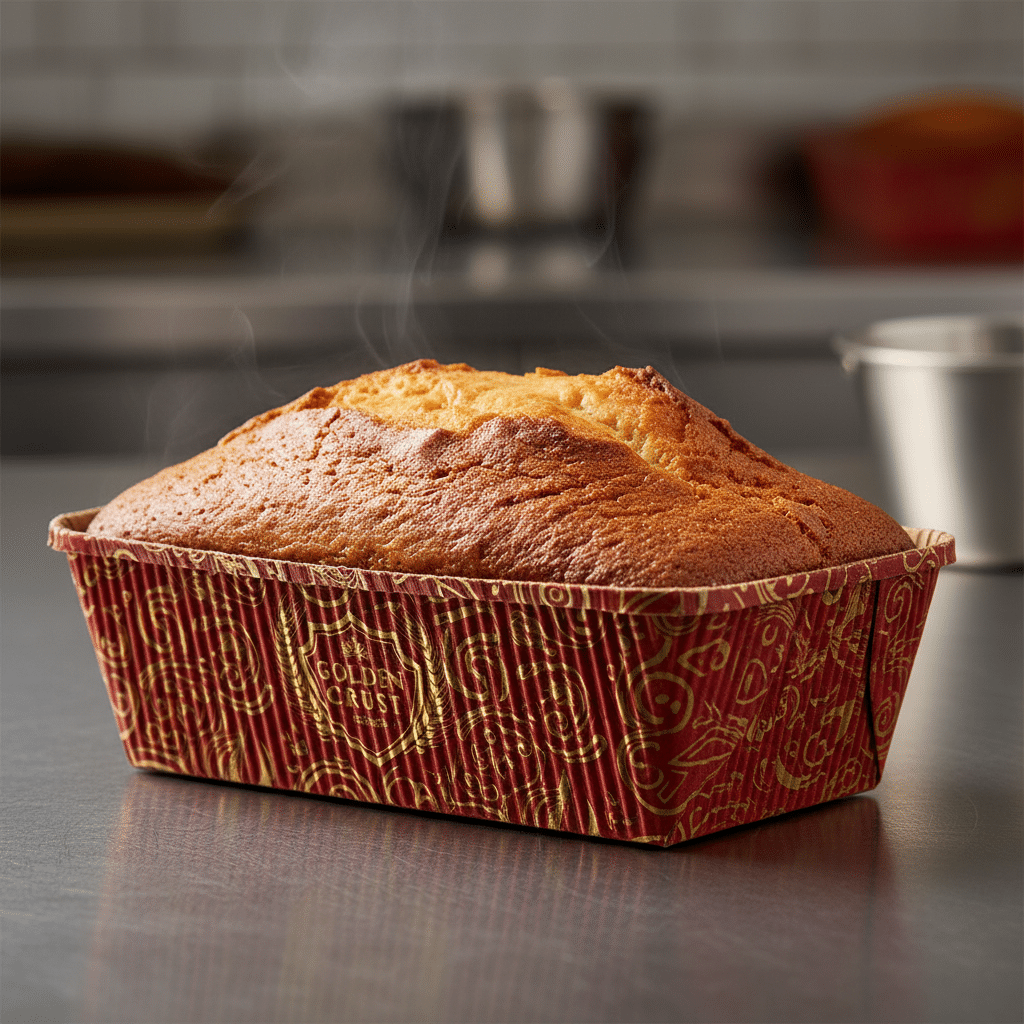
A disposable baking tray is a single-use container designed to withstand high oven temperatures (typically up to 220°C / 428°F) while maintaining structural integrity. Unlike standard cardboard boxes which are used only for transport, these trays are manufactured from specialized food-grade paper stocks often reinforced with corrugated fluting or solid board construction.
They serve a dual purpose: they act as the baking mold during production and the final retail packaging at the point of sale. This "bake-and-serve" capability eliminates the need to transfer goods from a metal tin to a paper box, streamlining the production line significantly.
For businesses exploring these solutions, checking the specific categories available is the first step. You can view a variety of disposable baking trays suited for different dough densities and baking durations.
Material Specifications and Heat Resistance
Not all paper is suitable for the oven. Industrial baking trays rely on specific material compositions to ensure they do not scorch, warp, or collapse under the weight of rising dough.
1. Corrugated Paperboard (Micro-Flute)
For larger items like loaves, panettones, or dense cakes, micro-flute corrugated board (E-flute or F-flute) is the standard. The fluted layer provides insulation, ensuring the bottom of the baked good does not burn before the center cooks. It also offers superior rigidity, allowing trays to be stacked during transport.
2. Solid Bleached Sulfate (SBS) Board
SBS is a premium, virgin paperboard known for its bright white surface and smoothness. It is excellent for high-quality printing. While thinner than corrugated, it is dense and strong, making it ideal for smaller pastries, buns, and brownies.
3. Kraft Paperboard
Unbleached Kraft paper offers a natural, eco-friendly aesthetic that appeals to organic and artisanal brands. It is highly durable and resistant to tearing. Many buyers prefer Kraft for its sustainability signaling.
Temperature Thresholds
Most professional-grade paper baking molds are rated for oven use between 200°C and 220°C (390°F to 428°F). It is critical to verify these specs with your supplier, especially if your recipes require high-heat blasts.
Coatings and Grease Barriers
A raw paper tray would absorb butter and oil, leading to unsightly grease spots and a soggy structure. To prevent this, manufacturers apply functional coatings.
- PET (Polyethylene Terephthalate) Coating: A thin plastic layer that offers excellent grease resistance and easy release (non-stick). It is stable at high temperatures and prevents the paper from soaking up moisture.
- Silicone Coating: Often used on parchment liners or specific baking papers, silicone provides the ultimate non-stick surface, ensuring the product releases cleanly without residue.
- Aqueous Coating: A water-based coating that provides moderate grease resistance. It is often preferred for brands focusing on easier recyclability, though its release properties may be lower than PET.
- PLA (Polylactic Acid): A biodegradable bioplastic derived from corn starch. It offers similar properties to PE/PET but is compostable in industrial facilities.
Choosing the right coating depends on the fat content of your product. High-butter doughs (like brioche) require robust PET or silicone barriers.
Sizing and Capacity Guide
Standardization helps in cost reduction, but custom sizing is often necessary for automated filling lines. When specifying dimensions, always clarify whether you are measuring the top out, top in, or bottom dimensions, as these trays often have tapered sides for nesting.
Common Formats
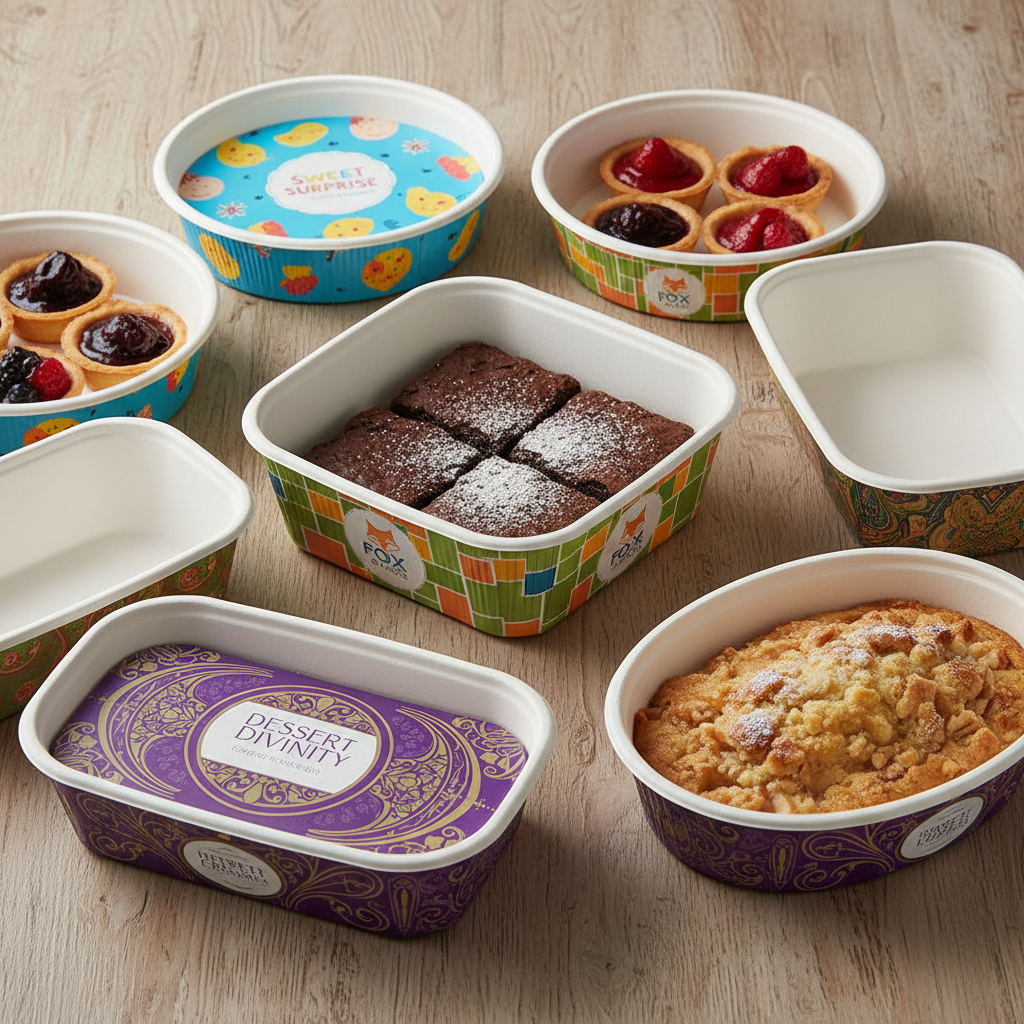
- Rectangular Loaf Trays: Standard for breads, pound cakes, and meatloaves.
- Square Trays: Popular for brownies, cinnamon rolls, and focaccia.
- Round Molds: Used for tarts, quiches, and cakes.
- Tray Bakes: Large, shallow trays for sheet cakes or bulk catering portions.
If your operation produces a wide array of goods, explore the broader bakery packaging solutions to find complementary items like lids or outer transport boxes.
Printing and Brand Customization
One of the distinct advantages of paper over metal is the ability to print directly on the baking vessel. This turns the tray into a powerful branding tool. However, printing for oven-safe materials requires specific considerations.
Food-Safe Inks
Inks used on baking trays must be heat-stable and food-grade. They should not off-gas or change color when exposed to oven temperatures. Reputable manufacturers use vegetable-based or low-migration inks compliant with FDA or EU regulations.
Design Considerations
- Full Coverage vs. Spot Printing: Full coverage (printing the entire exterior) maximizes brand impact but costs more. Spot printing (logos only) is a cost-effective alternative.
- Heat Discoloration: Certain colors, particularly lighter pastels, can shift slightly under high heat. Consult with the manufacturer’s design team to choose heat-stable pantones.
- Interior Printing: Generally avoided for direct food contact surfaces unless specific barrier coatings are applied over the ink.
Use Cases in the Food Industry
1. Industrial Wholesale Bakeries
Factories producing thousands of units per hour use disposable trays to eliminate the "depanning" step. The product goes from oven to cooling tunnel to shrink-wrapper without ever leaving the tray. This reduces breakage and labor costs.
2. Airlines and Catering
In-flight catering relies on lightweight, disposable solutions that can be reheated on board. Paper trays are lighter than aluminum and quieter during service.
3. Supermarkets and Grab-and-Go
Retailers prefer these trays because they look attractive on the shelf. A custom-printed tray suggests a "freshly baked" quality that pre-packaged plastic containers often lack.
Manufacturing and Quality Assurance
The production of a high-quality disposable baking tray involves precision die-cutting and forming.
Forming Methods
- Glued Corners: Trays are folded and glued with heat-resistant adhesive. These are very sturdy and have vertical sides.
- Folded/Locked Corners: The tray is mechanically locked without glue. This eliminates the risk of glue failure at extreme temperatures but may be less leak-proof for very thin batters.
- Press-Formed: The paper is pressed into a mold under high pressure. This creates a seamless, smooth shape (often round or oval) but requires specific tooling.
Quality Checks
Buyers should ask suppliers about their QC processes regarding:
- Leak Testing: Ensuring batter does not seep through corners.
- Rigidity Testing: Ensuring the tray holds shape when handled hot.
- Odor Testing: Confirming no chemical smells are released during heating.
Buying Guide: How to Order Wholesale
Transitioning to disposable baking trays or switching suppliers involves several logistical steps. Here is a checklist for procurement officers.
1. Minimum Order Quantity (MOQ)
Custom printed trays typically require higher MOQs (e.g., 10,000 to 50,000 units) due to setup costs for printing plates and die-cutting molds. Stock sizes may be available in lower quantities.
2. Lead Times
Custom manufacturing involves design approval, sampling, production, and shipping. Standard lead times can range from 3 to 6 weeks depending on complexity and factory capacity. Always plan ahead for seasonal peaks like Christmas or Easter.
3. Sampling
Never place a bulk order without testing samples in your actual ovens. Different ovens (convection, rotary, deck) transfer heat differently. Request samples to verify the release properties with your specific dough recipe.
4. Artwork and Files
Prepare vector files (AI, PDF) of your logo and design. Ensure you have the correct die-line template from the manufacturer before finalizing artwork.
For details on the logistics of placing an order, review our how to order page.
Frequently Asked Questions (FAQ)
Can these trays go in the microwave?
Yes, paper baking trays are generally microwave-safe, unlike aluminum foil containers which can cause arcing. This makes them excellent for consumer reheating.
Are disposable baking trays freezer-safe?
Absolutely. Most PE-coated or corrugated trays can withstand freezing temperatures, allowing for "bake-freeze-sell" or "freeze-bake-sell" workflows.
Do I need to grease the trays before use?
High-quality trays with PET or silicone coatings usually do not require additional greasing. However, for recipes with very low fat content or high sugar (which is sticky), a light spray might still be recommended. Testing is key.
Is custom printing expensive?
The per-unit cost of printing adds a marginal amount to the tray price, but the value in brand recognition is significant. The main cost driver is the initial setup (printing plates). High-volume orders absorb this cost effectively.
How do I dispose of these trays?
If the tray is certified compostable (PLA coated or uncoated), it can go in industrial compost. If it has a standard plastic lining, it may need to be disposed of with general waste or specialized recycling streams depending on local infrastructure. Always check the specifications.
Can you make custom shapes?
Yes, custom tooling can be created for unique shapes (stars, hearts, specific dimensions), though this incurs a tooling fee.
Conclusion
Disposable baking trays offer a blend of operational efficiency and marketing potential that traditional bakeware cannot match. By selecting the right material, coating, and design, you can improve your production flow and present a premium product to your customers. Whether you need heavy-duty corrugated loaf pans or lightweight pastry molds, understanding the specs ensures you get the best value for your budget.
Ready to explore custom options for your bakery business? Contact our team today to request a quote or get samples of our food-grade packaging solutions.