

In the competitive landscape of food retail and service, packaging does more than just hold a product; it sells it. For bakeries, delis, coffee roasters, and food distributors, the custom window paper bag has become an indispensable tool. It bridges the gap between product protection and visual marketing, allowing customers to verify freshness and quality without compromising hygiene. However, sourcing these bags at a wholesale level involves navigating a complex matrix of material specifications, printing technologies, and barrier properties.
This comprehensive guide is designed for procurement officers, brand managers, and business owners in the food service industry. We will explore the technical nuances of window paper bag manufacturing, from selecting the right GSM (grams per square meter) to understanding grease-resistance levels and optimizing your artwork for flexographic printing. Whether you are scaling up operations or rebranding a product line, this guide provides the actionable insights needed to make informed purchasing decisions.
The Strategic Value of Window Packaging in Food Service
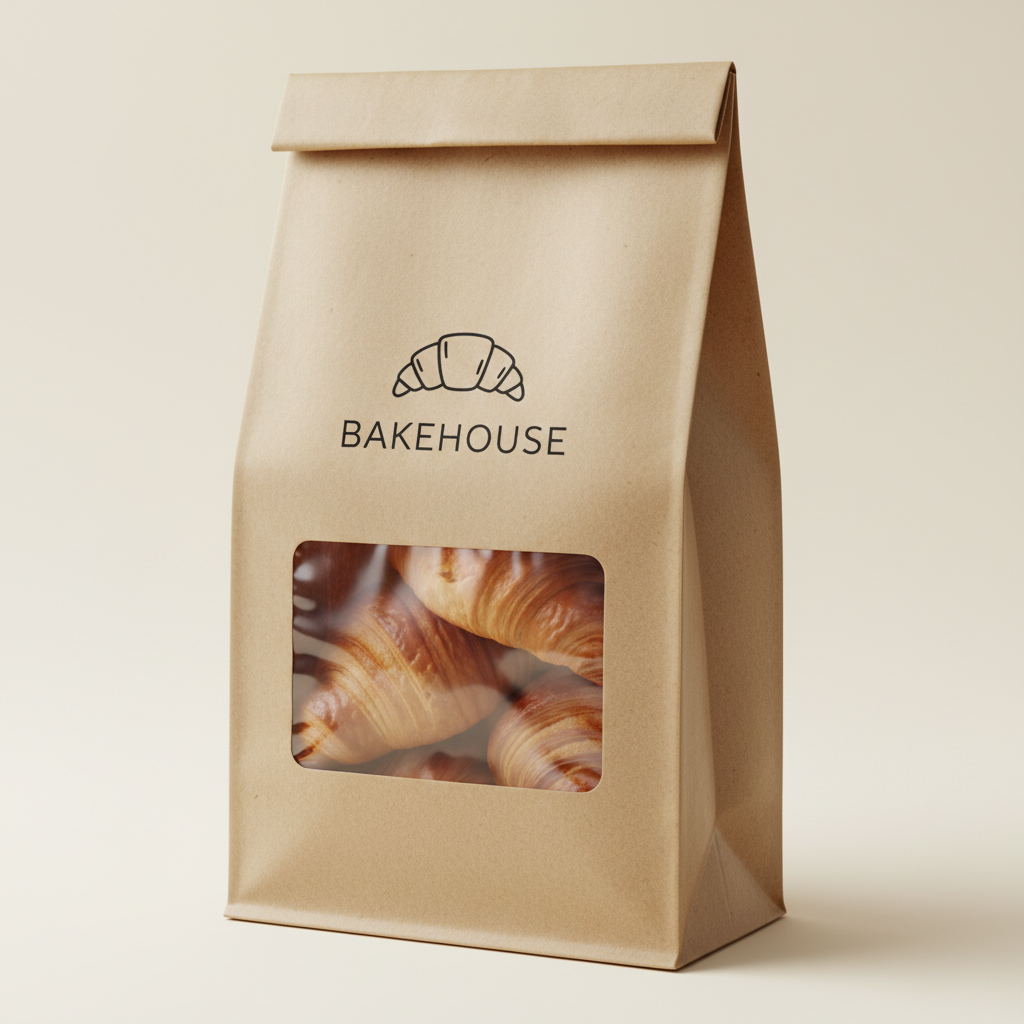
Transparency is a major driver in consumer purchasing behavior. A window paper bag offers an immediate visual confirmation of the product inside. This is particularly crucial for artisanal items like crusty sourdough breads, colorful macarons, or roasted nuts where visual appeal is a primary selling point. Unlike closed packaging, which relies entirely on photography or text, a window bag leverages the product itself as the main marketing asset.
From an operational standpoint, window bags also improve efficiency. In a busy bakery or deli environment, staff can quickly identify contents without opening the bag or reading labels, reducing service errors during peak hours. Furthermore, with the rise of third-party delivery services, ensuring that the correct item is packed is critical for customer satisfaction. The visibility provided by custom window paper bags acts as a final quality check before the package leaves the store.
Anatomy of a High-Quality Window Paper Bag
To order the right bag, you must understand its construction. A standard window bag consists of three primary components: the paper substrate, the window film, and the adhesive/sealant. Each component must be specified based on the application.
1. The Paper Substrate
The base material determines the bag’s structural integrity and aesthetic. Common options include:
- Natural Kraft Paper (Brown): Unbleached and often perceived as more eco-friendly. It provides a rustic, organic look favored by artisan bakeries and organic food brands. It has excellent tensile strength.
- Bleached Kraft Paper (White): Chemically treated to remove the natural brown color. This provides a pristine white canvas that is ideal for vibrant, full-color printing. It suggests cleanliness and is often used for modern or clinical branding aesthetics.
- Greaseproof Paper: Specialized paper with low porosity, designed to resist oil penetration. Essential for pastries, donuts, and fried foods.
2. The Window Material
The clear film must offer clarity while maintaining a barrier against external contaminants.
- BOPP (Biaxially Oriented Polypropylene): High clarity, excellent moisture barrier, and resistance to oil. It is the industry standard for general bakery bags.
- PET (Polyethylene Terephthalate): Stronger and more heat resistant than BOPP. Often used when bags might be exposed to higher temperatures or require a stiffer window.
- PLA (Polylactic Acid): A biodegradable option derived from corn starch. While slightly more expensive, it is essential for brands positioning themselves as 100% compostable or plastic-free.
3. Construction Style
The shape of the bag dictates its volume and shelf presence:
- Flat Bags: No gussets. Ideal for cookies, flat breads, or single sandwiches.
- Satchel Bags (Side Gusset): Expandable sides allow for bulkier items like loaves of bread or multiple pastries.
- SOS (Self-Opening Sack) / Block Bottom: A flat, rectangular bottom allows the bag to stand upright on shelves. This is the premium choice for retail display.
Material Specifications: Selecting the Right GSM and Coating
One of the most common errors in wholesale ordering is selecting the wrong paper weight. If the paper is too thin, it may tear under the weight of the product or absorb grease, becoming unsightly. If it is too thick, it increases costs and shipping weight unnecessarily.
Understanding GSM (Grams per Square Meter)
GSM measures the density of the paper.
- 30–50 GSM: Very light. Suitable for single-serving bakery bags (e.g., a cookie or pretzel).
- 50–80 GSM: Standard weight. Ideal for bread loaves, baguette bags, and light takeaway orders.
- 80–120 GSM: Heavy duty. Required for larger block bottom bags holding coffee beans, flour, or heavy stacked items.
Grease Resistance and Linings
For foods with high butter or oil content (croissants, donuts, fried chicken), standard paper is insufficient. Oil spots will quickly stain the exterior, ruining the branding and potentially compromising the bag’s strength.
PE Coating (Polyethylene): A thin layer of plastic extruded onto the inner surface of the paper. It provides a 100% barrier against grease and moisture. It also allows the bag to be heat-sealed.
Kit Levels (Fluorocarbon-free options available): “Kit” levels measure grease resistance on a scale of 1 to 12.
- Kit 3-5: Suitable for dry baked goods (cookies, muffins).
- Kit 6-8: Suitable for moderately greasy items (croissants, sandwiches).
- Kit 9+: Required for fried foods or items with heavy glazes.
When sourcing food packaging bags, always specify the nature of the food product to your supplier so they can recommend the appropriate barrier level.
Printing Technologies for Custom Branding
Custom printing transforms a commodity bag into a mobile billboard. The two primary printing methods used in wholesale paper bag manufacturing are Flexography and Offset Printing.
Flexographic Printing (Flexo)
This is the standard for high-volume paper bag production. It uses flexible relief plates and fast-drying inks.
- Pros: Cost-effective for large runs, fast production speeds, water-based inks (food safe).
- Cons: Lower resolution compared to offset; gradients can sometimes appear banded.
- Best For: Logos, text, simple patterns, and spot colors (Pantone).
Offset Printing
Used for high-end, photo-quality imagery.
- Pros: Superior detail, smooth gradients, vibrant color reproduction.
- Cons: Higher setup costs, typically requires a separate lamination process for bags.
- Best For: Premium retail packaging requiring photographic designs.
Design Considerations for Window Bags
When designing artwork for a window bag, the placement of the window is part of the design.
- Window Integration: Use the window creatively. For example, a printed character could be “eating” the product visible through the window.
- Bleed and Margins: Ensure your artwork accounts for the folds and gussets. Text should not be placed too close to the bottom seal or the window edge to avoid being cut off or distorted.
- Ink Safety: Always request food-grade, low-migration inks, especially if the print extends to the interior or lip of the bag.
Industry-Specific Use Cases
Different food sectors have unique requirements for window paper bags. Here is a breakdown of common applications and their specific needs.
1. Artisan Bakeries
Challenge: Crusty breads need to breathe to maintain their texture. A fully sealed plastic bag turns crusty bread soggy.
Solution: Strip window bags with micro-perforations. The paper allows some airflow, while the window provides visibility.
Recommended Spec: 50-60 GSM Kraft, strip window, no PE lining (unless for sweet pastries).
2. Coffee Roasters
Challenge: Coffee beans are sensitive to oxygen and moisture. They also release CO2 after roasting.
Solution: Block bottom bags with a high-barrier liner and a tin-tie closure. The window allows customers to see the roast level (light vs. dark).
Recommended Spec: 100+ GSM, full PE or foil lining, tin-tie accessory.
3. Deli and Hot Food
Challenge: Heat retention and grease leakage.
Solution: Double-walled bags or heavy PE-coated paper. Anti-fog window film is crucial here; otherwise, steam will obscure the product view.
Recommended Spec: 70 GSM White Kraft, PE coating, Anti-fog BOPP window.
4. Confectionery & Nuts
Challenge: Shelf life and structural rigidity. Nuts can have sharp edges that puncture thin films.
Solution: Stiff, stand-up pouches (SOS) with thick PET windows.
Recommended Spec: 80 GSM, laminated window film for puncture resistance.
Manufacturing Quality Control: What to Look For
Not all window bags are created equal. When evaluating samples from a wholesale supplier, pay attention to these quality indicators:
Seam Strength
Check the back seam and bottom seal. Apply pressure to the bag as if it were full. The glue lines should be consistent and not peel away easily. For bags holding heavy items (flour, sugar), the bottom construction must be reinforced.
Window Clarity and Adhesion
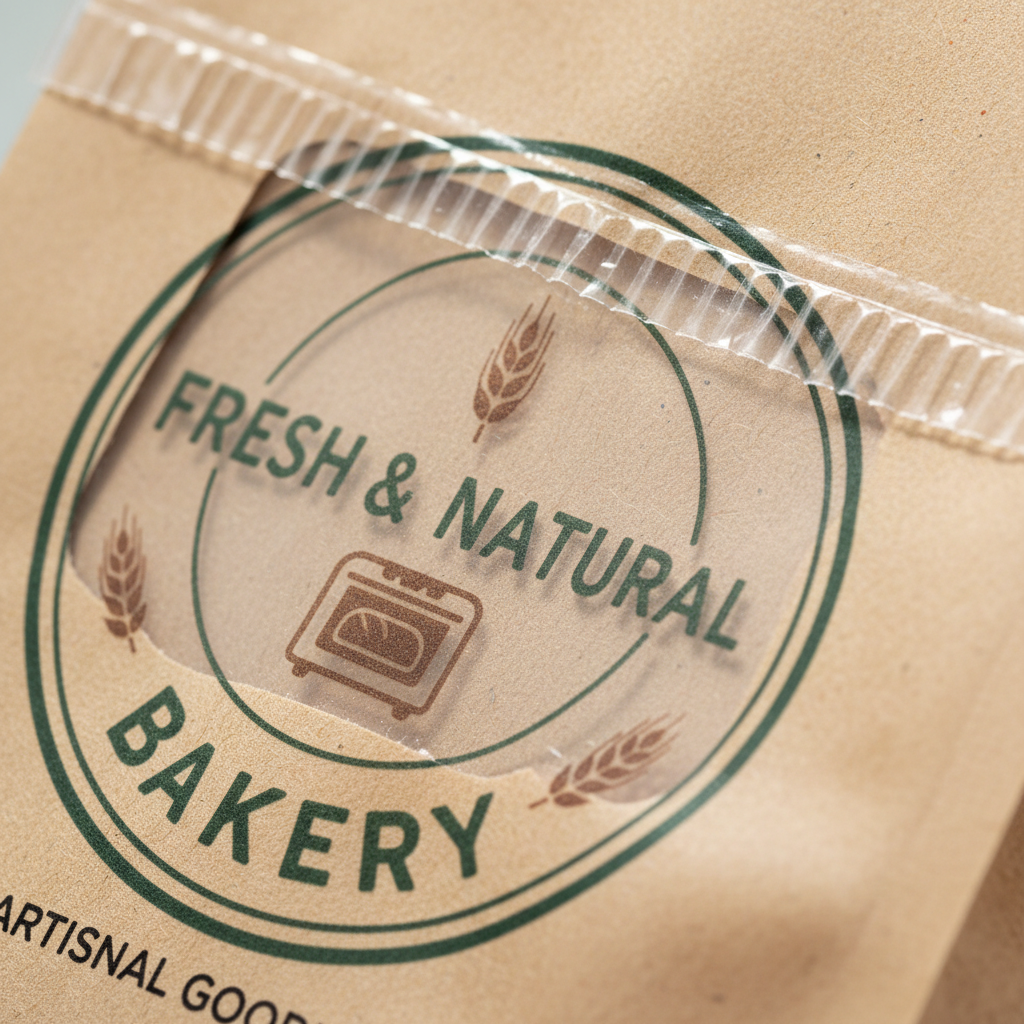
The window film should be crystal clear, not milky or scratched. Crucially, check the adhesion of the film to the paper. If the film lifts at the edges, it creates a hygiene risk and looks unprofessional. The glue used for the window must be food-safe.
Print Registration
In multi-color prints, ensure the colors align perfectly (registration). If the red overlaps the blue unintentionally, the image will look blurry. Crisp lines and text are signs of a well-calibrated production line.
Odor
Smell the inside of the bag. High-quality food packaging should be odorless. A strong chemical smell indicates the use of low-quality solvent inks or adhesives that have not been properly cured. This can taint food flavor.
Sustainability: Balancing Performance and Ecology
Sustainability is a top priority for modern buyers. However, window bags present a challenge: they combine paper and plastic.
Separable Components: Some designs allow the consumer to easily peel the plastic film away from the paper, allowing the paper to be recycled and the plastic to be disposed of separately. Instructions for this should be printed on the bag.
Bioplastics: Using PLA (corn-starch based) windows allows the entire bag to be industrially compostable. However, verify that the local infrastructure exists to process these materials.
FSC Certified Paper: Ensure the paper pulp comes from responsibly managed forests. This is a verifiable claim that adds value to your brand.
Wholesale Buying Guide: Ordering Tips
Navigating the wholesale ordering process requires preparation. Here is a checklist to streamline your procurement.
1. Determine Your MOQ (Minimum Order Quantity)
Custom printing usually requires a minimum run to amortize the setup costs (printing plates, machine calibration).
- Small Run (1,000 – 5,000 units): Often limited to digital printing or stock bags with stickers. High cost per unit.
- Standard Run (10,000 – 30,000 units): Unlocks flexographic printing. Better cost efficiency.
- Large Run (50,000+ units): Lowest cost per unit, custom sizes, and full customization options available.
2. Prepare Your Artwork
Suppliers need vector files (AI, PDF, EPS) for the sharpest print quality. Ensure all fonts are outlined and Pantone colors are specified. If you are unsure about the layout, ask for a dieline template from the manufacturer before starting the design.
3. Request Samples
Never place a large order without seeing a physical sample. Ask for “dummy” samples (unprinted) to test sizing with your actual product. If color accuracy is critical, request a “wet proof” (actual print sample), though this may incur a cost.
4. Lead Times and Logistics
Custom manufacturing takes time.
- Design & Approval: 3-5 days.
- Production: 15-25 days (depending on quantity).
- Shipping: Ocean freight can take 30-45 days. Air freight is faster but significantly more expensive.
Plan your inventory accordingly. It is wise to order 3-4 months in advance of your peak season.
For detailed guidance on starting your order, visit our how to order page.
Common Pitfalls to Avoid
- Ignoring Dimensions: A bag measured flat behaves differently when opened. Always account for the gusset width when calculating if your product will fit.
- Overlooking Storage: Paper bags are hygroscopic (they absorb moisture). Store your wholesale shipment in a cool, dry place, off the ground, to prevent warping or mold.
- Vague Specifications: Don’t just ask for a “bread bag.” Specify “140mm x 300mm + 40mm gusset, 60gsm Kraft, strip window.” Precision prevents disappointment.
Frequently Asked Questions (FAQ)
1. Can window paper bags be used for hot foods?
Yes, but you must specify this requirement. Standard windows may warp under heat. Anti-fog and heat-resistant films (like specialized PET or PP) are required for hot roasted chickens or warm pastries.
2. Are the windows recyclable?
Standard plastic windows (BOPP/PET) must be separated from the paper for recycling. PLA windows are compostable but not recyclable in standard plastic streams. We recommend printing disposal instructions on the bag to guide consumers.
3. What is the difference between a strip window and a die-cut window?
A strip window runs the full length (or most of the length) of the bag and is usually applied during the paper forming process. A die-cut window is a specific shape (circle, square, custom logo) cut out of the paper, with a film patch glued over it. Die-cut windows offer more design flexibility but can be more expensive.
4. How do I know if I need a greaseproof liner?
Perform a simple test: place your product on a standard sheet of paper for 2 hours. If an oil stain appears, you need a greaseproof bag (Kit level 7+) or a PE lining. For items like coffee beans, a liner is mandatory to preserve freshness.
5. Can I print on the window film itself?
Yes, printing on the film is possible and can create striking effects. However, keep in mind that printing over the window reduces visibility, which defeats the purpose of the window if overdone.
6. What is the standard lead time for custom printed bags?
Typically, production takes 3-4 weeks after artwork approval. Shipping times depend on your location and the freight method chosen.
7. Do you offer tin-tie closures?
Yes, tin-ties (metal strips for re-closing the bag) can be applied to most block bottom and SOS bags. They are excellent for products consumed over time, like coffee, granola, or cookies.
Conclusion
Choosing the right custom window paper bag is a balance of aesthetics, protection, and budget. These bags offer a powerful way to showcase your product’s quality while maintaining the practical benefits of paper packaging. By understanding the specifications—from GSM and coatings to window materials and print options—you can source packaging that not only protects your food but enhances your brand’s reputation.
At YBJ Packing, we specialize in helping businesses navigate these choices to find the perfect packaging solution. Whether you need high-volume wholesale runs or specific custom designs, our team is ready to assist.
Ready to elevate your product presentation? Contact our team today to request a quote or get a sample of our premium window paper bags.