

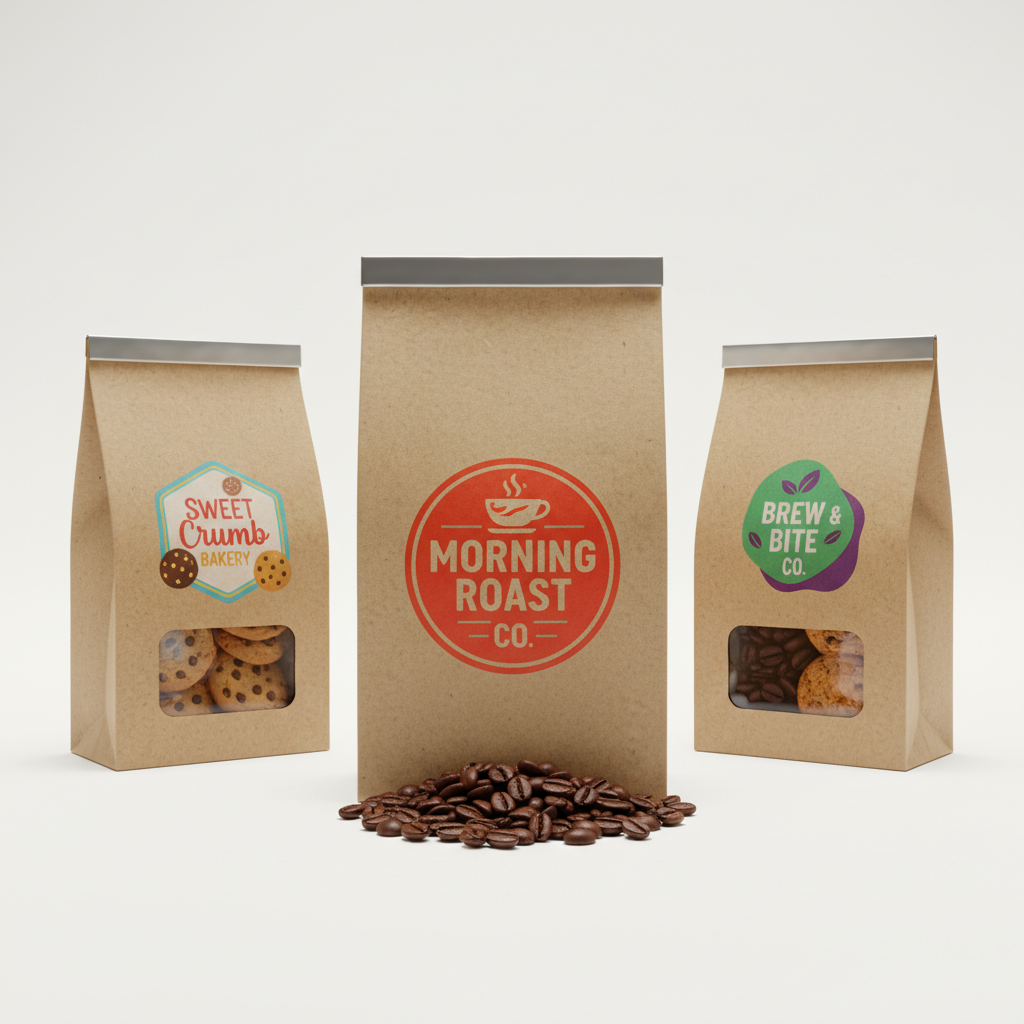
In the competitive landscape of food retail and manufacturing, packaging serves two critical roles: preserving product freshness and acting as a silent salesman on the shelf. For coffee roasters, bakeries, and dry goods distributors, the custom tin tie paper bag has emerged as a preferred solution. Combining the rustic appeal of kraft paper with the practical resealability of a tin tie closure, these bags offer a balance of functionality and aesthetic value.
Sourcing tin tie paper bags wholesale requires more than just picking a size. Procurement managers and brand owners must navigate material specifications, barrier properties, printing technologies, and supply chain logistics to ensure the final product meets both operational needs and brand standards. This comprehensive guide covers technical specifications, customization options, and essential buying tips for B2B buyers looking to optimize their packaging strategy.
1. The Anatomy of a Tin Tie Paper Bag
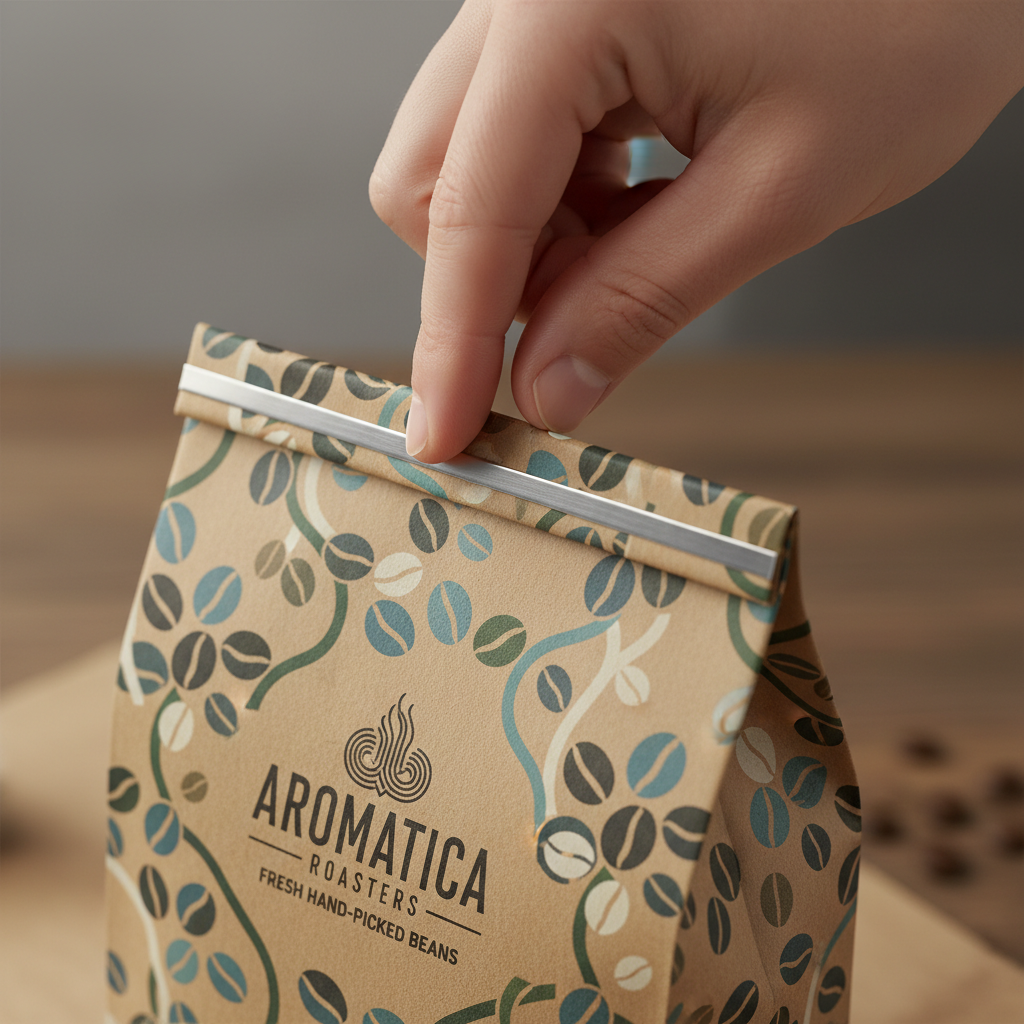
Understanding the construction of a tin tie bag is the first step in specifying the right product for your application. Unlike simple flat pouches, a standard tin tie bag is a multi-component structure designed for stability and reuse.
The Tin Tie Mechanism
The defining feature of this packaging is the tin tie itself—a pliable metal strip encased in paper or plastic, usually adhered to the top of the bag. This allows the consumer to roll down the bag top and fold the tabs inward to secure it. This mechanism is crucial for products consumed over time, such as coffee, loose-leaf tea, or granola, as it minimizes air exposure after opening.
Block Bottom (SOS) Construction
Most tin tie bags utilize a Self-Opening Sack (SOS) or block bottom design. This rectangular base provides superior shelf stability, allowing the bag to stand upright without support. For retailers, this means easier merchandising and better visibility of the front-facing branding.
Side Gussets
Side gussets expand to accommodate volume, allowing the bag to hold significant quantities of product while maintaining a compact footprint. The gusset area also offers additional real estate for printing nutritional facts, brewing instructions, or brand stories.
2. Material Specifications and Barrier Options
When ordering custom tin tie paper bags, the choice of material dictates not only the look and feel but also the shelf life of the product inside. Manufacturers typically offer a range of substrates and liners.
Outer Layer Options
- Natural Kraft Paper: The most popular choice for organic, artisanal, or eco-friendly brands. It provides a natural, fibrous texture.
- Bleached White Kraft: Offers a cleaner canvas for vibrant full-color printing. Colors pop more accurately on white backgrounds compared to brown kraft.
- Coated Paper: For a more premium or glossy finish, coated papers can be used, though they are less common in the “rustic” tin tie segment.
Liners and Grease Resistance
Paper is porous; without a liner, oils from coffee beans or buttery cookies will stain the exterior, ruining the packaging’s appearance. Selecting the right liner is non-negotiable for food products.
- Polypropylene (PP) or PE Lining: A thin plastic layer laminated to the interior. It provides a strong barrier against grease and moisture. This is standard for coffee and oily snacks.
- PLA (Polylactic Acid) Lining: A biodegradable option derived from plant starches (often corn). It offers decent grease resistance and aligns with compostable packaging goals, though it may have a shorter shelf life than PE.
- Glassine: A smooth, grease-resistant paper liner. It is often used for bakery items where a plastic-free solution is desired, though it is less effective against moisture than plastic.
- Foil Laminates: For maximum shelf life, especially for sensitive products like ground coffee, a foil layer can be integrated to block light and oxygen completely.
3. Sizing and Capacity Guidelines
Choosing the correct dimensions prevents product settling (which makes the bag look underfilled) or overfilling (which compromises the seal). Capacities are generally referenced by the weight of coffee beans they hold, but density varies by product.
| Common Designation | Approximate Dimensions (WxDxH) | Ideal For |
|---|---|---|
| 1/2 lb (250g) | 85mm x 60mm x 230mm | Sample packs, tea, small confectioneries |
| 1 lb (500g) | 120mm x 65mm x 245mm | Standard retail coffee bags, granola, cookies |
| 2 lb (1kg) | 140mm x 75mm x 280mm | Bulk grains, flour, family-size snacks |
Note: Always request physical samples to test your specific product volume before placing a bulk order.
4. Printing Technologies for Custom Branding
To transition from a commodity container to a branded asset, you need high-quality printing. The method used often depends on your order volume and design complexity. Browsing a specific tin tie paper bag category can give you visual examples of what is possible.
Flexographic Printing
Flexography is the industry standard for high-volume wholesale orders. It uses flexible relief plates to transfer ink onto the substrate.
- Pros: Extremely cost-effective for large runs (10,000+ units); consistent color matching (Pantone); works well on rough kraft surfaces.
- Cons: Higher initial setup costs (plate fees); difficult to achieve photo-realistic gradients.
Digital Printing
For smaller runs or seasonal promotions, digital printing is gaining traction.
- Pros: Low minimums; no plate fees; ability to print variable data (e.g., unique QR codes); photo-quality images.
- Cons: Higher per-unit cost; ink coverage on textured kraft can sometimes look different than flexo.
Hot Stamping & Spot UV
For luxury positioning, consider post-processing effects. Hot stamping applies metallic foil (gold, silver, copper) to the logo, creating a premium look that catches the light. Spot UV adds a glossy, raised texture to specific areas, creating a tactile contrast against the matte paper.
5. Window vs. Non-Window Options
A critical design decision is whether to include a viewing window.
The Case for Windows
A die-cut window, typically covered with clear PET or PLA film, allows the consumer to see the product texture and freshness. This is highly effective for:
- Bakery items: Cookies, donuts, and artisan breads where visual appeal drives impulse buys.
- Confectionery: Chocolates and colorful candies.
- Pasta and Grains: Showing the quality of the raw ingredient.
The Case for Solid Bags
Solid bags without windows are preferred when light sensitivity is a concern. Roasted coffee beans, for example, degrade faster when exposed to UV light. A solid kraft bag with a foil liner offers superior protection. Additionally, solid bags provide a larger uninterrupted canvas for artwork and branding messages.
6. Use Cases in the Food Industry
While synonymous with coffee, the versatility of tin tie bags extends across the food sector. Exploring a broad food packaging bag collection reveals their adaptability.
Coffee and Tea
The resealable top is essential for maintaining the aromatic profile of beans and leaves. While many roasters use valve bags, tin tie bags remain popular for short-term retail sales or in-store dispensing where the beans are ground on-site.
Bakery and Deli
For short shelf-life items like croissants, cookies, or sandwiches, a tin tie bag with a window is the gold standard. The tie allows the customer to close the bag if they don’t finish the item in one sitting, a convenience that plastic wrap often lacks.
Pet Treats
The premium pet food market mirrors human food trends. Natural kraft tin tie bags signal “organic” and “healthy” to pet owners looking for high-quality treats for their dogs or cats.
Dry Goods and Spices
From bath salts to specialty flours, any dry granular product benefits from the block bottom stability and easy-access opening of these bags.
7. Manufacturing and Quality Assurance
When sourcing tin tie paper bag manufacturers, understanding the production process helps in vetting suppliers. The process typically involves:
- Printing: The paper roll is printed with your custom design.
- Lamination: If a liner is required, the paper is laminated with the plastic or foil film.
- Die Cutting & Forming: The roll is cut into bag blanks, and the window (if applicable) is cut and patched.
- Gluing: The side seams and bottom are glued to form the bag structure.
- Tin Tie Application: The tin tie is applied to the top using a strong hot-melt adhesive.
Quality Inspection Points
Reliable suppliers perform strict QA checks:
- Adhesion Test: Ensuring the tin tie does not peel off when bent repeatedly.
- Seal Strength: Checking the bottom and back seams to prevent bursts.
- Print Registration: Verifying that colors align correctly and text is sharp.
- Odor Check: Ensuring inks and glues are food-grade and low-odor to prevent tainting the food product.
8. Buying Guide: How to Order Wholesale
Navigating the procurement process efficiently can save time and money. Here is a checklist for placing your order.
1. Determine Your MOQ (Minimum Order Quantity)
Custom printing usually requires a minimum volume to justify the setup. Standard MOQs for custom printed tin tie bags might range from 10,000 to 30,000 units depending on the complexity. Stock bags (plain) can often be purchased in much smaller quantities (e.g., 1 case).
2. Prepare Your Artwork
Suppliers will need vector files (AI or PDF) for your logo and design. Ensure all fonts are outlined and colors are specified in Pantone (PMS) codes for accuracy. If you are unsure about the layout, ask the manufacturer for a dieline template.
3. Request Samples
Before committing to a full production run, request a physical sample. While a custom printed sample may incur a fee, you can often get a “stock sample” (a bag they made for another client) for free or for the cost of shipping. This allows you to test the material quality and size.
4. Confirm Lead Times
Production times vary by season and factory load. A typical timeline might be:
- Design Approval: 2-5 days
- Plate Making: 5-7 days
- Production: 15-25 days
- Shipping: Varies by method (Air: 5-10 days, Sea: 30-45 days)
For urgent projects, clear communication is vital. Visit our how to order page to understand the workflow and expedite your request.
9. Sustainability and Environmental Impact
Sustainability is no longer optional. B2B buyers are under pressure to reduce plastic usage. Tin tie bags offer a compelling narrative:
- Recyclability: To be fully recyclable, the consumer typically needs to remove the tin tie (which contains metal) and the plastic liner. Some manufacturers offer “easy-peel” ties or fully paper-based solutions, though barrier properties may vary.
- Compostability: Bags made with kraft paper and PLA liners are industrially compostable. However, the tin tie must be removed before composting.
- Source Reduction: Compared to rigid plastic containers or glass jars, paper bags are lightweight and ship flat, significantly reducing transportation carbon footprints.
10. Frequently Asked Questions (FAQ)
Q1: Can I get tin tie bags that are 100% plastic-free?
Yes, unlined kraft bags are plastic-free, but they have very low grease resistance and air barrier properties. They are suitable for dry, non-oily items like dried pasta or beans, but not for coffee or cookies.
Q2: How do I seal a tin tie bag for retail sale?
While the tin tie closes the bag, it does not provide a tamper-evident seal. Most brands use a heat sealer to seal the very top of the bag (above the tie) or apply a branded sticker/label over the folded flap to ensure the bag hasn’t been opened.
Q3: Are the inks used safe for food packaging?
Reputable manufacturers use food-grade, water-based, or soy-based inks that comply with international food safety standards. Always ask for compliance documentation.
Q4: Can you print on the bottom of the bag?
Yes, the bottom of a block bottom bag is a printable area. It is often used for barcodes, recycling symbols, or batch numbers.
Q5: What is the difference between a tin tie bag and a coffee valve bag?
A valve bag includes a one-way degassing valve that lets CO2 escape from fresh-roasted coffee without letting oxygen in. Standard tin tie bags do not have this valve, making them better suited for coffee that has already degassed or for short-term consumption.
Q6: Do you offer custom sizes outside of standard dimensions?
Yes, custom sizes are possible but usually require a new mold or tooling setup, which may increase the cost and MOQ.
Q7: How should I store empty tin tie bags?
Store them in a cool, dry place away from direct sunlight. High humidity can cause the paper to warp or the glues to weaken over time.
Conclusion
Custom tin tie paper bags offer a versatile, attractive, and functional packaging solution for a wide array of food products. They combine the tactile quality of paper with the convenience of a resealable closure, enhancing the customer experience while preserving product integrity.
Whether you are launching a new coffee brand or upgrading your bakery’s packaging, selecting the right specifications—from material liners to print finishes—is key to success. By partnering with an experienced manufacturer, you can navigate the technical details and secure packaging that elevates your brand.
Ready to explore your options? Contact us today to request a quote or get a sample of our high-quality tin tie bags tailored to your business needs.