

Introduction to Sustainable Food Service Packaging
The global shift away from single-use plastics and Expanded Polystyrene (EPS) has fundamentally reshaped the procurement landscape for food service providers. For restaurants, catering chains, and distributors, the demand for sustainable, high-performance packaging is no longer just a niche preference—it is a market requirement. Among the leading alternatives, sugarcane bagasse containers have emerged as a superior substrate, offering a balance of structural integrity, thermal resistance, and environmental compliance.
Sourcing wholesale sugarcane bagasse containers requires more than simply finding a vendor. Procurement managers must navigate technical specifications, understand the limitations and possibilities of customization, and ensure that the product meets rigorous food safety standards. Unlike plastic, which is uniform, molded pulp is a natural fiber product with distinct characteristics regarding moisture retention, grease resistance, and printability.
This comprehensive guide addresses the technical and logistical aspects of buying custom sugarcane bagasse containers in bulk. We will explore material specifications, the realities of printing and embossing, quality control benchmarks, and the critical factors to consider when placing large-volume orders.
What is Sugarcane Bagasse Packaging?
The Material Source
Bagasse is the fibrous residue that remains after sugarcane stalks are crushed to extract their juice. Historically treated as agricultural waste or fuel for mill boilers, this biomass is now repurposed into a high-value pulp. Because sugarcane is a rapidly renewable resource—harvested annually—bagasse packaging has a significantly lower carbon footprint compared to wood-pulp paper or petroleum-based plastics.
The Manufacturing Process
The transformation from raw fiber to a finished container involves several critical steps that define the quality of the final product:
- Pulping: The fibers are cleaned, cooked, and mashed into a slurry. At this stage, food-grade additives for water and oil resistance are introduced.
- Molding (Wet Forming): The slurry is sprayed or dipped onto a mesh screen mold, where a vacuum draws out water, matting the fibers into the shape of the container.
- Pressing & Drying: The pre-formed wet shape is transferred to a hot mold where it is pressed under high heat and pressure. This sterilizes the product and gives it a smooth surface and defined edges.
- Trimming & Inspection: Edges are trimmed for precision, and the product undergoes quality checks.
Understanding this process is vital for buyers because the quality of the mold determines the dimensional accuracy and stackability of the final product.
Technical Specifications and Material Properties
When evaluating specifications for your food packaging box inventory, specific technical parameters determine whether a container is suitable for your menu items. Bagasse is versatile, but it performs differently than plastic.
Thermal Resistance
Standard bagasse containers are highly capable in varying temperature environments:
- Heat Resistance: Typically withstands hot oil up to 120°C (248°F) and hot water up to 100°C (212°F). This makes them suitable for hot soups, curries, and greasy fried foods.
- Microwave Safe: Bagasse is microwave-transparent, meaning it does not warp or melt under standard reheating conditions.
- Freezer Safe: The material remains stable in freezer conditions, typically down to -20°C (-4°F), without becoming brittle like some plastics.
Grease and Water Resistance
Raw cellulose fiber is naturally absorbent. To make it suitable for food service, manufacturers add sizing agents. It is crucial to specify your requirements regarding resistance:
- Standard Oil Proofing: Most containers are treated to resist grease penetration for several hours.
- PFAS-Free Options: With increasing regulations regarding Per- and Polyfluoroalkyl Substances (PFAS), many buyers are shifting to PFAS-free oil repellents. Be aware that PFAS-free alternatives may have lower grease resistance durations or temperature thresholds. Always request data sheets if your region has strict chemical compliance laws.
Structural Rigidity
Bagasse containers are thicker and more rigid than paperboard. This provides excellent insulation for hot foods, reducing the need for double-cupping or sleeves. However, the fiber density affects the weight and shipping costs. High-quality molding results in a denser, smoother wall that resists sogginess for longer periods.
Customization Options: Printing vs. Embossing
Branding is a primary concern for wholesale buyers. However, customizing molded pulp differs significantly from printing on flat paperboard or plastic. The fibrous texture and the molding process impose specific constraints and opportunities.
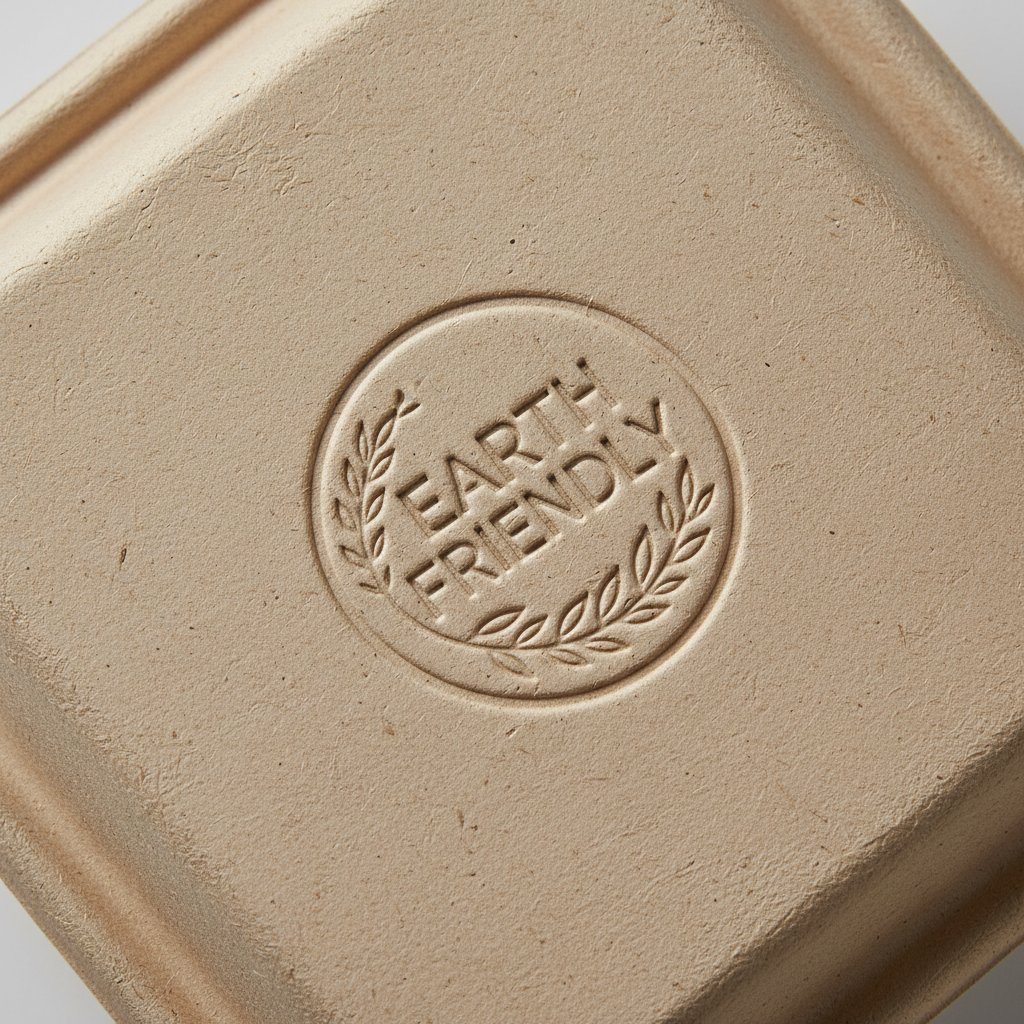
1. Custom Mold Embossing/Debossing
This is the most effective and premium method for branding bagasse products. Instead of using ink, your logo is engraved directly into the production mold.
- Pros: Permanent, premium look and feel, no ink safety concerns, zero impact on compostability.
- Cons: Requires an initial investment in tooling (mold costs). It is generally viable only for high-volume orders (e.g., 50,000+ units) where the mold cost is amortized.
- Best For: Clamshell lids, plate rims, and bowl bottoms.
2. Direct Printing (Pad or Offset)
Direct printing on bagasse is possible but challenging due to the surface texture.
- Pad Printing: Suitable for small logos (1-2 colors) on a specific spot. It is cost-effective for smaller runs but offers limited coverage.
- Inkjet/Offset: Rarely used on molded pulp due to the uneven surface. If attempted, the print quality is often lower resolution than on paperboard.
- Consideration: Any ink used must be certified compostable and food-safe to maintain the product’s eco-credentials.
3. Sleeves and Bands
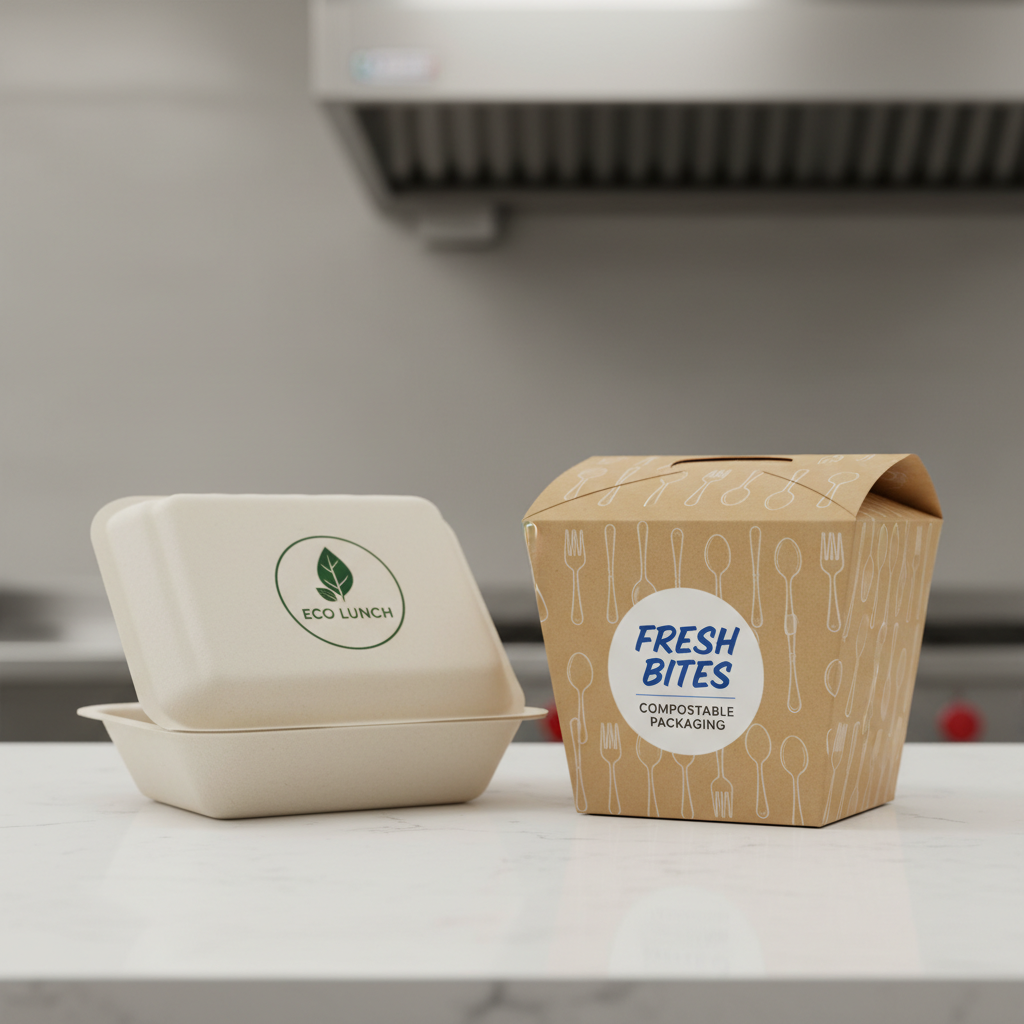
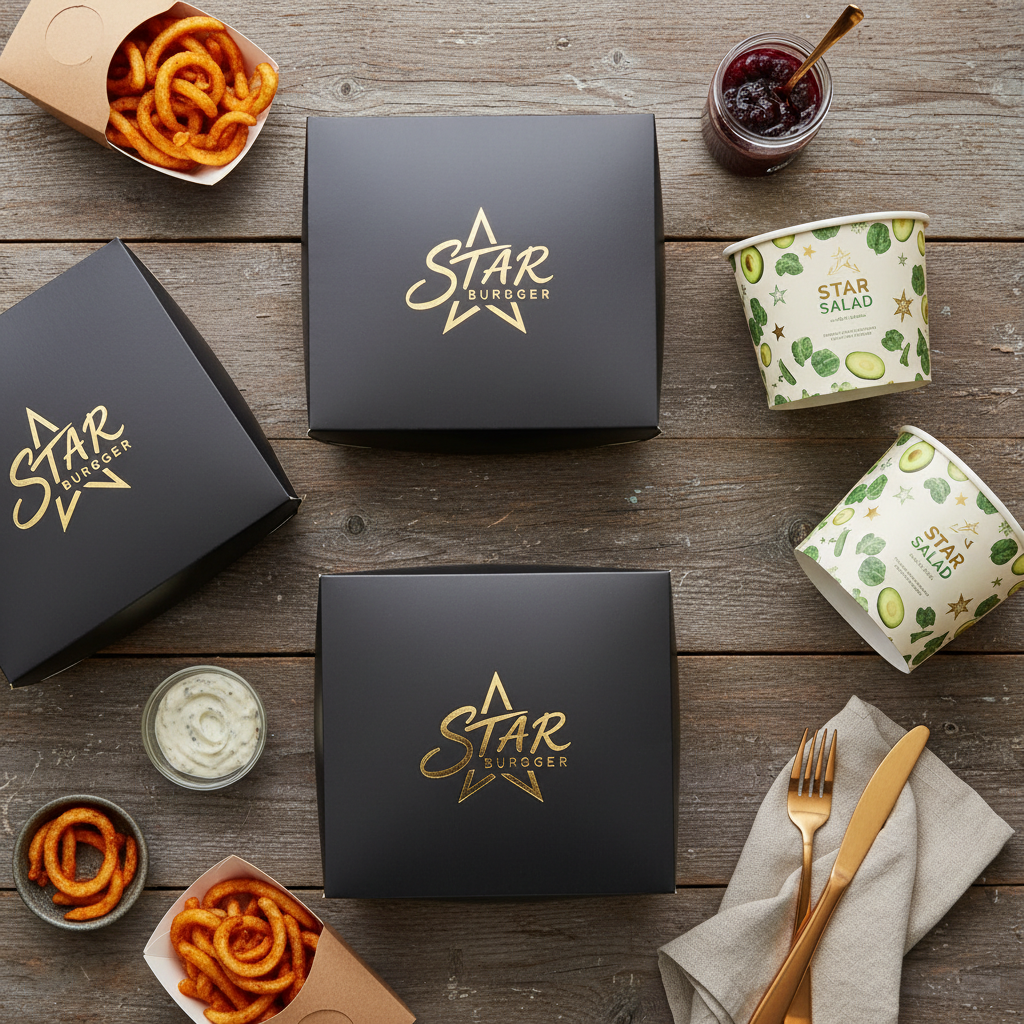
For high-impact, full-color graphics, custom cardstock sleeves are the industry standard for bagasse containers.
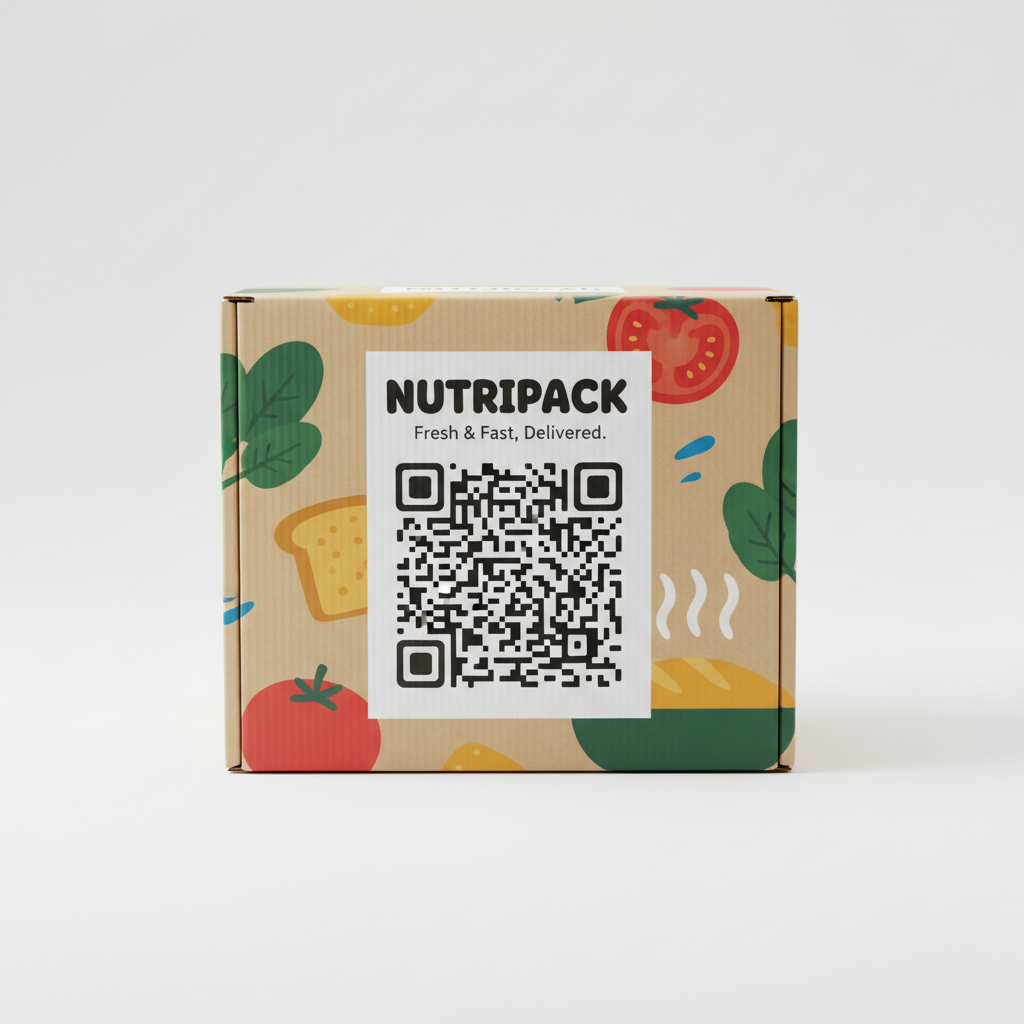
- Pros: Allows for CMYK full-color printing, nutritional information, and barcodes. No changes to the container mold are required.
- Cons: Additional assembly step during packing.
- Best For: Retail grab-and-go meals, supermarket displays.
4. Stickers and Labels
A flexible option for lower volumes or variable data (e.g., date codes, flavor variants).
- Pros: Low MOQ, high flexibility.
- Cons: Can affect compostability if the sticker material and adhesive are not also compostable.
Types of Sugarcane Bagasse Containers
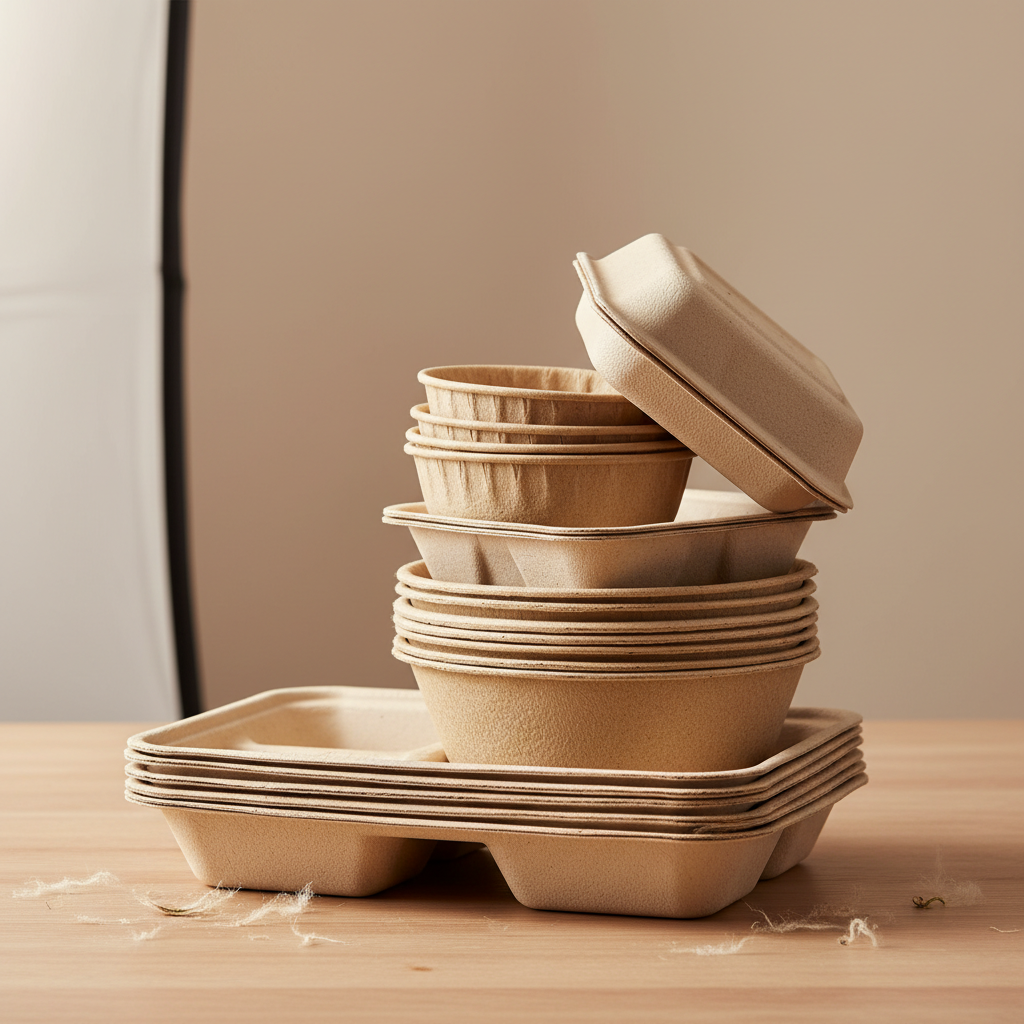
Selecting the right form factor is essential for operational efficiency. Below are the common categories available for wholesale:
Clamshells (Hinged Containers)
The workhorse of the takeaway industry. Available in single, double, or triple compartments. The hinge design eliminates the need for a separate lid, simplifying inventory management. Key specs to check include the locking mechanism—ensure the tab lock is secure enough to prevent accidental opening during delivery.
Bowls and Tubs
Ideal for salads, poke bowls, and soups. These require separate lids. Lid compatibility is a major procurement detail:
- Bagasse Lids: Fully compostable but opaque (cannot see the food).
- PET/RPET Lids: Clear plastic, recyclable, excellent visibility, but not compostable.
- PLA Lids: Clear and compostable, but heat sensitive (deforms above 40°C).
- PP Lids: Microwave safe and clear, but not biodegradable.
Trays and Plates
Used heavily in catering and institutional feeding (schools, hospitals). Rigidity is the priority here to prevent bending when carrying heavy meals.
Bleached (White) vs. Unbleached (Natural)
Bagasse pulp naturally has a beige or light brown color. To achieve white containers, the pulp undergoes a bleaching process (usually Elemental Chlorine Free – ECF).
- Unbleached (Natural): Signals sustainability to the consumer immediately. The brown tone hides minor grease spots better than white. Often preferred by organic and eco-centric brands.
- Bleached (White): Offers a cleaner, more clinical look. Colors from food pop more against the white background. Preferred by some high-end fast-casual chains and medical institutions.
Both options have similar structural properties; the choice is primarily aesthetic and branding-related.
Quality Control: What to Inspect
When evaluating samples or receiving a shipment, specific quality markers distinguish high-grade manufacturing from budget alternatives:
- Edge Trimming: High-quality containers have smooth, clean edges. Poor trimming results in “flashing” (excess material) or rough rims that can feel unpleasant to the user or prevent lids from sealing tightly.
- Surface Texture: The interior surface (wire side vs. smooth side) should be consistent. Excessive roughness can snag cutlery.
- Weight Consistency: Weigh 10 random samples. Significant variance suggests poor pulp control, which can lead to weak spots in lighter units.
- Leak Testing: Fill samples with hot water and oil (separately) and place them on a paper towel for 30 minutes. Check for dark spots on the bottom indicating seepage.
- Stacking & De-nesting: Containers should stack tightly to save shipping space but must separate (de-nest) easily. If they stick together, it slows down the kitchen assembly line significantly.
The Wholesale Buying Guide
Successfully importing or purchasing bulk bagasse packaging involves understanding logistics and production timelines.
Minimum Order Quantities (MOQ)
Because bagasse production involves massive machinery and energy-intensive drying tunnels, manufacturers set MOQs to ensure efficiency.
- Standard Items: Usually have lower MOQs (e.g., 10,000 to 50,000 units) as they can be combined with other production runs.
- Custom Embossed Items: Often require MOQs of 50,000 to 100,000 units per size to justify the mold setup.
Lead Times
Plan ahead. Custom orders typically follow this timeline:
- Design & Mold Creation: 7–14 days.
- Sample Approval: 7–10 days (including shipping).
- Mass Production: 20–30 days depending on volume.
- Shipping: 30–45 days for ocean freight.
Artwork and File Requirements
If you are requesting custom embossing or printed sleeves, ensure your design team provides vector files (AI, EPS, or PDF). For embossing, avoid overly intricate details or fine text, as the pulp molding process has a lower resolution than ink printing. Bold, simple lines work best.
Sustainability and Compliance
Your packaging is a statement about your brand’s values. Ensure your supplier can verify the following:
- Compostability Standards: Look for compliance with standards such as ASTM D6400 (USA) or EN 13432 (EU). This certifies that the product breaks down into biomass within a specific timeframe in industrial composting facilities.
- Food Contact Safety: FDA (USA) or LFGB (Europe) compliance is non-negotiable for materials in direct contact with food.
Common Use Cases and Selection Tips
For Burgers and Sandwiches
Choose a 6×6″ or 9×6″ clamshell. Ensure the hinge is durable. Ventilation holes are sometimes necessary to prevent crispy buns from becoming soggy due to steam.
For Curries and Saucy Meals
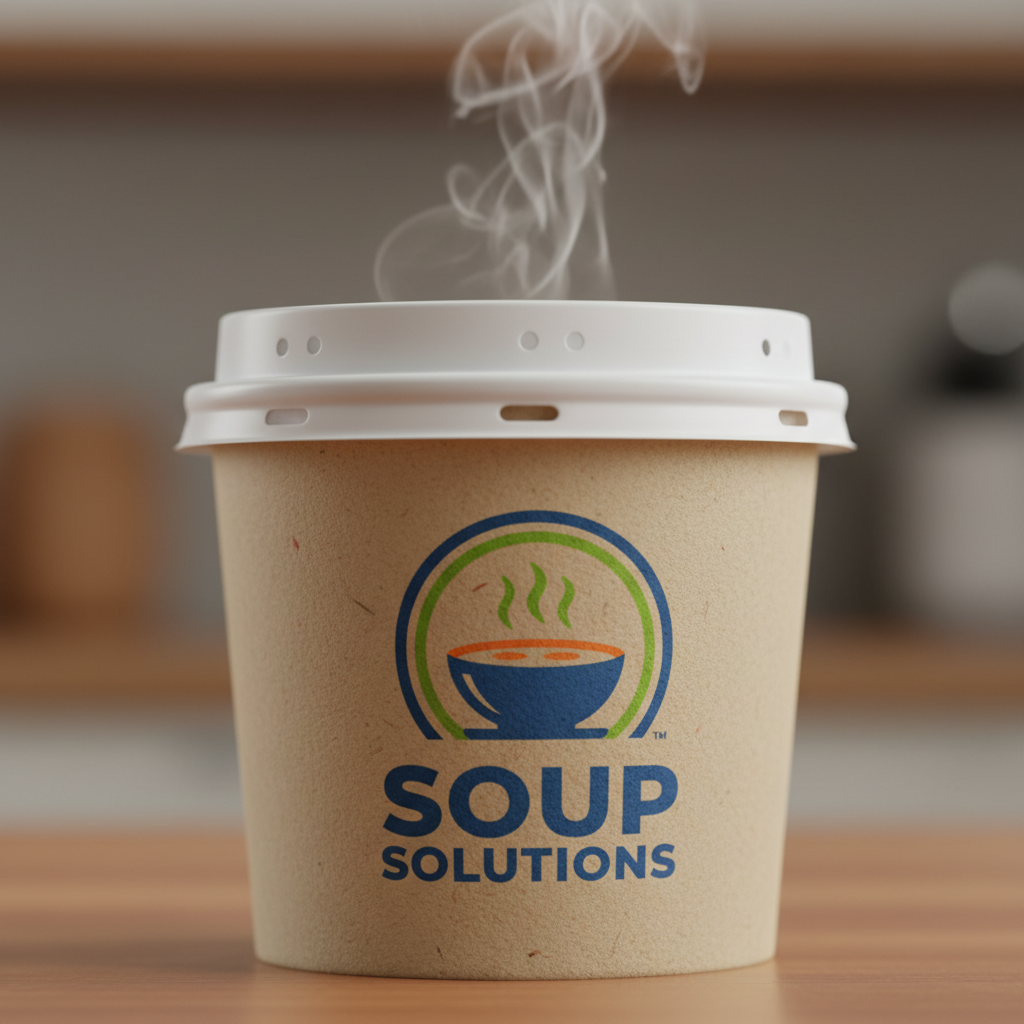
Opt for bowls with tight-fitting lids rather than clamshells. Clamshells are not liquid-tight at the hinge. A deep bowl with a secure PP or Bagasse lid is safer for delivery.
For Multi-Item Meals
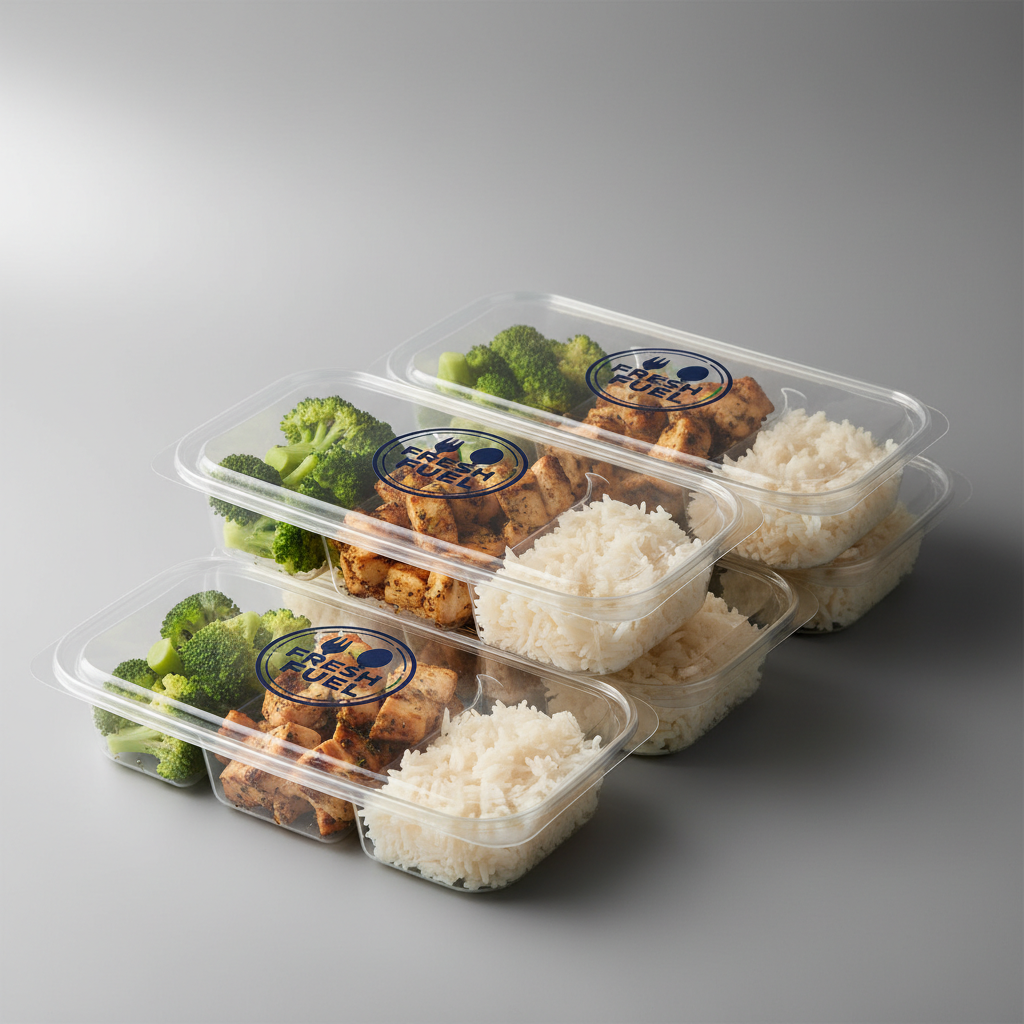
Compartment trays (3-compartment) are essential to keep sides (like rice or salad) separate from the main protein. This improves presentation and prevents flavor mingling.
FAQs: Buying Custom Bagasse Containers
1. Can bagasse containers be used in the oven?
Generally, bagasse can withstand oven temperatures up to 200°C for short durations (e.g., reheating for 10-15 minutes). However, it is not designed for baking from raw batter. Always test with your specific food product and equipment.
2. How long do bagasse containers last in storage?
If stored in a cool, dry place away from direct sunlight, they have a shelf life of 2-3 years. High humidity can soften the material over time, so climate-controlled warehousing is recommended.
3. Why is there a price difference between vendors for the “same” container?
Price variances often reflect weight (pulp density), raw material quality (cleanliness of fiber), and inspection standards. Cheaper options may be thinner, leading to collapsing when stacked with heavy food.
4. Is custom printing expensive?
Custom embossing requires a one-time mold fee (tooling cost) but adds no cost to the unit price. Custom printing (ink) is rare and expensive. Printed sleeves are a variable cost that scales with volume.
5. Are bagasse containers suitable for long-distance food delivery?
Yes, they are excellent for delivery because they are breathable (preventing sogginess) yet insulating. For soups, however, ensure you select a bowl with a locking lid specifically designed for liquid transport.
6. Can I get a sample before placing a bulk order?
Absolutely. Requesting samples is a standard part of the ordering process. You should test samples with your actual menu items to verify size and grease resistance.
7. What is the difference between “Home Compostable” and “Industrial Compostable”?
Most bagasse is industrially compostable (requires high heat). Some thinner, additive-free versions are home compostable. Verify the certification if home compostability is a marketing claim you intend to make.
Conclusion
Switching to or customizing sugarcane bagasse containers is a strategic move that aligns operational efficiency with environmental responsibility. Whether you need branded clamshells for a burger chain or multi-compartment trays for institutional catering, the key to a successful wholesale order lies in defining your specs—grease resistance, lid fit, and print requirements—before production begins.
At YBJ Packing, we specialize in helping businesses navigate these technical details to deliver high-performance, sustainable packaging solutions.
Ready to upgrade your packaging? Contact our team today to request a quote or get a sample kit tailored to your menu.