

Introduction: The Clear Advantage in Food Retail
In the competitive landscape of food service and retail, product visibility is often the deciding factor in a purchase. For procurement managers, brand owners, and packaging engineers, selecting the right transparent packaging is not just about containment—it is about presentation, preservation, and brand elevation. Custom plastic PET packaging boxes have emerged as the industry standard for high-visibility retail packaging, offering a superior balance of crystal-clear aesthetics, durability, and food safety.
Unlike traditional paperboard which hides the product, or lower-grade plastics that may haze or crack, Polyethylene Terephthalate (PET) offers optical clarity comparable to glass but with the lightweight resilience of plastic. For B2B buyers sourcing wholesale packaging, understanding the nuances of PET specifications, printing technologies, and structural design is essential to minimizing costs and maximizing shelf appeal.
This comprehensive guide explores the technical and commercial aspects of sourcing custom plastic PET packaging boxes. From material thickness and anti-fog coatings to UV offset printing and wholesale ordering logistics, we provide the detailed insights required to make informed procurement decisions.
Why PET is the Gold Standard for Food Visibility
When selecting materials for clear packaging, buyers typically encounter three main options: PVC (Polyvinyl Chloride), PET (Polyethylene Terephthalate), and PP (Polypropylene). While each has its place, PET has become the dominant choice for food applications for several technical and environmental reasons.
Optical Clarity and Shelf Appeal
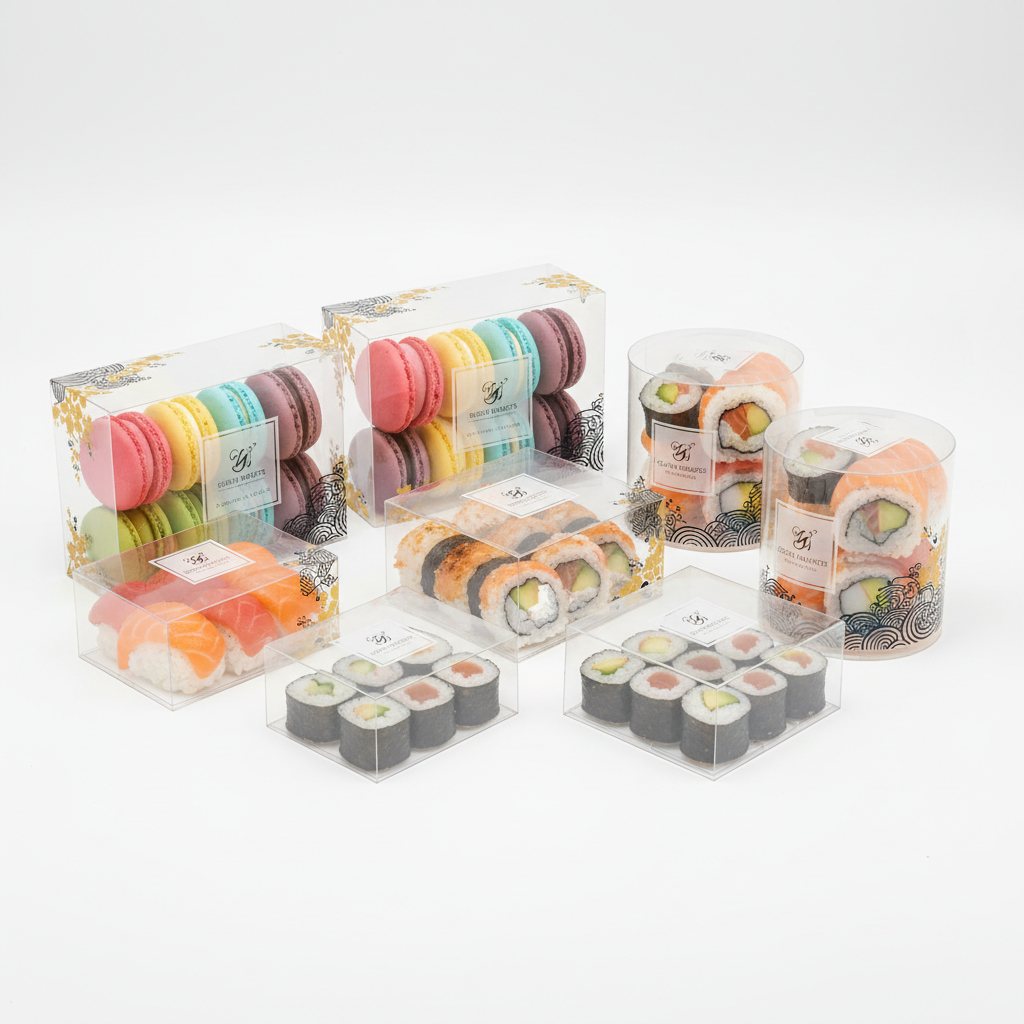
The primary function of a clear box is to showcase the product inside without distortion. PET is renowned for its high gloss and exceptional transparency. It does not have the bluish tint often associated with PVC or the milky haze common in PP. This makes it ideal for colorful food items like macarons, sushi, or artisanal chocolates where visual fidelity is paramount.
Food Safety and Chemical Resistance
For food service buyers, safety is non-negotiable. PET is widely recognized in the industry as a food-safe material. It is chemically inert, meaning it does not react with food ingredients, oils, or acids. Unlike some plastics that may leach chemicals under certain conditions, food-grade PET provides a safe barrier that maintains the integrity of the food product.
Environmental Considerations
Sustainability is increasingly driving procurement policies. PET is one of the most widely recycled plastics globally. Sourcing PET packaging signals a commitment to recyclability, an important factor for modern consumers and retailers alike.
Technical Specifications for Buyers
Ordering custom packaging requires precise specifications to ensure the final product meets performance requirements. Below are the key technical factors to define when requesting a quote.
Material Thickness Guide
The thickness of the PET sheet determines the box’s structural integrity. Thickness is usually measured in millimeters (mm), microns, or mil (thousandths of an inch). Choosing the right thickness depends on the weight of the product and the size of the box.
- 0.25mm – 0.30mm (10-12 mil): Suitable for very small, lightweight items (e.g., single macaron boxes, small confectionery).
- 0.35mm – 0.45mm (14-18 mil): The standard range for most retail packaging. Good for cosmetic boxes, medium-sized food packs, and gift boxes.
- 0.50mm – 0.70mm (20-28 mil): Heavy-duty grade. Required for larger boxes, heavy items, or packaging that will be stacked high on retail shelves.
Pro Tip: If your box is large but the material is too thin, the walls will bow and buckle. Conversely, using material that is too thick for a small box adds unnecessary cost and makes assembly difficult.
Soft Crease Technology
One challenge with plastic folding cartons is that plastic has a “memory”—it wants to return to its flat state. To combat this, high-quality manufacturers use Soft Crease (or High-Frequency) technology. This process uses heat and pressure to create a deep, flexible score line. This ensures the box folds squarely and stays folded, significantly reducing assembly time on the packing line. When sourcing wholesale, always ask if the manufacturer uses soft crease technology, especially for automated packaging lines.
Functional Coatings: Anti-Scratch and Anti-Fog
Standard PET is durable, but specific environments require enhanced performance:
- Anti-Scratch Coating: PET can be prone to scuffing during transit. An anti-scratch coating helps maintain the pristine, glossy look from the factory to the customer’s hand.
- Anti-Fog Coating: Critical for refrigerated food. When a food item with moisture (like a salad or warm pastry) is placed in a sealed box and refrigerated, condensation can form, obscuring the view. Anti-fog treatments disperse water droplets into a thin film, keeping the window clear.
Custom Printing & Branding Options
A plain clear box is functional, but a printed box is a marketing tool. Printing on plastic requires different technologies than printing on paper due to the non-porous nature of the substrate.
UV Offset Printing
This is the most common method for high-volume, high-quality wholesale orders. Because PET is non-absorbent, traditional inks would smear. UV offset printing uses ultraviolet light to cure (dry) the ink instantly. This allows for:
- Photographic quality images (CMYK).
- Sharp text and vibrant colors.
- High production speeds suitable for bulk orders.
Silk Screen Printing
Silk screening applies a thick layer of ink through a mesh screen. It is ideal for solid spot colors and bold logos. While it has a lower resolution than offset printing, it offers superior opacity and tactile texture. It is often used for simple, high-impact branding on clear boxes.
Hot Foil Stamping
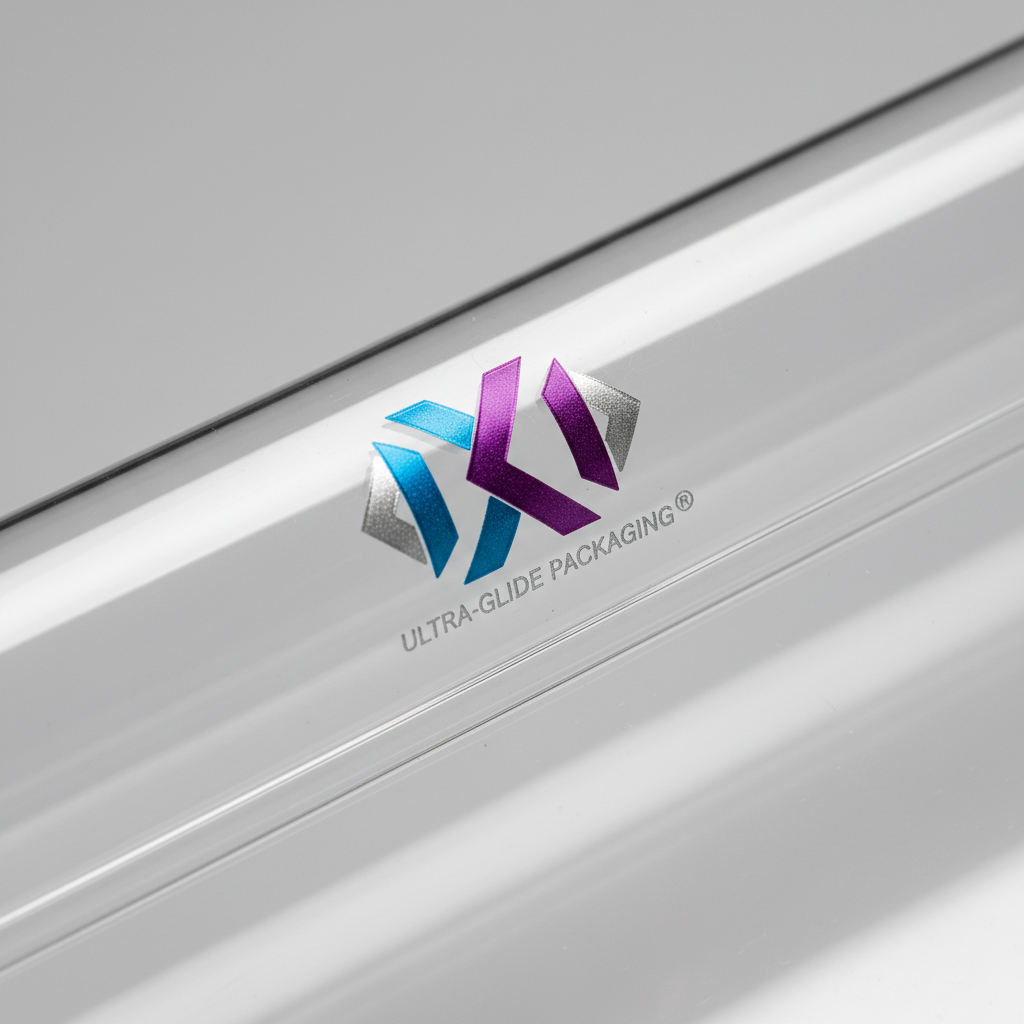
For a premium look, hot foil stamping applies metallic foil (gold, silver, rose gold, holographic) to the plastic surface using heat and pressure. This is highly effective for luxury food brands, such as premium chocolates or holiday gift sets. The metallic shine contrasts beautifully with the transparency of the PET.
Frosted and Matte Effects
Designers can play with transparency by applying a matte varnish or frosted effect to specific areas of the box. This creates a window effect where the product is revealed only through the clear sections, while the rest of the box has a sophisticated, soft-touch translucent finish.
Structural Design & Box Styles
The structure of the box dictates how easily it can be assembled and how well it protects the contents. Common styles for food packaging boxes include:
1. Auto-Lock Bottom Boxes
Best for: Heavy items and fast assembly.
The bottom of the box automatically locks into place when the box is popped open. This is the most efficient style for manual fulfillment lines as it minimizes assembly time.
2. Tuck Top / Snap-Lock Bottom (1-2-3 Bottom)
Best for: Medium weight items.
The bottom flaps interlock for security. It takes slightly longer to assemble than an auto-lock but is often more cost-effective to manufacture.
3. Pillow Packs
Best for: Lightweight items, favors, and candies.
These have a curved, pillow-like shape. They are unique and attractive but offer less structural support for heavy items. They are excellent for small confectionery gifts.
4. Clear Sleeves
Best for: Sliding over paper trays or rigid boxes.
A clear PET sleeve can be slid over a paperboard tray. This hybrid approach combines the rigidity and eco-feel of paper with the visibility of plastic. It is a popular choice for sushi platters and macaron trays.
Application Scenarios in Food Service
Different food sectors have unique requirements for their plastic packaging.
Bakery and Confectionery
Bakeries use custom PET boxes to protect delicate icing and decorations while ensuring customers can see the artistry. For cupcakes, internal PET or paper inserts are crucial to hold the product in place and prevent it from tipping during transport. Grease resistance is also a key factor here; while PET is naturally resistant, ensuring the box seals well prevents butter or oil leakage.
Fresh Produce and Salads
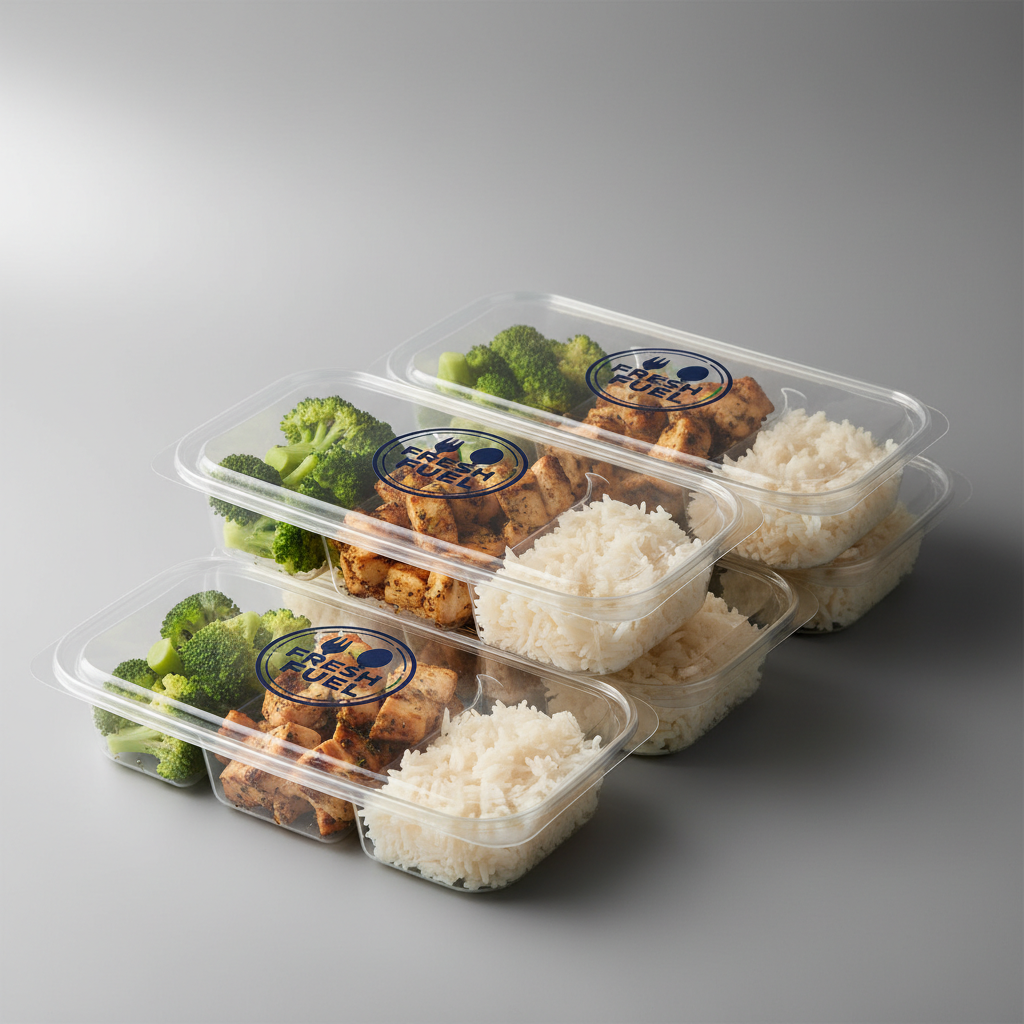
For cut fruit, salads, and prepared meals, the focus is on hygiene and freshness. These boxes often require anti-fog coatings to ensure the product looks fresh in a refrigerated display case. Ventilation holes may also be required for certain produce items to allow respiration.
Takeout and Delivery
With the rise of food delivery, packaging must be secure. PET boxes with tight-locking mechanisms or tamper-evident features provide reassurance to the consumer. However, standard PET is not suitable for high-heat applications (like microwaves); it is best for cold or warm foods.
Manufacturing & Quality Control Considerations
Understanding the manufacturing process helps buyers set realistic expectations regarding lead times and quality.
The Production Workflow
- Resin to Sheet: PET resin pellets are melted and extruded into large rolls of clear plastic sheet.
- Printing: The sheet is fed through UV offset printers to apply artwork.
- Die-Cutting: A custom steel die cuts the specific shape of the box and creates the crease lines.
- Gluing: The flat boxes are folded and glued (if applicable) using specialized adhesives designed for plastics.
- Packing: Boxes are packed flat to save shipping space.
Quality Assurance Checklists
When receiving a shipment, buyers should inspect for:
- Clarity: Is the plastic crystal clear, or is there hazing?
- Scratches: Are there visible surface scratches? (Protective films are often applied to prevent this).
- Adhesion: Does the glue line hold firm under stress?
- Creasing: Do the boxes fold easily along the score lines without cracking?
Buying Guide: How to Order Wholesale
Navigating the wholesale ordering process efficiently can save time and money. Here is a step-by-step guide to sourcing your custom packaging.
1. Define Your Dimensions Accurately
Dimensions should always be provided as Length x Width x Depth. Be clear whether you are specifying Inner Dimensions (ID) or Outer Dimensions (OD). For tight-fitting products, ID is safer to ensure the product fits. If the box needs to fit inside a master carton or on a specific shelf, OD is critical.
2. Understand MOQ (Minimum Order Quantity)
Custom manufacturing involves setup costs (making printing plates, cutting dies, machine calibration). Therefore, manufacturers typically set MOQs. While digital sampling allows for single units, mass production runs usually start at 3,000 or 5,000 units to achieve a viable unit price. Higher volumes drastically reduce the cost per unit.
3. Artwork Preparation
To ensure print quality:
- Request a dieline (template) from the manufacturer before designing.
- Use vector formats (AI, PDF, EPS) for logos and text to ensure sharpness.
- Ensure images are at least 300 DPI.
- Convert colors to CMYK (not RGB) for accurate print reproduction.
4. Requesting Samples
Never skip the sampling phase. You can request:
- Plain Sample: To check size, structure, and material thickness.
- Digital Print Sample: To check artwork placement (colors may not match offset printing exactly).
- Production Sample: An exact replica of the final run (most expensive, but most accurate).
For more details on the logistics of getting your packaging started, review our guide on how to order.
Sustainability and the Future of PET
The packaging industry is moving toward circular economy models. PET is highly recyclable (Resin Identification Code #1). Many manufacturers now offer rPET (Recycled Polyethylene Terephthalate), which contains a percentage of post-consumer recycled content. Using rPET can help brands meet sustainability goals while maintaining the performance characteristics of virgin PET. Always check with your supplier about the availability of recycled content options if environmental impact is a priority for your brand.
Frequently Asked Questions (FAQ)
1. Is PET packaging safe for direct food contact?
Yes, virgin PET is widely accepted as safe for direct food contact. It is resistant to microorganisms and does not react biologically with food. However, buyers should always confirm that the specific material grade used meets local food safety regulations.
2. Can PET boxes be used for hot food?
PET has a lower heat resistance compared to PP (Polypropylene). It is generally not recommended for hot-fill applications or microwave use, as it may deform at high temperatures. It is best suited for room temperature, refrigerated, or frozen applications.
3. How do I prevent the boxes from getting scratched during shipping?
High-quality manufacturers often apply a thin, removable protective film to the plastic sheet before cutting. This film stays on the box during manufacturing and shipping and is peeled off by the customer before use, ensuring a pristine surface.
4. What is the difference between PVC and PET?
While both are clear, PET is more environmentally friendly and is the preferred standard for food. PVC can become brittle over time and may have a slight blue tint. PET is stronger, clearer, and more widely recycled.
5. How long does it take to manufacture a custom order?
Lead times vary by volume and complexity. Typically, once artwork is approved, production can take 2-3 weeks, plus shipping time. Rush options may be available depending on the factory schedule.
6. Can you print white ink on clear PET boxes?
Yes. White ink is often used as a base layer behind other colors to make them opaque and vibrant. Without a white underlay, colors printed on clear plastic will appear translucent.
7. Do you offer custom inserts?
Yes, custom inserts (made of PET, paperboard, or foam) can be designed to hold products securely inside the box. This is highly recommended for multi-pack items like chocolates or cosmetics.
Conclusion
Custom plastic PET packaging boxes offer an unbeatable combination of product visibility, protection, and premium branding potential. For B2B buyers in the food service industry, choosing the right specifications—from material thickness to print finish—is critical to success. By partnering with an experienced manufacturer like YBJ Packing, you ensure that your packaging not only protects your product but also enhances its value on the shelf.
Ready to elevate your product presentation? Request a quote / Get a sample today and let our team assist you in creating the perfect custom packaging solution for your brand.