

The Strategic Role of High-Quality PE Packaging in Food Service
In the competitive landscape of the food service and retail industry, packaging serves two critical functions: preserving product integrity and communicating brand value. For wholesalers, restaurant chains, and food distributors, the choice of packaging material is not merely a logistical detail—it is a direct contributor to the bottom line. Custom plastic PE sealable bags have emerged as a dominant solution due to their versatility, durability, and cost-effectiveness.
Polyethylene (PE) offers a unique balance of chemical resistance and flexibility, making it ideal for everything from frozen ingredients to fresh produce. However, sourcing these bags at a wholesale level requires a deep understanding of technical specifications. Buyers must navigate decisions regarding material density (LDPE vs. HDPE), closure mechanisms, barrier properties, and print technologies.
This comprehensive guide explores the technical nuances of sourcing plastic PE sealable bags. We will cover material science, customization options, quality control benchmarks, and the logistics of bulk ordering to help procurement officers make informed decisions.
Understanding Polyethylene (PE) Varieties in Food Packaging
Polyethylene is not a monolith; it exists in several variations, each with distinct properties suited for specific food applications. Understanding these differences is the first step in specifying the right bag for your product.
Low-Density Polyethylene (LDPE)
LDPE is perhaps the most common material for food-grade sealable bags. It is characterized by its clarity, high flexibility, and excellent impact resistance. Because the molecular structure is branched, the material is softer and more pliable.
- Best for: Fresh produce, bread, and general storage where visibility and flexibility are key.
- Key Trait: High clarity allows consumers to see the product quality instantly.
Linear Low-Density Polyethylene (LLDPE)
LLDPE is often blended with LDPE to increase tensile strength and puncture resistance without increasing the thickness of the bag. It allows manufacturers to produce thinner bags that still hold heavy loads.
- Best for: Bulk ingredients, frozen foods (due to better cold-crack resistance), and items with sharp edges.
- Key Trait: Superior puncture resistance and seal strength.
High-Density Polyethylene (HDPE)
HDPE is stiffer, stronger, and has a more opaque, matte appearance compared to LDPE. It offers better barrier properties against moisture and oxygen, though it is less transparent.
- Best for: Dry goods, cereal liners, and institutional bulk packaging where clarity is secondary to strength.
- Key Trait: High tensile strength and moisture barrier.
Technical Specifications: Thickness and Dimensions
When ordering food packaging bags, specifying the correct dimensions and thickness is crucial to prevent product loss and ensure customer satisfaction.
Measuring Thickness: Mils vs. Microns
Thickness determines the bag’s durability and barrier qualities. In the industry, this is typically measured in mils (thousandths of an inch) or microns.
- Light Duty (1.0 – 1.5 mil / 25 – 38 microns): Suitable for lightweight items like popcorn, bread, or temporary storage.
- Medium Duty (2.0 – 3.0 mil / 50 – 75 microns): The standard for most retail food packaging, including dried fruits, nuts, and confectionery.
- Heavy Duty (4.0+ mil / 100+ microns): Required for frozen foods, heavy bulk items, or products requiring high puncture resistance (e.g., bone-in meats).
Sizing and Gussets
The usable space in a bag differs from its flat dimensions. Buyers must account for the volume the product occupies.
- Flat Bags: Measured by Width x Length. Best for flat items like tortillas or jerky.
- Bottom Gusset: An expansion pleat at the bottom allows the bag to stand upright when filled. This is essential for shelf display.
- Side Gusset: Pleats on the sides allow the bag to expand into a box-like shape, maximizing volume for bulkier items like coffee beans or grains.
Closure Systems and Sealability
The “sealable” aspect of PE bags is a primary selling point. The method of closure affects freshness, convenience, and production speed.
Press-to-Close Zippers
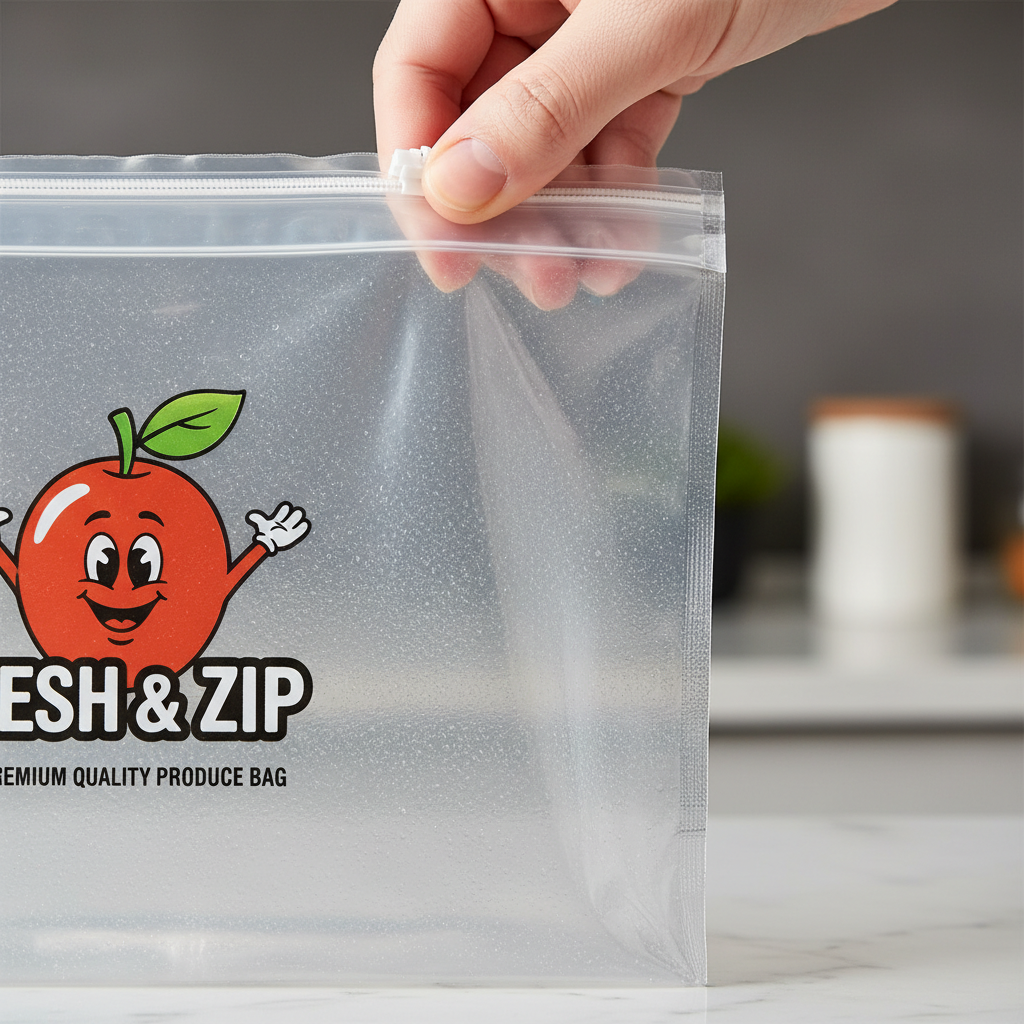
The standard interlocking zipper is reliable and cost-effective. It provides a hermetic seal that consumers can easily open and reclose. This is the industry standard for consumer-facing retail packs.
Slider Zippers
For premium products or larger bags, a slider mechanism offers ergonomic benefits. It is easier to operate, particularly for users wearing gloves in a kitchen environment or for elderly consumers. Sliders often command a higher perceived value.
Heat Seal Capability
Regardless of the zipper, most wholesale PE bags are designed to be heat-sealed above the zipper after filling. This provides a tamper-evident closure. The PE material must have a wide sealing window (the temperature range at which it seals without burning) to accommodate various packaging lines.
Printing Options: Elevating Brand Visibility
In the wholesale market, a plain bag is a commodity, but a printed bag is a marketing asset. Custom printing on PE requires specialized techniques to ensure ink adhesion and food safety.
Rotogravure Printing
Rotogravure is the premier choice for high-volume orders requiring photo-realistic imagery. It uses engraved cylinders to transfer ink.
- Pros: Unmatched print quality, consistent color across millions of units, excellent for complex designs.
- Cons: Higher initial setup costs (cylinder creation) and higher Minimum Order Quantities (MOQs).
Flexographic Printing
Flexo printing uses flexible relief plates. It is versatile and cost-effective for medium to large runs.
- Pros: Lower tooling costs than gravure, supports a wide range of colors, faster setup.
- Cons: Slightly lower resolution than gravure, though modern HD flexo is closing the gap.
Digital Printing
For short runs, prototypes, or seasonal promotions, digital printing eliminates the need for plates entirely.
- Pros: No plate costs, low MOQs, quick turnaround.
- Cons: Higher per-unit cost for long runs.
Design Considerations for PE
When designing for PE bags, consider the surface finish. A matte finish can give a premium, organic look, often used for natural foods. A gloss finish enhances color vibrancy and shelf impact. Many brands opt for a combination, using spot UV to highlight logos against a matte background.
Food Safety and Compliance Factors
Sourcing packaging for the food industry demands strict adherence to safety standards. When evaluating a supplier, verify that the PE material is food-grade.
Virgin vs. Recycled Material: For direct food contact, virgin PE is typically required to ensure no contaminants are present. Recycled PE (PCR) is gaining traction but is often used in non-food applications or as a middle layer in a co-extruded structure where it does not touch the food directly.
BPA and Phthalate Free: Ensure the manufacturer certifies that the plastics and additives used are free from harmful chemicals like Bisphenol A (BPA) and phthalates, which is a standard requirement for food safety in most international markets.
Wholesale Buying Guide: How to Order Efficiently
Navigating the procurement process for custom packaging involves balancing cost, lead time, and specifications.
1. Define Your Requirements
Before contacting a supplier, gather the following data:
- Product to be packaged: (e.g., 500g frozen berries). This dictates material and thickness.
- Dimensions: Width, Length, and Gusset depth.
- Features: Zipper, tear notch, hang hole, valve (for coffee).
- Estimated Volume: Monthly or quarterly usage.
2. Understanding MOQ (Minimum Order Quantity)
Custom manufacturing involves setup time and material waste during calibration. Therefore, MOQs are necessary. For custom printed rotogravure bags, MOQs are typically higher (e.g., 10,000 to 30,000 units) compared to plain stock bags. Discuss your volume needs early to find the right printing method.
3. Artwork Preparation
Suppliers will need vector files (AI, PDF, EPS) for your artwork. Ensure all fonts are outlined and colors are specified in Pantone (PMS) or CMYK values. Request a digital proof before mass production begins to verify layout and text.
4. Sampling
Always request samples. If you are ordering a custom size, ask for a plain dummy sample to test the fit of your product. If you are concerned about print quality, ask for samples of previous work done for other clients.
For detailed guidance on initiating an order, you can visit our how to order page.
Logistics and Storage of PE Bags
Buying wholesale means managing inventory. PE bags are durable, but they should be stored correctly to maintain their seal integrity and appearance.
- Temperature: Store in a cool, dry place. Excessive heat can cause layers to block (stick together).
- UV Exposure: Prolonged exposure to direct sunlight can degrade the plastic and fade inks. Keep boxes sealed until use.
- Shelf Life: While PE lasts a long time, bags with special coatings or adhesives (like sticker closures) may have a recommended shelf life of 12-24 months.
Common Use Cases in the Food Industry
Frozen Food Packaging
PE is the material of choice for frozen vegetables, meats, and seafood. It remains flexible at sub-zero temperatures, preventing bag breakage during handling. Special additives can be included to enhance cold-crack resistance.
Dried Fruits and Nuts
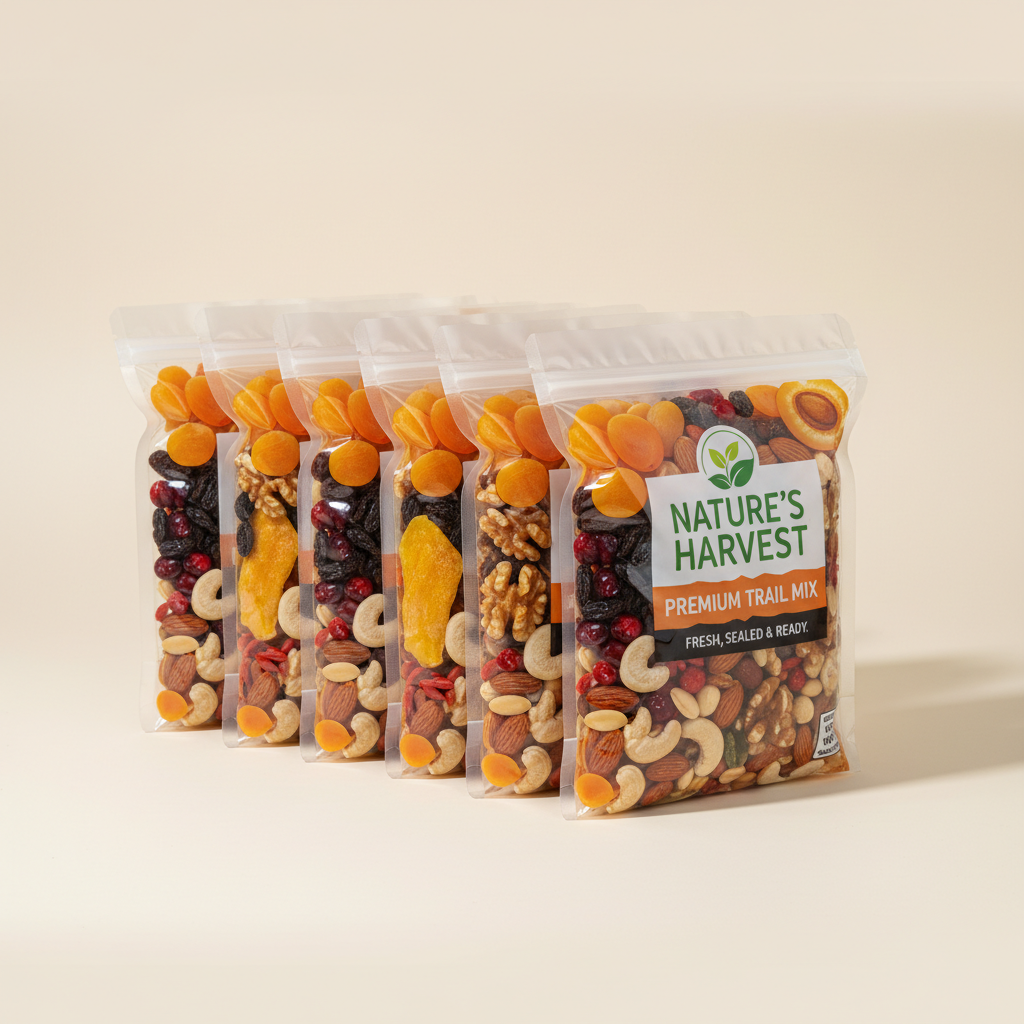
Resealability is paramount here. Consumers want to snack and reseal the pack to maintain freshness. Laminated PE structures often provide the necessary moisture barrier to keep products crisp.
Bakery and Confectionery
High-clarity LDPE bags are used for breads and buns, allowing the customer to see the texture of the product. Printed PE bags are used for candies, offering a vibrant canvas for branding.
FAQ: Sourcing Custom PE Sealable Bags
1. Can PE bags be vacuum sealed?
Standard PE bags are air-tight but may not hold a vacuum for long periods compared to specialized Nylon/PE co-extruded vacuum pouches. If you require long-term vacuum storage, specify this requirement so the correct material blend (often involving EVOH or Nylon) can be used.
2. What is the difference between a tear notch and a hang hole?
A tear notch is a small cut in the side seal that allows the customer to easily rip open the top of the bag (above the zipper). A hang hole is a punch-out (usually round or euro-style) at the top of the bag that allows it to be displayed on retail peg hooks.
3. How do I know if I need a barrier layer?
If your product is sensitive to oxygen (like fatty foods that can go rancid) or moisture (like powdered mixes that can clump), you likely need a barrier. While PE is a good moisture barrier, it has high oxygen permeability. Lamination with other materials may be necessary for sensitive goods.
4. Are custom sizes more expensive?
Not necessarily on a per-unit basis, provided the volume is sufficient. The main cost driver for custom sizes is the machine setup. If the volume meets the MOQ, custom sizing is a standard part of the manufacturing process.
5. What is the lead time for custom printed orders?
Lead times vary by complexity and workload but typically range from 3 to 5 weeks after artwork approval. This includes cylinder making, printing, laminating, curing, and bag converting.
6. Can I get a matte finish on a PE bag?
Yes, matte finishes can be achieved through special matte inks or by using a matte film layer in the lamination process. This is a popular trend for premium food brands.
Conclusion
Selecting the right custom plastic PE sealable bag is a balance of science, art, and logistics. From the thickness of the film to the precision of the rotogravure print, every detail communicates the quality of the food inside. By understanding the specifications and working closely with a specialized manufacturer, buyers can secure packaging that protects their product and promotes their brand effectively.
Ready to develop a custom packaging solution for your food products? Contact our team today to discuss your specifications, request samples, or get a competitive quote tailored to your volume requirements.