

In the competitive food service industry, packaging is more than just a vessel; it is a critical component of operational efficiency and brand identity. For restaurant chains, distributors, and large-scale catering operations, sourcing custom paper lunch containers wholesale requires a deep understanding of material specifications, manufacturing capabilities, and supply chain logistics. Choosing the wrong container can lead to leaks, soggy food, and customer dissatisfaction, while the right choice enhances food presentation and ensures safe delivery.
This comprehensive guide is designed for procurement officers, brand managers, and business owners. It covers the technical nuances of paper grades, coating technologies, printing methods, and the strategic considerations necessary when ordering bulk food packaging. Whether you are upgrading your current inventory or launching a new fast-casual brand, this guide provides the actionable data needed to make informed purchasing decisions.
The Strategic Value of High-Quality Paper Lunch Containers
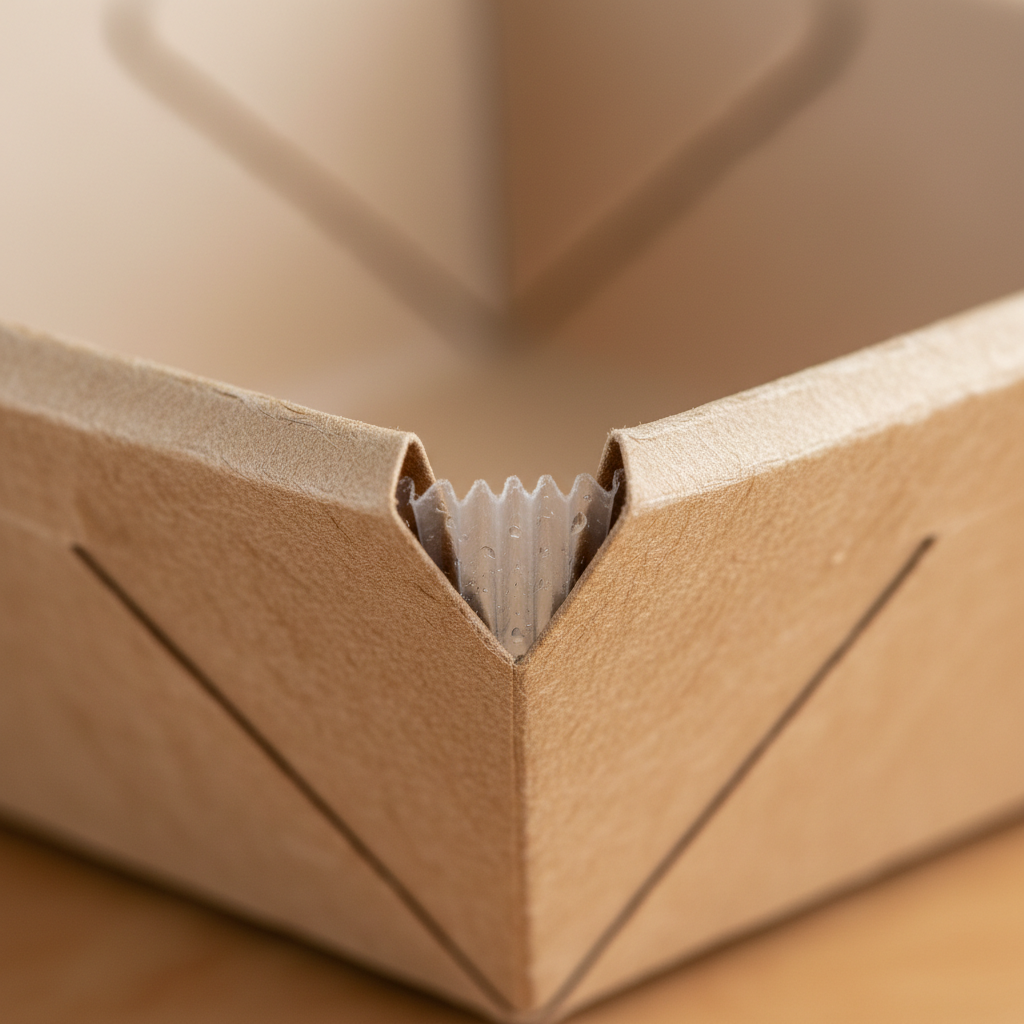
Before diving into technical specifications, it is essential to define what constitutes a "high-quality" paper lunch container in a B2B context. For a wholesale buyer, quality is defined by three pillars: structural integrity, functional performance, and brand execution.
Structural Integrity and Stackability
In high-volume kitchens and delivery scenarios, containers are often stacked. Poorly constructed boxes can collapse under weight, crushing the food inside. High-quality containers utilize engineered paperboard with sufficient stiffness (measured in stiffness units or mN) to withstand vertical compression. This is crucial for delivery services where multiple orders are bagged and transported by scooter or car.
Functional Performance: Heat and Grease Resistance
The primary failure point for paper packaging is grease penetration or leakage. A premium container must hold hot, oily, or saucy foods without the bottom falling out or the sides becoming saturated. This requires precise selection of barrier coatings—typically Polyethylene (PE) or newer aqueous-based alternatives—matched to the specific menu items being served.
Brand Execution and Consistency
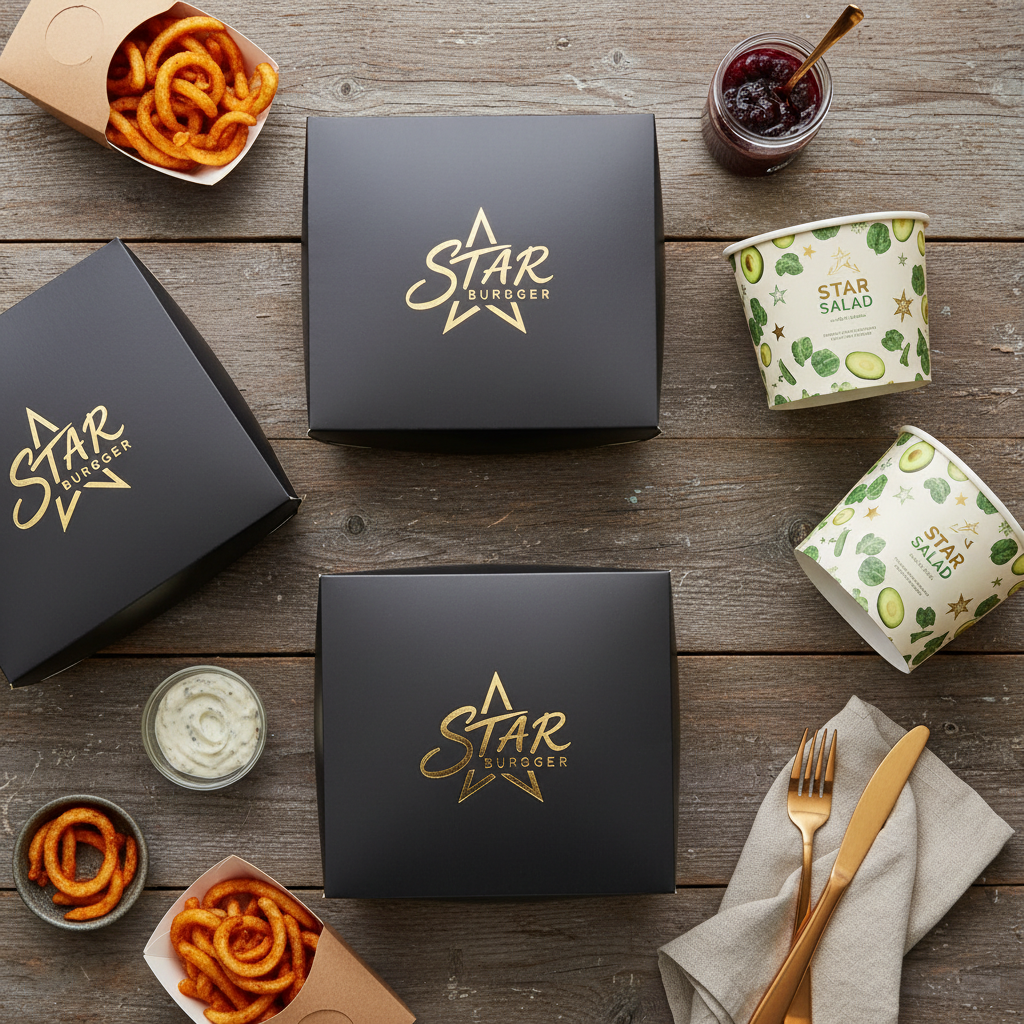
When ordering custom paper lunch containers, the fidelity of the print is paramount. The packaging acts as a mobile billboard. Inconsistent colors or blurry text due to poor printing processes reflect poorly on the brand. Professional manufacturers ensure that the Pantone colors specified in the design file match the final production run within tight tolerances.
Material Specifications: Choosing the Right Board
The foundation of any paper container is the base material. In the wholesale market, you will typically encounter two main categories of paperboard, each with distinct properties and price points.
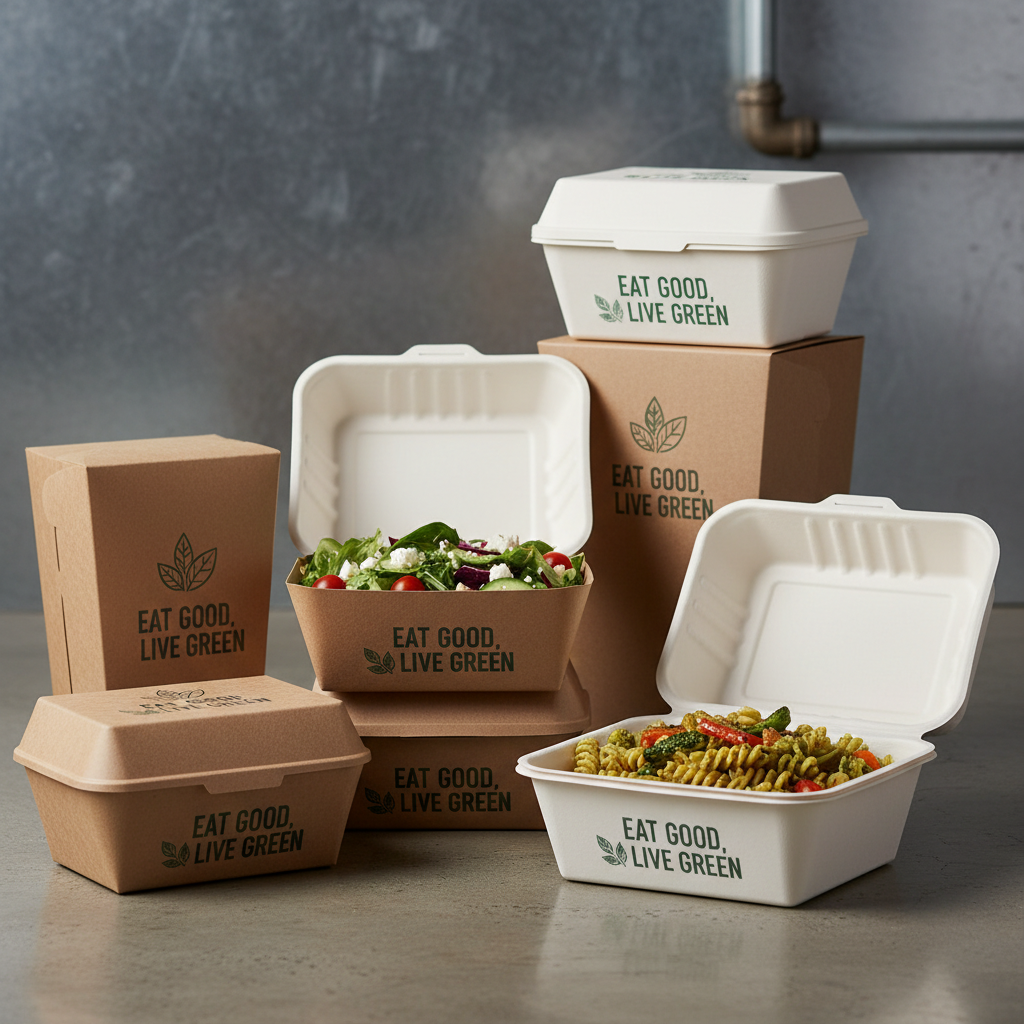
1. Kraft Paperboard (Unbleached)
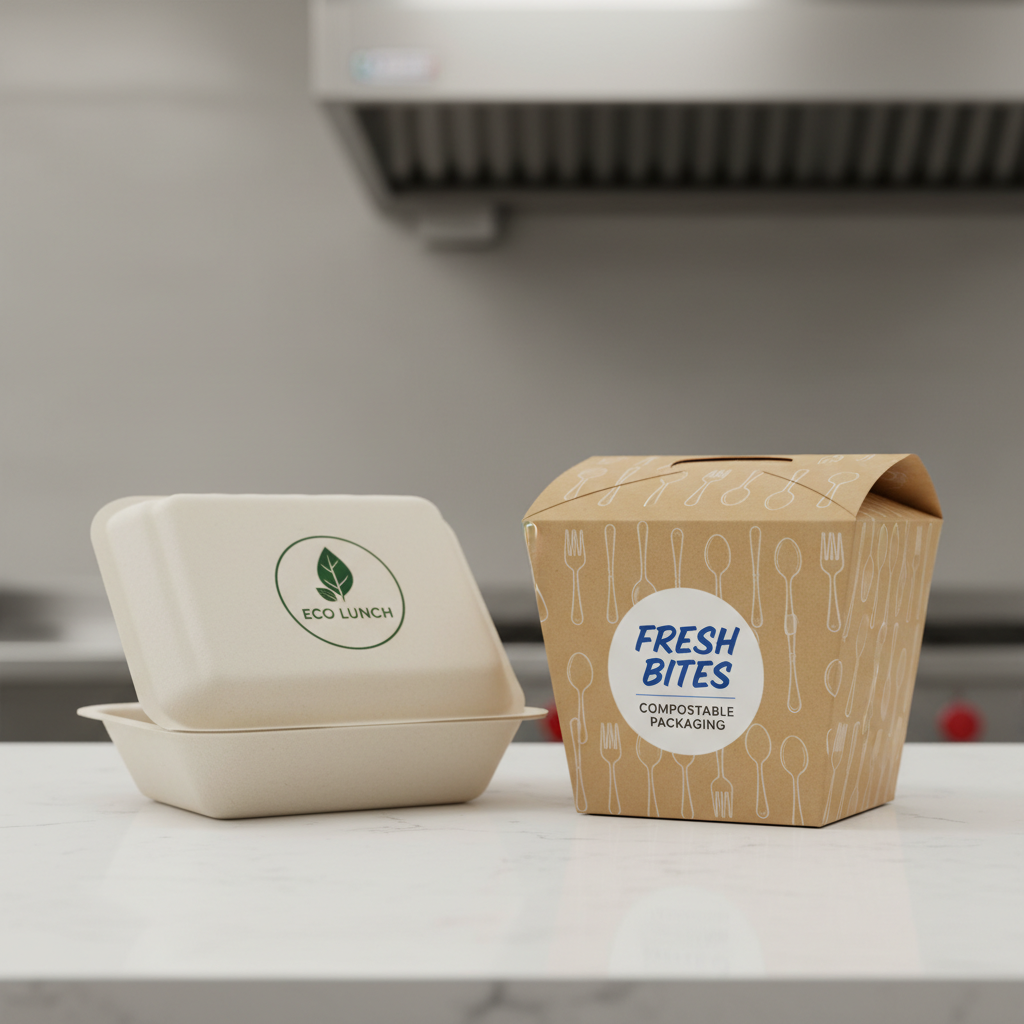
Kraft paper is easily recognizable by its natural brown color. It is produced from wood pulp that has not been bleached, retaining the natural strength of the wood fibers.
- Aesthetics: communicates sustainability, organic quality, and rustic appeal.
- Strength: Generally has longer fibers, providing excellent tear resistance and tensile strength.
- Printability: Best suited for simple, bold logos in dark colors (black, dark green, navy). Fine gradients or light colors may get lost against the brown background.
- Use Case: Ideal for eco-conscious brands, heavy items like burgers, ribs, or fried chicken.
2. Ivory / White Paperboard (Bleached)
This is chemically bleached pulp that offers a pristine white surface.
- Aesthetics: Clean, modern, and clinical. It makes food colors pop and implies hygiene.
- Printability: Superior. The white background allows for full-color (CMYK) printing, photographic images, and vibrant branding without color distortion.
- Use Case: Salads, pasta dishes, sushi, and brands requiring complex graphics or specific bright brand colors.
Understanding GSM (Grams per Square Meter)
Thickness and sturdiness are often dictated by the GSM of the paper. For lunch containers, standard copy paper (80gsm) is useless. You need rigid board.
- 250gsm – 280gsm: Suitable for smaller snack boxes or fry scoops.
- 300gsm – 337gsm: The industry standard for most takeout lunch boxes (sizes #1 to #8). It offers a good balance of cost and rigidity.
- 350gsm+: Used for extra-large family packs or heavy catering trays requiring significant structural support.
When requesting a quote, always specify the GSM. A lower price from a competitor often means they are substituting a lower GSM paper, which could compromise the container’s performance.
Barrier Coatings: Grease and Moisture Control
Raw paper is porous. Without a coating, moisture from hot rice or grease from fried noodles will seep through instantly. Understanding coating options is vital for product performance.
Single Poly (PE) Coating
A thin layer of Polyethylene is extruded onto one side of the paperboard (usually the inside).
- Function: Prevents liquids and grease from soaking into the paper.
- Application: Standard takeout boxes for hot or cold food.
- Heat Sealing: The PE layer also acts as the glue when the box corners are heat-sealed during forming.
Double Poly (PE) Coating
PE is applied to both the inside and outside of the container.
- Function: The internal layer holds the food; the external layer protects the box from condensation.
- Application: Critical for cold foods stored in refrigerators (like salads or sushi) or hot foods in humid environments. Condensation on the outside can turn a single-coated box to mush; double coating prevents this.
PLA Coating (Biodegradable)
Polylactic Acid (PLA) is derived from renewable resources like corn starch.
- Pros: Commercially compostable, appeals to eco-focused markets.
- Cons: Lower heat tolerance than PE (can warp at very high temperatures) and typically higher cost.
Aqueous Coating
A water-based coating that provides grease resistance.
- Pros: Often fully recyclable in standard paper streams without specialized separation.
- Cons: Limited barrier properties compared to PE; may not hold liquids (like soups or heavy curries) for extended periods.
For a wide range of options tailored to specific food types, buyers should explore the Paper Lunch Containers category to match the coating to the menu.
Sizing Guide: Standard Industry Dimensions
In the wholesale trade, paper lunch containers often follow a standardized numbering system (#1, #2, #3, etc.), though dimensions can vary slightly by manufacturer. It is crucial to verify exact dimensions (Length x Width x Height) rather than relying solely on the size number or fluid ounce capacity.
Common Sizes and Applications
- #1 (approx. 26oz / 750ml):
- Dimensions (Top): ~130 x 105mm
- Best For: Small sides, nuggets, rice portions, desserts.
- #2 (approx. 45oz / 1350ml):
- Dimensions (Top): ~215 x 160mm
- Best For: Standard lunch portions, burger and fries combo, medium salads. This is often the “workhorse” size for fast casual chains.
- #3 (approx. 66oz / 1900ml):
- Dimensions (Top): ~215 x 160mm (taller than #2)
- Best For: Large entrees, family-style sides, heavy pasta dishes.
- #4 (approx. 96oz / 2800ml):
- Dimensions (Top): ~220 x 165mm
- Best For: Whole roasted chicken, bulk catering portions, large bakery items.
- #8 (approx. 45oz / 1300ml):
- Dimensions (Top): ~170 x 135mm
- Best For: Vertical presentation of noodles or deep-fried items.
When selecting sizes, consider “nesting” capabilities. Tapered designs allow empty boxes to stack tightly, saving warehouse space and shipping costs.
Printing & Customization Options
Custom printing is where a generic container becomes a brand asset. There are specific technologies and file requirements involved in wholesale manufacturing.
Printing Technologies
1. Flexographic Printing (Flexo)
This is the standard for high-volume packaging. It uses flexible relief plates.
- Pros: Cost-effective for large runs (10,000+ units), fast production speeds, good for solid colors.
- Cons: High setup costs for plates; less capable of photo-realistic images or subtle gradients compared to offset.
2. Offset Printing (Lithography)
Used for premium packaging requiring high-definition imagery.
- Pros: Superior image quality, sharp text, smooth gradients, capability for complex CMYK artwork.
- Cons: Higher unit cost, generally higher Minimum Order Quantities (MOQs) to justify the setup.
Finishing Touches
Beyond ink, you can enhance the tactile experience:
- Matte Finish: Provides a sophisticated, non-glare look. Very popular for modern brands.
- Gloss Finish: Enhances color vibrancy and provides a slight extra layer of protection against external moisture.
- Spot UV / Embossing: Rarely used on standard lunch boxes due to cost, but possible for high-end luxury food packaging.
Artwork Preparation
To ensure your printed paper lunch containers look exactly as envisioned:
- Request the Dieline: Never start designing without the manufacturer’s specific dieline file (usually AI or PDF).
- Vector Files: All logos and text must be in vector format (AI, EPS, SVG) to prevent pixelation.
- Bleed Area: Ensure artwork extends beyond the cut line (bleed) to avoid white edges during die-cutting.
- Safe Zone: Keep critical text and logos away from the folds and glue lines.
Manufacturing and Quality Assurance
Understanding the manufacturing process helps in vetting suppliers. The production of a paper lunch box involves several steps:
- Laminating: The base paper is coated with PE or PLA.
- Printing: The roll is printed with your custom design.
- Die-Cutting: The printed roll is cut into flat shapes (blanks).
- Forming: The blanks are fed into a forming machine that folds and heat-seals the corners. No glue is typically used for the structural corners of standard pails; the PE coating melts and bonds under heat and pressure.
Quality Checkpoints
Reliable manufacturers perform rigorous testing:
- Leak Test: Filling random samples with hot water/oil/dye to check for corner pinholes.
- Odor Test: Ensuring the paper and ink do not impart any smell to the food (critical for hot food).
- Load Test: Stacking filled boxes to ensure the bottom layer does not collapse.
Buyers should inquire about these QA processes. For a broader look at available packaging types, visit the Food Packaging Box category.
Ordering Guide: From Quote to Delivery
Navigating the wholesale ordering process requires attention to detail. Here is a step-by-step guide to ensure a smooth transaction.
1. Define Your Requirements
Before contacting a supplier, have the following ready:
- Size & Style: e.g., #2 Kraft Box, Tab-lock top.
- Quantity: Be realistic. Custom printing usually requires an MOQ of 10,000 to 30,000 units depending on the size.
- Artwork Readiness: Do you have a design, or do you need assistance?
- Target Delivery Date: Factor in production and shipping times.
2. Requesting a Quote
When you contact us or any supplier, provide the specs above. Ask for price breaks at different quantity tiers (e.g., 30k vs 50k vs 100k units).
3. Sampling
Never proceed to mass production without a sample.
- Plain Sample: Checks size and material quality. Usually free or low cost.
- Digital Print Sample: Checks artwork placement but may not match exact color/finish of mass production.
- Pre-production Sample: A sample made on the actual production line. This is the most accurate but most expensive option.
4. Production and Lead Times
Typical timelines for custom orders:
- Design Approval: 1-3 days.
- Plate Making: 3-5 days.
- Production: 10-20 days (depending on volume).
- Shipping: 25-40 days for ocean freight (international).
Always build a buffer into your timeline, especially for first-time orders where design adjustments are common.
Supply Chain & Logistics Considerations
For wholesale buyers, the cost of the box is only part of the equation. Freight is a significant factor.
Case Packing
Ensure the boxes are packed in sturdy, corrugated master cartons. Ask how many units are in a case (e.g., 200pcs/carton). This affects how you distribute to your individual restaurant locations.
Storage
Paper absorbs moisture. Warehouses must be dry and ventilated. If boxes are stored in a humid environment for months, they may become soft or warped. Suppliers should wrap the inner stacks in plastic sleeves to protect against humidity during transit and storage.
Frequently Asked Questions (FAQ)
1. What is the minimum order quantity (MOQ) for custom printed lunch containers?
While generic (unprinted) boxes can be bought in smaller quantities, custom printing typically requires an MOQ of 10,000 to 30,000 units per size. This is due to the machine setup time and the cost of printing plates.
2. Can these containers go in the microwave?
Standard PE-coated paper containers are generally microwave-safe for reheating (1-2 minutes). However, they are not oven-safe. Always verify the specific temperature rating with the manufacturer, especially for high-fat foods which can get hotter than water.
3. Are the containers recyclable?
Containers with a standard PE lining are recyclable only in facilities equipped to separate the plastic lining from the paper fibers. PLA-lined containers are compostable in industrial facilities. Buyers should check local waste management capabilities in their target market.
4. What is the difference between a tab-lock and a fold-top?
A tab-lock uses a slot and tab mechanism to secure the lid, which is very secure for transport. A fold-top (often called a web-corner fold) simply folds down. Tab-locks are generally preferred for delivery to prevent accidental opening.
5. Do you offer design services?
Many manufacturers can assist with fitting your existing logo onto the dieline. However, for creative brand design, it is best to work with a graphic designer before submitting files.
6. How do I ensure the colors match my brand?
Always specify Pantone (PMS) color codes. Do not rely on how colors look on a computer screen (RGB). A physical color proof or a pre-production sample is the best way to guarantee accuracy.
7. Can I order mixed sizes to meet the MOQ?
Usually, no. The MOQ applies per size because each size requires a different machine mold and printing plate setup. However, you can often combine different sizes in a single shipping container to save on freight.
Conclusion
Sourcing custom paper lunch containers wholesale is a strategic investment in your brand’s customer experience. By selecting the right paper grade, ensuring proper barrier coatings, and navigating the customization process with care, you can secure packaging that keeps food fresh and promotes your business effectively.
At YBJ Packing, we specialize in high-quality, customizable food packaging solutions tailored to the needs of the global food service industry. Whether you need a standard kraft lunch box or a fully branded, multi-color solution, our team is ready to guide you through the specs and logistics.
Ready to elevate your food packaging? Visit our How to Order page to understand our process, or Request a Quote today to get started with a sample and pricing tailored to your volume.