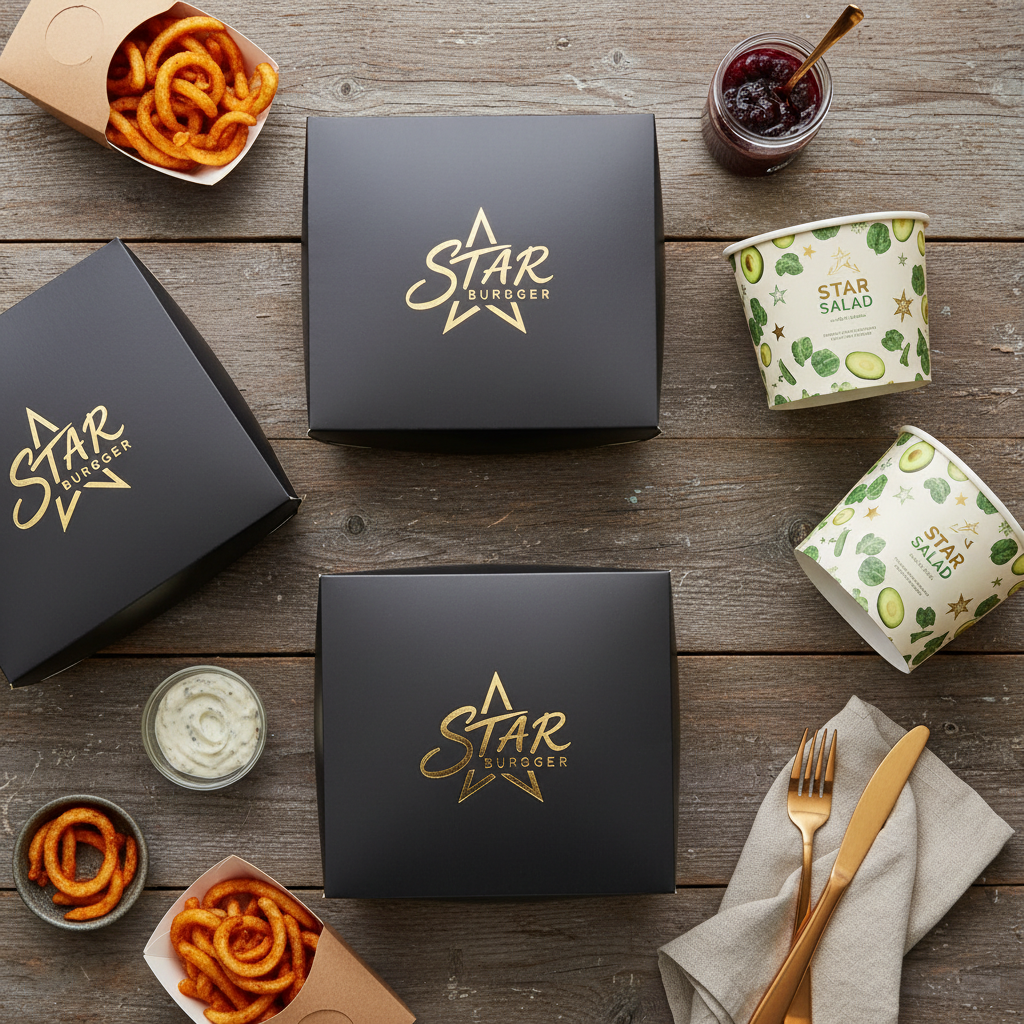


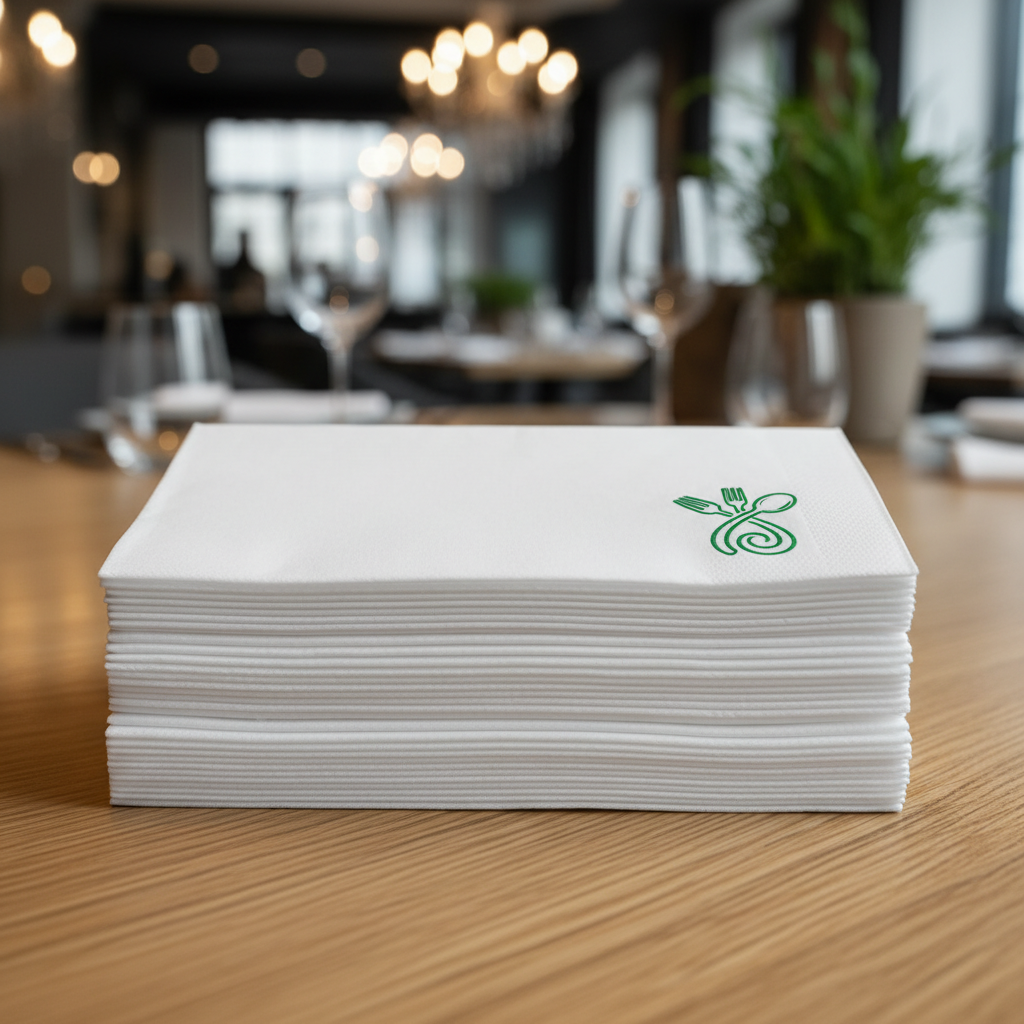
Introduction: The Strategic Role of Custom Napkins in Food Service
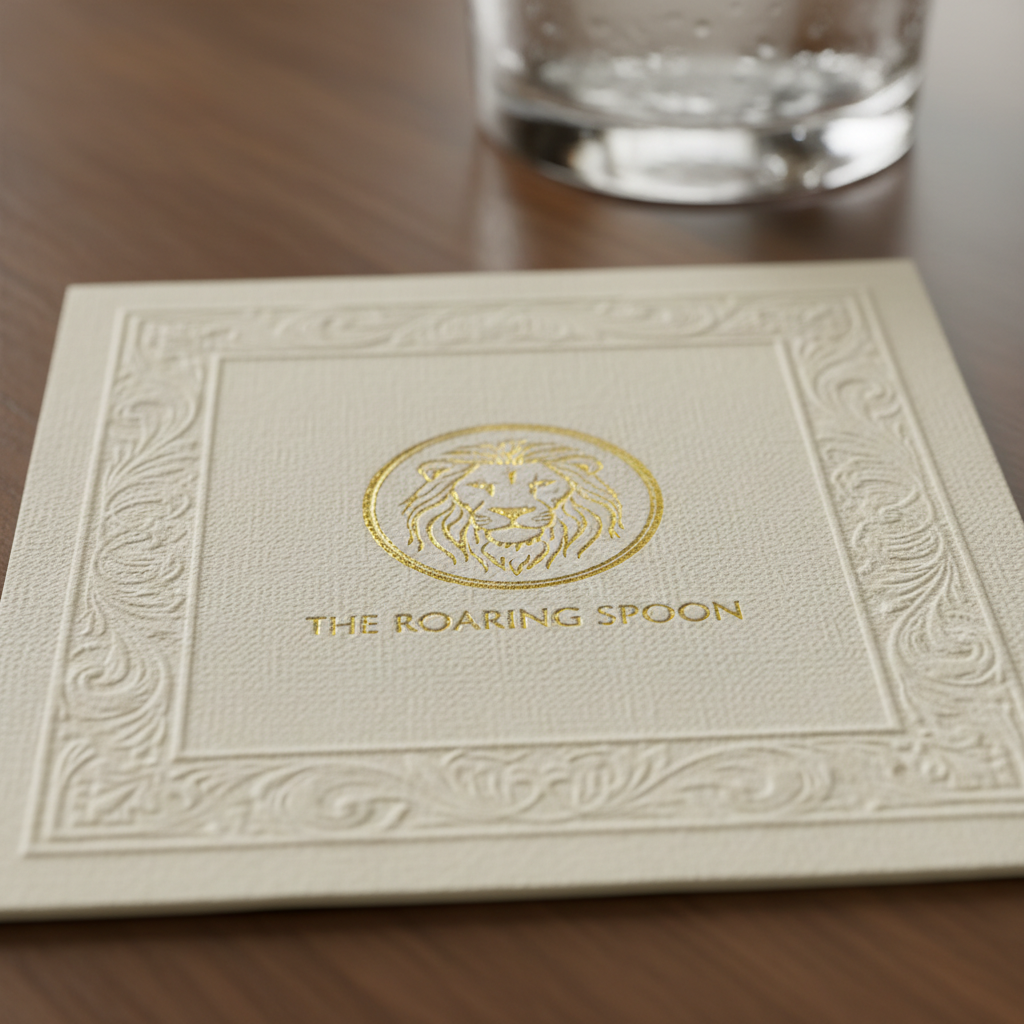
In the competitive landscape of the food and beverage industry, every touchpoint is an opportunity for brand reinforcement. While often overlooked, the humble napkin is one of the most frequently handled items by a customer. For procurement officers, restaurant owners, and distributors, sourcing custom napkins wholesale is not merely about hygiene; it is about balancing cost-efficiency, material performance, and brand visibility.
This guide provides a technical deep dive into the specifications of custom napkins, from ply counts and material compositions to printing technologies and logistics. Whether you are managing a high-volume quick-service restaurant (QSR) or a luxury dining establishment, understanding these variables is essential for optimizing your disposable tableware inventory.
Material Options and Technical Specifications
The foundation of a high-quality napkin lies in its base material. In the wholesale market, materials are categorized by their fiber source, processing method, and final texture. Choosing the right material affects both the user experience and the printing quality.
Virgin Wood Pulp vs. Recycled Fiber
Virgin Wood Pulp: This is the gold standard for premium napkins. It offers the highest level of brightness, softness, and absorbency. Because the fibers are long and undamaged by previous recycling processes, virgin pulp napkins have superior tensile strength, meaning they are less likely to tear when wet.
Recycled Fiber: For brands focusing on sustainability, recycled napkins are a viable choice. These are typically available in natural kraft (brown) or off-white. While they may have a slightly coarser texture than virgin pulp, modern manufacturing has significantly improved their softness. They are an excellent choice for eco-conscious cafes and casual dining.
Airlaid Paper: The Premium Alternative
Airlaid paper is a textile-like material categorized as a non-woven fabric made from wood pulp. Unlike traditional tissue, which is made using water (wet-laid), airlaid uses air to carry the fibers. This results in a product that is significantly denser, more absorbent, and much stronger. Airlaid napkins are often used as a cost-effective replacement for linen because they can be folded into complex shapes and feel substantial in the hand.
GSM and Ply: Understanding Thickness
In the world of custom napkins, thickness is defined by “ply” (the number of layers) and “GSM” (grams per square meter).
- 1-Ply: Typically used in high-traffic dispensers. These are economical but offer limited absorbency.
- 2-Ply: The industry standard for most restaurants. Two layers of tissue are bonded together, usually with an embossed edge, to provide a balance of softness and strength.
- 3-Ply: Reserved for dinner napkins and high-end events. These provide a luxurious feel and maximum absorbency.
| Material Type | Typical GSM (per ply) | Best Use Case |
Size and Fold Classifications
Selecting the correct size is critical for both functionality and aesthetic presentation. Napkin sizes are generally measured by their “unfolded” dimensions, but they are categorized by their “folded” application.
Beverage/Cocktail Napkins (5″ x 5″ folded)
Usually 2-ply or 3-ply, these are designed to sit under glassware to absorb condensation. They are a staple for bars, lounges, and corporate mixers. Due to their small surface area, branding usually consists of a centered logo.
Lunch Napkins (6.5″ x 6.5″ folded)
These are mid-sized napkins used for breakfast, lunch, or casual snacks. They offer more surface area for cleaning and are often used in 1/4 fold configurations.
Dinner Napkins (8″ x 8″ or 7.5″ x 4.25″ folded)
Dinner napkins are the largest and most durable. They are available in 1/4 fold (square) or 1/8 fold (rectangular/book fold). The 1/8 fold is particularly popular in formal settings as it is pre-configured to sit alongside silverware.
Dispenser Napkins
These are specifically engineered for use in tabletop or counter-mounted dispensers. They often feature a unique interfold design that ensures only one napkin is pulled at a time, reducing waste and controlling costs in high-volume environments.
Custom Printing Technologies and Options
When ordering printed napkins, the technology used determines the detail level, color accuracy, and cost. As a leading napkins manufacturer, we utilize several methods to meet different brand requirements.
Flexographic Printing
This is the most common method for high-volume wholesale orders. It uses flexible relief plates and fast-drying, food-safe inks. Flexo is highly cost-effective for large runs but has a higher initial setup cost due to the need for custom plates.
- Pros: Low per-unit cost, high speed, consistent color.
- Cons: High MOQ (Minimum Order Quantity), plates required for each color.
Digital Printing
Digital printing is ideal for shorter runs or designs with high photographic detail. It does not require plates, which reduces setup time and cost for small batches.
- Pros: Low MOQ, unlimited colors, no plate charges.
- Cons: Higher per-unit cost compared to flexo, slower production for massive volumes.
Foil Stamping
For ultra-premium branding, foil stamping applies a metallic or colored foil to the napkin surface. This is common for wedding guest towels or high-end hotel branding. Note that foil-stamped napkins are often less absorbent in the area where the foil is applied.
Customization Checklist for Buyers
Before you contact a supplier, ensure you have the following details finalized to streamline the quoting process:
- Artwork Format: High-resolution vector files (.AI, .EPS, or .PDF) are required for crisp printing.
- Color Matching: Provide Pantone (PMS) codes to ensure brand consistency across different production batches.
- Ink Type: Ensure the manufacturer uses water-based, food-grade inks that are non-toxic and bleed-resistant.
- Placement: Specify if the logo should be centered, in a corner, or an all-over step-and-repeat pattern.
- Bleed Area: For edge-to-edge designs, allow for a 3-5mm bleed to account for cutting variances.
Performance Factors: What Makes a Good Napkin?
A napkin’s value is not just in its look, but in its performance. Procurement teams should evaluate samples based on the following criteria:
Absorbency and Wicking
The primary function of a napkin is to absorb liquid. High-quality napkins use a “point-to-point” embossing technique that creates air pockets between the plys, significantly increasing the volume of liquid the paper can hold. Test this by timing how long it takes for a drop of water to be fully absorbed.
Tensile Strength
A napkin should not disintegrate upon contact with moisture. This is especially important for seafood restaurants or rib houses where customers have messy hands. Virgin pulp and airlaid materials offer the best wet strength.
Linting and Dusting
Low-quality paper sheds fibers, leaving lint on customers’ clothing or in their food. During your quality inspection, rub the napkin against a dark fabric to check for excessive linting.
Sustainability and Compliance
In the global market, compliance with food safety and environmental standards is non-negotiable. When sourcing from a napkins supplier, inquire about:
- FSC Certification: Ensures the paper is sourced from responsibly managed forests.
- Compostability: Most unprinted or water-based ink napkins are industrially compostable. Verify if the product meets EN 13432 or ASTM D6400 standards.
- FDA/EU Food Contact Compliance: Ensure the materials and inks are safe for brief contact with food surfaces.
The Wholesale Buying Process: From Quote to Delivery
Navigating the how to order process for custom packaging requires a clear understanding of timelines and logistics.
Step 1: Specification and Quoting
Submit your size, ply, material, and quantity requirements. Wholesale pricing is heavily tiered; ordering 50,000 units often results in a significantly lower unit price than 10,000 units due to the efficiencies of scale in printing.
Step 2: Sampling and Proofing
Always request a digital proof and, if possible, a physical sample. This allows you to verify the tactile feel of the paper and the accuracy of the logo placement before mass production begins.
Step 3: Production Lead Times
Standard lead times for custom printed napkins range from 15 to 30 days, depending on the complexity of the order and current factory capacity. Factor in an additional 20-40 days for international sea freight if you are importing in bulk.
Step 4: Logistics and Storage
Paper products are bulky. Ensure your warehouse has a dry, climate-controlled area for storage. Moisture can cause napkins to warp or develop odors, rendering them unusable in a food-service environment.
Common Pitfalls in Napkin Procurement
- Ignoring the Fold: A logo that looks great on a flat screen might be cut off once the napkin is folded. Always review the “folded view” proof.
- Underestimating Quantity: For high-traffic venues, running out of napkins is a major operational failure. Use historical data to forecast a 3-6 month supply.
- Choosing Price Over Quality: The cheapest napkins often require customers to use three or four instead of one high-quality 2-ply napkin, actually increasing your total cost over time.
Frequently Asked Questions (FAQ)
1. What is the minimum order quantity (MOQ) for custom printed napkins?
MOQs typically start at 10,000 to 25,000 pieces for digital printing, while flexographic printing usually requires 50,000 to 100,000 pieces to remain cost-effective.
2. Can I print on all four quadrants of the napkin?
Yes, but it depends on the folding machine. Most standard orders focus on one quadrant (the front face when folded). Full-surface printing is possible but may increase costs and lead times.
3. Are the inks used safe for food contact?
Yes, professional manufacturers use water-based, food-grade inks that are specifically designed for the food service industry. They are non-toxic and do not bleed when they come into contact with water or grease.
4. What is the difference between a 1/4 fold and a 1/8 fold?
A 1/4 fold results in a square napkin, common for cocktails and casual dining. A 1/8 fold (also called a book fold or dinner fold) results in a rectangular shape, often used in more formal settings or for pre-wrapped cutlery sets.
5. Can you match a specific brand color?
Yes, we use the Pantone Matching System (PMS) to ensure that your logo color is consistent with your other branded packaging items.
6. How do I choose between tissue and airlaid napkins?
Choose tissue (2-ply or 3-ply) for daily high-volume use where cost is a primary factor. Choose airlaid for premium dining experiences where you want the feel of linen without the laundry costs.
7. Do you offer eco-friendly or biodegradable options?
Absolutely. We offer napkins made from 100% recycled fibers or FSC-certified virgin pulp, both of which are biodegradable and compostable under the right conditions.
Conclusion: Elevate Your Brand with Professional Tableware
Custom napkins are a small but vital component of your brand’s physical identity. By selecting the right material, size, and printing method, you can enhance the customer experience while maintaining operational efficiency. Whether you need bulk napkins for a global chain or bespoke designs for a boutique hotel, quality manufacturing makes the difference.
Ready to upgrade your brand presentation? Request a quote / Get a sample today and let our experts guide you through the customization process.