

Elevating Your Beverage Brand with Premium Insulation
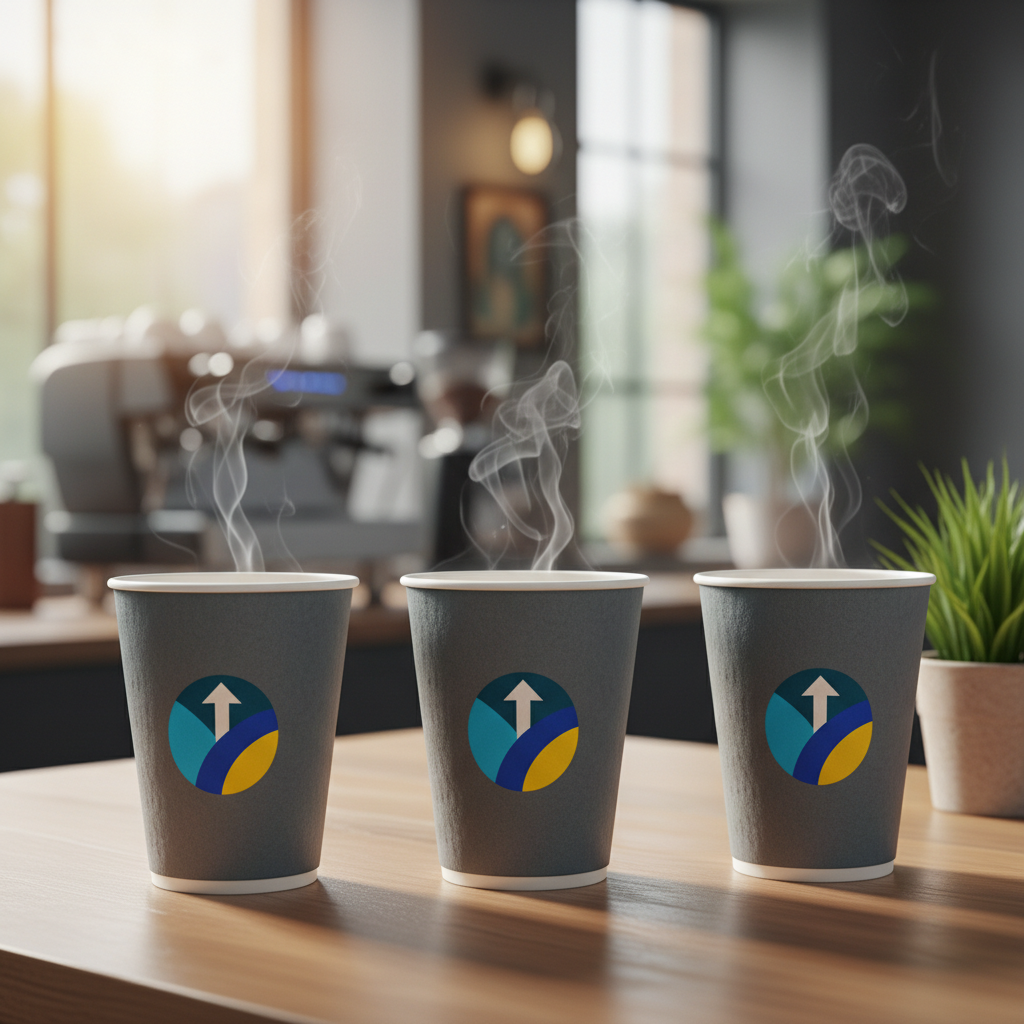
In the competitive landscape of food service and beverage retail, the humble paper cup serves a dual purpose: it is a functional vessel for hot liquids and a mobile billboard for your brand. For coffee shops, restaurant chains, and corporate distributors, choosing the right packaging is a critical operational decision. Among the various options available, custom double wall paper cups wholesale stand out as the superior choice for serving hot beverages like coffee, tea, and hot chocolate.
Unlike single-wall cups that often require a separate cardboard sleeve (clutch) to prevent burning the customer’s hands, double wall cups feature a built-in insulating layer. This design not only enhances the customer experience by eliminating the need for extra accessories but also provides a premium, sturdy feel that reflects positively on your brand image. When you source these cups in bulk, you gain the ability to customize every aspect, from the paper weight to the finish of the print.
This comprehensive guide is designed for procurement officers, brand managers, and business owners. We will explore the technical specifications, printing technologies, material choices, and logistical considerations involved in ordering double wall paper cups. Whether you are launching a new franchise or optimizing your current supply chain, understanding these details will help you make informed purchasing decisions.
Understanding the Mechanics: How Double Wall Cups Work
Before diving into customization, it is essential to understand the construction that makes these cups effective. The effectiveness of a double wall cup lies in its engineering, which is specifically designed to manage heat transfer.
The Two-Layer Construction
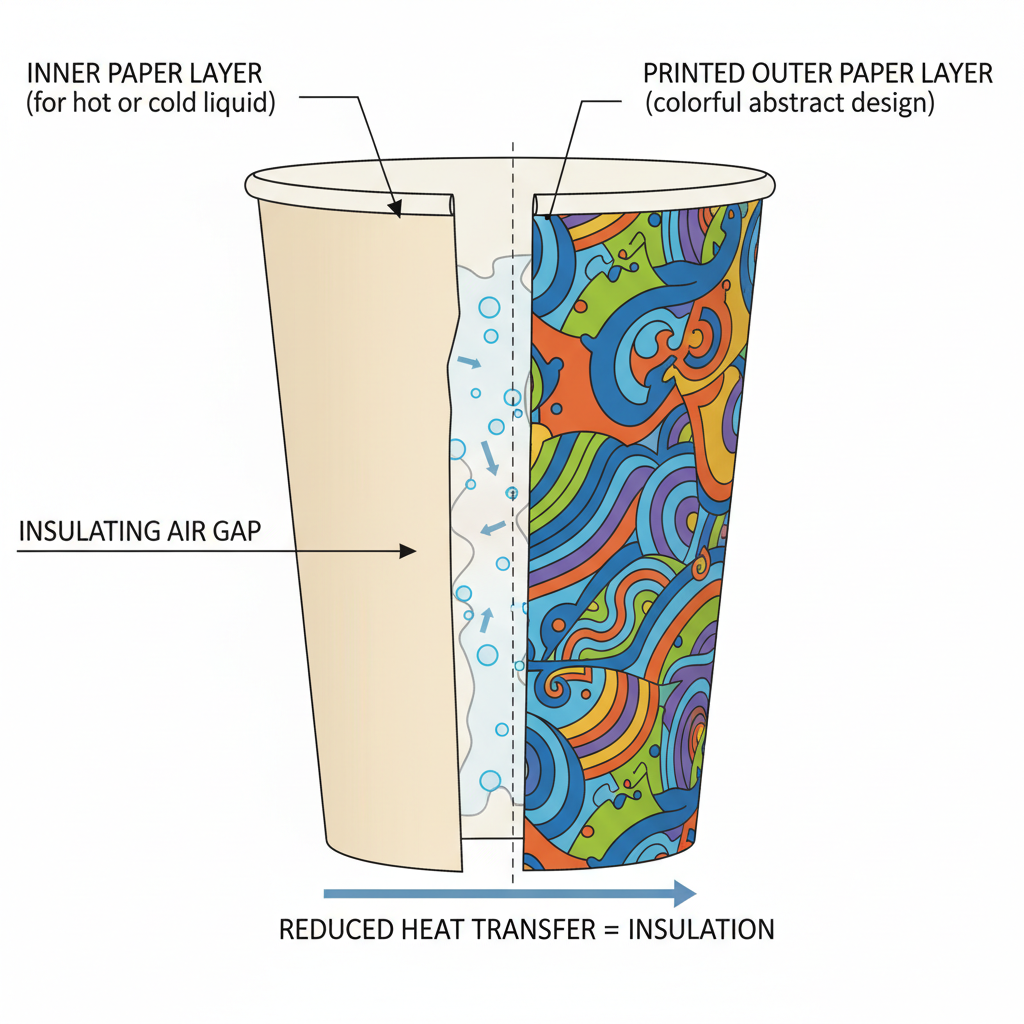
As the name suggests, a double wall cup is constructed from two separate layers of paperboard. The inner cup is the primary vessel that holds the liquid. It is typically coated with a lining (such as PE or PLA) to make it waterproof. The outer layer is a separate sleeve of paperboard that is wrapped around the inner cup.
The magic happens in the space between these two layers. Manufacturers engineer a small air gap between the inner cup and the outer sleeve. Air is a poor conductor of heat, meaning this gap acts as a thermal barrier. It slows down the transfer of heat from the hot beverage to the outer surface of the cup, keeping the drink hot while ensuring the outside remains cool enough to hold comfortably without a sleeve.
Comparison: Single Wall vs. Double Wall vs. Ripple Wall
When browsing cups and accessories, buyers often weigh the pros and cons of different wall types:
- Single Wall Cups: These are the most economical option but offer poor insulation. For hot drinks, they almost always require a separate paper sleeve, which adds to inventory complexity and cost per serving. They are best suited for cold drinks or warm beverages that aren’t scalding.
- Double Wall Cups: These offer a smooth surface perfect for high-quality printing. The insulation is built-in, offering a streamlined look. They are heavier and sturdier than single wall cups, conveying a sense of quality to the consumer.
- Ripple Wall Cups: These are technically a variation of double or triple wall cups where the outer layer is corrugated (rippled). While they offer excellent insulation and grip, the textured surface can limit the sharpness and detail of custom printing compared to the smooth canvas of a standard double wall cup.
Material Specifications and Paper Grades
The quality of a paper cup is defined by the materials used. In the B2B wholesale market, you cannot rely on visual appearance alone; you must specify the paper grades to ensure the cups perform well under real-world conditions.
Paper Weight (GSM)
Paper thickness is measured in Grams per Square Meter (GSM). For a high-quality double wall cup, you are dealing with two GSM specifications: one for the inner cup and one for the outer wall.
- Inner Cup: Typically ranges from 280gsm to 340gsm. This layer provides the structural integrity of the cup.
- Outer Wall: Usually slightly lighter, ranging from 250gsm to 300gsm. This layer provides the insulation and the printing surface.
A common configuration for a premium 12oz cup might be a 300gsm inner cup + a 250gsm outer sleeve. If the GSM is too low, the cup will feel flimsy and may collapse when gripped firmly. Always ask your supplier for the total GSM specification to ensure you are comparing apples to apples.
Lining Materials: PE vs. PLA vs. Aqueous
Paper is naturally porous, so every paper cup needs a coating to prevent leaks. The choice of coating affects both performance and environmental impact.
- PE (Polyethylene): The traditional industry standard. It is a thin plastic lining that is highly effective at preventing leaks and is cost-efficient. However, it makes recycling more difficult as the plastic must be separated from the paper.
- PLA (Polylactic Acid): A bioplastic derived from renewable resources like corn starch. PLA-lined cups are often marketed as compostable (industrial composting required). They perform similarly to PE but can be more sensitive to extremely high temperatures and typically have a higher price point.
- Water-Based (Aqueous) Coatings: The newest innovation in the market. This coating breaks down easily during the recycling process, making the cups fully recyclable and repulpable in standard paper waste streams. This is an excellent choice for brands prioritizing sustainability.
Sizing Guide for B2B Buyers
Ordering the wrong size or incompatible lids is a common pitfall in wholesale procurement. Standard sizes vary slightly between regions (e.g., US vs. Europe), so verifying dimensions is crucial.
Standard Capacities
- 8oz (approx. 240ml): The standard for small coffees, cappuccinos, and flat whites.
- 12oz (approx. 350ml): The most popular “regular” size for lattes and drip coffee.
- 16oz (approx. 470ml): The standard “large” size.
- 20oz/22oz: Used for extra-large servings, common in the US market.
Brim Diameter and Lid Fit
For operations efficiency, you want to minimize the number of lid SKUs you manage. Many manufacturers design their 12oz, 16oz, and 20oz cups to share the same top diameter (usually 90mm). The 8oz cup typically has a smaller diameter (usually 80mm).
When requesting samples, always test the “lid fit.” The rim of the cup (the rolled lip) must snap securely into the lid. A loose fit results in leaks and customer complaints. Ensure your cup supplier also supplies compatible lids or provides precise rim specifications if you are sourcing lids separately.
The Custom Printing Ecosystem
The primary reason to order custom double wall paper cups wholesale is branding. The outer wall of these cups acts as a smooth, uninterrupted canvas. Understanding printing technologies will help you achieve the best visual result.
Printing Methods
1. Flexographic Printing (Flexo):
This is the most common method for high-volume runs. It uses flexible relief plates. Flexo is fast, cost-effective for large quantities, and uses food-safe water-based inks. It is ideal for logos, patterns, and designs with solid colors (spot colors). However, it may struggle with photographic gradients or extremely fine details.
2. Offset Printing (Lithography):
Offset printing offers superior image quality. It is the best choice if your design includes photographs, complex gradients, or intricate artwork. The setup costs are higher than digital but lower than flexo for medium runs, though for mass production, flexo often wins on price. Offset allows for high-definition branding that looks premium.
Color Management: CMYK vs. Pantone
- CMYK (Cyan, Magenta, Yellow, Key/Black): Used for full-color printing (like photographs). The printer mixes these four dots to create the image. Colors may vary slightly between production runs.
- Pantone (PMS): Used for specific brand colors. If your logo must be a specific shade of “Coca-Cola Red” or “Starbucks Green,” you must specify the Pantone code. This ensures 100% consistency across different batches and products.
Finishes and Textures
Beyond ink, the finish of the cup affects the tactile experience:
- Matte Finish: Provides a modern, sophisticated look and a natural paper feel. It offers better grip but can sometimes show smudges if dark colors are used.
- Gloss Finish: Makes colors pop and appear more vibrant. It feels smoother but can be slippery.
- Spot UV / Embossing: Some advanced manufacturers offer spot varnishing (shiny areas on a matte cup) or embossing (raised textures) for a truly unique tactile experience, though this increases cost significantly.
Artwork Preparation Checklist
To ensure your production timeline isn’t delayed by artwork issues, follow these guidelines when submitting files to your supplier:
- Vector Files: Always supply logos in vector formats (.AI, .EPS, .PDF). Unlike JPEGs, vectors can be scaled infinitely without pixelation.
- Bleed Area: The design should extend 3-5mm beyond the cut line (bleed) to ensure there are no white edges if the cutting is slightly off.
- Safe Zone: Keep critical text and logos at least 5-10mm away from the rim and the bottom edge to avoid them being covered by the lid or the stacking rim.
- Curved Distortion: Remember that a cup is conical, not a cylinder. Flat artwork wrapped around a cone will look warped. Professional manufacturers will provide a “warped” template. Apply your art to this template to ensure lines look straight when the cup is formed.
Manufacturing and Quality Assurance
When you place a bulk order, you are relying on the factory’s QA processes. A reliable manufacturer of double wall paper cups will have strict protocols in place.
Key Quality Checks
- Cup Stiffness Test: Ensuring the cup doesn’t buckle under the weight of the liquid.
- Leak Testing: Random samples are filled with a testing solution (often dyed liquid) and left for a set period to check for seam failures.
- Rim Rolling Inspection: The rim must be perfectly round and tightly rolled. An uneven rim leads to lid popping.
- Odor Test: Ensuring the inks and glues used do not impart any smell to the hot beverage. Food-grade, low-migration inks are mandatory.
Buying Guide: Logistics and Ordering
Navigating the supply chain for custom packaging requires attention to logistics. Here is what you need to know before you how to order.
Minimum Order Quantity (MOQ)
Custom printing requires setting up printing plates and calibrating machinery, which incurs fixed costs. Therefore, MOQs apply.
- Small Run: Some suppliers offer digital printing for MOQs as low as 1,000–5,000 cups, but the price per unit is high.
- Standard Wholesale: For flexo or offset printing, typical MOQs start at 30,000 to 50,000 cups per size. This volume unlocks the most competitive pricing.
Lead Times
Plan ahead. Custom manufacturing is not an overnight process.
- Design & Approval: 3–7 days.
- Production: 15–25 days depending on factory load.
- Shipping: Ocean freight can take 30–45 days depending on your location relative to the factory. Air freight is an option for urgent needs but is significantly more expensive.
Storage and Warehousing
Paper cups are bulky. A standard 40ft container can hold hundreds of thousands of cups. Ensure you have the warehousing space or arrange for staggered deliveries if your supplier offers stock-and-release programs. Cups should be stored in a cool, dry place to prevent moisture absorption, which can weaken the paper.
Sustainability: A Growing Priority
B2B buyers are increasingly pressured to source sustainable packaging. When ordering double wall cups, consider the end-of-life of the product.
If your region has commercial composting facilities, PLA-lined cups are a viable option. However, if most cups end up in general waste or standard recycling bins, aqueous coating or standard PE (where specialized recycling is available) might be more pragmatic. Be wary of “greenwashing”—always ask for certifications (like FSC for paper sourcing or OK Compost for bioplastics) to validate claims.
Frequently Asked Questions (FAQ)
1. Can double wall cups be used for cold drinks?
Yes, they can. While designed for hot drinks, the insulation also prevents condensation (sweating) on the outside of the cup when holding cold beverages, keeping hands dry.
2. Do I need a sleeve with a double wall cup?
No. The primary advantage of a double wall cup is that it eliminates the need for a separate sleeve, saving you money on inventory and labor.
3. What is the difference between CMYK and Pantone printing on cups?
CMYK builds colors using four inks and is best for photos. Pantone uses pre-mixed inks for exact color matching, which is ideal for strict brand guidelines.
4. How do I ensure my artwork doesn’t look stretched?
You must use a conical warp template provided by the manufacturer. If you apply a square image to a curved cup without warping it first, it will appear distorted.
5. Are custom printed cups food safe?
Yes, provided the manufacturer uses food-grade paper and food-safe inks (typically water-based or UV-cured low-migration inks) that comply with FDA or EU regulations.
6. Can I mix different designs in one order to meet the MOQ?
Usually, no. The MOQ typically applies per design and per size because the machinery must be stopped and plates changed for every new design.
Conclusion and Next Steps
Investing in custom double wall paper cups wholesale is a strategic move that enhances customer satisfaction and amplifies brand visibility. By selecting the right materials, dialing in your design, and partnering with a capable manufacturer, you turn a disposable item into a premium asset.
Ready to upgrade your packaging? At YBJ Packing, we specialize in high-quality, custom-printed food service solutions tailored to your operational needs. Whether you need guidance on sizing or a quote for a full container load, our team is here to help.
Contact us today to request samples or start your custom order.