

Streamlining Bakery Operations with Custom Disposable Baking Trays
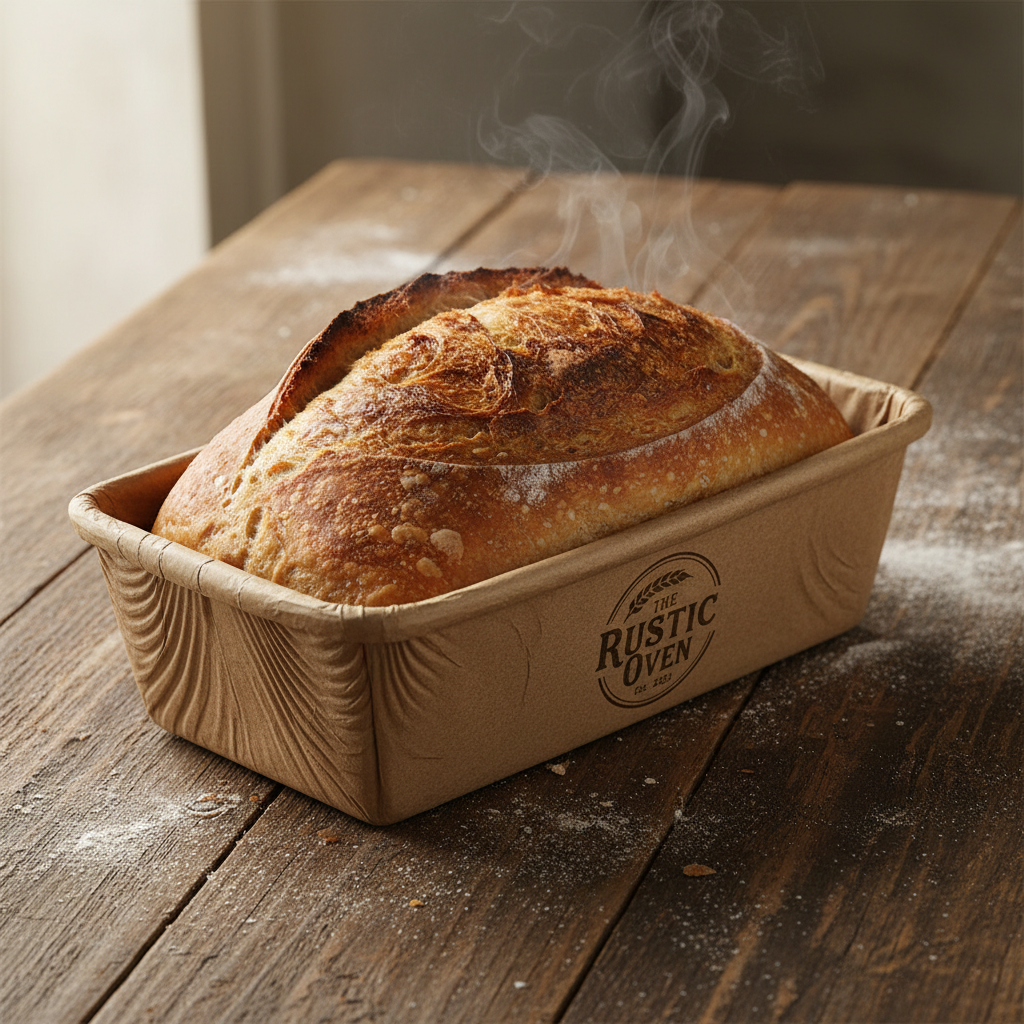
In the high-volume world of industrial baking and food service, efficiency is the currency of success. For wholesale bakeries, airline catering, and large-scale food distributors, the transition from traditional metal bakeware to custom disposable baking trays represents a significant leap in operational fluidity. These dual-purpose vessels serve as both the baking mold and the final retail package, eliminating the need for depanning, washing, and repacking. This "bake-and-serve" capability not only reduces labor costs but also accelerates the speed to market.
However, sourcing these trays at a wholesale level involves more than just picking a size. It requires a deep understanding of material heat tolerance, grease resistance, structural integrity, and the nuances of food-safe printing. For procurement officers and brand managers, choosing the right disposable baking tray manufacturer is a strategic decision that impacts product quality and brand perception.
This comprehensive guide explores the technical specifications, customization possibilities, and purchasing strategies for bulk disposable baking trays. whether you are launching a new line of grab-and-go pastries or optimizing a central kitchen, this information will ensure your packaging meets the rigorous demands of modern food production.
The Strategic Advantage of Disposable Baking Trays
Why are major food chains and distributors shifting toward disposable paperboard solutions? The answer lies in the intersection of hygiene, branding, and logistics.
1. Hygiene and Safety
In a post-pandemic market, hygiene is paramount. Traditional metal pans require rigorous sanitization cycles, which introduce risks of cross-contamination if not managed perfectly. A food grade disposable baking tray is used once and then recycled or disposed of, ensuring that every loaf, cake, or casserole is baked in a pristine, uncontaminated environment. This is particularly critical for facilities managing allergens, as single-use trays eliminate the risk of residue transfer.
2. Operational Efficiency
The "bake-in" concept removes multiple steps from the production line. There is no need to grease metal pans, no need to transfer delicate baked goods to separate packaging, and no washing up. This can reduce turnaround times by 20-30%, allowing bakeries to increase throughput without expanding their facility footprint.
3. Brand Visibility
Unlike a generic metal pan, a printed disposable baking tray travels with the product. It offers a 360-degree billboard for your brand, from the oven to the shelf to the customer’s table. High-quality printing allows for nutritional information, heating instructions, and branding to be integrated directly onto the cooking vessel.
Material Specifications: Choosing the Right Substrate
Not all paper is created equal, especially when it must withstand oven temperatures of up to 220°C (428°F). Understanding the substrate is the first step in sourcing high-quality bakery packaging.
Corrugated vs. Solid Board
- Corrugated Paperboard: Ideal for larger items like breads, loaf cakes, or heavy casseroles. The fluting provides structural strength and insulation, preventing the bottom of the baked good from burning before the center is cooked. Micro-flute (E-flute or F-flute) is commonly used for its smooth printing surface and rigidity.
- Solid Bleached Sulfate (SBS) / Ivory Board: A premium, white paperboard that offers excellent printability. It is often used for smaller pastries, muffins, and tarts. It provides a clean, high-end look but may require specific coatings for grease resistance.
- Kraft Paper: Preferred for its natural, eco-friendly aesthetic. Virgin Kraft fibers are strong and tear-resistant. It is a popular choice for organic or artisanal brands looking to communicate sustainability.
Heat Resistance and Coatings
The core paper material must be treated to handle moisture, grease, and heat. Common coating technologies include:
- PET (Polyethylene Terephthalate) Lining: A thin plastic layer that offers superior grease resistance and easy release (non-stick). It is oven-safe and freezer-safe, making it versatile for cook-chill applications.
- Silicone Coating: Often used on parchment-style liners or direct paper applications. It provides excellent release properties, ensuring the cake or bread comes out cleanly without sticking to the sides.
- Water-Based Barrier Coatings: A more sustainable alternative to plastic linings. These coatings provide grease resistance while often remaining repulpable and recyclable.
Printing Options for Custom Branding
Customization is where a generic tray becomes a brand asset. When ordering custom disposable baking trays, the printing method and ink quality are critical factors.
Printing Techniques
- Flexographic Printing: The standard for high-volume wholesale orders. It uses flexible relief plates and is cost-effective for large runs. It is excellent for bold colors and consistent branding across millions of units.
- Offset Printing: Offers higher resolution and better color gradients. If your design features complex artwork or photorealistic images, offset printing on the outer layer of the tray (before assembly) is the preferred method.
Food-Safe Inks
This is a non-negotiable safety requirement. Inks used on baking trays must be:
- Heat Resistant: They must not degrade, discolor, or off-gas at baking temperatures.
- Migration Safe: Even if printed on the exterior, there is a risk of migration. Reputable manufacturers use water-based, vegetable, or soy-based inks that comply with FDA and EU regulations for indirect food contact.
- Low Odor: The ink should not impart any smell to the food product during the heating process.
Sizing and Capacity: A Buyer’s Checklist
One of the most common pitfalls in ordering bulk disposable baking trays is incorrect sizing. Paper trays do not behave exactly like rigid metal pans; they may have slight flex.
How to Measure
- Top Out: The dimensions of the top opening (length x width).
- Top In: The dimensions inside the top rim (crucial for lid fitment).
- Bottom: The dimensions of the base. This determines the footprint on the baking sheet.
- Vertical Depth: The height of the tray.
Pro Tip: Always request a physical sample to test with your specific batter or dough volume. Different batters expand differently in paper versus metal.
Standard vs. Custom Molds
Most suppliers offer a range of standard sizes (e.g., standard loaf, mini loaf, muffin tray). Choosing a standard size reduces lead times and avoids tooling costs. However, for a unique product shape that stands out on the shelf, investing in a custom mold is a strategic move for large brands.
Manufacturing and Quality Assurance
When vetting a disposable baking tray supplier, you are vetting their manufacturing process. Consistency is key for automated filling lines.
Structural Integrity Testing
High-quality trays undergo rigorous testing:
- Leak Tests: Ensuring corners are folded and glued tightly so liquid batter does not seep out before baking.
- Rigidity Tests: The tray must hold its shape when filled with heavy dough and transported to the oven.
- Temperature Cycle Tests: Verifying the tray can go from a blast freezer (-40°C) directly to an oven (200°C+) without warping or delaminating.
Certifications to Look For
- ISO 9001: For quality management systems.
- FSC (Forest Stewardship Council): Ensures the paper comes from responsibly managed forests.
- BRCGS / HACCP: Global standards for food safety in packaging manufacturing.
Buying Guide: Ordering Wholesale
Navigating the procurement process for wholesale food packaging requires attention to detail. Here is a guide to smooth transactions.
1. Minimum Order Quantity (MOQ)
Custom printing typically requires higher MOQs due to setup costs. Expect MOQs to start around 10,000 to 30,000 units for custom sizes or prints. For unprinted or standard generic prints, MOQs may be lower.
2. Artwork Preparation
To avoid delays, have your design team prepare files correctly:
- Vector Format: AI, PDF, or EPS files are standard.
- Die Lines: Ask the supplier for the die-line template before designing.
- Pantone Codes: Specify PMS colors to ensure brand consistency across different production runs.
3. Lead Times and Logistics
Custom manufacturing involves design approval, plate making, production, and shipping. A typical timeline might look like this:
- Design & Sampling: 1-2 weeks.
- Production: 3-4 weeks.
- Shipping: Variable based on location (4-6 weeks for ocean freight).
Plan ahead, especially for seasonal launches (e.g., Christmas panettone trays or Easter baking molds).
4. Storage and Handling
Paper products are sensitive to humidity. Ensure your warehouse has climate control. Trays should be stored in their original corrugated master cartons, off the ground, to prevent moisture absorption which can weaken the structure.
Sustainability: The Eco-Friendly Choice
Sustainability is a major driver for modern consumers. Disposable baking trays offer several environmental benefits over plastic alternatives.
- Biodegradability: Uncoated or PLA-coated paper trays can be industrial compostable.
- Recyclability: Many PET-lined trays are now accepted in recycling streams where facilities exist to separate the liner.
- Source Reduction: Because they nest efficiently, paper trays require less fuel to transport compared to rigid plastic or metal containers.
When discussing options with your supplier, ask about water-based coatings that offer grease resistance without the use of plastics, making the tray fully repulpable.
Common Use Cases
These trays are versatile across the food industry:
- Bakeries: Loaf cakes, brownies, muffins, danishes.
- Food Service / Catering: Lasagna, casseroles, shepherd’s pie (bake and transport in the same container).
- Grab-and-Go Retail: Salads or cold pasta dishes (using the tray as a serving bowl).
How to Order
Ready to upgrade your packaging line? The process typically begins with a consultation to determine your specific needs regarding temperature, grease resistance, and branding.
You can start by reviewing the catalog of options or submitting your specifications directly. For detailed guidance on the procurement steps, visit our how to order page. If you need immediate assistance or a custom quote, please contact our sales team.
Frequently Asked Questions (FAQs)
1. Can custom disposable baking trays be used in the microwave?
Yes, most paper-based baking trays are microwave-safe. However, it is essential to confirm that no metallic inks or foils are used in the design, as these can cause arcing.
2. What is the maximum temperature these trays can withstand?
Standard ovenable paperboard trays can typically withstand temperatures up to 220°C (428°F) for up to 60 minutes. High-heat specifications should always be discussed with your manufacturer.
3. Do I need to grease the trays before use?
Generally, no. Most high-quality disposable trays come with a release coating (silicone or PET) that prevents sticking. However, for recipes with very low fat content, a quick spray might still be recommended.
4. Are the inks safe for direct food contact?
We use food-grade inks that comply with international safety standards. While the print is usually on the exterior, the inks are formulated to be safe against migration and high heat.
5. Can I order a custom shape?
Yes, custom molds can be created. This involves a tooling cost for the die-cutter and forming molds. It is a great option for brands wanting a unique product silhouette.
6. What is the difference between PE and PET coatings?
PE (Polyethylene) is generally used for moisture resistance in cold or warm applications but has a lower melting point. PET (Polyethylene Terephthalate) has a higher melting point, making it suitable for oven use.
7. How are the trays packed for shipping?
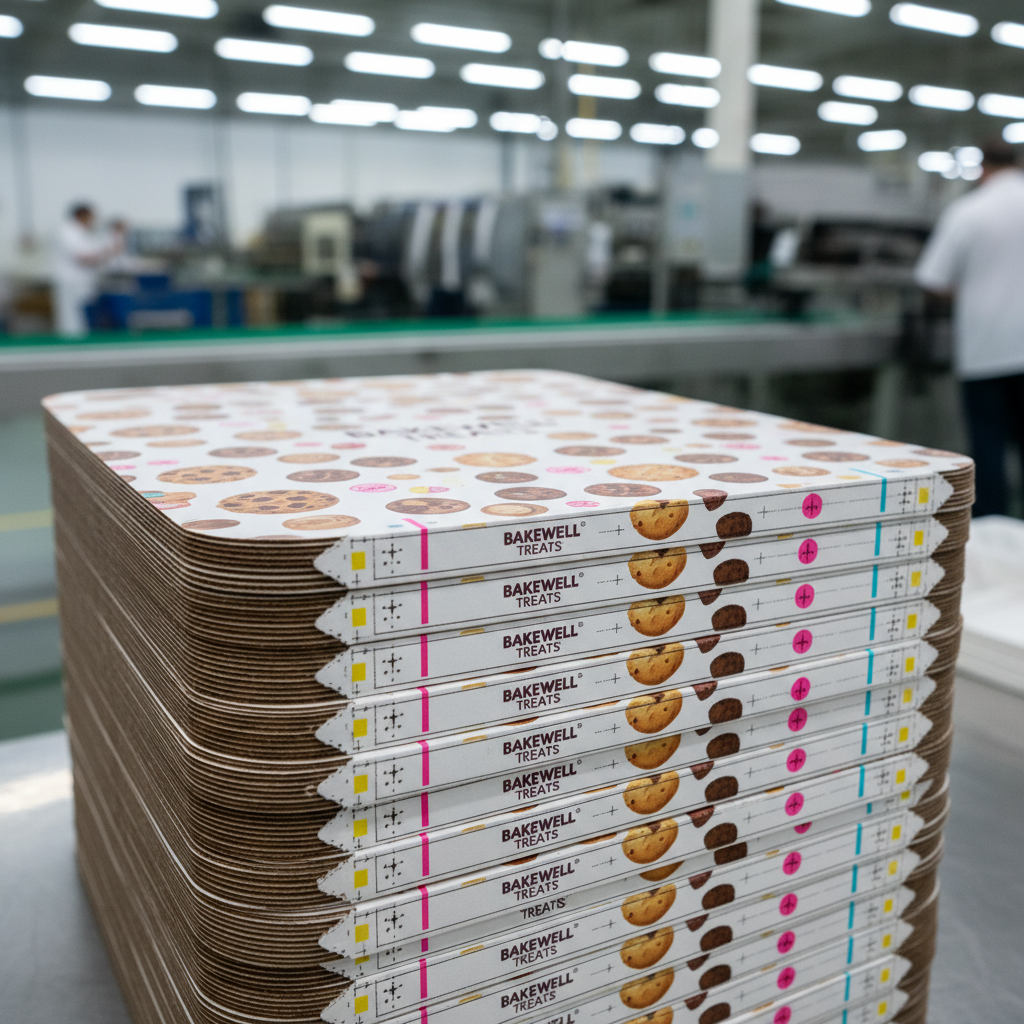
Trays are usually nested (stacked inside one another) to maximize shipping density and reduce freight costs. They are packed in poly bags within master cartons to ensure hygiene.
Conclusion
Switching to custom disposable baking trays is more than a packaging choice; it is an operational upgrade that enhances efficiency, safety, and brand presence. By understanding the technical aspects—from material selection to print finishes—you can source a product that not only withstands the heat of the oven but also stands out in the heat of the market.
Whether you need a simple kraft tray for rustic breads or a high-gloss, full-color printed tray for premium desserts, YBJ Packing has the expertise to deliver. Ensure your product looks as good as it tastes with professional-grade packaging solutions.
Ready to streamline your baking operations? Request a quote today or request a sample kit to test our quality in your own ovens.