

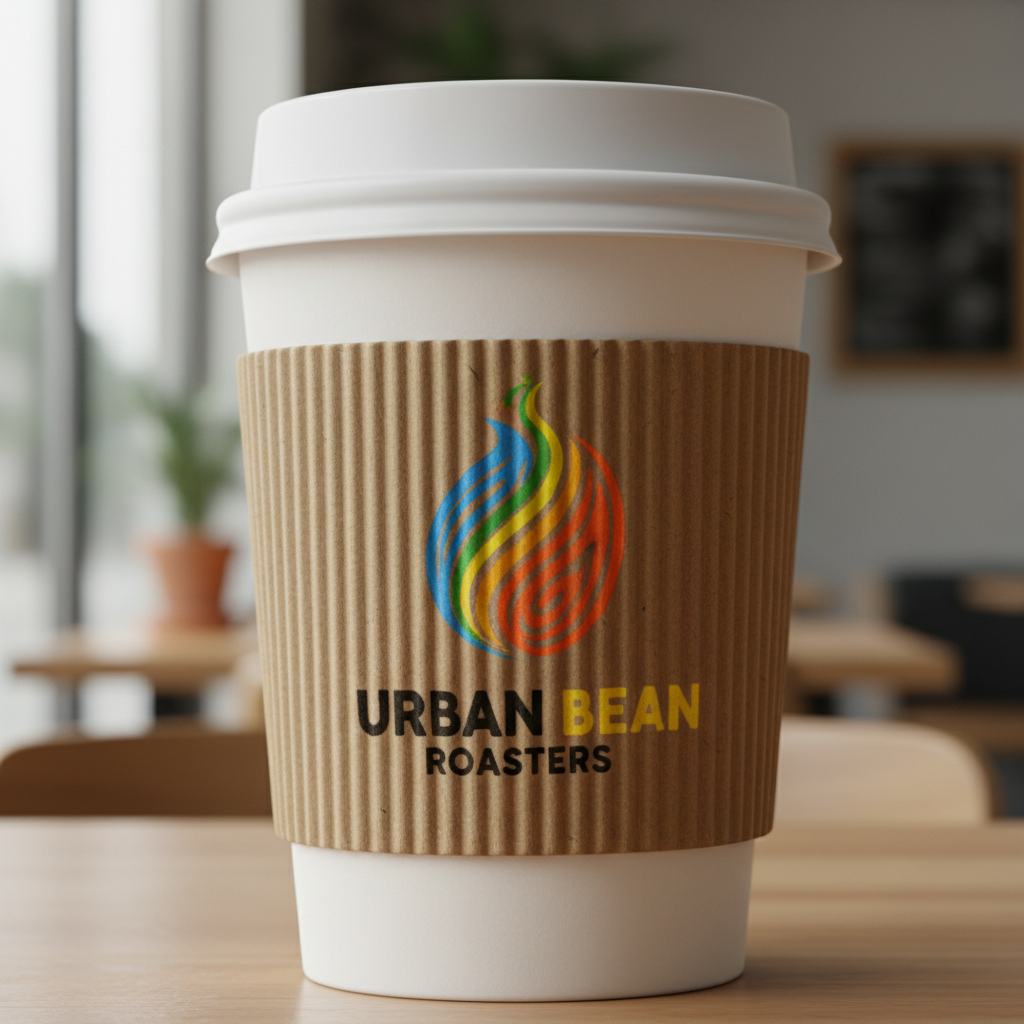
In the competitive beverage industry, the physical touchpoint between a customer and their drink is a prime branding opportunity. For coffee shops, restaurant chains, and beverage distributors, custom cup sleeves serve a dual purpose: they provide essential thermal protection and act as a mobile billboard for your brand. Sourcing these items at a wholesale level requires a clear understanding of material specifications, printing technologies, and supply chain logistics.
This guide provides an in-depth look at manufacturing standards, customization options, and procurement strategies for bulk cup sleeves. Whether you are upgrading your current packaging or sourcing for a new franchise rollout, understanding the technical details will help you secure high-quality products that align with your operational needs.
The Strategic Value of Custom Printed Cup Sleeves
While the primary function of a cup sleeve (often called a coffee clutch or zarf) is insulation, its role in marketing is equally critical. Unlike the cup itself, which may be discarded quickly or hidden by the sleeve, the sleeve is the tactile interface the customer holds for the duration of their drink.
From a procurement perspective, ordering custom cup sleeves separately from cups often offers greater flexibility. It allows businesses to use standard white or kraft single-wall cups—which are generally cheaper and easier to stock—while changing marketing messages seasonally by simply switching the sleeve design. This approach minimizes inventory risk compared to printing custom seasonal cups that may go to waste if not used.
Material Specifications: Paper Grades and Fluting
The effectiveness of a cup sleeve depends entirely on the material structure. Wholesale buyers must specify the paper grade and flute type to ensure adequate heat resistance and structural integrity.
1. Corrugated Paper Construction
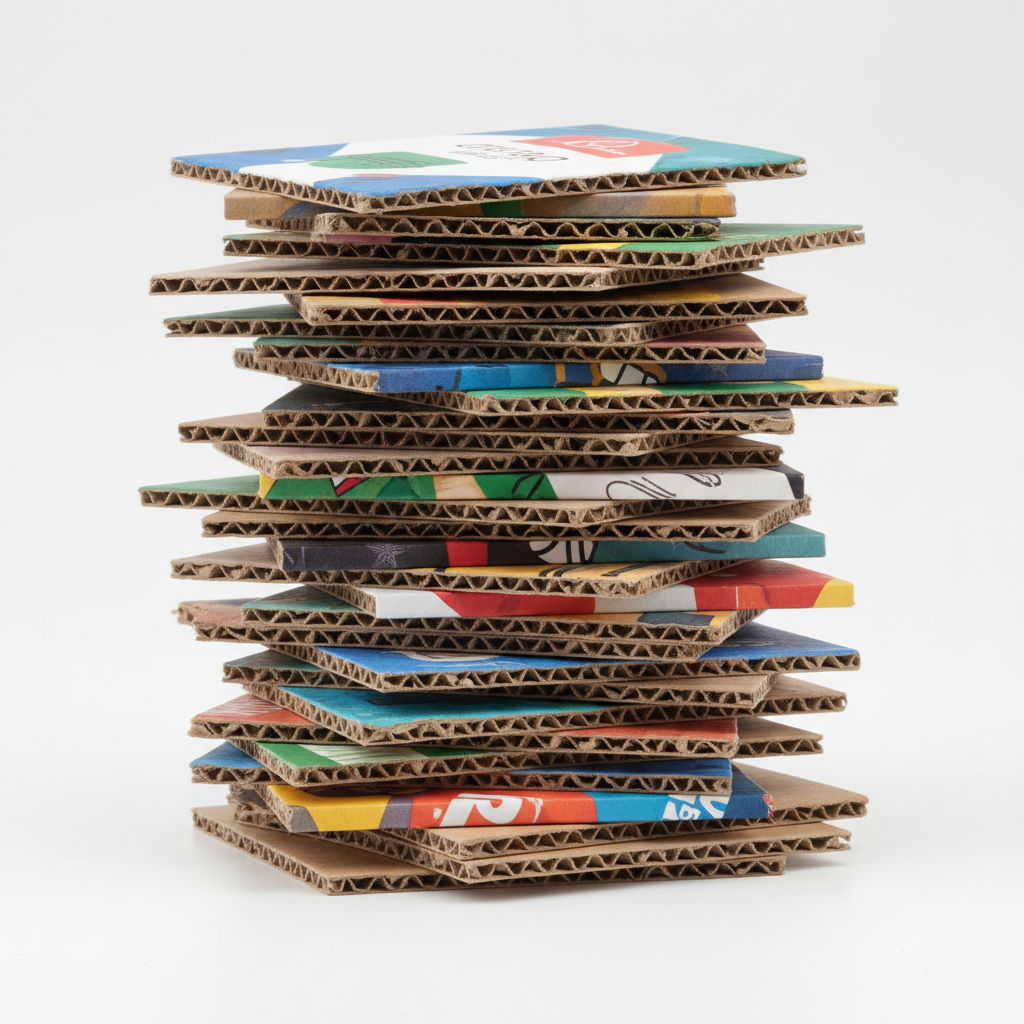
Most standard cup sleeves are made from corrugated paperboard. This consists of a fluted (wavy) inner layer sandwiched between two flat linerboards (or just one face, known as single-face corrugated, though double-face is standard for premium sleeves). The air pockets created by the flutes act as insulators.
- E-Flute: The most common profile for cup sleeves. It is approximately 1.1mm to 1.6mm thick. It offers a smooth surface for printing while providing excellent rigidity and insulation.
- F-Flute: Slightly thinner (around 0.8mm). It provides a denser, flatter surface for higher-quality print resolution but offers slightly less insulation than E-flute.
- Micro-Flute: Used for high-end applications where print detail is paramount, and the sleeve needs to feel less bulky.
2. Liner Paper Options
The outer layer, or "liner," is what receives the ink. Choosing the right liner affects both the look and the feel of the final product.
- Kraft Liner: Unbleached, brown paper. It conveys an eco-friendly, organic aesthetic. Colors printed on Kraft will appear darker and more muted. White ink is often required as a base layer if vibrant colors are needed on Kraft.
- White Top Liner: Bleached white paper. This is the standard for full-color, high-contrast graphics. It allows logos and Pantone colors to appear accurate and vibrant.
- Recycled Liner: Many B2B buyers prioritize sustainability. Verify the percentage of post-consumer recycled (PCR) content with your supplier.
Sizing and Cup Compatibility
One of the most common pitfalls in ordering cup accessories is assuming a "universal fit" will work perfectly for every cup brand. While industry standards exist, slight variations in cup taper (the angle of the cup wall) can cause sleeves to slip off or sit too low.
Standard Capacities
Most manufacturers offer tooling for the following standard ranges:
- 8 oz – 10 oz: Smaller diameter, requiring a tighter sleeve.
- 12 oz – 24 oz: This is the most common "universal" range. A well-designed 12-24oz sleeve fits a 12oz cup slightly higher up and a 20oz cup slightly lower down, but remains secure on both.
The Importance of Taper Matching
If you are sourcing cups and sleeves from different suppliers, send physical samples of your cups to your sleeve manufacturer. They can test the fit to ensure the sleeve locks in the middle third of the cup. A sleeve that slides too high interferes with the lid; one that slides too low fails to protect the hand from the hottest part of the beverage.
Printing Technologies for Wholesale Orders
The printing method used for your sleeves will dictate the cost per unit, the minimum order quantity (MOQ), and the visual quality.
Flexographic Printing
Flexography is the industry standard for high-volume wholesale orders. It uses flexible relief plates and fast-drying inks.
- Pros: extremely cost-effective for large runs (10,000+ units); fast production speeds.
- Cons: Higher setup costs (plates); difficult to achieve photo-realistic gradients; registration (alignment of colors) can vary slightly.
- Best for: Simple logos, 1-4 color designs, and massive bulk orders.
Offset Printing (Lithography)
Offset printing transfers an inked image from a plate to a rubber blanket, then to the paper.
- Pros: Superior image quality; sharp details; smooth gradients; capable of complex CMYK artwork.
- Cons: Higher unit cost than flexo; generally higher MOQs due to setup time.
- Best for: Premium brands requiring photographic images or intricate designs.
Digital Printing
Digital printing requires no plates and prints directly from a digital file.
- Pros: No plate fees; low MOQs; fast turnaround; variable data printing (e.g., unique codes on each sleeve).
- Cons: Highest cost per unit for large volumes.
- Best for: Small batches, prototyping, or limited-time promotional events.
Adhesives and Assembly Considerations
The structural integrity of a cup sleeve relies on how it is bonded. In a wholesale context, buyers should ensure the manufacturer uses high-grade adhesives suitable for high temperatures.
- Heat-Resistant Glues: The glue line must not soften or release when in contact with a cup containing liquid at 90°C (194°F) or higher. Ask your supplier about the thermal rating of their adhesive.
- Interlocking vs. Glued: Some eco-focused designs use mechanical interlocking tabs instead of glue to make recycling easier. However, glued seams are generally more robust and easier for baristas to deploy quickly during a rush.
Customization Checklist: Beyond the Logo
When defining your requirements for a quote, consider these functional and aesthetic add-ons:
- Embossing/Debossing: Adds texture to the sleeve, enhancing grip and perceived value.
- Hot Foil Stamping: Metallic foils (gold, silver) can create a premium look, though this is rare on corrugated surfaces and works better on flat thick paper sleeves.
- Variable Data: QR codes for loyalty programs or contests. Ensure the print resolution is high enough for phones to scan easily on a curved surface.
- Inside Printing: Printing a message or color on the inside of the sleeve offers a surprise element, though it significantly increases production cost.
Quality Assurance and Testing
Before approving a full production run, request samples. Evaluate them based on the following criteria:
| Test Parameter | What to Look For |
|---|---|
| Thermal Insulation | Fill a cup with boiling water. Hold it with the sleeve for 30 seconds. It should be warm, not painfully hot. |
| Fit & Stability | Shake the cup gently. The sleeve should not slide down. It should require a firm tug to remove. |
| Crush Resistance | Squeeze the sleeve. The flutes should not collapse easily under normal grip pressure. |
| Ink Odor | Smell the sleeve, especially when heated. Low-quality inks can off-gas unpleasant odors when warmed. Ensure food-safe, low-migration inks are used. |
| Rub Resistance | Rub the printed area with a damp cloth or finger. The ink should not smear or transfer to hands. |
Wholesale Buying Guide: Ordering Tips
Navigating the procurement process efficiently can save time and reduce costs. Here is how to approach your supplier.
1. Minimum Order Quantities (MOQ)
MOQs for custom printed sleeves typically start around 5,000 to 10,000 units for flexo printing. Digital options may allow for as few as 500, but the unit price will be high. For the best wholesale pricing, aim for 50,000+ units, as this optimizes the machine run time.
2. Artwork Preparation
To avoid delays in the pre-press stage:
- Submit vector files (AI, PDF, EPS).
- Convert all fonts to outlines.
- Include "bleed" areas (usually 3mm) if the design runs to the edge.
- Specify Pantone (PMS) codes for exact color matching.
3. Lead Times and Logistics
Custom manufacturing takes time. A typical timeline might look like this:
- Digital Proofing: 1-3 days.
- Sample Production (Optional): 7-10 days.
- Mass Production: 15-25 days depending on volume.
- Shipping: Varies by location (Sea freight is cost-effective but slow; Air freight is expensive).
Plan your inventory 3-4 months in advance to avoid stockouts. For detailed steps on placing a production order, review our how to order page.
4. Storage and Packaging
Cup sleeves are lightweight but bulky. Ensure your warehouse has space. They should be packed in rigid cartons to prevent the flutes from being crushed during transit. Ask your supplier about case counts—typically 1,000 or 2,000 per case—to align with your distribution logic.
Sustainability and Compliance
As environmental regulations tighten globally, opting for compliant materials is essential.
- FSC Certification: Ask if the paper source is FSC certified, ensuring responsible forestry.
- Recyclability: Standard paper sleeves are widely recyclable. Avoid plastic laminations if you want the product to be easily recycled in standard paper streams.
- Compostability: Unbleached kraft paper with water-based inks is often compostable. Verify local standards (like EN 13432 or ASTM D6400) if you intend to market them as such.
Frequently Asked Questions (FAQ)
What is the difference between single-wall and double-wall cups vs. using sleeves?
Single-wall cups with sleeves are often cheaper and more versatile than double-wall cups. They allow you to stock one type of cup and use different sleeves for branding. Double-wall cups have built-in insulation but take up more storage space and are more expensive per unit.
Can I print on the inside of the sleeve?
Yes, but it requires double-sided printing capabilities and increases cost. It is also important to ensure the ink used on the inside is food-safe, even though it doesn’t touch the liquid, as it touches the cup surface near the mouth area when stacked.
Do you offer templates for design?
Yes, reputable manufacturers provide die-line templates for standard sizes (8oz, 12oz, 16oz). Always use the manufacturer’s specific template, as curve angles vary.
How do I know if the sleeve will fit my specific cup?
The best method is to send physical samples of your cups to the sleeve manufacturer for fit testing. Alternatively, request samples of the sleeves to test on your cups before placing a bulk order.
What is the standard production time for custom sleeves?
After artwork approval, production typically takes 2-4 weeks. Shipping time is additional and depends on the method chosen.
Are the sleeves recyclable?
Most corrugated paper sleeves are 100% recyclable. However, sleeves with heavy metallic foils or plastic laminations may not be accepted in all recycling streams.
Conclusion
Sourcing custom cup sleeves wholesale is a balance of aesthetics, functionality, and logistics. By selecting the right material grade, ensuring precise fitment, and optimizing your print design for the chosen technology, you can elevate your brand’s presence while protecting your customers.
At YBJ Packing, we specialize in high-volume, custom-printed food packaging solutions tailored to international standards. Whether you need a simple kraft sleeve or a high-definition full-color design, our team is ready to assist with technical specs and logistics.
Ready to start your project? Contact us today to request a quote or get a sample kit sent to your facility.