

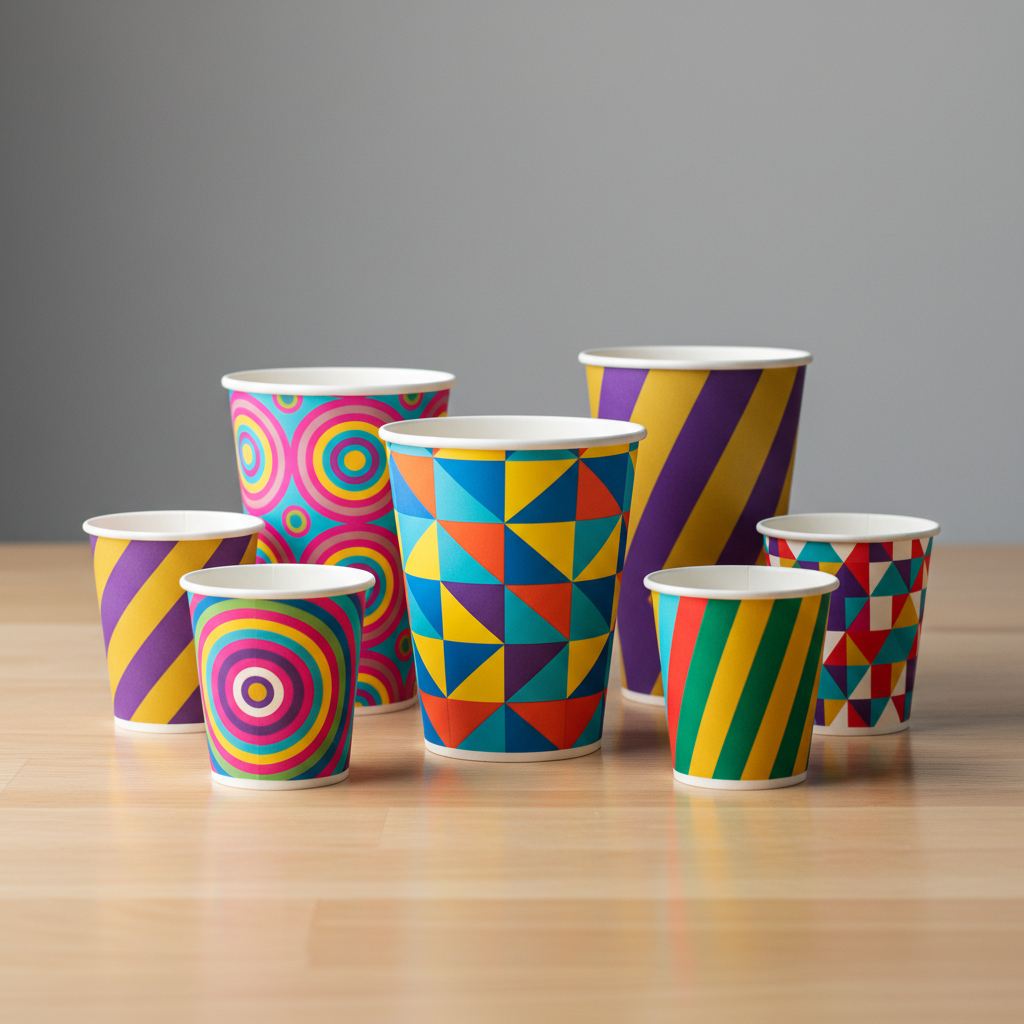
For food service brands, coffee chains, and distributors, the humble paper cup is more than just a vessel—it is a mobile billboard. In a competitive market, sourcing the right custom coffee paper cup wholesale is a strategic decision that impacts operational costs, brand perception, and sustainability goals. Whether you are upgrading your current packaging or sourcing for a new franchise rollout, understanding the technical specifications of paper cup manufacturing is essential.
This comprehensive guide covers everything procurement managers and business owners need to know about ordering printed coffee cups in bulk. From paper weights and wall structures to printing technologies and supply chain logistics, we break down the details to help you make an informed buying decision.
1. The Anatomy of a Professional Coffee Cup
Before diving into design, buyers must select the correct structural specifications. A cup that collapses under heat or leaks at the seam damages brand reputation instantly. High-quality coffee paper cups rely on precise engineering.
Paper Quality and GSM
The core material is food-grade paperboard. The thickness and durability are measured in GSM (Grams per Square Meter). Typical ranges include:
- 190–230 GSM: Often used for smaller cups (4oz) or vending cups.
- 260–300 GSM: The standard for most 8oz to 16oz single-wall cups. Provides a sturdy feel.
- 320–350 GSM: Premium heavyweight options, often used for larger sizes or premium double-wall outer layers.
Pro Tip: Higher GSM reduces the risk of the cup becoming soggy but increases unit cost. Balancing GSM with the right coating is key to cost-efficiency.
Wall Construction Types
Choosing the right wall structure depends on the beverage temperature and the need for external sleeves.
- Single Wall: The most economical option. Best for warm beverages or cold drinks. For very hot coffee, a cardboard sleeve (clutch) is usually required to protect the user’s hand.
- Double Wall: Features an extra layer of paperboard with an air gap in between. This provides excellent insulation, eliminating the need for a sleeve. It conveys a premium image and is safer for holding boiling liquids.
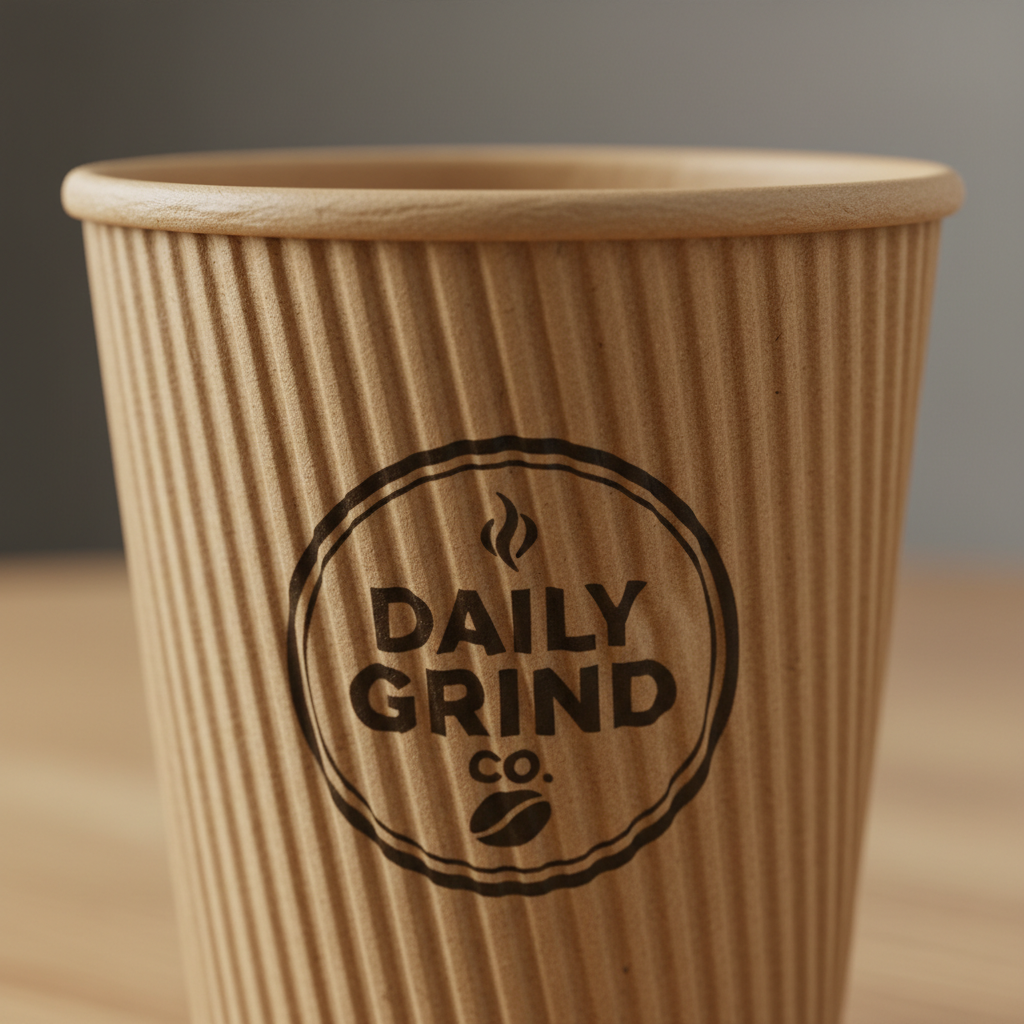
- Ripple / Corrugated Wall: A textured outer layer creates air chambers for maximum heat retention and grip. These are popular for “to-go” markets where customers carry drinks for longer periods.
2. Coating and Lining Options: Balancing Performance and Sustainability
Raw paper is porous; it requires a lining to hold liquid. The choice of lining affects the cup’s recyclability and heat resistance.
PE (Polyethylene) Lining
The industry standard. A thin layer of plastic is bonded to the interior (single PE) or both interior and exterior (double PE) for cold cups to prevent condensation issues. It is cost-effective and creates a strong seal.
PLA (Polylactic Acid) Lining
Derived from renewable resources like corn starch. PLA-lined cups are compostable in industrial facilities. They function similarly to PE but are marketed towards eco-conscious consumers.
Aqueous (Water-Based) Coating
A newer technology where a water-based solution is dispersed onto the paper, creating a barrier. These cups are often certified as repulpable and recyclable in standard paper streams, making them a growing choice for brands prioritizing circular economy principles.
Explore our full range of cups and accessories to see which material suits your market regulations.
3. Printing Technologies for Custom Branding
The visual impact of your cup depends on the printing method. Wholesale manufacturers typically offer different technologies based on volume and design complexity.
Flexographic Printing (Flexo)
Ideal for high-volume orders. It uses flexible relief plates and fast-drying inks.
- Pros: Low unit cost for large runs; food-safe water-based inks are standard.
- Cons: Higher setup costs (plate charges); slightly lower resolution compared to offset for complex gradients.
- Best for: Simple logos, solid colors, and orders over 50,000 units.
Offset Printing (Lithography)
Delivers photographic quality and sharp detail. It transfers ink from a plate to a rubber blanket, then to the paper.
- Pros: Superior color accuracy and detail; cost-effective for medium-to-large runs.
- Cons: Longer setup time than digital.
- Best for: Intricate designs, photography, and premium branding.
Color Systems: CMYK vs. Pantone (PMS)
Ensure your brand colors remain consistent. Use Pantone (PMS) codes for exact spot color matching, especially for logos. CMYK is used for full-color images but may have slight variations between production runs.
4. Sizing and Capacity Guide
Standardizing your sizes simplifies inventory management for lids. Common industry sizes include:
| Size (oz) | Capacity (ml) | Common Use | Rim Diameter (mm) |
|---|---|---|---|
| 4 oz | ~118 ml | Espresso, Sampling | 60-62mm |
| 8 oz | ~237 ml | Small Coffee, Flat White | 80mm / 90mm |
| 12 oz | ~355 ml | Regular Coffee, Latte | 80mm / 90mm |
| 16 oz | ~473 ml | Large Coffee, Tea | 90mm |
| 20 oz | ~591 ml | Extra Large | 90mm |
Note on Lids: Many brands prefer using 12oz, 16oz, and 20oz cups that all share a 90mm rim diameter. This allows you to stock a single lid size for multiple cup sizes, reducing storage space and confusion.
5. Manufacturing and Quality Assurance
When sourcing wholesale, consistency is non-negotiable. A defect rate of even 1% can cause significant operational headaches. Professional manufacturers employ rigorous QA steps:
- Cup Fan Die-Cutting: Precision cutting ensures the cup forms a perfect cone without warping.
- Side Sealing: Ultrasonic or heat bonding seals the side seam. Poor sealing leads to leaks.
- Bottom Knurling: The bottom disc is sealed to the wall. This is a critical stress point.
- Rim Rolling: A smooth, tightly rolled rim provides rigidity and ensures the lid snaps on securely.
- Leak Testing: Random sampling (often using a red liquid dye test) ensures liquid retention over time.
6. Customization Checklist: Preparing Your Order
To ensure a smooth production process, have the following ready before you place your order:
- Vector Artwork: Supply logos in AI, EPS, or PDF format. Raster images (JPEG/PNG) often result in pixelated print quality.
- Template Fitting: Ask your supplier for the specific die-line template for the cup size you are ordering. The artwork must be warped (curved) to appear straight when the cup is formed.
- Food Safety Disclaimers: Ensure any mandatory labeling (e.g., “Caution: Hot Contents” or recycling symbols) is integrated into the design.
- Digital Proofing: Always request a 3D mock-up or a flat proof to verify positioning and color separation before mass production begins.
7. Wholesale Buying Guide: MOQs and Logistics
Minimum Order Quantity (MOQ)
Custom printing requires setting up production lines.
- Low MOQ (1,000–5,000 pcs): Often printed digitally or post-production. Higher unit cost, faster turnaround.
- Standard Wholesale MOQ (10,000–50,000+ pcs): Unlocks flexo/offset pricing. Significantly lower cost per cup.
Lead Times
Production typically takes 15–30 days depending on the volume and season. Shipping (especially sea freight for international orders) can add 4–6 weeks. Plan your inventory at least 3 months in advance to avoid stockouts.
Storage and Shelf Life
Paper cups should be stored in a cool, dry place away from direct sunlight. High humidity can soften the paperboard, and extreme heat can affect the PE lining. Standard shelf life is 1–2 years if stored correctly.
8. Frequently Asked Questions (FAQ)
What is the difference between single PE and double PE coating?
Single PE is coated only on the inside, which is sufficient for hot drinks. Double PE is coated on both the inside and outside. Double PE is essential for cold drinks with ice, as condensation forms on the outside; without the outer coating, the paper would soak up the moisture and collapse.
Can I print inside the cup?
Generally, no. For food safety reasons, standard printing inks are applied only to the exterior wall. The interior must remain a pristine food-contact surface.
Do you offer matching lids?
Yes, we supply PS (Polystyrene), PP (Polypropylene), and eco-friendly Bagasse or CPLA lids designed to fit our cup rim diameters perfectly. A tight fit is crucial for safety.
How do I know if my design is printable?
Our team reviews all artwork files. We check for line thickness, font size (text smaller than 6pt may not print clearly), and color compatibility. We will advise if adjustments are needed.
Are custom paper cups microwave safe?
Most standard PE-lined cups are not recommended for microwave use. However, specific materials can be requested if microwaveability is a requirement for your product.
Can I get a physical sample before the full order?
Yes. We can provide generic samples to test quality and size. For a custom-printed proof of your specific design, a sampling fee may apply due to the setup costs involved.
Ready to Elevate Your Brand?
Your coffee cup is the handshake between your brand and your customer. Don’t leave it to chance. At YBJ Packing, we specialize in high-quality, custom-printed food service packaging that meets international standards.
Whether you need a specific GSM, a unique ripple wall texture, or guidance on eco-friendly linings, our team is here to help you navigate the options.
Request a Quote / Get a Sample today and let’s start your project.