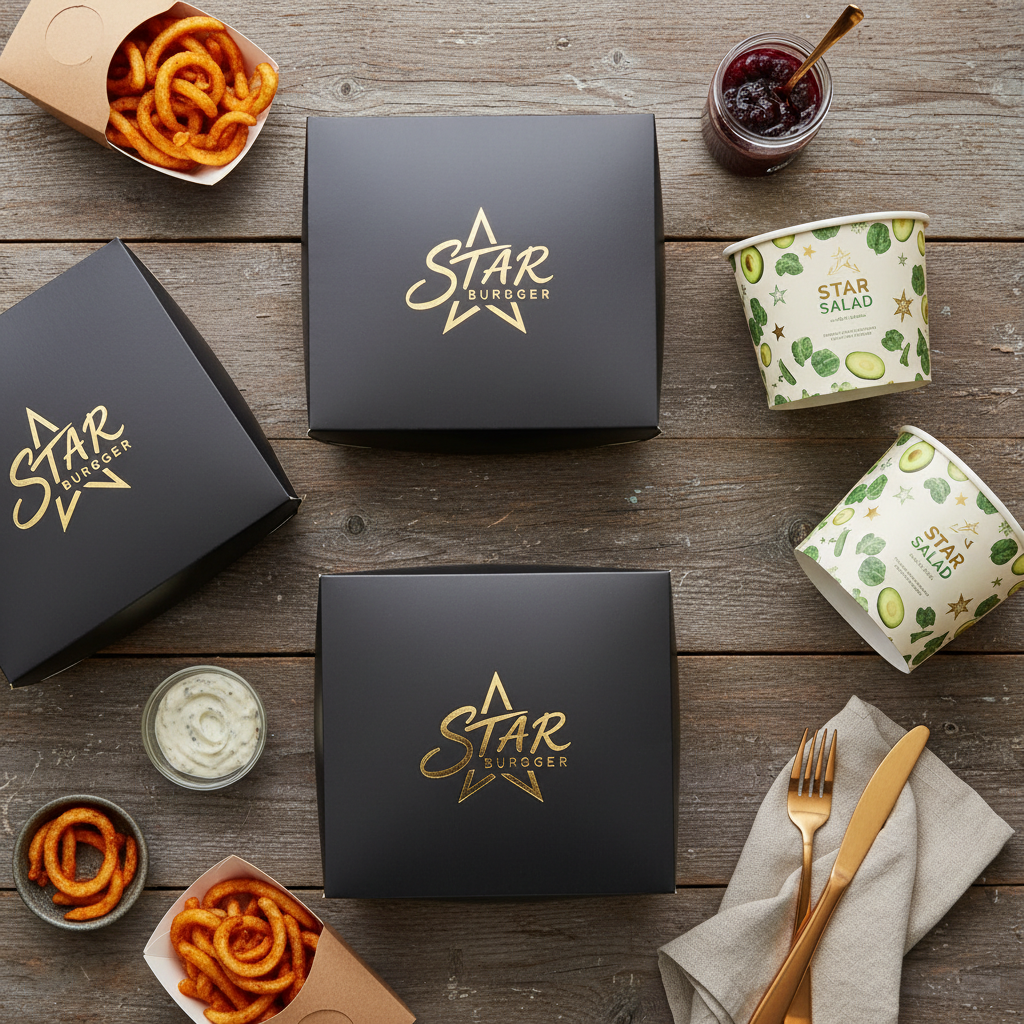


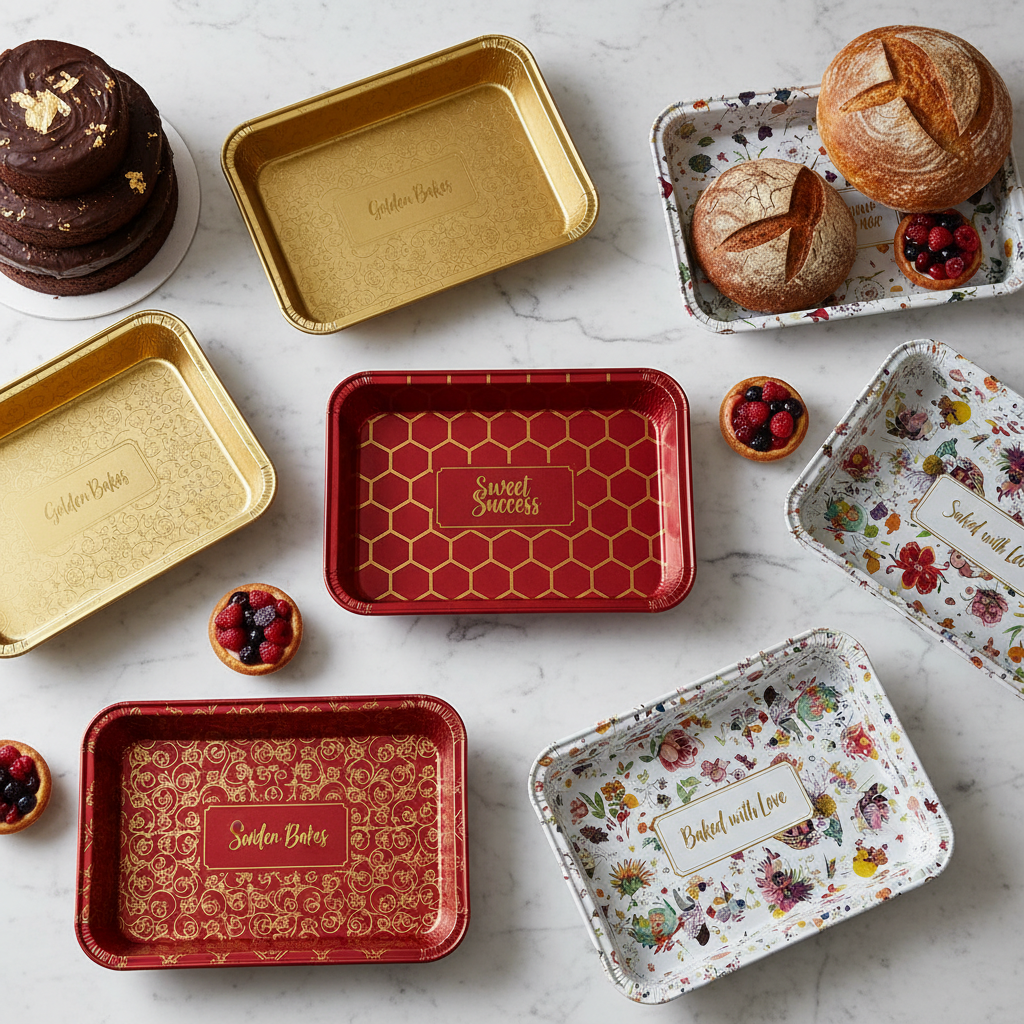
In the competitive landscape of commercial baking and food service, packaging is no longer just a vessel; it is a critical component of brand identity and operational efficiency. For large-scale bakeries, restaurant chains, and food distributors, sourcing custom aluminum baking pans offers a dual advantage: superior thermal performance and high-impact branding opportunities. Unlike generic foil containers, custom-printed and specified aluminum trays elevate the product presentation from the oven directly to the consumer’s table.
Choosing the right partner for aluminum baking pan wholesale requires a deep understanding of metallurgy, coating technologies, and supply chain logistics. Whether you are launching a new line of ready-to-bake meals or upgrading your bakery’s retail display, navigating specifications like alloy temper, rim styles, and printing capabilities is essential to securing a product that performs under heat and looks exceptional on the shelf.
This comprehensive guide explores the technical and commercial aspects of sourcing custom aluminum packaging, helping procurement teams and brand managers make informed decisions.
Why Aluminum Remains the Gold Standard for Commercial Baking
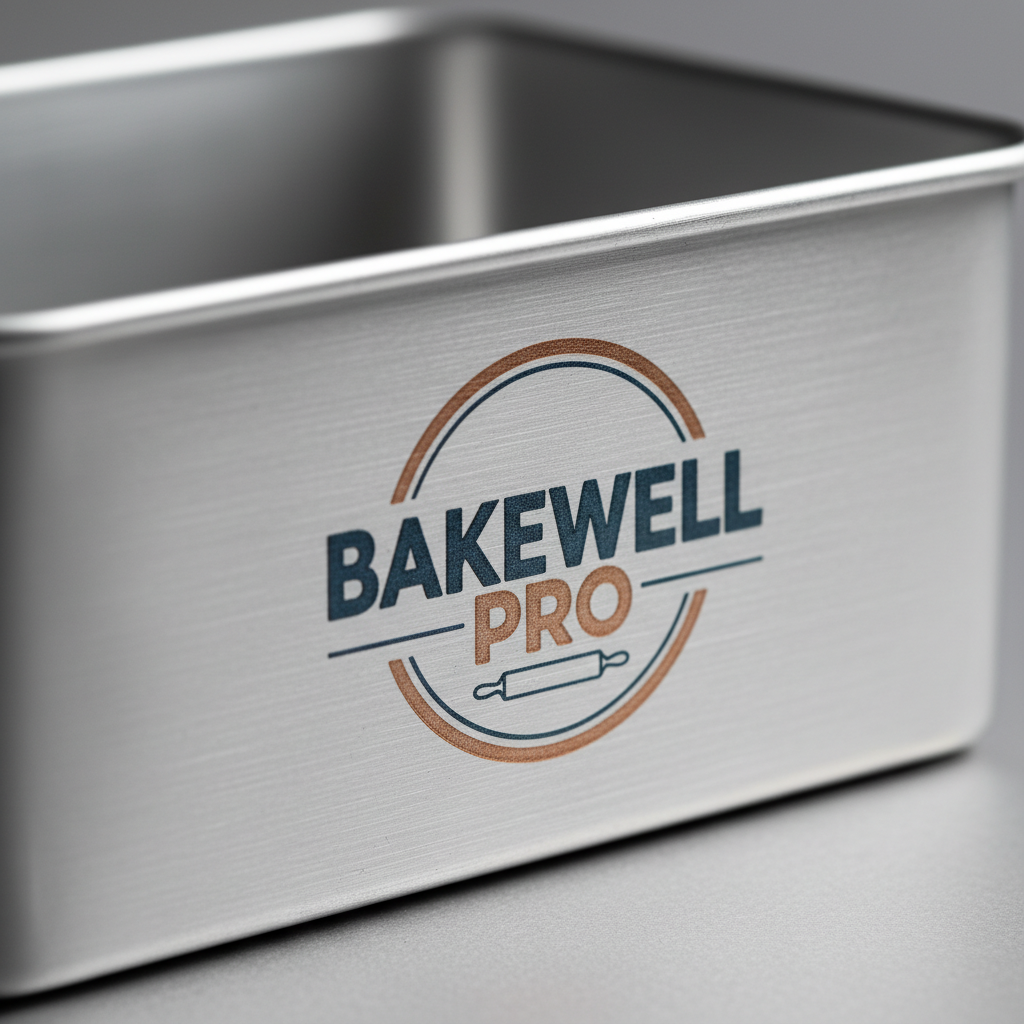
Before diving into customization, it is vital to understand why aluminum remains the material of choice for the baking industry. Its dominance is not accidental; it is backed by material science that directly benefits food quality.
- Thermal Conductivity: Aluminum distributes heat evenly and rapidly. This ensures that baked goods—from dense cakes to delicate pastries—bake uniformly without burnt bottoms or undercooked centers. For commercial kitchens, this efficiency translates to reduced energy costs and faster throughput.
- Temperature Versatility: High-quality aluminum pans can withstand extreme temperature fluctuations. They can go from a blast freezer (-40°C) directly into a convection oven (up to 400°C) without cracking or shattering, a feat that plastic and glass cannot reliably match.
- Barrier Properties: Aluminum provides a total barrier against light, moisture, and oxygen, which is crucial for extending the shelf life of pre-packaged bakery items.
- Recyclability: In an era where sustainability drives consumer choice, aluminum is infinitely recyclable without loss of properties, making it a preferred choice for eco-conscious brands.
For buyers looking to explore the baseline options before customizing, browsing a dedicated aluminum baking pan category is a good starting point to understand standard shapes and volumes.
Manufacturing Styles: Smooth-Wall vs. Wrinkle-Wall
When ordering wholesale aluminum baking pans, one of the first technical decisions is choosing between smooth-wall and wrinkle-wall construction. This choice affects not only the aesthetic but also the functionality, particularly regarding sealing.
Wrinkle-Wall Containers
Wrinkle-wall pans are the traditional standard for the industry. They are formed by pressing a sheet of aluminum foil into a mold, resulting in characteristic ridges (wrinkles) along the sidewalls. The rim is typically a curled edge (full curl) to provide rigidity.
Pros:
- Cost-Effective: Generally cheaper to manufacture due to simpler tooling and material usage.
- Structural Integrity: The wrinkles add vertical strength, allowing the pan to hold heavier items like lasagnas or fruit cakes.
Cons:
- Sealing Limitations: The uneven rim surface makes it difficult to create a hermetic air-tight seal with film. These are usually paired with clip-on plastic lids or foil-laminated board lids.
- Aesthetics: While functional, they have a more industrial, utilitarian look compared to smooth-wall options.
Smooth-Wall Containers
Smooth-wall containers represent the premium segment of the market. Through a more complex drawing process, the sidewalls are completely smooth, lacking the ridges of their counterparts. These pans often feature a flat flange rim.
Pros:
- Hermetic Sealing: The flat rim allows for heat-sealing with film, creating a vacuum or gas-flushed (MAP) environment that significantly extends shelf life.
- Premium Presentation: The sleek, smooth surface looks more like a permanent baking dish, making it ideal for “oven-to-table” ready meals.
- Printing Surface: The smooth sides provide an undistorted canvas for high-quality printing and branding.
Cons:
- Higher Cost: The manufacturing process is slower and requires more specialized alloys, leading to a higher unit price.
Custom Printing and Coating Options
For B2B buyers, the ability to brand packaging is a key differentiator. A printed aluminum baking pan transforms a commodity container into a marketing tool. However, printing on metal that must endure high oven temperatures requires specialized technology.
External Color Lacquers
The simplest form of customization is applying a solid color lacquer to the exterior (and sometimes interior) of the pan. Common colors include gold, black, red, and copper.
- Heat Resistance: These lacquers are typically based on epoxy, polyester, or polyamide resins designed to withstand 200°C to 280°C without discoloring or peeling.
- Food Safety: Internal coatings must be food-grade and compliant with FDA or LFGB standards, ensuring no chemical migration occurs during baking.
- Visual Impact: A black or gold lacquered pan suggests a premium product and contrasts beautifully with baked goods, enhancing perceived value.
Printing Techniques
To apply logos, patterns, or cooking instructions directly onto the aluminum, manufacturers use advanced printing methods.
- Flexographic Printing: Suitable for simple designs and repeating patterns. It is cost-effective for high-volume runs.
- Gravure Printing: Offers higher resolution and better color saturation. This is ideal for intricate brand logos or multi-color designs that need to stay sharp even after the forming process.
- Distortion Printing: Since the aluminum sheet is flat when printed and then drawn into a 3D shape, the artwork must be pre-distorted. Engineers calculate the stretch of the metal so that the logo appears perfectly proportioned once the pan is formed.
When requesting a quote for printed pans, be prepared to provide vector artwork (AI or PDF) and Pantone (PMS) color codes to ensure brand consistency.
Understanding Aluminum Specifications
To communicate effectively with an aluminum baking pan manufacturer, buyers should be familiar with the material specs. Specifying the wrong alloy or gauge can lead to pans that buckle under weight or tear during production.
Alloy Selection: 3003 vs. 8011
- Alloy 8011: The most common alloy for standard household foil and simple wrinkle-wall containers. It offers good formability and is cost-effective.
- Alloy 3003: Contains manganese, which increases strength by about 20% compared to 1xxx series aluminum. It also has excellent elongation properties, making it the preferred choice for deep-draw smooth-wall containers and heavy-duty applications. For premium bakery items, specifying 3003 alloy ensures a sturdier pan.
Temper and Hardness
The temper indicates the hardness and elasticity of the aluminum.
- H22 / H24: These are common tempers for semi-rigid containers. They offer a balance between strength (to hold shape) and ductility (to prevent cracking during the forming process).
- O (Annealed): Fully soft aluminum, typically used for lidding foil or very shallow trays.
Thickness (Gauge)
Thickness is measured in microns (µm) or millimeters (mm).
- Standard Foil Pans: 30µm to 80µm.
- Heavy-Duty / Smooth-Wall: 90µm to 150µm (0.09mm – 0.15mm).
If your product is a dense fruitcake or a heavy meat pie, opting for a higher gauge (e.g., 100µm+) is necessary to prevent the container from collapsing when lifted.
Lid Compatibility and Closure Systems
A baking pan is only half the package. The closure system defines how the product is distributed and displayed. You can explore various bakery packaging solutions to find matching lids.
Plastic Dome Lids (OPS/PET/PP)
Clear plastic lids are excellent for retail visibility. They snap over the curled rim of the aluminum pan.
- OPS (Oriented Polystyrene): Crystal clear but brittle; not suitable for hot-fill.
- PET (Polyethylene Terephthalate): Strong, clear, and recyclable. Standard for cold or warm display.
- PP (Polypropylene): Microwave safe and heat resistant, allowing for hot-filling.
Foil-Laminated Board Lids
These are flat lids made of cardboard laminated with aluminum on the underside. They are crimped onto the pan using the pan’s vertical flange. They are printable, stackable, and excellent for retaining heat during delivery.
Heat Seal Film
Used primarily with smooth-wall containers. A plastic film is heat-welded to the pan’s flange. This provides a tamper-evident, leak-proof seal. It requires sealing machinery but offers the most professional finish for industrial food production.
Wholesale Buying Guide: Ordering & Logistics
Sourcing bulk aluminum baking pans involves logistical planning. Here is a checklist for procurement managers to streamline the process.
Minimum Order Quantities (MOQ)
Customization drives MOQs up.
- Standard Stock Items: May have low MOQs (e.g., 1 pallet or 50,000 pieces).
- Custom Printed/Colored Items: Require setting up the coating line and printing rollers. MOQs often start at 100,000 to 300,000 pieces depending on the size of the pan.
- New Mold Tooling: If you require a unique shape (e.g., a star-shaped pan), you will need to pay for tooling. This is a one-time cost, but the production run will still need to meet minimum efficiency thresholds.
Lead Times
Custom production takes time.
- Design & Approval: 1-2 weeks for digital proofs and sampling.
- Tooling (if custom shape): 4-6 weeks.
- Production: 3-5 weeks after artwork approval.
- Shipping: Depends on destination (ocean freight usually 4-6 weeks).
Plan your seasonal orders (e.g., Christmas baking pans) at least 4-5 months in advance.
Packaging for Shipment
Aluminum pans are designed to nest (stack inside each other) to maximize shipping density. However, printed or coated pans need careful handling to avoid scratching. Ask your supplier about:
- Carton Strength: Ensure 5-ply corrugated boxes are used to prevent crushing during transit.
- Polybag Liners: Essential for food safety to prevent dust contamination inside the box.
Sustainability and Compliance
Aluminum is a permanent material, meaning it can be recycled indefinitely without losing quality. Promoting the recyclability of your packaging is a strong selling point.
- Rinsing: Remind consumers that lightly rinsing the pan increases the likelihood of effective recycling.
- Certifications: Ensure your manufacturer complies with ISO food safety management systems and provides declarations of compliance (DoC) for food contact materials.
FAQ: Common Questions from Buyers
Q: Can custom printed aluminum pans be used in the microwave?
Yes, modern aluminum pans can be used in microwaves if the microwave was manufactured after 1980 and the pan does not touch the walls of the microwave. However, consumer education is required. They are primarily designed for conventional ovens.
Q: What is the difference between lacquered and uncoated pans?
Uncoated pans are raw aluminum (silver). Lacquered pans have a coating for color or increased corrosion resistance (useful for highly acidic foods like tomato tarts or lemon pies). Lacquer is required if you want a colored exterior.
Q: How do I test if a pan is strong enough for my product?
The best way is to request a sample. Bake your actual product in the sample pan to test structural integrity during rising and handling.
Q: Can I get a custom logo embossed instead of printed?
Yes, embossing is possible. The logo is engraved into the mold, raising the aluminum surface. This adds a tactile premium feel and avoids ink, but it is less visible from a distance compared to high-contrast printing.
Q: Are there specific storage requirements for bulk aluminum pans?
They should be stored in a dry, climate-controlled warehouse. High humidity can cause oxidation (white rust) on raw aluminum pans over long periods.
Q: How do I get a quote for a custom project?
You should contact the sales team with details on dimensions (Top Out, Top In, Bottom, Vertical Depth), estimated annual volume, and artwork files if printing is required.
Elevate Your Bakery Brand
Switching to custom aluminum baking pans is a strategic investment in product quality and brand visibility. By moving away from generic packaging, you ensure your food is cooked perfectly, protected during transit, and presented beautifully to the customer.
Whether you need a high-heat smooth-wall container for a premium ready meal or a festive printed tart pan for a holiday promotion, understanding the specifications outlined above will help you navigate the wholesale market with confidence. Prioritize suppliers who can offer robust quality assurance, food-grade certifications, and clear communication regarding lead times.
Ready to discuss your custom packaging requirements? Request a quote today or browse our catalog to see how we can support your production needs.