

Introduction: The Strategic Importance of Professional Cake Packaging
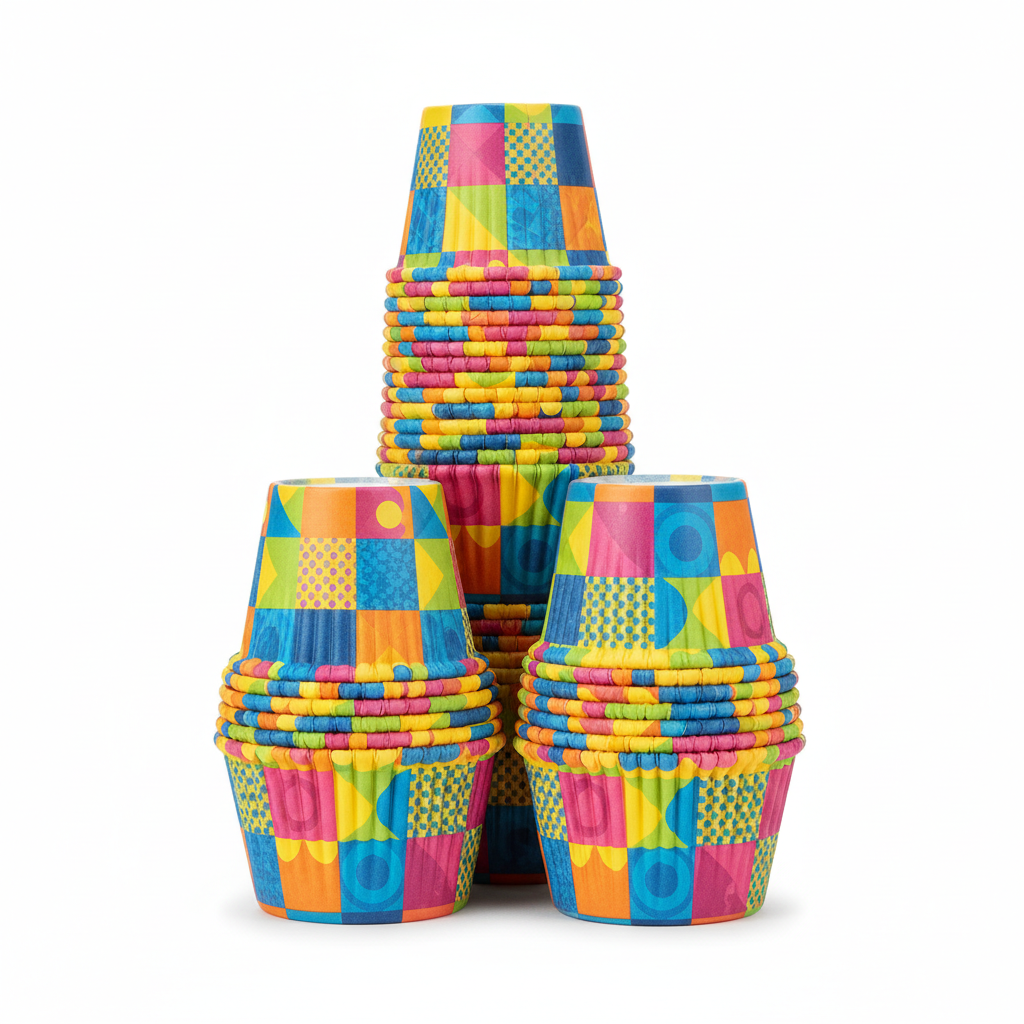
In the competitive landscape of bakery and food service, packaging is rarely just a container; it is a critical component of product presentation, operational efficiency, and brand identity. For B2B buyers—ranging from large-scale commercial bakeries to boutique franchise owners—sourcing the right custom cake paper cups involves balancing technical specifications with aesthetic appeal.
Choosing the wrong cup can lead to grease bleed-through, structural collapse during baking, or poor branding execution. Conversely, high-quality, food grade cake paper cups enhance the customer experience, ensure food safety, and streamline backend operations. This guide provides a comprehensive technical overview for procurement officers and business owners looking to source bulk cake paper cups directly from manufacturers.
1. Understanding Material Composition and Food Safety
The foundation of any high-performance cake cup is the raw material. Unlike standard beverage cups, cake cups must often withstand high oven temperatures, resist grease penetration, and maintain structural integrity under the weight of dense batters.
Paperboard Grades and GSM
Most industrial cake cups are manufactured from virgin wood pulp paperboard. The thickness and density of this paper are measured in GSM (grams per square meter). For cake cups, the typical range lies between 40gsm for lightweight liners to over 150gsm for standalone baking cups.
- Standard Greaseproof Paper (40–80gsm): Ideal for muffin liners that sit inside a metal tin. These offer basic grease resistance but lack structural rigidity on their own.
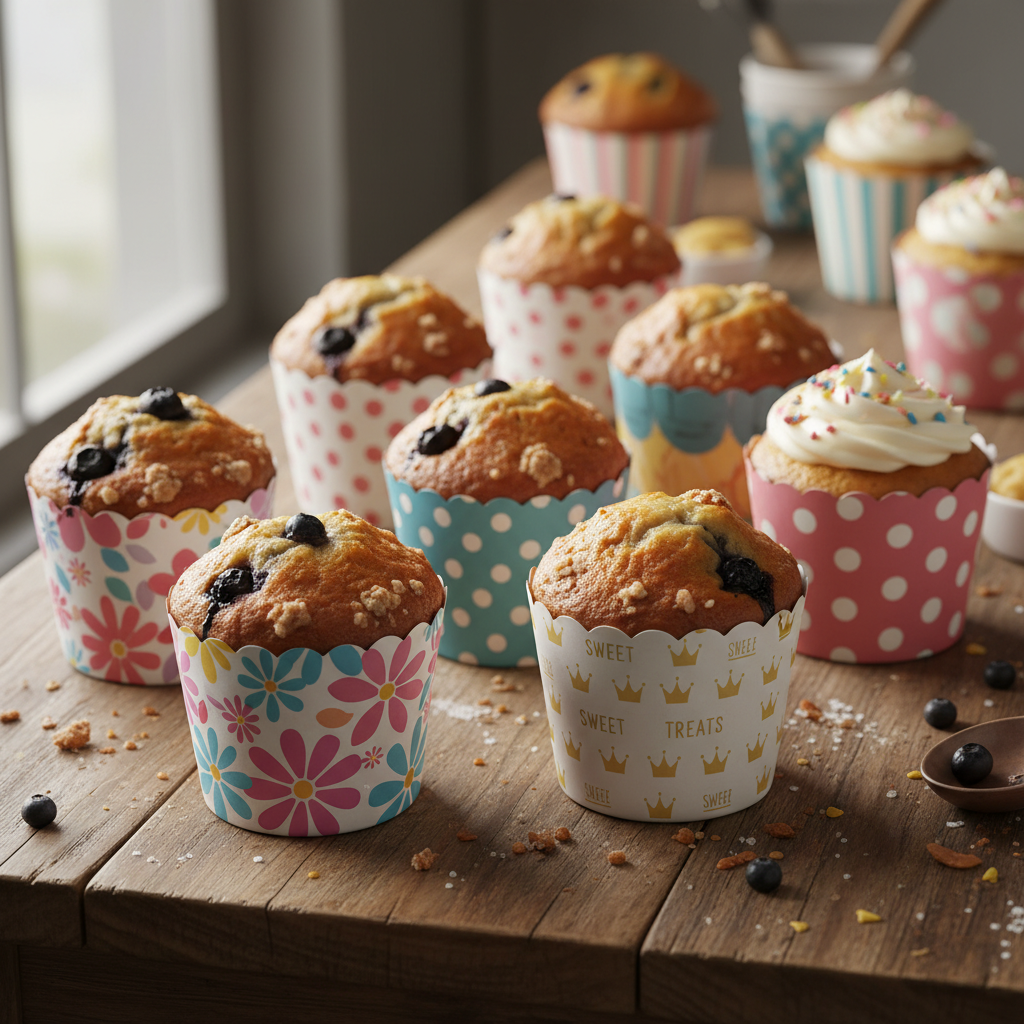
- Heavyweight Baking Board (100–180gsm): Used for free-standing cups (often called tulip cups or rigid baking cups). These do not require a metal muffin pan, offering significant operational savings for large bakeries by reducing washing up and equipment needs.
Coatings and Linings
To prevent moisture loss and grease staining, paper cups often require specific treatments:
- PE (Polyethylene) Coating: A thin plastic layer often applied to the interior. It provides excellent moisture barriers, essential for frozen desserts or moist cakes. However, standard PE is not biodegradable.
- Silicone Coating: High-end baking cups often feature a silicone release coating. This ensures the cake releases effortlessly from the paper, improving the consumer experience and reducing waste.
- PLA (Polylactic Acid) Lining: A plant-based biodegradable alternative to PE. It offers similar functional properties but aligns with eco-friendly brand positioning.
- Clay Coating: Often used on the exterior for superior printability, providing a smooth surface for high-resolution branding.
When sourcing cake paper cups wholesale, it is vital to specify the intended use (baking vs. serving) to ensure the correct coating is applied.
2. Technical Specifications: Sizing and Dimensions
Inaccurate sizing is a common pain point in packaging procurement. A discrepancy of a few millimeters can result in cups that do not fit standard display boxes or automated filling lines.
Key Measurement Parameters
When requesting a quote, buyers should provide three critical dimensions:
- Bottom Diameter: The width of the base. This must match your baking trays or display inserts.
- Wall Height: The vertical height of the cup. Taller walls (tulip style) offer a premium look and allow for more batter without overflow.
- Top Diameter (Spread): The width across the top opening. This affects how the product is stacked and lidded.
Standard vs. Custom Sizes
While standard sizes (e.g., 50mm base x 35mm height) are readily available and cost-effective, custom sizing is frequently necessary for unique product lines. Manufacturers can adjust tooling to create bespoke shapes, such as elongated oval cups for eclairs or square cups for brownies.
3. Printing and Customization Options
Branding is a primary driver for switching to printed cake paper cups. The printing process must ensure that the ink does not migrate into the food and withstands baking temperatures without discoloration.
Printing Technologies
- Flexographic Printing: The industry standard for high-volume runs. It uses flexible plates and is cost-efficient for simple designs (1–4 colors). It is ideal for logos and repeating patterns.
- Offset Printing: Offers higher resolution and is better suited for complex artwork, gradients, or photographic quality images. It generally requires a higher Minimum Order Quantity (MOQ).
Ink Safety
For food contact packaging, safety is non-negotiable. Reputable manufacturers use:
- Soy-Based or Water-Based Inks: These are free from volatile organic compounds (VOCs) and heavy metals.
- Odorless Inks: Essential for baking applications, as heat can cause low-quality inks to release odors that taint the food product.
Always verify that your supplier uses food-safe inks compliant with FDA or EU regulations.
4. Use Cases and Application Scenarios
Different culinary applications require distinct cup characteristics. Understanding these scenarios helps in selecting the right product from a broad cups and accessories catalog.
Commercial Bakeries (Oven-Safe Requirements)
For operations baking directly in the cup, heat resistance is paramount. The paper must not scorch at temperatures up to 220°C (428°F). Rigid, freestanding cups are preferred here to eliminate the need for cleaning metal tins, speeding up throughput.
Frozen Desserts and Ice Cream
Cups used for ice cream cakes or frozen yogurt require double-poly (PE) coating (coating on both inside and outside) to prevent condensation from softening the paper board. Structural rigidity is key to preventing collapse when the product melts slightly.
Retail and Display
For items sold in display cabinets, visual appeal is the priority. Tulip cups or lotus cups offer an artisanal aesthetic that commands a higher price point. Grease resistance is critical here; nothing devalues a product faster than a grease-stained paper cup.
5. Manufacturing and Quality Assurance
Understanding the manufacturing process helps buyers appreciate lead times and quality benchmarks.
The Production Process
- Printing: Large rolls of paper are printed with the client’s design.
- Die-Cutting: The printed rolls are cut into “blanks” (flat shapes).
- Forming: High-speed machines fold and bond the blanks into cup shapes. Bonding is typically achieved via heat sealing (for PE coated cups) or mechanical pressure.
Quality Control Checkpoints
A reliable cake paper cups manufacturer will perform rigorous testing:
- Leak Testing: Filling random samples with liquid to ensure seals hold.
- Heat Resistance Test: Baking empty and filled cups to check for scorching or deformation.
- Fluorescence Check: Ensuring no optical brightening agents (OBAs) are present in food-contact paper.
6. Buyer’s Guide: Sourcing and Logistics
Navigating the procurement process for wholesale food packaging requires attention to detail regarding logistics and terms.
Minimum Order Quantities (MOQ)
MOQ varies significantly based on customization. Standard white or kraft cups may have low MOQs (e.g., 1–5 cartons). However, custom food packaging usually requires runs of 10,000 to 50,000 units to amortize the setup costs of printing plates and tooling.
Lead Times
- Sampling: Digital samples are quick, but physical pre-production samples typically take 7–10 days.
- Production: Once artwork is approved, production generally takes 15–25 days depending on volume.
- Shipping: International freight adds variable time. Buyers should plan inventory 2–3 months in advance.
Artwork Preparation
To expedite the process, supply artwork in vector formats (AI, PDF, EPS). Ensure all fonts are outlined and colors are specified in Pantone (PMS) codes for accuracy.
7. Sustainability in Cake Packaging
Global markets are increasingly regulating single-use plastics. Buyers should consider:
- FSC-Certified Paper: Ensures the wood pulp comes from responsibly managed forests.
- Compostable Options: Cups lined with PLA or water-based coatings that can be industrially composted.
- Recyclability: While paper is recyclable, heavy grease contamination or plastic linings can complicate this. Discuss end-of-life options with your supplier to make accurate claims to your customers.
8. Comparison Table: Cup Types
| Cup Type | Material | Key Benefit | Best Use Case |
|---|---|---|---|
| Standard Baking Cup | 40-60gsm Greaseproof | Low cost | Muffins (requires tin) |
| Tulip Cup | 60-80gsm Greaseproof | Premium presentation | Artisanal muffins, cupcakes |
| Rigid Free-Standing | 150gsm+ Board | No baking tin needed | Dense cakes, brownies |
| Rolled Rim Cup | PE Coated Board | Lid compatibility | Takeaway desserts, ice cream |
9. Frequently Asked Questions (FAQ)
Can I bake directly in coated paper cups?
Yes, provided the coating is designed for high heat. Silicone and specific PET coatings are oven-safe. However, standard PE (polyethylene) is generally not recommended for temperatures exceeding 180°F for long periods, as it may melt or deform. Always confirm the temperature rating with your cake paper cups supplier.
What is the difference between greaseproof and parchment paper?
Greaseproof paper is treated to resist oil penetration but may not have release properties. Parchment paper (often silicone-coated) is both grease-resistant and non-stick, making it superior for sticky batters.
Do you offer custom printing for small businesses?
We specialize in B2B wholesale, which allows us to offer the best pricing per unit. While we focus on bulk orders, we can discuss specific needs. Please check our ordering guide for details on minimums.
Are the inks food-safe?
Absolutely. We use certified food-grade inks that are safe for direct food contact and do not emit harmful odors during baking.
How do I choose the right size for my muffin pan?
Measure the bottom diameter of the cup holder in your pan. The paper cup’s base diameter should match this measurement exactly or be slightly smaller (1–2mm) to fit comfortably. If you want to eliminate pans entirely, consider our rigid freestanding cups.
Can I get samples before placing a bulk order?
Yes, sampling is a critical part of the quality assurance process. You can contact our team to request samples to test fit and material quality in your specific ovens.
What file formats are needed for custom logos?
We prefer vector files (AI, PDF) to ensure the highest print quality. If you only have a raster image (JPG, PNG), it must be high resolution (300dpi), though vector is always preferred for crisp lines.
Conclusion
Selecting the right cake paper cups is a balance of form and function. Whether you need a simple liner for a wholesale muffin line or a branded, freestanding cup for a retail bakery chain, the technical details matter. From paper weight and coatings to print quality and food safety compliance, working with an experienced manufacturer ensures your product looks as good as it tastes.
Ready to upgrade your packaging? Request a quote today to discuss your specifications and receive a tailored proposal for your business.