

Engineering the Perfect Packaging for Baked Goods
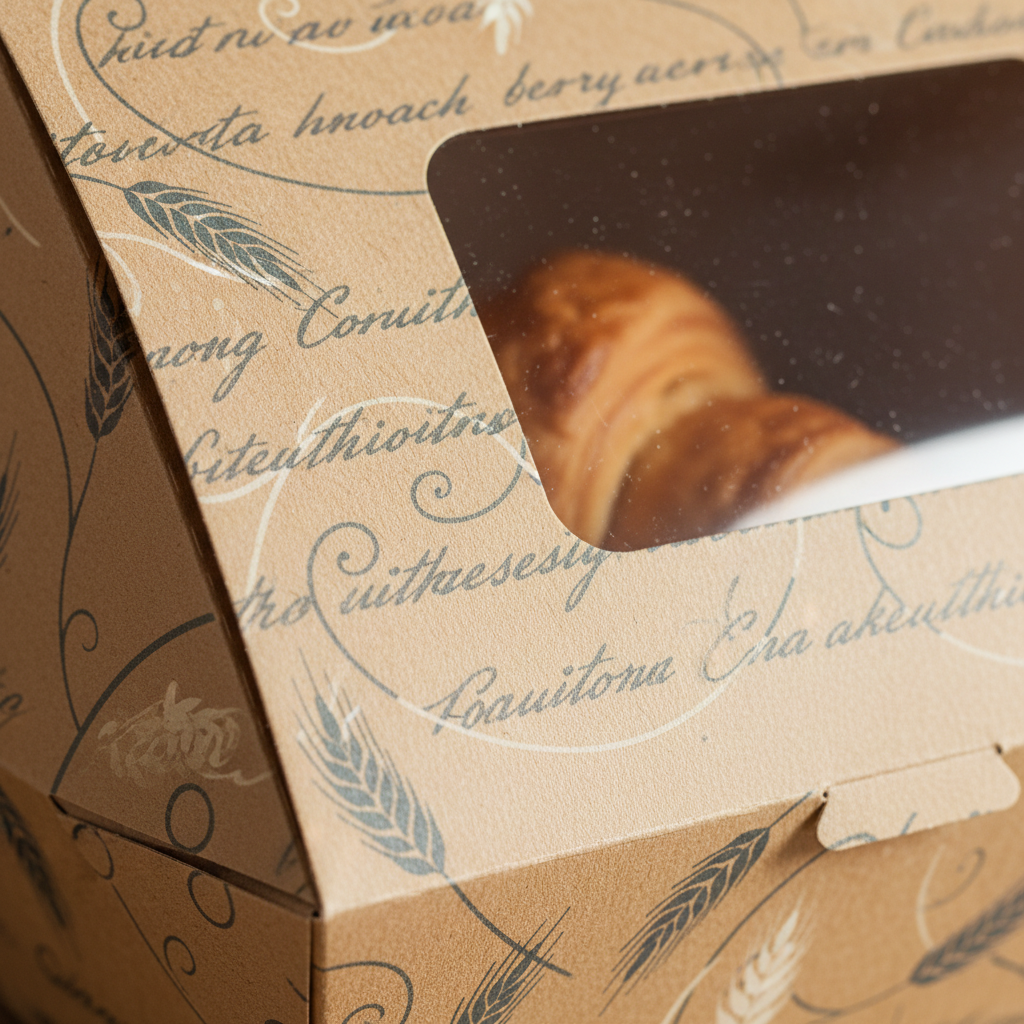
In the bakery industry, packaging serves two critical roles: structural protection and brand presentation. A cake is a delicate, high-value product that requires robust engineering to survive the logistics chain—from the commercial kitchen to the retail shelf, and finally to the customer’s table. For procurement managers and bakery owners, selecting the right custom cake boxes involves balancing material specifications, cost-efficiency, and aesthetic appeal.
Unlike standard retail packaging, bakery boxes must meet food safety standards while managing moisture and grease. Whether you are sourcing for a large-scale industrial bakery or a boutique franchise, understanding the technical nuances of paperboard packaging is essential for maintaining product integrity. This guide explores the material options, structural designs, and finishing techniques available for wholesale bakery packaging.
Material Specifications: Balancing Strength and Food Safety
The foundation of any high-quality cake box is the raw material. The choice of paperboard determines the box’s stacking strength and its ability to resist grease absorption.
1. Ivory Board (SBS – Solid Bleached Sulfate)
For premium cakes requiring high-quality printing, SBS is the industry standard. It offers a smooth, bright white surface that supports vibrant offset printing. Typical weights range from 300gsm to 400gsm depending on the size of the cake. SBS is ideal for intricate graphics and luxury finishing.
2. Kraft Paperboard (C1S/C2S or Uncoated)
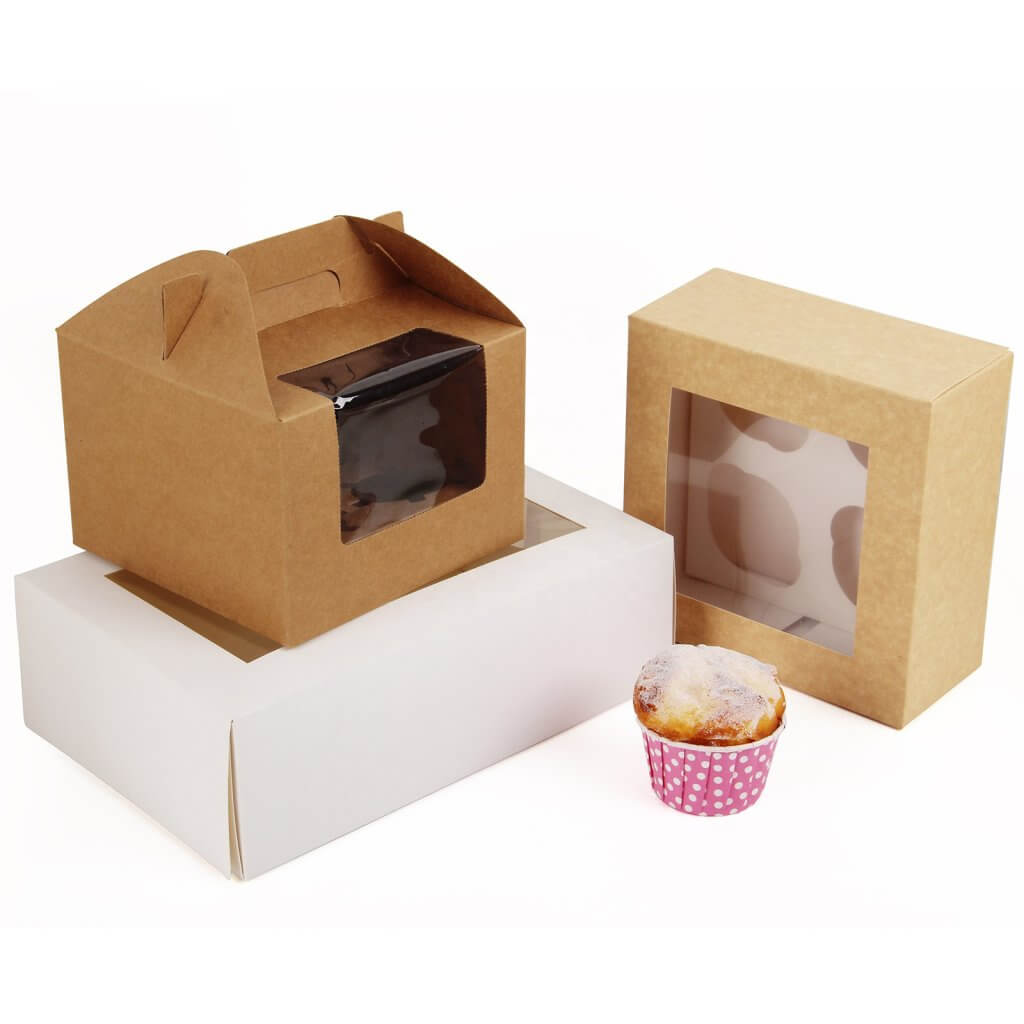
Kraft paper is favored for its high tear resistance and eco-friendly aesthetic. It conveys a natural, organic brand image often preferred by artisanal bakeries. While unbleached Kraft is naturally brown, it can be treated for better printability. It is generally more cost-effective and fully biodegradable.
3. Corrugated Board (E-Flute or F-Flute)
For heavy, multi-tiered cakes or bulk shipments, standard paperboard may not provide sufficient rigidity. In these cases, corrugated board (often laminated with a litho-printed top sheet) is recommended. The fluting provides cushioning and prevents the box from buckling under weight.
Food Safety Considerations
Direct food contact requires compliance with safety standards. When sourcing Custom Bakery Boxes, ensure the internal surface is either food-grade virgin pulp or treated with a food-safe barrier coating (such as a PE lining or aqueous varnish) to prevent grease spots and maintain hygiene.
Structural Design Options for Cake Boxes
The structural design dictates how quickly a box can be assembled (affecting labor costs) and how well it secures the product.
- Auto-Lock Bottom: The most efficient design for rapid assembly. The bottom locks automatically when the box is popped open, making it ideal for high-volume environments.
- Tuck Top with Snap-Lock Bottom: A cost-effective alternative to auto-lock, suitable for lighter items like pastries or donuts.
- Six-Corner Tray: Often used for flat bakery items or donuts, offering a wide opening for easy loading.
- Window Patching: A die-cut window is essential for retail display. It typically utilizes a clear PET or PLA (biodegradable) film glued to the interior, allowing customers to view the cake without opening the box. This feature significantly increases shelf appeal.
For specialized requirements, such as tall tiered cakes, manufacturers can produce two-piece boxes (separate lid and base) or boxes with drop-down fronts to facilitate easy removal of the cake without damage.
Customization and Finishing Techniques
Differentiation in a crowded market relies heavily on print quality and finishing effects. Professional packaging suppliers offer a range of options to elevate your brand.
Printing Technologies
- Offset Printing: The gold standard for high-volume orders. It delivers sharp, consistent color reproduction and is cost-effective for runs over 1,000 units.
- Flexography: Often used for simple logos on corrugated shipping boxes or kraft boxes.
- Digital Printing: Suitable for short runs or prototyping, though unit costs are typically higher.
Surface Treatments
To protect the print and enhance the look, consider the following finishes:
- Lamination (Gloss/Matte): Adds a layer of plastic film for durability and moisture resistance. Note: Lamination can affect recyclability unless specific biodegradable films are used.
- Spot UV: Applies a high-gloss coating to specific areas (like a logo) against a matte background, creating a striking contrast.
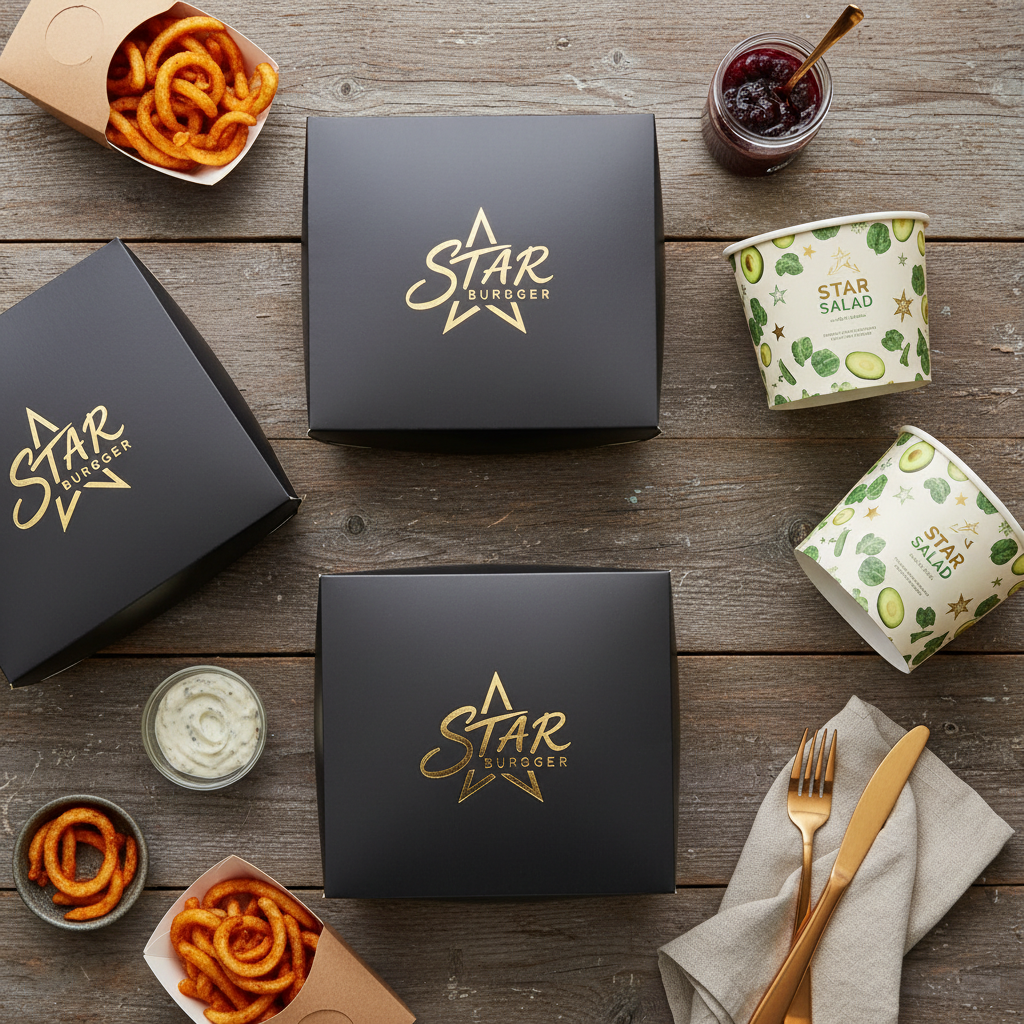
- Foil Stamping: Uses heat and pressure to apply metallic foil (gold, silver, rose gold). This is highly effective for luxury Cake Boxes and Bakery Boxes – custom-paperpackage.com.
- Embossing/Debossing: Raises or lowers parts of the design for a tactile effect.
Buying Guide: Logistics and Ordering
When placing a B2B order for custom packaging, consider the logistics of storage and shipping.
Flat Packing and Assembly
Bakery boxes are almost always shipped flat to minimize freight volume. It is crucial to test the assembly speed of the sample provided. A complex folding mechanism might save material costs but increase labor costs in the bakery.
MOQ and Lead Times
Custom manufacturing involves setup costs (plates and dies). consequently, Minimum Order Quantities (MOQs) usually start around 500 to 1,000 units for fully custom print jobs. Lead times typically range from 2 to 4 weeks depending on the complexity of the finishing (e.g., foil stamping adds time).
Artwork Preparation
To ensure the final product matches your vision, supply artwork in vector formats (AI, PDF) with fonts outlined. Professional suppliers will provide a dieline template for your designers to work on before production begins.
Frequently Asked Questions (FAQs)
What is the best material for heavy tiered cakes?
For heavy cakes, we recommend corrugated board (E-flute) or a heavy-duty rigid board. Standard 350gsm paperboard may buckle under the weight of a multi-tier cake.
Are the window films biodegradable?
Standard windows are made from PET plastic, which is recyclable but not biodegradable. However, PLA (polylactic acid) windows derived from cornstarch are available for brands seeking a fully compostable solution.
Can you print inside the box?
Yes, inside printing is possible and adds a premium unboxing experience. However, the ink and coating used must be food-safe if they are in direct contact with the bakery item.
Do you offer inserts for cupcakes?
Yes, custom die-cut inserts are essential for cupcakes and muffins to prevent movement during transit. These can be customized to fit specific diameters.
Secure Your Bakery Brand
Choosing the right packaging partner ensures that your cakes arrive fresh and look professional. From grease-resistant coatings to eye-catching foil stamping, the right box adds value to your product.
Ready to upgrade your bakery packaging? Request a quote today or contact our team to discuss custom sizes and material options tailored to your production line.