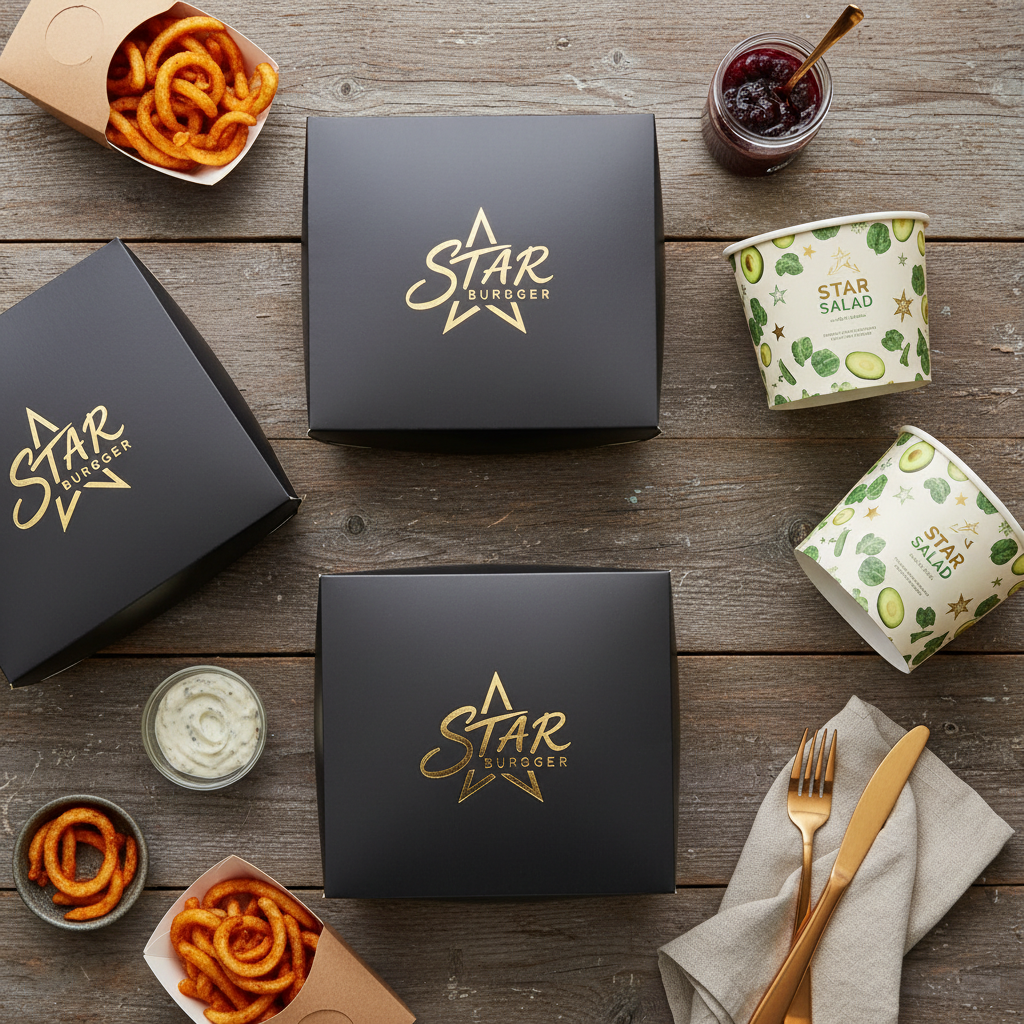


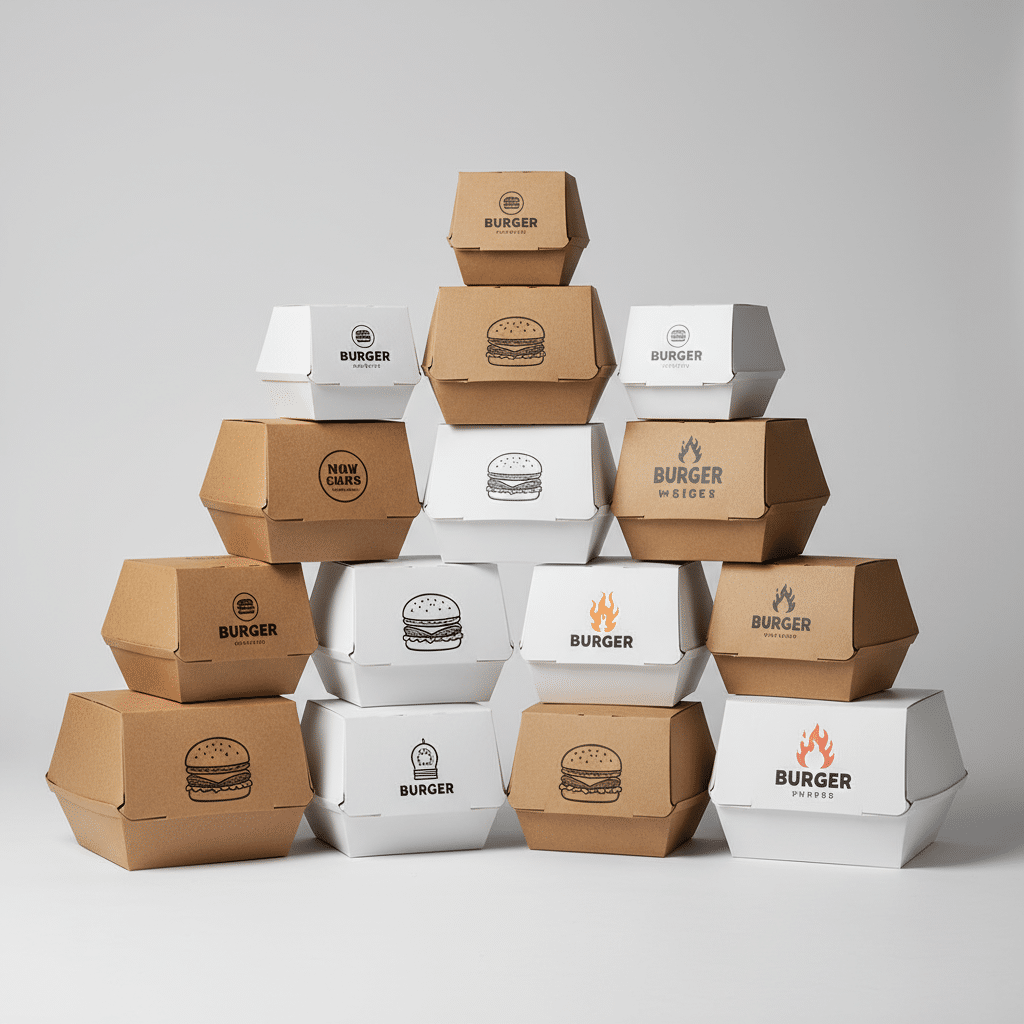
In the competitive landscape of the food service industry, the vessel that holds your product is almost as important as the product itself. For burger chains, fast-casual restaurants, and gourmet food trucks, burger packaging boxes serve a dual purpose: they protect the structural integrity of the food during transit and act as a mobile billboard for your brand. Choosing the right packaging solution is a critical procurement decision that impacts customer satisfaction, operational efficiency, and environmental footprint.
This comprehensive guide is designed for procurement officers, restaurant owners, and packaging engineers. We will explore the technical nuances of burger box materials, sizing strategies, customization options, and the logistical considerations of wholesale purchasing. Whether you are rebranding an existing franchise or launching a new line of gourmet sliders, understanding these factors will ensure you select the optimal packaging solution.
The Strategic Importance of High-Quality Burger Packaging
Before diving into specifications, it is essential to quantify why packaging matters in the B2B context. In the era of food delivery apps and takeaway dominance, the "unboxing experience" happens at the customer’s dining table, far from the controlled environment of your kitchen. A study in consumer behavior suggests that premium packaging can increase perceived product value significantly.
However, the functional requirements are even more pressing. A high-quality burger box must:
- Retain Heat: Keep the patty warm and the cheese melted without creating a soggy bun.
- Control Moisture: Balance heat retention with ventilation to prevent condensation buildup.
- Resist Grease: Prevent oils and sauces from soaking through and staining the customer’s hands or car seat.
- Ensure Structural Integrity: Protect the burger from being crushed during stacking and delivery.
For businesses sourcing custom burger boxes, balancing these functional needs with cost and branding is the primary challenge.
Material Selection: The Foundation of Performance
The raw material used in your burger boxes dictates their strength, printability, and eco-friendliness. In the wholesale market, you will typically encounter three primary material categories: Kraft Paper, Ivory Board (Bleached White Paperboard), and Corrugated Board.
1. Natural Kraft Paper (Brown)
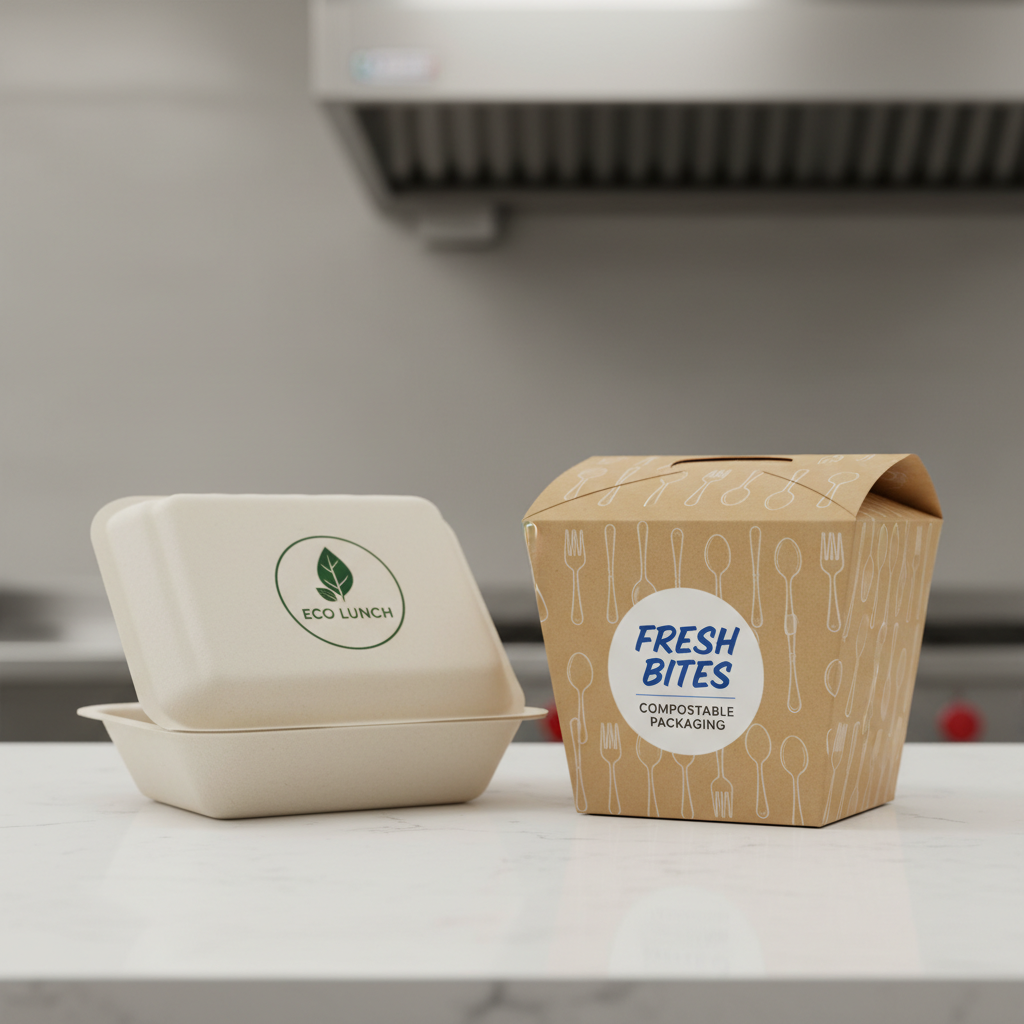
Kraft paper is the dominant choice for brands emphasizing sustainability and organic ingredients. Made from unbleached wood pulp, it retains a natural brown color.
- Pros: High tear resistance, eco-friendly aesthetic, often made from recycled content, generally lower cost than bleached board.
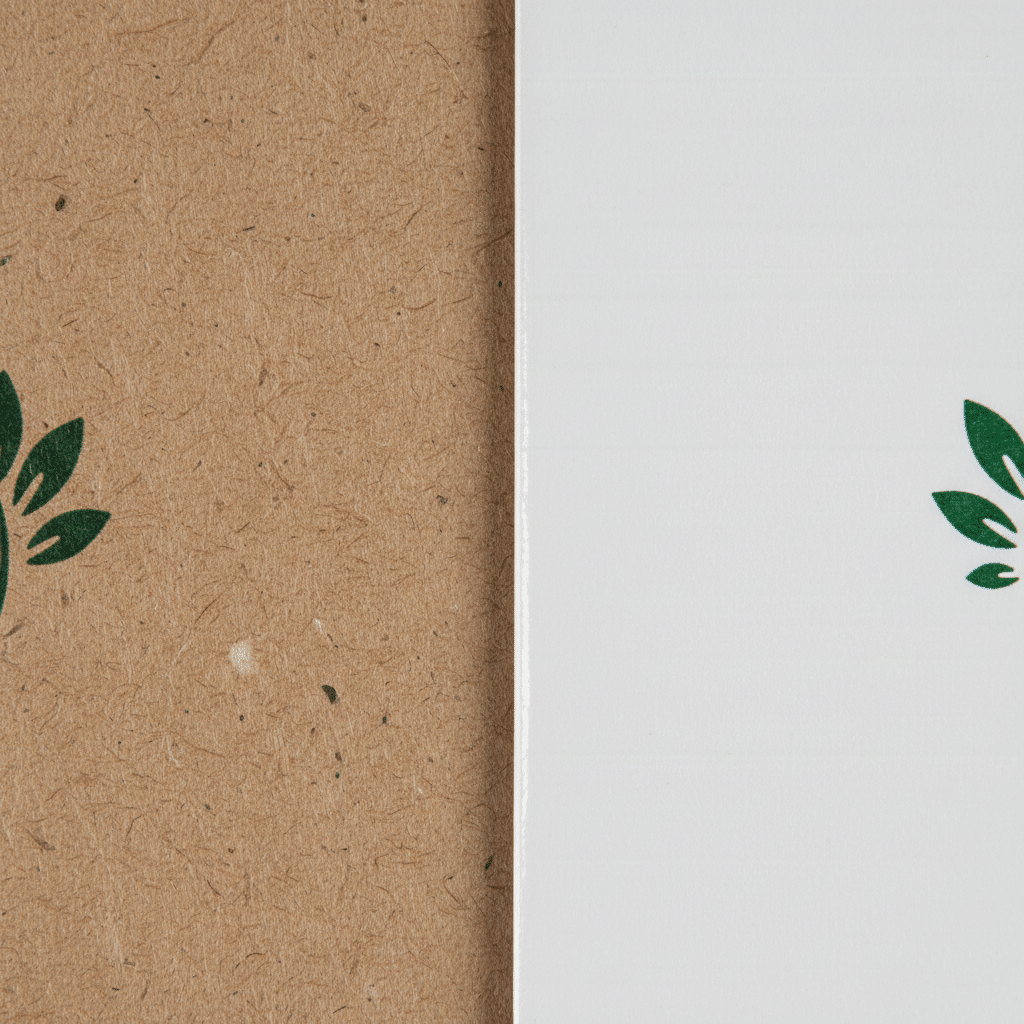
- Cons: Colors printed on brown backgrounds appear darker and less vibrant; requires specific design adjustments.
- Best For: Organic burger joints, eco-conscious brands, and minimalist designs.
2. Ivory Board / White Bleached Paperboard
Also known as SBS (Solid Bleached Sulfate), this material offers a pristine white surface both inside and out.
- Pros: Superior print surface allowing for high-definition graphics and accurate color matching (Pantone); implies hygiene and cleanliness.
- Cons: Slightly higher cost; shows grease stains more visibly if not properly coated.
- Best For: Premium fast-food chains requiring vibrant, multi-color branding and complex artwork.
3. Corrugated Board (F-Flute or E-Flute)
Corrugated boxes consist of a fluted layer sandwiched between two flat liners. For burgers, micro-flutes like F-flute or E-flute are used to reduce bulk while maintaining rigidity.
- Pros: Excellent thermal insulation (keeps food hot longer); superior stacking strength for delivery; prevents crushing.
- Cons: Takes up more storage space in the warehouse compared to folding cartons; higher unit cost.
- Best For: Gourmet heavy-stacked burgers, delivery-focused businesses, and premium dining experiences.
Coatings and Grease Resistance: Protecting the Customer Experience
A bare paper box is rarely sufficient for a juicy burger. Grease resistance is achieved through coatings or chemical treatments. Understanding these options is vital for food safety and functionality.
Polyethylene (PE) Coating
A thin layer of plastic (PE) is laminated onto the paperboard. This provides a robust barrier against oil and moisture.
- Performance: Excellent. Can handle heavy sauces and greasy patties without leaking.
- Sustainability Note: PE-coated boxes are challenging to recycle in standard facilities because the plastic liner must be separated from the paper fibers.
Aqueous Coating (Water-Based)
A newer, more eco-friendly alternative. These coatings are painted onto the board like ink.
- Performance: Good for moderate grease. May struggle with extremely messy foods over long durations.
- Sustainability Note: Fully repulpable and compostable, making it a preferred choice for green procurement policies.
Grease-Resistant (Kit Level) Paper
Instead of a laminate, the paper itself is treated to resist oil penetration. The level of resistance is measured in "Kit levels" (typically 1 to 12).
- Recommendation: For burgers, a Kit level of 7-9 is usually required to prevent spotting on the outside of the box.
Explore our wider range of food packaging solutions to see how different coatings are applied across various product lines.
Sizing and Structural Design
One size does not fit all. Using a box that is too large allows the burger to slide and fall apart; a box that is too small crushes the bun. Standardizing your sizes can help optimize inventory, but custom dimensions are often necessary for signature menu items.
Common Structural Styles
Clamshell Boxes
The industry standard. A one-piece design with a hinged lid that locks into the base.
- Advantages: Quick to close (speed of service); nestable (saves shipping space); easy for customers to eat out of.
- Considerations: Ensure the locking mechanism is secure enough for delivery drivers.
Tuck-Top Boxes
Similar to a gift box, with a lid that tucks into the front panel.
- Advantages: More premium "unboxing" feel; very secure closure.
- Considerations: Slower to assemble if not pre-glued; better suited for gourmet/high-end contexts.
Open Trays / Boats
A box without a lid.
- Advantages: Lowest cost; displays the food immediately.
- Considerations: Only suitable for dine-in or short-distance carryout where stacking isn’t required.
Ventilation Design
Steam is the enemy of a crispy bun. Custom burger boxes should include strategically placed ventilation holes (usually at the back or sides). These vents allow steam to escape while retaining enough heat to keep the burger warm. Without vents, the burger "sweats," resulting in a soggy product upon arrival.
Customization and Branding Opportunities
For B2B buyers, the ability to customize is often the deciding factor in choosing a supplier. Custom printed burger boxes turn trash into traffic drivers.
Printing Techniques
- Offset Printing: The gold standard for high-volume orders. Offers the highest image quality and is cost-effective for large runs (10,000+ units).
- Flexographic Printing: Ideal for simple logos and patterns on kraft paper. Very cost-effective for high volumes but with lower resolution than offset.
- Digital Printing: Perfect for short runs, prototypes, or seasonal promotions. No plate costs, but higher per-unit price.
Finishing Touches
To truly stand out, consider adding special finishes:
- Spot UV: A glossy coating applied only to specific areas (like a logo) to make them pop against a matte background.
- Embossing/Debossing: Creating a raised or recessed texture. This adds a tactile element that signals luxury.
- Window Patching: While less common for hot burgers (due to steam fogging), windows can be used for cold sandwiches or slider sets.
Supply Chain and Logistics: What Buyers Need to Know
Sourcing packaging is a logistical exercise. When ordering bulk burger packaging boxes, consider the entire lifecycle from factory to franchise.
Flat-Packed vs. Nested
- Flat-Packed: Boxes arrive flat and must be folded/assembled by staff. Benefit: Drastically reduces shipping costs and storage space usage. Drawback: Increases labor time in the kitchen.
- Nested (Pre-formed): Boxes arrive fully formed and stacked. Benefit: Zero assembly time; instant use. Drawback: Shipping air is expensive; requires significant storage space.
MOQ (Minimum Order Quantity)
Custom manufacturing requires setup time and resources. MOQs for custom printed boxes typically start around 5,000 to 10,000 units depending on the complexity and material. Lower quantities may be available via digital printing but at a premium price point.
Lead Times
Production timelines vary based on the season and order volume. Generally, allow:
- Design & Approval: 3-5 days
- Production: 15-25 days
- Shipping: Varies by method (Air vs. Sea)
Planning ahead is crucial to avoid running out of stock during peak seasons.
Sustainability: Meeting Modern Standards
Environmental compliance is no longer optional for major chains. Regulations regarding single-use plastics and food packaging waste are tightening globally.
- Recyclability: Ensure your boxes are marked with the correct recycling codes. Avoid mixing materials (like foil stamping on plastic-coated board) if it hinders recycling.
- Compostability: Certified compostable boxes (using PLA linings or aqueous coatings) are increasingly demanded by municipalities with green waste programs.
- FSC Certification: Sourcing paper from responsibly managed forests is a strong selling point for your brand’s CSR (Corporate Social Responsibility) report.
How to Choose the Right Supplier
Selecting a manufacturing partner is about trust and capability. Look for suppliers who offer:
- Sample Prototyping: Never commit to a 50,000-unit run without seeing a physical sample to test sizing and print quality.
- In-House Design Support: Assistance with dielines and artwork adjustments ensures your branding looks correct in 3D.
- Food Safety Compliance: Verification that all inks, glues, and papers are food-grade and compliant with FDA or EU standards.
If you are ready to start the process, visit our how to order page to understand the workflow from inquiry to delivery.
Frequently Asked Questions (FAQs)
1. Can I print on the inside of the burger box?
Yes, but it requires special consideration. Inside printing must use food-safe, vegetable, or soy-based inks that will not migrate into the food. It is a great way to reveal a message as the customer eats.
2. What is the standard GSM for a burger box?
For a standard clamshell, 250gsm to 300gsm is typical. For larger, gourmet burgers or delivery boxes, we recommend 350gsm or using micro-flute corrugated board for added rigidity.
3. How do I prevent the box from getting soggy?
Choose a material with a PE or aqueous coating and ensure the design includes adequate ventilation holes to release steam. Uncoated kraft paper will absorb grease and moisture rapidly.
4. What file formats do you need for my artwork?
We typically require vector files (AI, PDF, or EPS) with fonts outlined. This ensures that the print quality is sharp and scalable.
5. Do you offer eco-friendly alternatives to plastic coatings?
Yes, we offer aqueous coatings and PLA (polylactic acid) linings which are biodegradable and compostable, offering similar grease resistance to traditional plastic.
6. Can I order a mix of sizes in one shipment?
Absolutely. Many clients order a "family suite" of packaging (e.g., burger boxes, fry cups, and nugget boxes) to consolidate shipping costs.
Conclusion and Next Steps
Your burger packaging is the final touchpoint in your culinary presentation. It protects your product, reinforces your brand, and communicates your values to the consumer. Whether you need rugged corrugated boxes for a delivery fleet or sleek, embossed cartons for a high-end dine-in experience, the right choice depends on a balance of material science, design, and logistics.
At YBJ Packaging, we specialize in helping businesses navigate these choices to find the perfect fit. Don’t leave your brand presentation to chance.
Ready to upgrade your food packaging? Contact us today to request a quote or get a sample kit tailored to your menu’s needs.