

The Shift to Sustainable Tableware in the B2B Food Service Sector
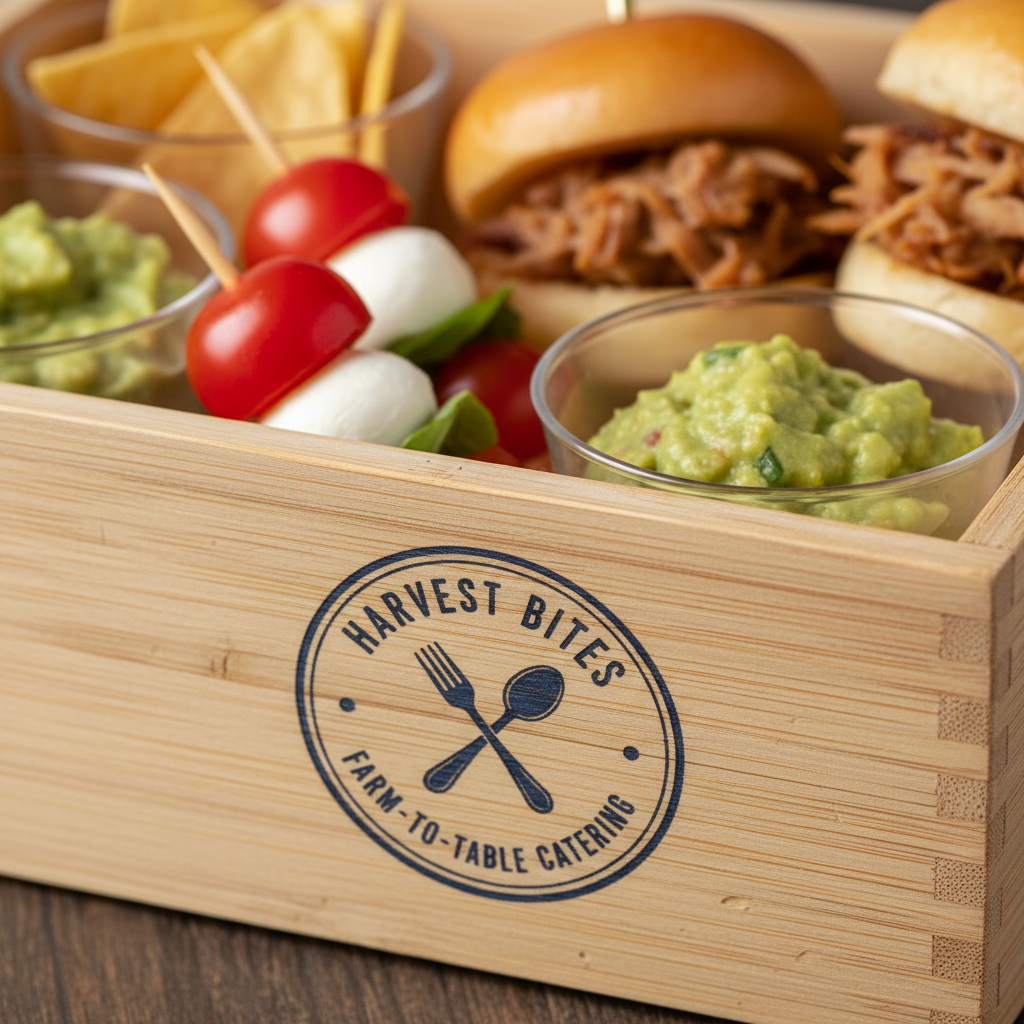
For modern procurement officers, restaurant chain owners, and hospitality distributors, the transition from traditional plastics to sustainable alternatives is no longer a trend—it is a regulatory and consumer-driven necessity. Custom bamboo and wood tableware has emerged as a frontrunner in this transition, offering a unique blend of structural integrity, aesthetic appeal, and environmental responsibility.
As a professional buyer, understanding the nuances between various wood species, manufacturing tolerances, and customization techniques is critical to ensuring brand consistency and operational efficiency. This guide provides a technical deep dive into the world of wholesale food packaging and tableware, focusing specifically on bamboo and wood substrates.
Whether you are looking for bamboo and wood tableware wholesale for a high-volume catering business or specialized disposable tableware for a premium boutique brand, this guide will help you navigate the complexities of material selection and bulk procurement.
1. Material Science: Bamboo vs. Wood Species
Not all plant-based tableware is created equal. The choice of material impacts the tensile strength, moisture resistance, and even the flavor profile of the food served. Here is a breakdown of the primary materials used by a bamboo and wood tableware manufacturer.
Bamboo (Phyllostachys edulis)
Bamboo is technically a grass, not wood. It is one of the fastest-growing plants on earth, making it an exceptionally renewable resource. From a technical standpoint, bamboo fibers are long and dense, providing high tensile strength.
- Pros: Extremely durable, naturally antimicrobial properties, heat resistant, and aesthetically modern.
- Best For: Heavy-duty cutlery, reusable plates, and high-end takeout containers.
- Technical Note: Look for “food grade” bamboo that has been carbonized to remove sugars, which prevents mold and increases longevity.
Birch Wood (Betula)
Birch is the industry standard for disposable wooden cutlery and stirrers. It is a hardwood that is abundant in temperate climates.
- Pros: Neutral taste and odor, smooth grain (low splinter risk), and excellent for high-speed die-cutting.
- Best For: Forks, knives, spoons, and coffee stirrers.
- Technical Note: Birch is often left untreated. Ensure your bamboo and wood tableware supplier uses kiln-drying to achieve a moisture content of 8-12%.
Pine and Poplar
These softwoods are often used for lightweight items like food boats, cones, and thin veneers.
- Pros: Very cost-effective, lightweight, and flexible.
- Best For: Street food presentation, appetizers, and decorative catering elements.
- Technical Note: These materials are more porous than bamboo or birch and are best suited for dry or low-moisture foods.
2. Technical Specifications and Manufacturing Standards
When sourcing bulk bamboo and wood tableware, technical specifications determine the performance of the product in a commercial kitchen environment.
Moisture Content Control
Moisture is the enemy of wood-based packaging. If the moisture content is too high (>15%), the product is susceptible to mold during shipping and storage. If it is too low (<5%), the material becomes brittle and prone to snapping. A professional manufacturer maintains a strict range of 8% to 12% moisture through controlled kiln-drying processes.
Surface Finishing and Sanding
For food-contact items, the surface must be smooth to prevent splinters. This is achieved through industrial tumbling and multi-stage sanding. Higher-quality items may receive a food-grade wax coating (such as carnauba wax) to provide a smoother mouthfeel and enhanced moisture resistance.
Standard Size Guide
| Product Type | Typical Length/Size | Common Use Case |
|---|---|---|
| Standard Cutlery | 140mm, 160mm, 180mm | General dining, takeaway sets |
3. Customization: Printed Bamboo and Wood Tableware
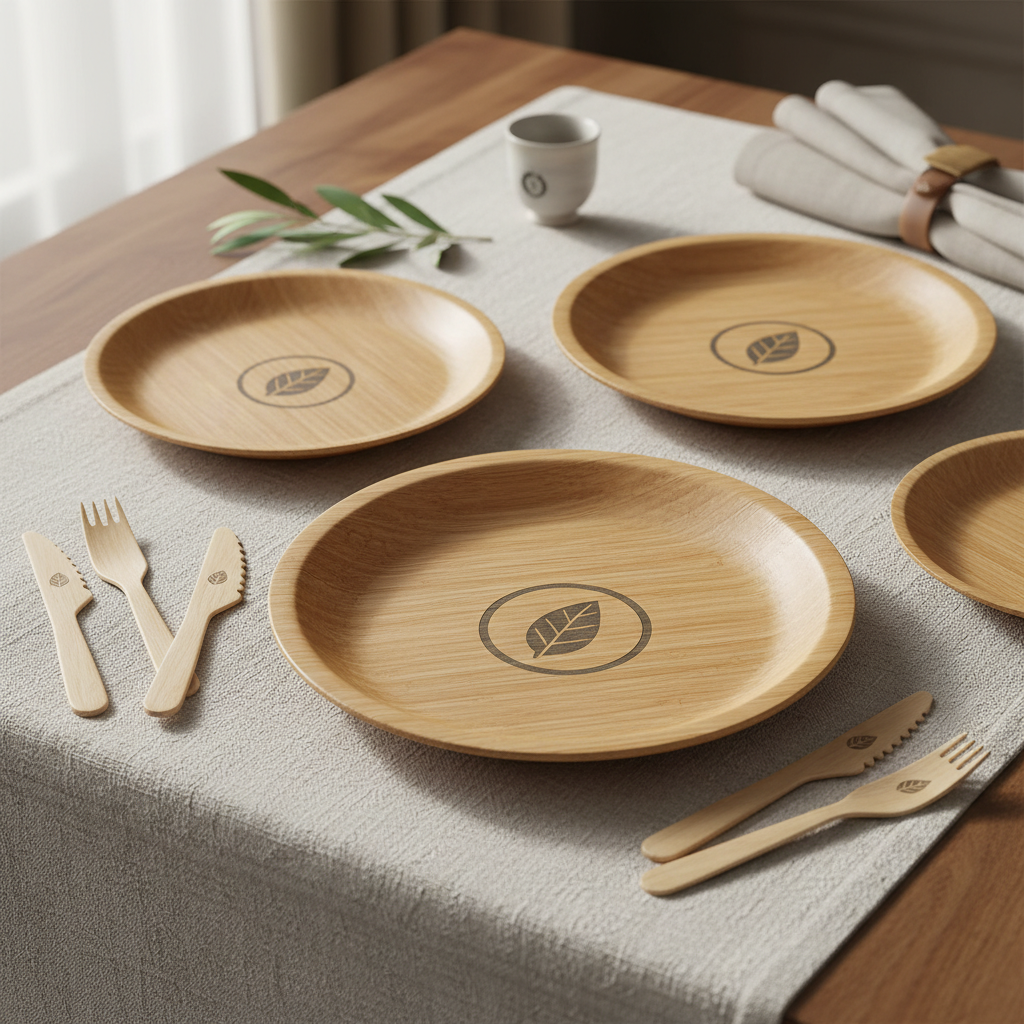
For brand owners, printed bamboo and wood tableware serves as a mobile billboard. Customization in this category requires specialized equipment to handle the organic texture of the substrate.
Branding Techniques
- Ink Printing: Uses food-grade, soy-based inks. This is the most cost-effective method for high-volume orders. It allows for multiple colors, though single-color (usually black or dark brown) is most common on wood.
- Laser Engraving: A high-precision laser burns the logo into the wood. This creates a premium, permanent, and tactile finish without the use of any inks.
- Hot Stamping: Uses heat and pressure to indent the logo into the surface. This is often used for a subtle, sophisticated look on bamboo handles.
Artwork Requirements
When preparing for custom food packaging, ensure your artwork is in vector format (AI, EPS, or PDF). Because wood has a natural grain, very fine lines (under 0.2mm) may lose clarity. We recommend bold, high-contrast designs for maximum visibility.
4. Use Cases and Performance Comparison
Choosing the right item depends heavily on the type of food and the service environment.
High-Heat Applications
Bamboo is naturally more heat-resistant than most plastics. It can withstand temperatures up to 100°C without warping or leaching chemicals. However, it is not recommended for extended microwave use as the intense heat can cause the natural fibers to crack.
Grease and Liquid Resistance
While wood is naturally absorbent, many food grade bamboo and wood tableware items are treated with a thin, food-safe barrier. For oily foods like fried chicken or pasta with sauce, birch and bamboo perform admirably, maintaining their structural integrity for 30-60 minutes of contact.
Catering and Events
For large-scale events, the lightweight nature of poplar and pine boats makes them ideal for “walk-around” appetizers. They are easier for guests to hold than heavy ceramic or plastic plates and offer a much better brand image than paper plates.
5. Buying Guide: Procurement and Logistics
Sourcing from a bamboo and wood tableware supplier involves several critical steps to ensure quality and timely delivery.
Minimum Order Quantities (MOQ)
For standard, unprinted items, MOQs are typically lower (e.g., 10,000 to 50,000 units). For custom printed items, MOQs generally start at 100,000 units due to the setup costs of printing plates or laser programming.
Quality Assurance Checklist
Before finalizing a bulk order, request a sample and check for the following:
- Flexural Strength: Does the fork snap easily under moderate pressure?
- Odor: Is there any chemical smell? (High-quality wood should smell neutral or slightly like timber).
- Smoothness: Run your finger along the tines and edges to check for burrs or splinters.
- Logo Clarity: Is the printing centered and legible?
Lead Times and Shipping
Production for bulk orders usually takes 20-35 days, depending on the level of customization. Sea freight is the standard for wholesale food packaging to keep costs low, which can add another 3-5 weeks depending on your location. Plan your inventory cycles accordingly to avoid stockouts.
6. Frequently Asked Questions (FAQ)
Is bamboo tableware truly compostable?
Yes. Natural bamboo and wood products are 100% biodegradable and compostable. Unlike “bioplastics” (PLA), they do not require industrial composting facilities to break down; they will decompose in a home compost bin or landfill over several months.
Can I get my logo printed on both sides of the cutlery?
Technically, yes, but it is rarely done due to cost. Most brands choose to print the logo on the handle of the fork or spoon for maximum visibility during use.
Is wooden tableware safe for hot soups?
Wooden spoons are excellent for hot soups as they do not conduct heat like metal, meaning they won’t burn the user’s mouth. However, they should not be left submerged in boiling liquid for extended periods (over 2 hours).
How should I store bulk wood tableware to prevent mold?
Store the cartons in a cool, dry place off the ground (on pallets). Avoid areas with high humidity or direct exposure to steam, such as right next to a commercial dishwasher.
Are there any flavor transfers from birch wood?
High-quality, kiln-dried birch is neutral. However, very low-grade wood that hasn’t been properly dried may have a slight “woody” taste. Always test samples with your specific food products.
What certifications should I look for?
While specific certifications vary by region, ensure your supplier follows general food safety management systems and can provide material safety data sheets (MSDS) confirming the absence of harmful glues or coatings.
Conclusion: Making the Right Choice for Your Brand
Investing in custom bamboo and wood tableware is a strategic move that aligns your brand with global sustainability goals while providing a premium experience for your customers. By focusing on material quality, moisture control, and precise customization, you can ensure that your packaging is as high-quality as the food you serve.
Ready to upgrade your food service presentation? View our full range of bamboo and wood tableware or learn more about our customization process.
Ready to start your order?
Contact our expert team today for a detailed quote and physical samples.