

Introduction: The Strategic Importance of Bakery Packaging
In the high-stakes world of commercial baking, packaging is far more than a simple container. It is a critical component of the supply chain that ensures product integrity, extends shelf life, and serves as the primary touchpoint for brand identity. For procurement officers, distributors, and bakery owners, selecting the right bakery packaging involves a complex balance of material science, structural engineering, and cost-efficiency.
Whether you are shipping delicate macarons across the country or selling fresh sourdough at a local boutique, the choice between different food packaging boxes and bags can determine the success of your product. This guide provides an in-depth technical analysis of the essentials—from the structural nuances of a cupcake box to the barrier properties of bakery bags—to help B2B buyers make informed, data-driven decisions.
1. The Engineering of Bakery Boxes
Bakery boxes must withstand vertical compression, resist moisture from the product, and provide a clear view of the contents. The two most common categories are cake boxes and cupcake boxes, each requiring specific structural considerations.
Material Selection: SBS vs. Kraft vs. Corrugated
The choice of paperboard is the foundation of box quality. Buyers typically choose from three main types:
- Solid Bleached Sulfate (SBS): This is a premium, white paperboard known for its excellent printing surface. It is ideal for high-end branding and is frequently used for custom cake boxes where vibrant graphics are required.
- Kraft Paperboard: Favored for its “natural” and eco-friendly aesthetic, Kraft is strong and tear-resistant. It is often used for rustic bakery styles and is available in both virgin and recycled formats.
- Corrugated Board (E-flute or F-flute): For heavy tiered cakes, corrugated board provides the necessary stacking strength. E-flute is thin enough for a clean look but rigid enough to prevent the box from collapsing under the weight of multi-layered cakes.
The Cupcake Box: Beyond the Outer Shell
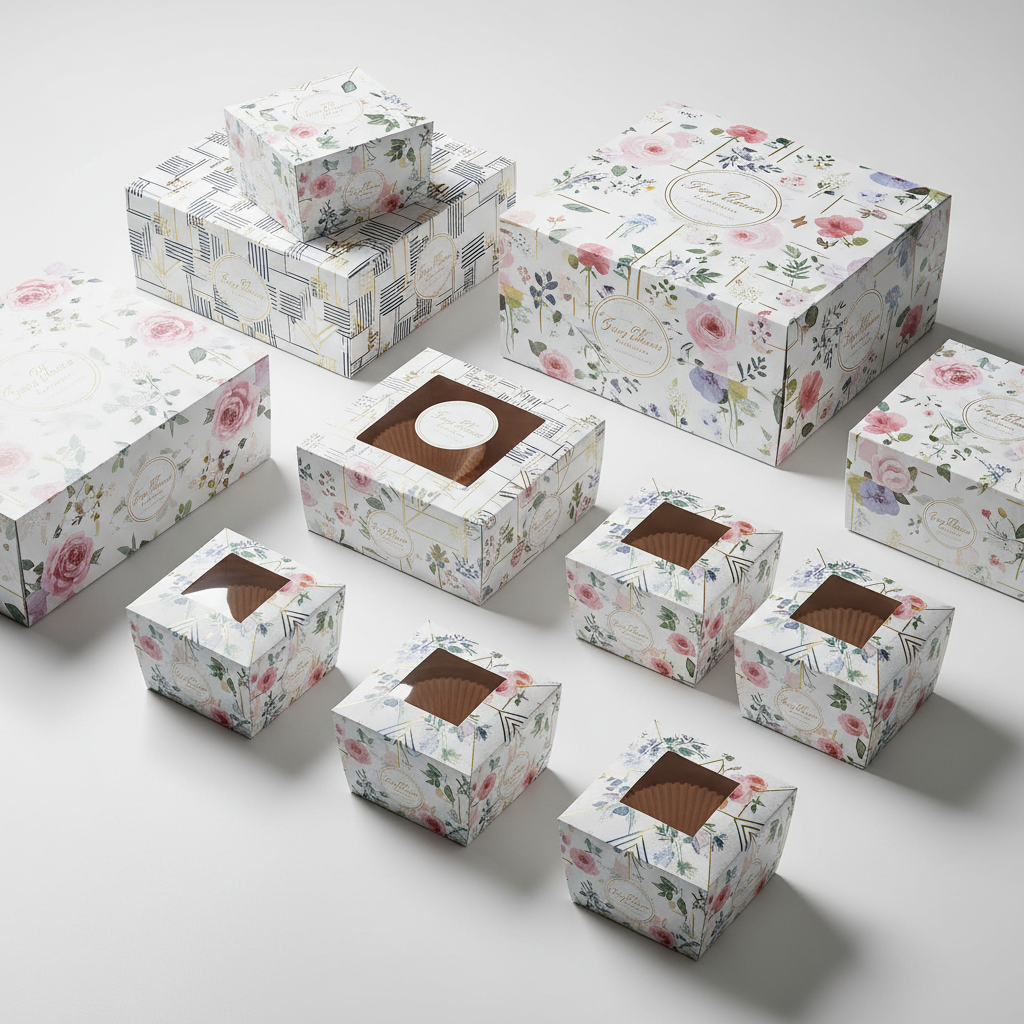
A cupcake box is only as effective as its insert. Without a precision-cut insert, cupcakes will slide during transit, damaging the frosting and compromising the presentation. When sourcing inserts, ensure the finger-hole cutouts are ergonomically designed for easy removal without touching the icing. For large-scale distributors, sourcing these as a complete set from a food container supplier ensures perfect fitment and reduces SKU management complexity.
2. Bakery Bags: Functionality and Barrier Properties
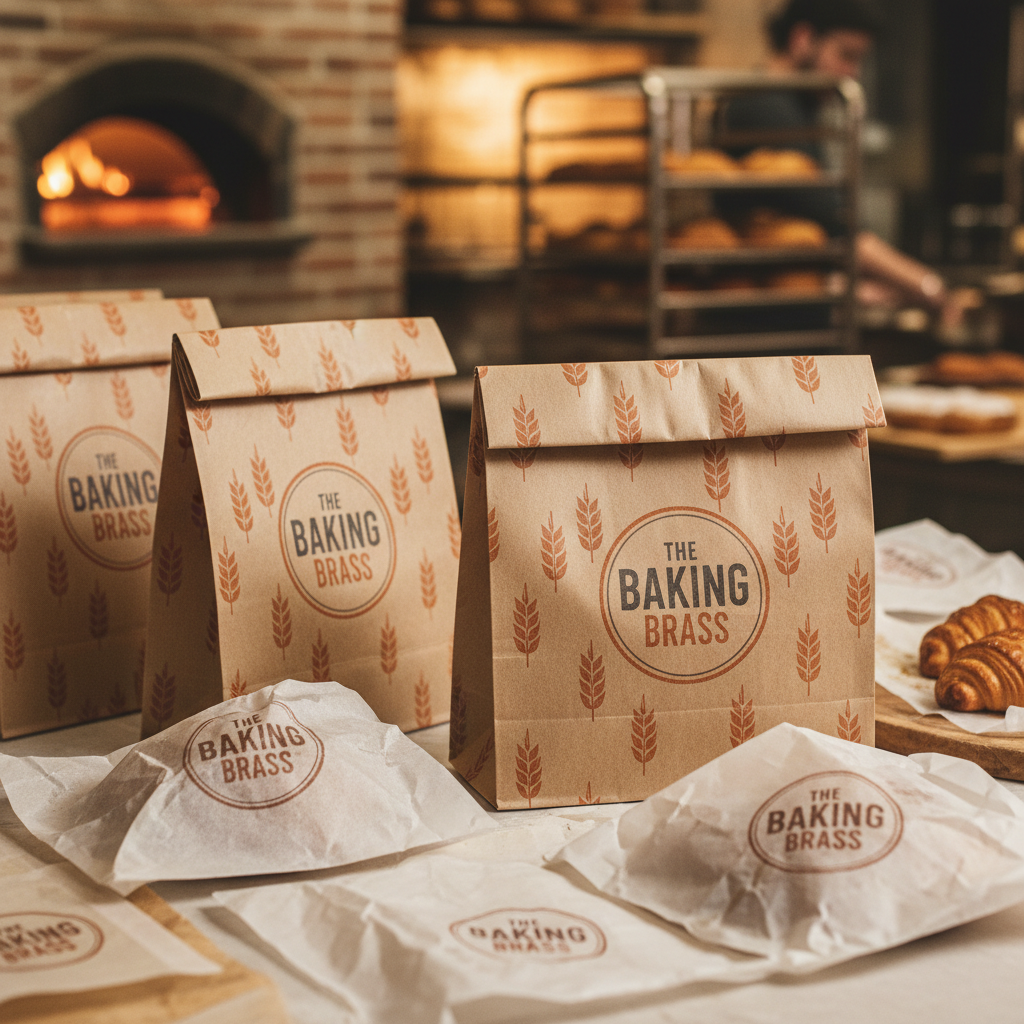
While boxes are for structure, bakery bags are for convenience and freshness. The primary challenge with bags is managing grease and moisture.
Grease-Resistant Paper and KIT Levels
Not all paper bags are created equal. High-quality bakery bags are treated to resist grease penetration. This is measured by the “KIT level,” a scale from 1 to 12. For buttery croissants or donuts, a KIT level of 5–7 is usually required to prevent unsightly oil spots on the exterior of the bag. Using a specialized food packaging bag with the correct grease resistance is essential for maintaining a premium brand image.
Window Bags and Breathability
Window bags, typically using a PET or BOPP film, allow customers to see the freshness of the bread. However, for crusty artisanal breads, the bag must allow for some moisture escape to prevent the crust from becoming soggy. Micro-perforated films are an excellent technical solution for this, balancing visibility with controlled breathability.
3. Baking Liners: The Foundation of Food Safety
Baking liners and parchment papers are the unsung heroes of the bakery. In a B2B context, the focus is on release properties and heat stability. Silicone-coated liners are the industry standard because they provide a non-stick surface that can withstand temperatures up to 230°C (445°F). For high-volume industrial bakeries, pre-cut liners sized for standard sheet pans are a necessity to minimize labor costs and waste.
4. Technical Specifications for Procurement
When requesting a quote for bakery packaging, procurement managers should specify the following technical parameters to ensure accuracy and quality:
| Feature | Standard Specification Range | Application Note |
|---|---|---|
| Paper Weight (GSM) | 250 GSM to 450 GSM | Higher GSM for larger cake boxes. |
| Caliper (Thickness) | 12pt to 24pt | Critical for stackability in retail. |
| Film Thickness (Window) | 25 to 50 microns | Ensures clarity and puncture resistance. |
| Coating Type | Aqueous (AQ) or UV | AQ is food-safe and eco-friendly. |
5. Freshness Tips: The Science of Shelf Life
Packaging plays a direct role in the chemical and physical changes that occur in baked goods. To maximize freshness, consider these three factors:
- Moisture Migration: Use laminated bags for soft cookies to keep moisture in. For crispy items, use breathable paper to let moisture out.
- Oxidation: While rare in short-term bakery retail, long-term storage of dry biscuits requires high-barrier films to prevent fats from turning rancid.
- Light Protection: For products sensitive to light-induced oxidation, opaque packaging or UV-resistant coatings on windows can extend display life.
6. Manufacturing and Quality Assurance (QA)
Working with a manufacturer like YBJ Packing involves a rigorous production process to ensure food safety and structural reliability.
Printing Techniques
For large B2B orders, Offset Printing is preferred for its color accuracy and cost-effectiveness at high volumes. For smaller, highly customized runs, Digital Printing allows for variable data and lower MOQs. Ensure that the inks used are food-grade and low-migration to comply with international safety standards.
Quality Control Checkpoints
A reliable manufacturer will implement several QA checks:
- Ink Adhesion Test: Ensures branding doesn’t peel or rub off onto the food.
- Compression Testing: Verifies that cake boxes can be stacked in delivery vans without buckling.
- Grease Penetration Test: Confirms the KIT level of bakery bags meets the agreed specification.
- Sutherland Rub Test: Checks the durability of the printed surface during shipping.
7. The B2B Buying Guide: Navigating MOQs and Logistics
Sourcing packaging internationally requires a clear understanding of the logistics and timelines involved. Here is what to expect when you place an order:
Minimum Order Quantities (MOQ)
Typical MOQs for custom-printed bakery boxes range from 500 to 3,000 units depending on the complexity of the die-cut and printing. Standard, unprinted items may have lower MOQs. For distributors, ordering in full container loads (FCL) significantly reduces the per-unit shipping cost.
Artwork and Prototyping
Before mass production, always request a digital proof and, if possible, a physical sample. This ensures that the structural dimensions of your cupcake box or bag are perfect for your specific product. You can contact our team to discuss die-line templates and artwork requirements.
Lead Times and Shipping
Production usually takes 10–15 business days after artwork approval. Sea freight can add 20–40 days depending on the destination. Planning your packaging inventory at least 3 months in advance is a best practice for growing bakery brands.
8. Frequently Asked Questions (FAQs)
What is the best material for eco-friendly bakery boxes?
Recycled Kraft paperboard is the most common choice. It is biodegradable and compostable. If you require a white finish, look for FSC-certified SBS board, which ensures the wood pulp is sourced from responsibly managed forests.
How do I prevent my cake boxes from getting soggy?
Specify a grease-resistant coating on the interior of the box (often an aqueous coating or a thin PE lamination). This prevents the oils and moisture from the cake from softening the paperboard fibers.
Can I customize the window shape on my bakery bags?
Yes. Custom die-cutting allows for various window shapes—from standard rectangles to brand-specific silhouettes. This is a powerful way to differentiate your product on the shelf.
Are your baking liners reusable?
Standard parchment paper is designed for single-use. However, high-grade silicone-coated liners can sometimes be used for 2–3 bakes in a commercial setting, depending on the temperature and the sugar content of the product.
What is the difference between E-flute and B-flute for cake boxes?
E-flute is approximately 1.5mm thick and offers a sleek, retail-ready appearance. B-flute is thicker (approx. 3mm) and is typically reserved for very heavy, multi-tiered wedding cakes that require maximum structural support.
Conclusion: Partnering for Success
Selecting the right bakery packaging is an investment in your brand’s reputation and your product’s quality. By understanding the technical specifications of cake boxes, the barrier properties of bakery bags, and the importance of high-quality baking liners, you can optimize your operations and delight your customers.
Ready to elevate your bakery’s presentation? Whether you need a custom cupcake box or high-volume bakery bags, our team is here to help. Request a quote or get a sample today to see the quality of YBJ Packing firsthand.