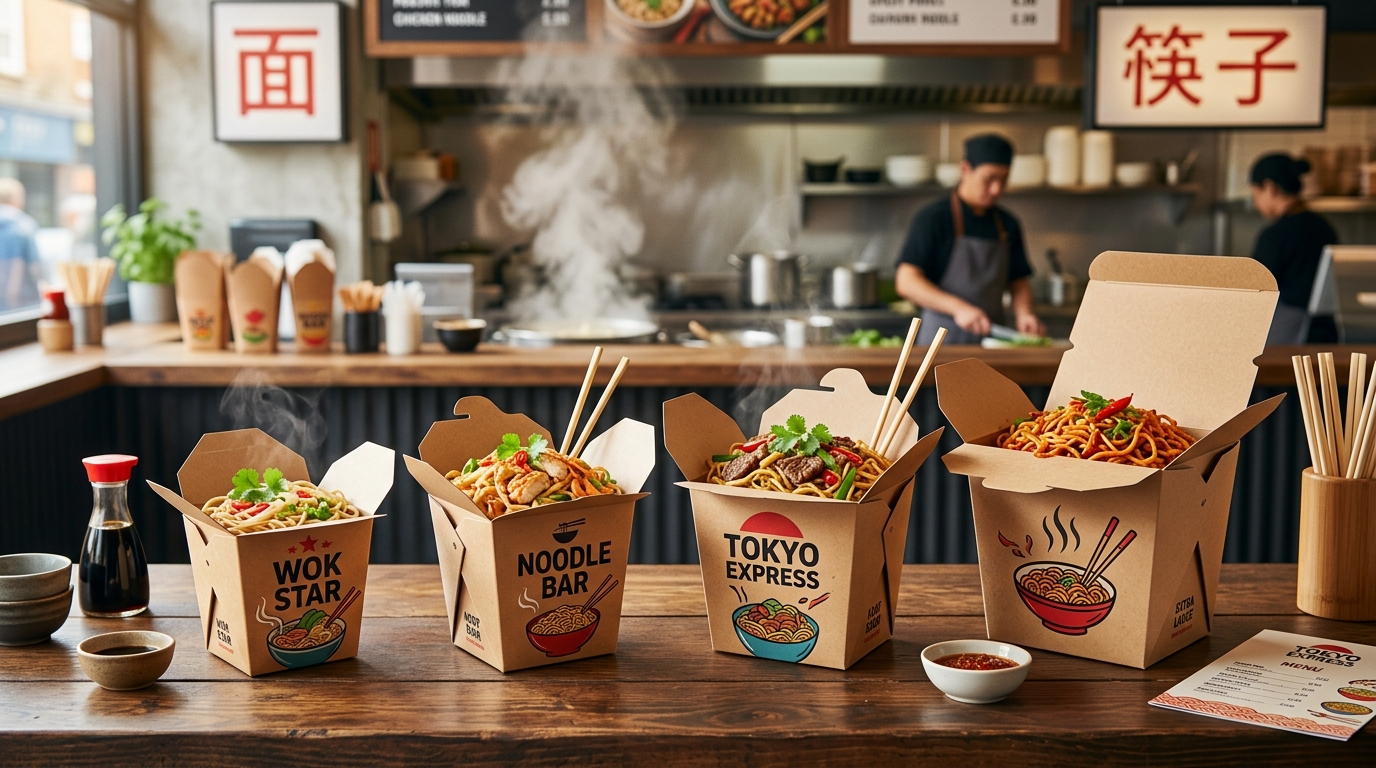


In the competitive food service industry, packaging does more than just hold food; it preserves temperature, ensures hygiene, and serves as a mobile billboard for your brand. Whether you are serving piping hot chowder or premium frozen yogurt, the structural integrity and aesthetic appeal of your disposable containers are paramount.
For procurement officers and brand managers, choosing the right paper bowls involves balancing sustainability with performance. This guide explores the technical specifications, lid options, and customization possibilities for disposable paper soup and ice cream cups, helping you make an informed purchasing decision.
Versatility in Application: One Bowl, Dual Uses
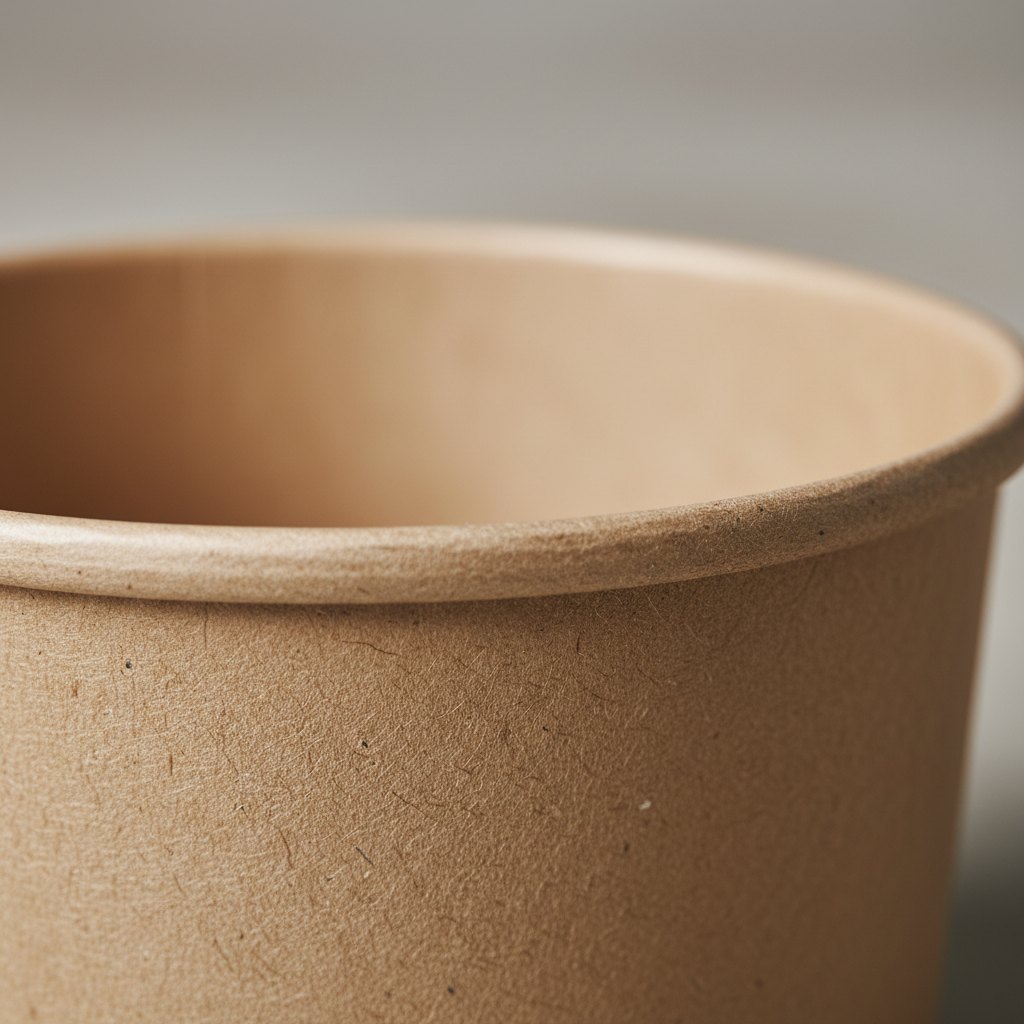
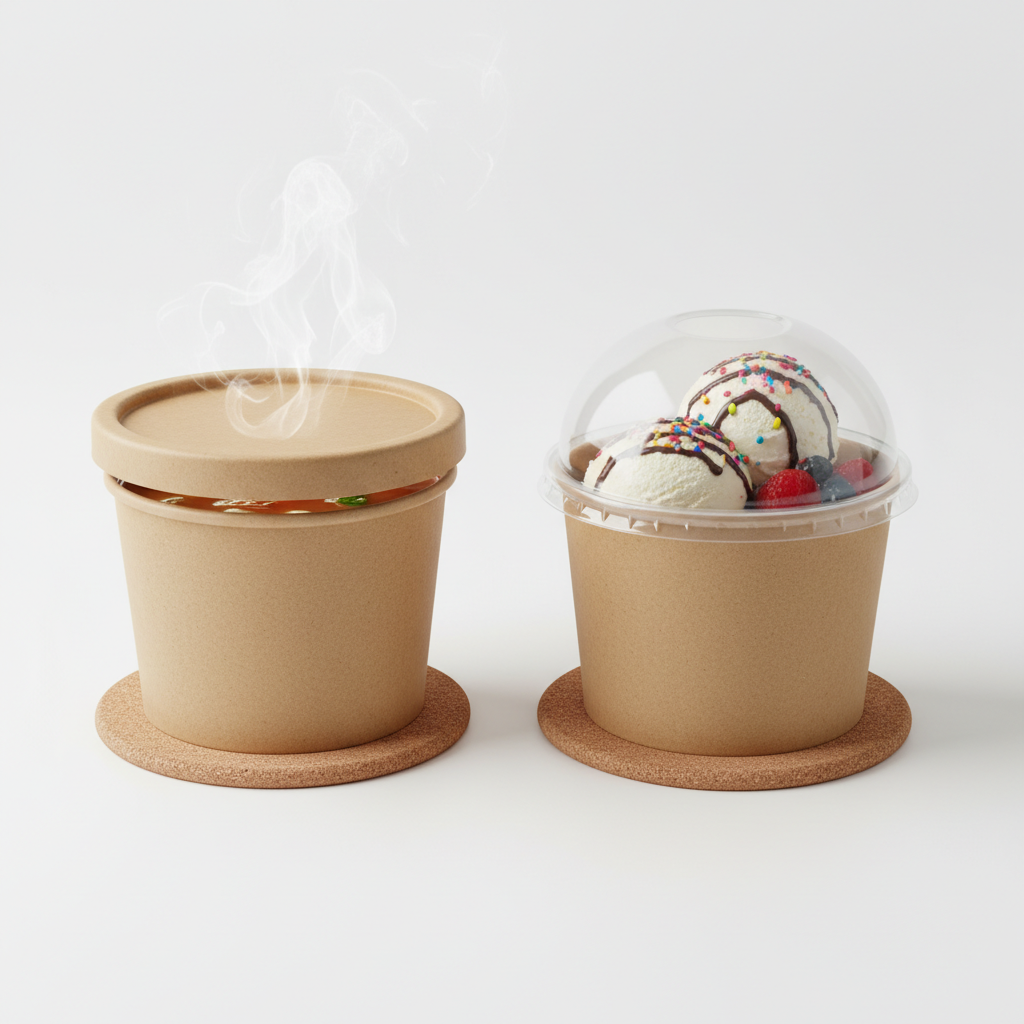
Modern paper bowls are engineered to handle extreme temperature variances. A high-quality disposable bowl must resist grease absorption and maintain rigidity whether it holds boiling liquid or frozen desserts. This versatility allows distributors and restaurant chains to streamline inventory by using a single SKU for multiple menu items, from hot oatmeal and soups to gelato and acai bowls.
As an experienced <a href="paper packaging box manufacturer“>paper packaging box manufacturer, we understand that the barrier coating is the critical differentiator. The lining prevents the paper from becoming soggy, ensuring the customer’s last bite is as enjoyable as the first.
Material Specifications and Sustainability
With increasing regulations on single-use plastics, the shift toward compostable materials is accelerating. Our paper bowls are designed with environmental responsibility in mind without sacrificing durability.
- FSC Certified Paper: The base material is sourced from responsibly managed forests. This certification is crucial for brands looking to validate their sustainability claims to eco-conscious consumers.
- Bioplastic Lining (PLA): Unlike traditional polyethylene (PE) coatings, a bioplastic lining (often made from corn starch or sugarcane) renders the bowl 100% compostable. It provides an effective moisture barrier for both hot soups and cold ice cream.
- Thermal Insulation: The thickness of the paperboard (measured in GSM) determines the bowl’s ability to retain heat or cold, protecting the consumer’s hands while keeping the food at optimal serving temperature.
To learn more about our company’s commitment to quality manufacturing, visit our <a href="About Us“>About Us page.
Lid Options: Flat vs. Domed
Selecting the correct lid is just as important as the bowl itself. The choice depends largely on the contents and the intended presentation.
Flat Lids (Vented)
Best for: Hot soups, stews, oatmeal, and pasta.
Flat lids are typically engineered with small vents to release steam. This prevents the buildup of internal pressure that could cause the lid to pop off, while also keeping the paper from softening due to trapped moisture. They are stackable, making them ideal for takeout delivery services where space efficiency is key.
Domed Lids
Best for: Ice cream, frozen yogurt, acai bowls, and salads.
Domed lids provide extra vertical clearance. This is essential for desserts that include toppings like whipped cream, fruit chunks, or granola. The clear visibility of a plastic or bioplastic dome lid also enhances the visual appeal of the product, enticing customers and allowing for “Instagram-worthy” presentation.
Customization and Branding
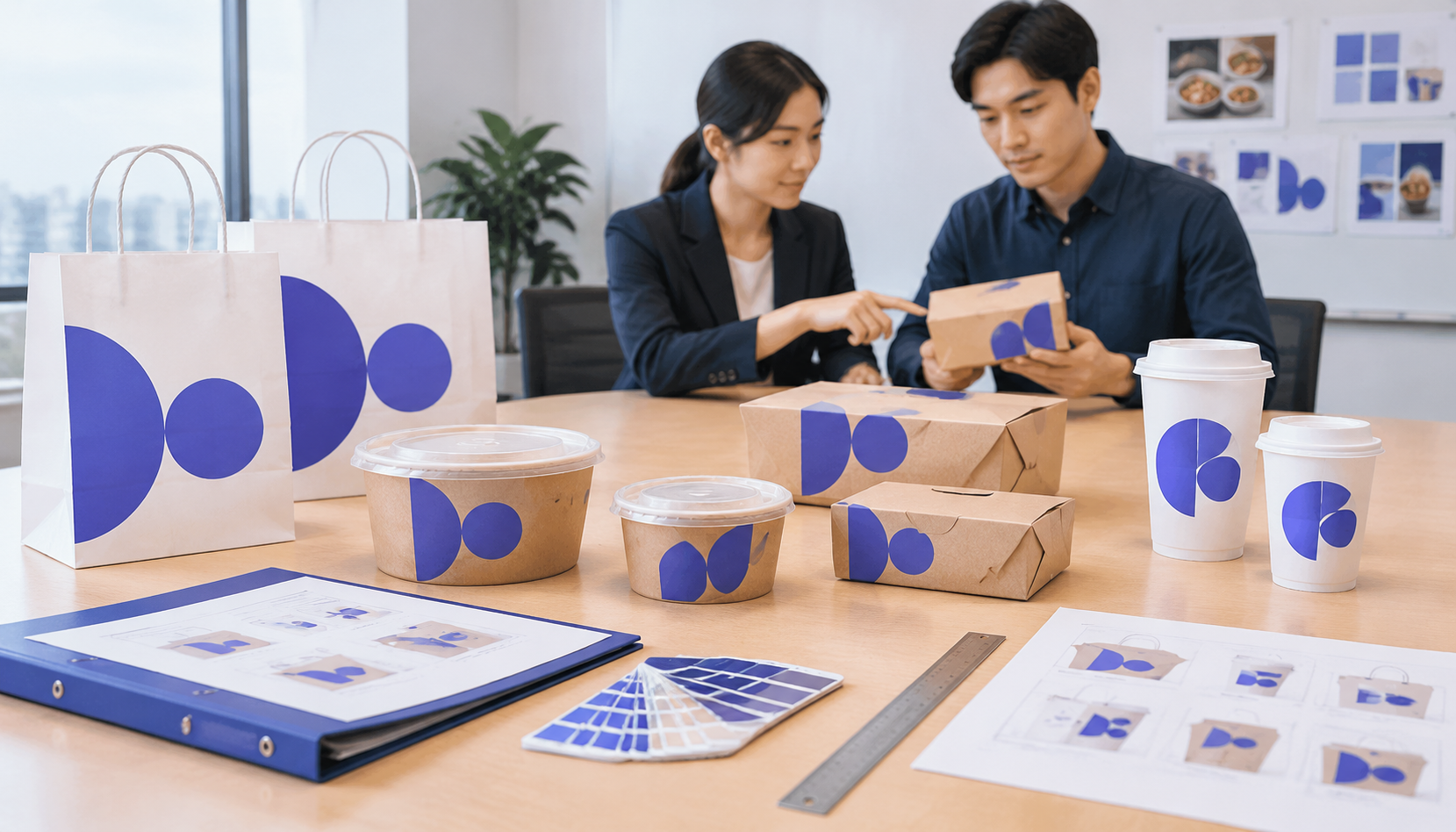
Generic white bowls represent a missed marketing opportunity. Custom printing allows you to extend your brand experience beyond the point of sale.
- Print Quality: We offer high-resolution printing options that ensure your logo and colors remain sharp and vibrant, even when exposed to heat or condensation.
- Design Flexibility: From full-coverage artwork to minimalist logos, custom bowls help reinforce brand recognition.
- Minimum Order Quantities (MOQ): Custom projects typically require specific MOQs to be cost-effective. It is advisable to discuss your forecasted volume with your supplier early in the design process.
Buying Guide for Procurement Professionals
When sourcing disposable paper soup and ice cream cups, consider the following factors to ensure seamless operations:
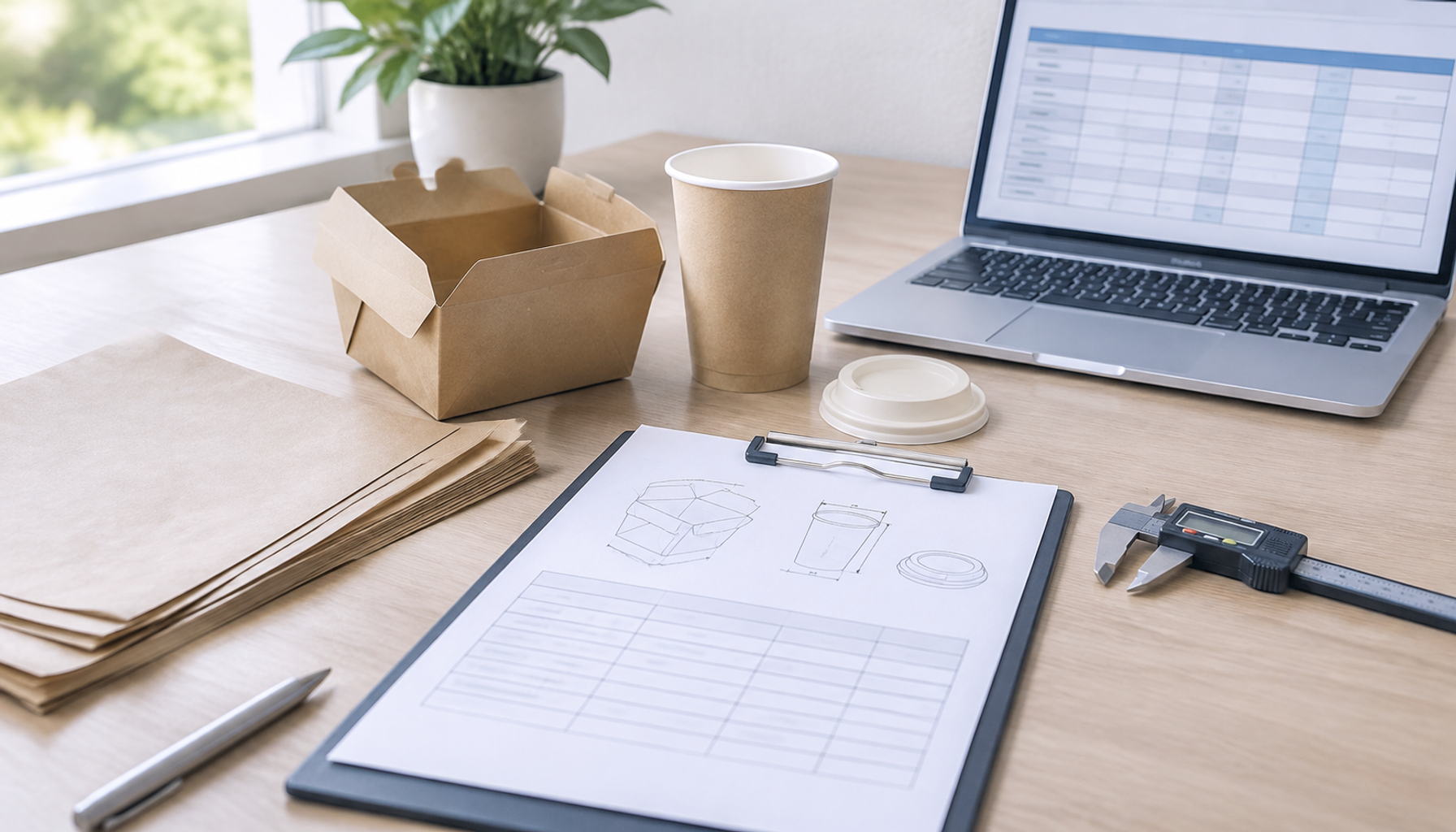
- Size Range: Ensure your supplier offers a gradient of sizes (e.g., 8oz, 12oz, 16oz, 32oz) that share common lid diameters where possible to reduce inventory complexity.
- Leak Resistance: Ask for samples to test with your specific food products. High-fat soups and acidic sauces interact with coatings differently than water.
- Storage Efficiency: Look for bowls designed with a precise taper for tight nesting. This reduces shipping costs and saves valuable warehouse space.
- Lead Times: Custom printed orders generally have longer lead times than stock items. Plan your inventory replenishment cycles accordingly, especially ahead of peak seasons like winter (soup) or summer (ice cream).
Frequently Asked Questions (FAQs)
Q: Are bioplastic-lined bowls microwave safe?
Generally, paper bowls are microwave-safe for reheating, but it depends on the specific type of lining and the duration of heating. Always confirm the temperature ratings with the manufacturer.
Q: What is the difference between industrial and home compostable?
Some bioplastics require the high heat of industrial composting facilities to break down, while others degrade in home compost bins. Our bowls are 100% compostable; please check local facilities for specific disposal guidelines.
Q: Can I use the same bowl for hot and cold food?
Yes, high-quality paper bowls with appropriate linings are versatile enough for both. However, ensure the lid fits securely for hot liquids to prevent spills during transport.
Q: How do I submit artwork for custom printing?
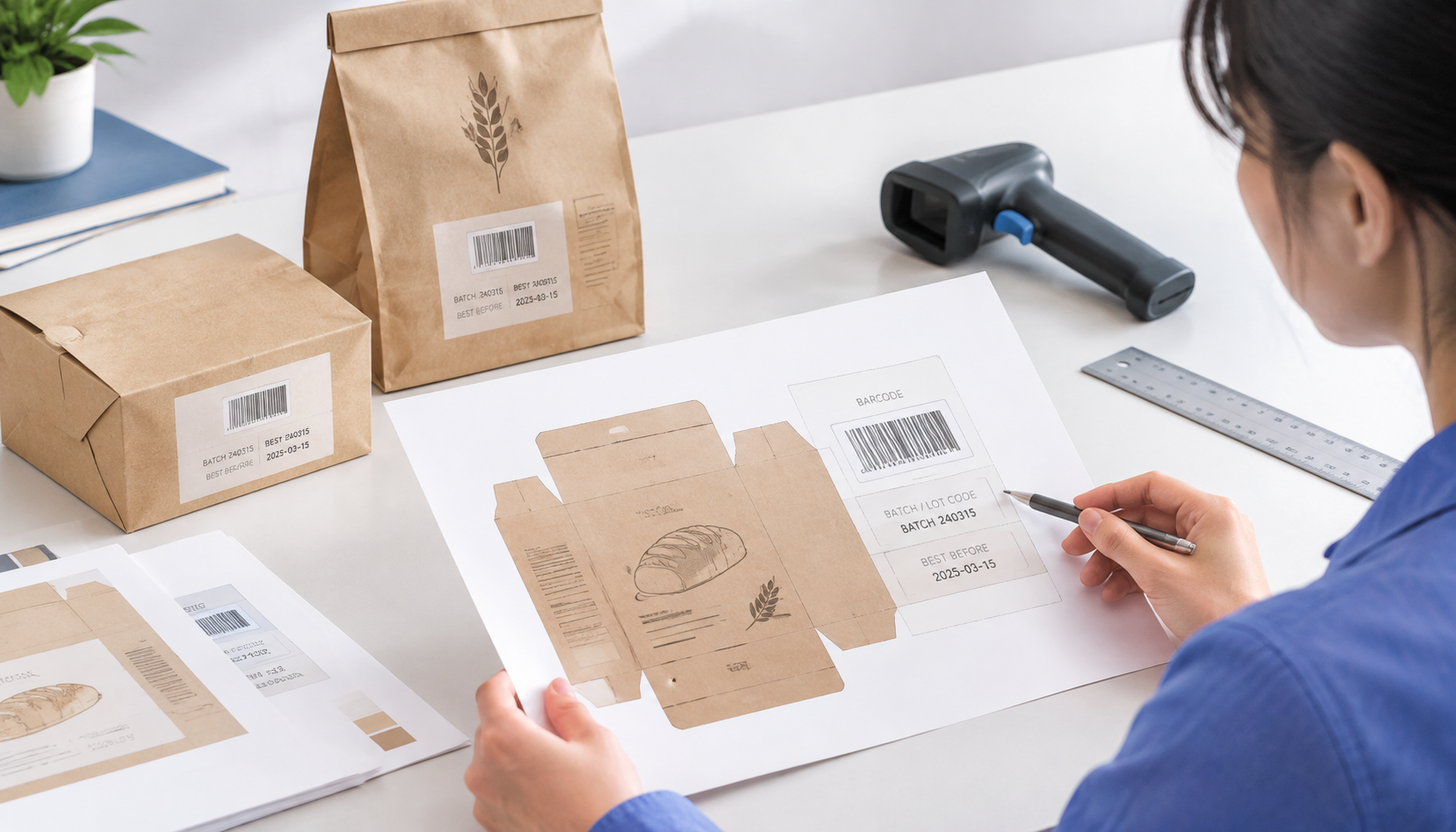
Vector files (AI, EPS, or PDF) are standard. We provide die-line templates to ensure your artwork fits perfectly around the curved surface of the cup.
Request a Quote
Ready to upgrade your food packaging? Whether you need stock samples or fully branded custom solutions, our team is ready to assist.
Request a quote / Get a sample today to discuss your requirements for disposable paper soup and ice cream cups.