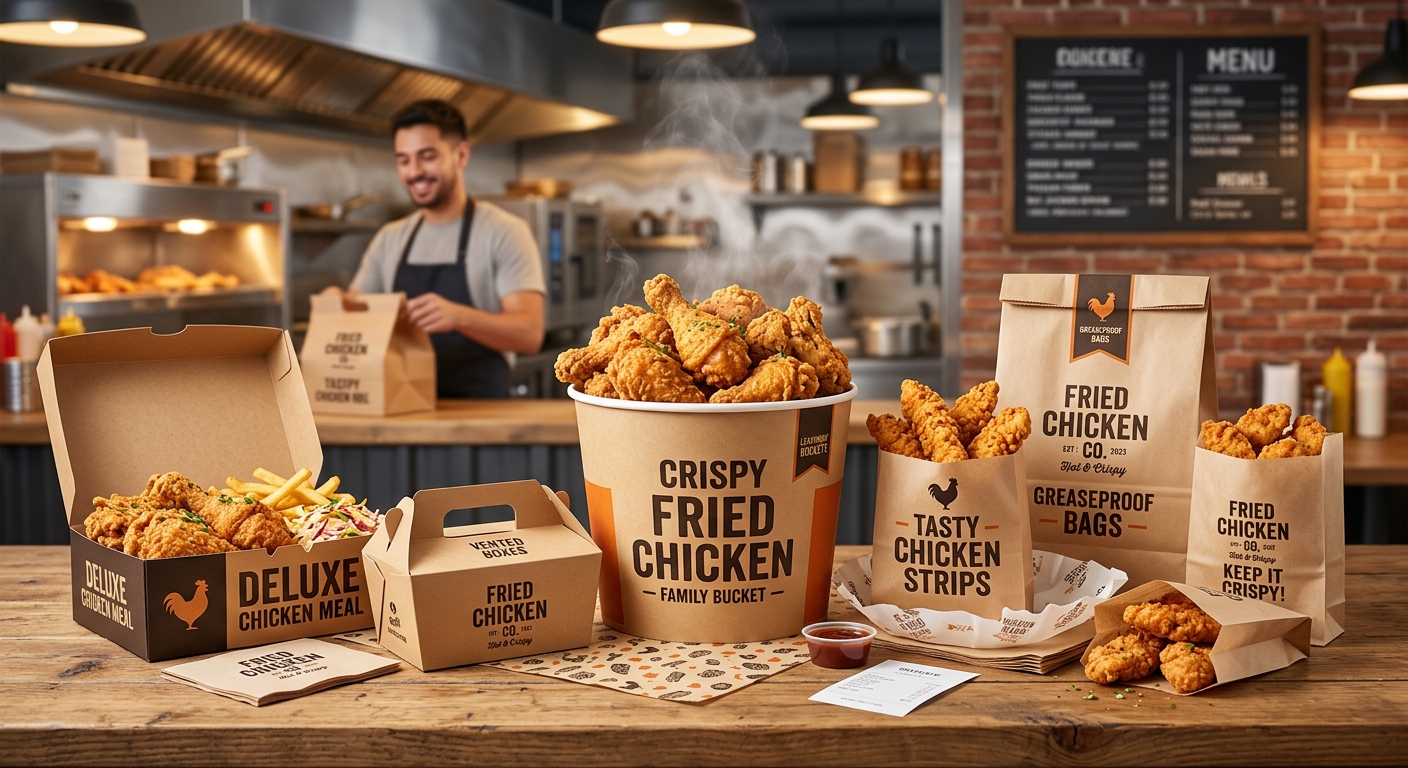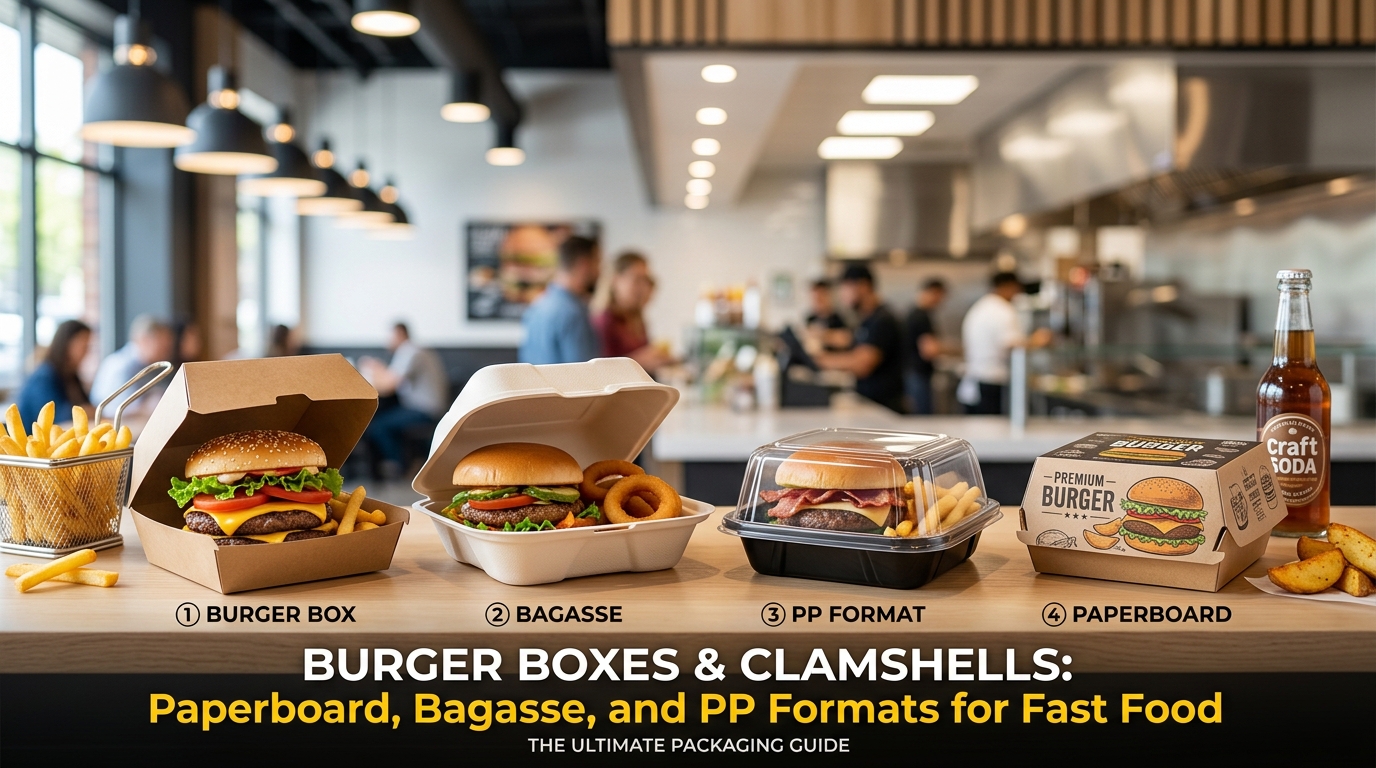


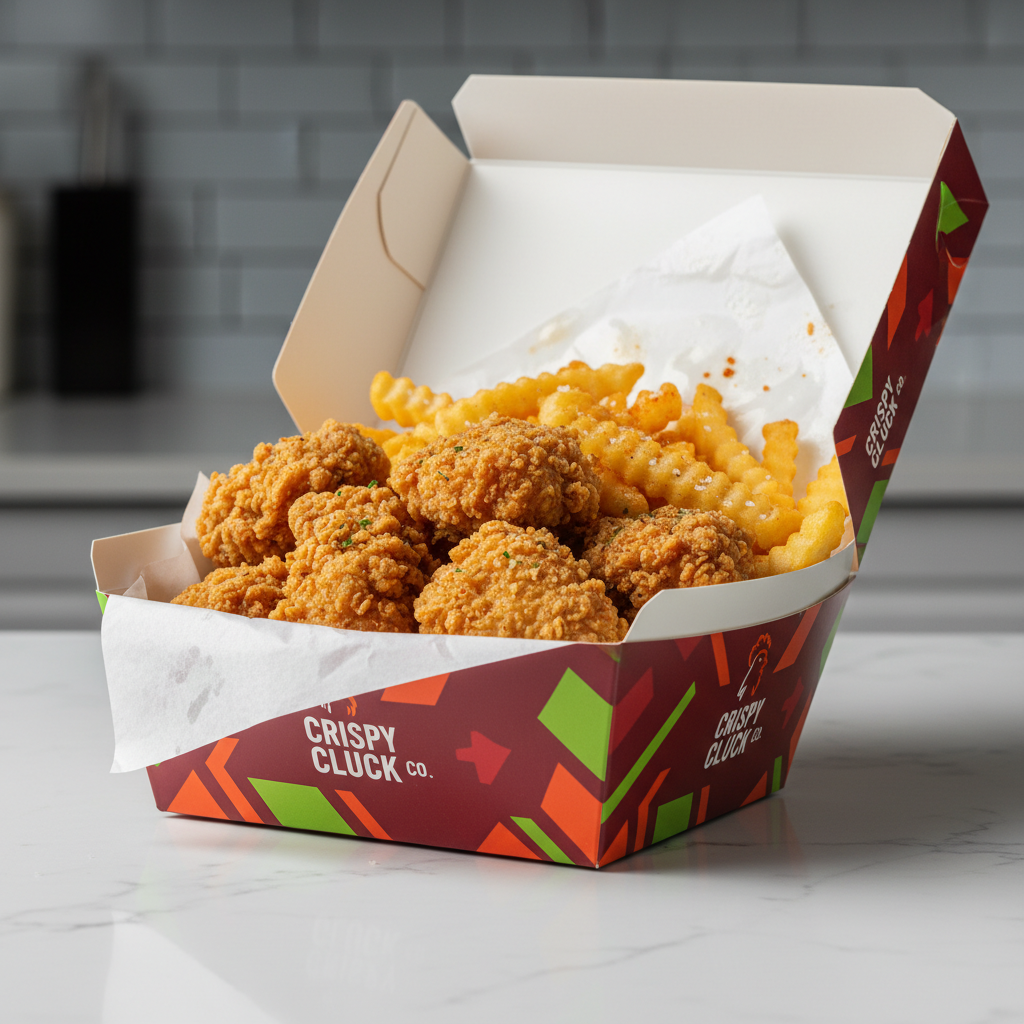
In the competitive landscape of the fast-food industry, packaging serves two critical roles: protecting the product and projecting the brand. For menu items like fried chicken and french fries, the stakes are even higher. The packaging must maintain temperature, prevent grease leakage, and preserve crispiness, all while serving as a mobile billboard for your brand. Choosing the right fast food paper box is a strategic decision that impacts customer satisfaction and operational efficiency.
This guide explores the essential considerations for sourcing custom-printed paper packaging, specifically tailored for oily and hot foods like fried chicken and fries. From material selection to print finishes, we cover what procurement officers and restaurant owners need to know to make an informed wholesale purchase.
Material Selection: Balancing Durability and Grease Resistance
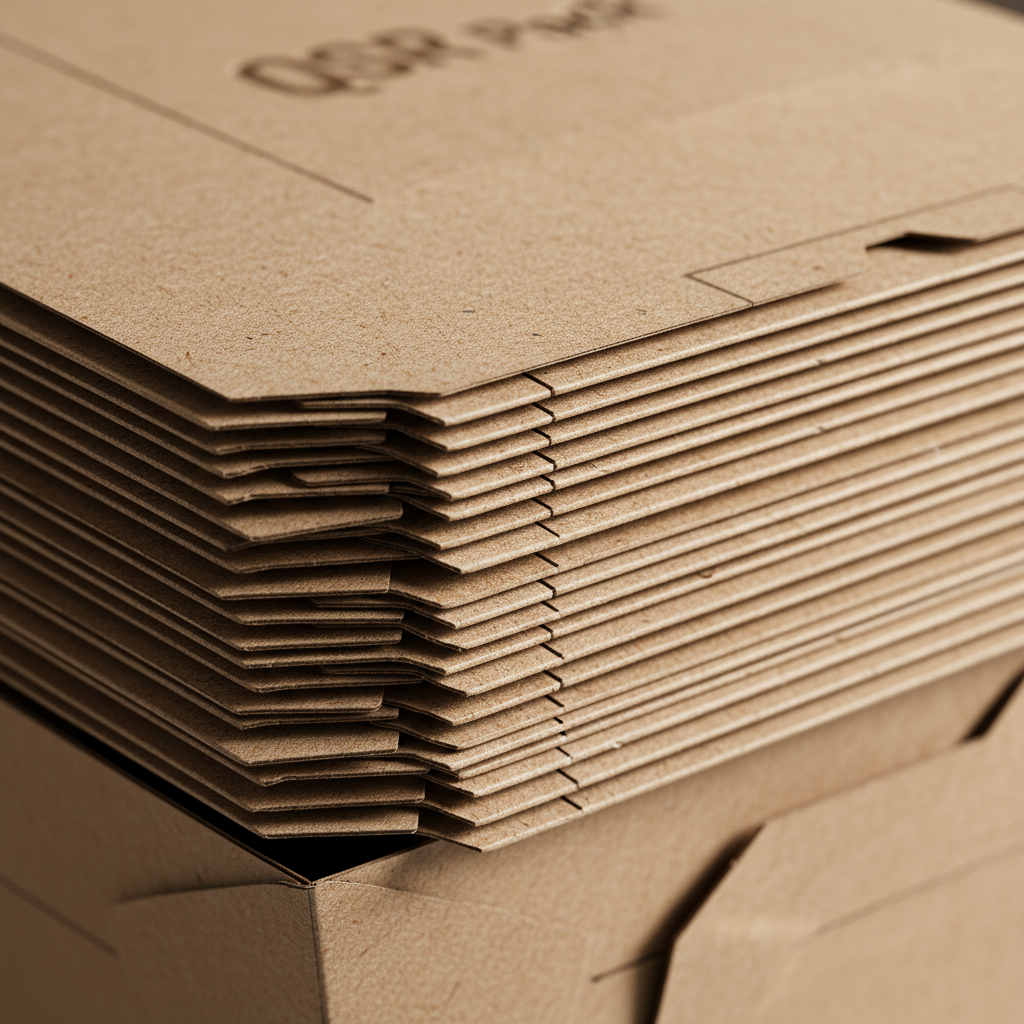
The primary challenge with packaging for fried foods is managing oil and moisture. Standard paperboard often fails under the stress of hot grease, leading to soggy containers and stained hands. High-quality packaging solutions utilize specific materials designed to withstand these conditions.
Food-Grade Paperboard
Most fast-food boxes are constructed from food-grade ivory board or kraft paper. These materials offer the structural rigidity necessary to hold heavy items (like bone-in chicken) without collapsing. The thickness is typically measured in GSM (grams per square meter), with heavier grades used for larger buckets or boxes.
Grease-Proof Coatings
To prevent oil penetration, the interior of the box usually requires a barrier coating. Common options include:
- PE (Polyethylene) Lining: A thin plastic layer that provides excellent grease and moisture resistance. It is the industry standard for hot, oily foods.
- Water-Based Coatings: An alternative that offers moderate resistance, often used when specific recycling standards are prioritized.
When sourcing your Fast Food Paper Box Paper Fried Chicken French Fries Packaging Custom Printing, ensure you specify the type of food being served so the manufacturer can recommend the appropriate coating weight.
Structural Design: Ventilation and Functionality
Fried chicken and french fries have a common enemy: steam. If a box is sealed too tightly, the heat from the food creates steam, which condenses and turns crispy coatings soggy. Effective packaging design mitigates this through ventilation.
Ventilation Holes
Custom die-cut designs often include strategic ventilation holes or loosely folding lids. These allow steam to escape while retaining enough heat to keep the food warm during delivery or takeaway.
Stackability and Assembly
For high-volume kitchens, operational speed is paramount. Packaging designs should be:
- Easy to Assemble: Pop-up designs or pre-glued bottoms save seconds per order, which adds up during rush hour.
- Stackable: Flat-packed delivery saves warehouse space, while the assembled boxes should stack stably in delivery bags.
Custom Printing: Maximizing Brand Visibility
As noted in our product specifications, customization is a key feature of modern food packaging. Your box is not just a container; it is a marketing tool that travels with your customer.
Printing Techniques
Depending on your volume and design complexity, different printing methods may be employed. While high-volume runs often use offset or flexographic printing for cost efficiency, screen printing can be used for specific surface handling effects or smaller batches requiring bold, opaque colors.
Design Considerations
- Logo Placement: Ensure your logo is visible from multiple angles, especially the top and sides.
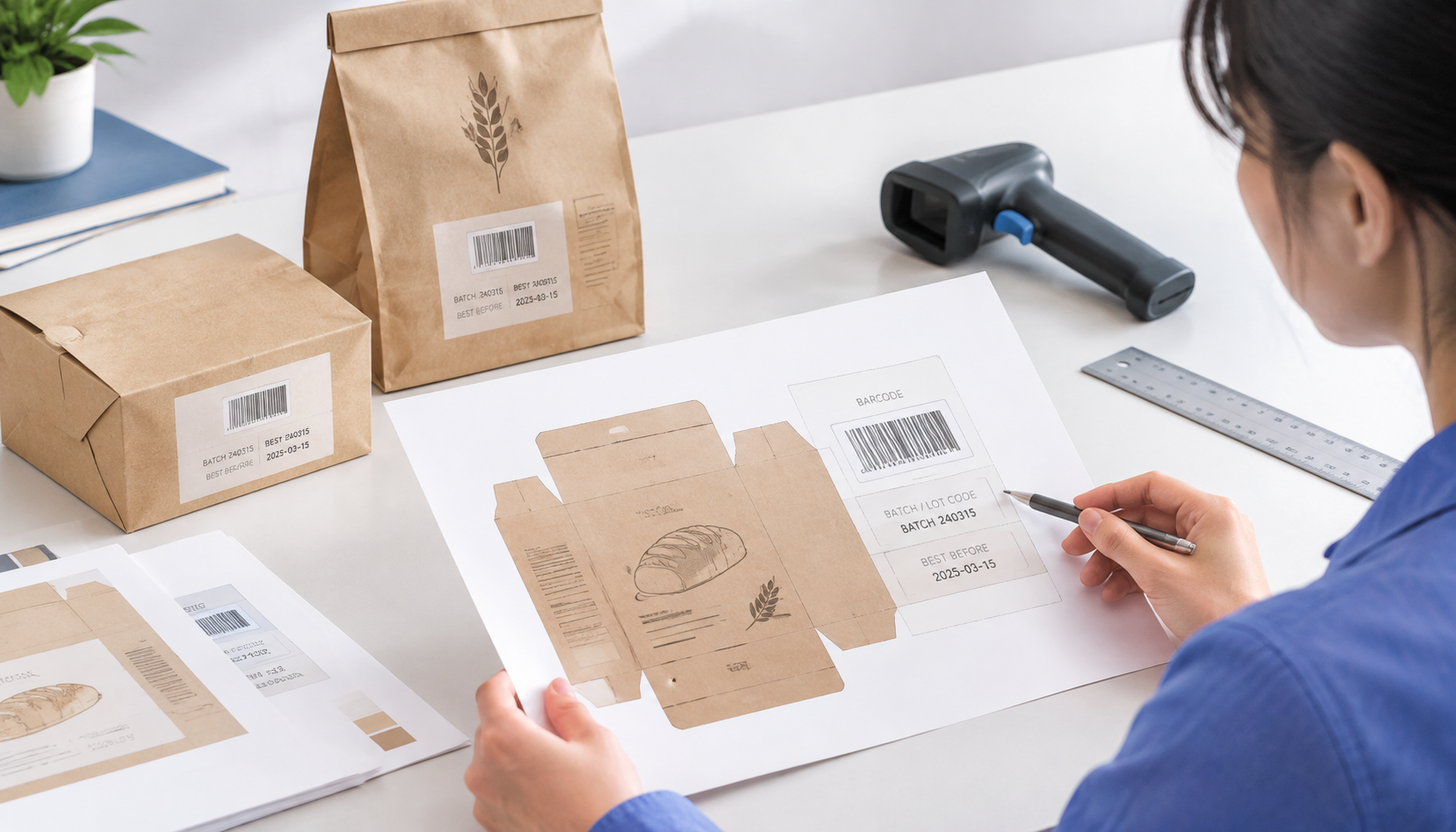
- Nutritional Info & QR Codes: Use the bottom or side panels to convey mandatory information or engage customers with digital campaigns via QR codes.
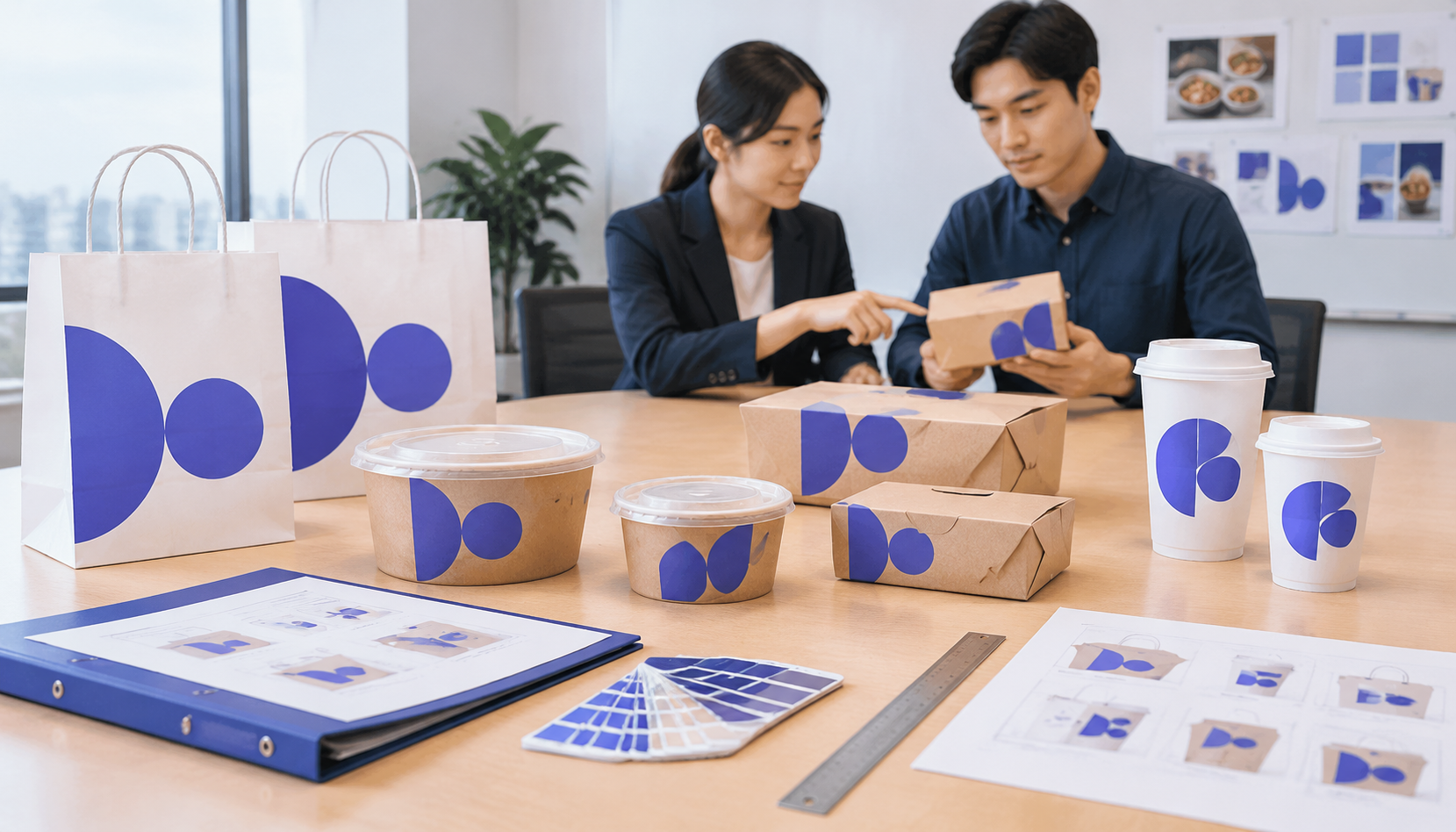
- Color Accuracy: Professional manufacturers offer color customization (often matching Pantone standards) to ensure brand consistency across all packaging types.
Procurement and Logistics: OEM & ODM Services
Working directly with a factory offers significant advantages over buying generic stock. Through OEM (Original Equipment Manufacturer) and ODM (Original Design Manufacturer) services, buyers can tailor every aspect of the packaging.
Key Buying Factors
- MOQ (Minimum Order Quantity): Custom printing typically requires a minimum order to offset setup costs. Clarify this early in the negotiation.
- Lead Times: Factor in the time required for design approval, sample production, mass manufacturing, and shipping.
- Sampling: Always request a physical sample before full production to verify material quality, print sharpness, and structural integrity.
At YBJ Packing, our team focuses on accuracy and quality assurance. We constantly review innovative packaging concepts to help customers find the most effective and economical ways to package their products.
Frequently Asked Questions (FAQ)
1. What is the difference between Kraft paper and white cardboard for food boxes?
Kraft paper has a natural, rustic look and is often perceived as more eco-friendly, while white cardboard offers a smoother surface that allows for more vibrant, high-contrast printing. Both can be treated to be food-safe and grease-resistant.
2. Can these boxes be used in the microwave?
This depends on the coating used. While paper is microwave-safe, certain metallic inks or specific plastic linings may not be. Always specify if microwaveability is a requirement during the design phase.
3. How do I prevent the box from collapsing under the weight of fried chicken?
Structural integrity is determined by the paper’s GSM (thickness) and the structural design (e.g., reinforced corners). For heavy items, we recommend a higher GSM board.
4. What file formats are needed for custom logo printing?
Vector files (AI, PDF, EPS) are generally required for the highest quality print. These formats allow the design to be scaled without losing clarity.
5. Do you offer design assistance?
Many factories, including ours, have internal teams that can assist with layout and ensuring your artwork fits the die-line correctly.
Conclusion
Selecting the right packaging for fried chicken and fries involves balancing technical performance with brand aesthetics. By focusing on grease resistance, proper ventilation, and high-quality custom printing, you ensure your food arrives as intended and your brand leaves a lasting impression.
Ready to upgrade your food packaging? Request a quote today or view our specific Fast Food Paper Box Paper Fried Chicken French Fries Packaging Custom Printing to learn more about our manufacturing capabilities.